
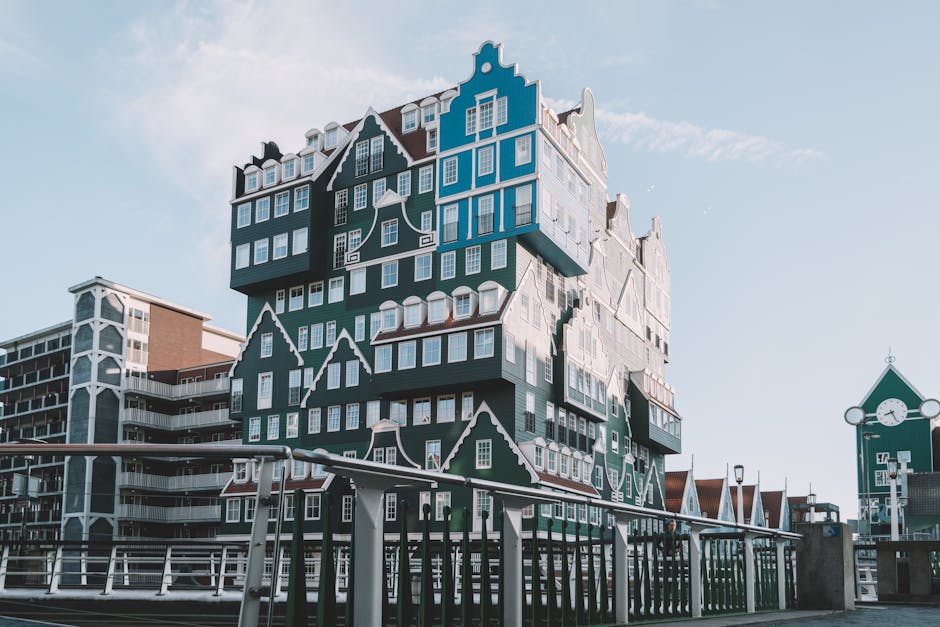
Netherlands Travel Guide: Best Cities and Travel Tips
The Netherlands is a compact country with big appeal for travelers. Known for its flat landscapes, cycling culture, and historic cities, it offers a mix of modern innovation and old-world charm. Whether you’re drawn to world-class museums, tulip fields, or canal-side cafes, this guide covers the essential cities and practical tips to help you plan a smooth trip. From Amsterdam’s vibrant streets to Utrecht’s hidden canals, you’ll find a destination that fits your pace and interests.
Top Cities to Visit in the Netherlands
The Netherlands has several standout cities, each with a distinct personality. While Amsterdam draws the crowds, other urban centers offer equally rich experiences with fewer tourists. Choosing the right city depends on what you want from your trip—art, history, relaxation, or local culture.
Amsterdam: The Cultural Heart
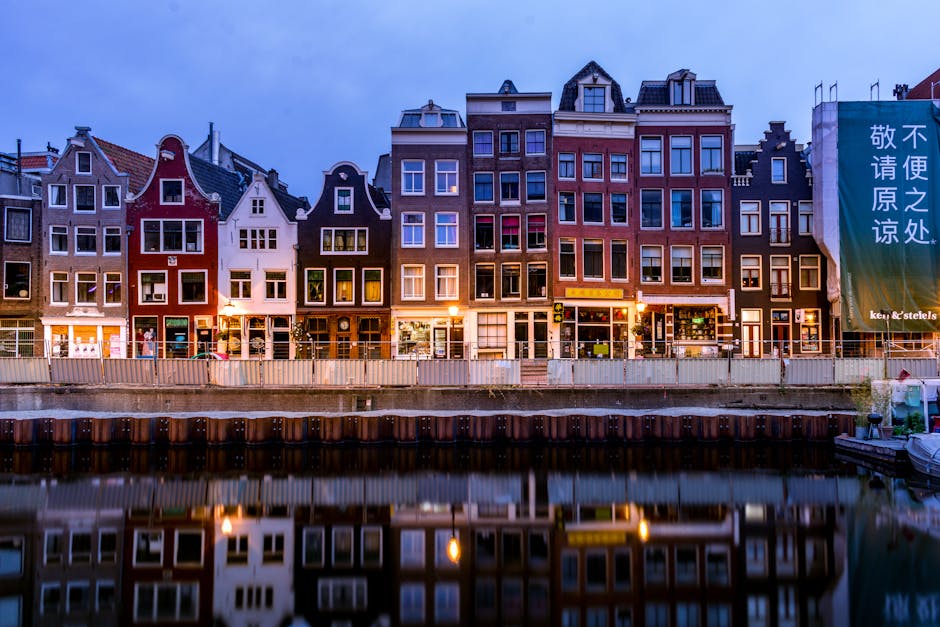
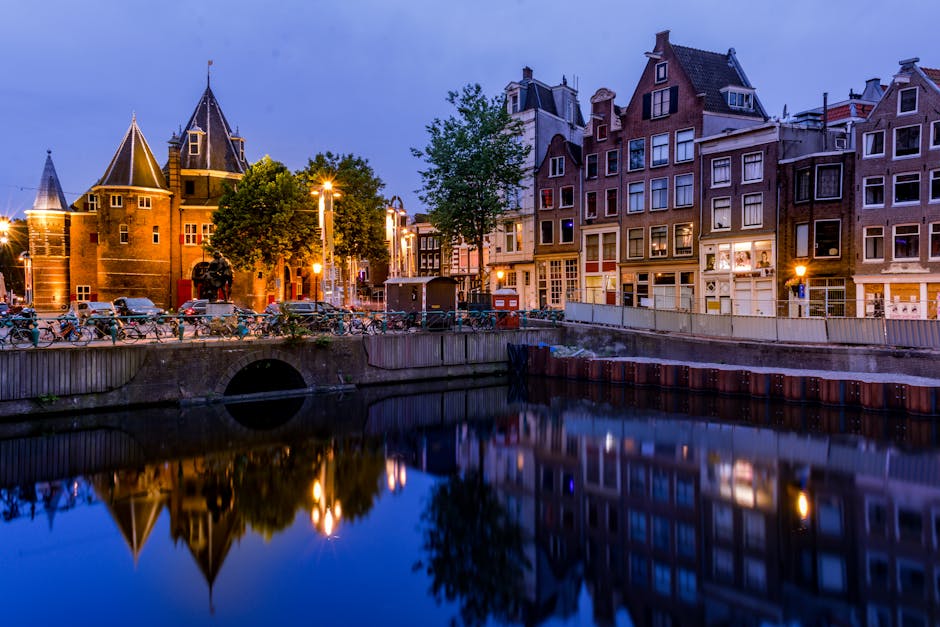
Amsterdam is the most visited city in the Netherlands and for good reason. Its network of canals, narrow houses, and bike lanes create a uniquely picturesque setting. The city is home to world-renowned museums like the Rijksmuseum and Van Gogh Museum, both located in the Museumplein.
Beyond the museums, Amsterdam offers lively neighborhoods such as Jordaan, known for its boutique shops and cozy cafes. The Red Light District, while controversial, is a well-regulated part of the city’s identity. Public transport is efficient, with trams, buses, and metro lines connecting key areas.
Tip: Buy an I Amsterdam City Card for free entry to over 70 attractions and unlimited public transport. It’s available in 1, 2, 3, or 4-day versions and can save time and money.
Rotterdam: Modern Architecture and Urban Energy
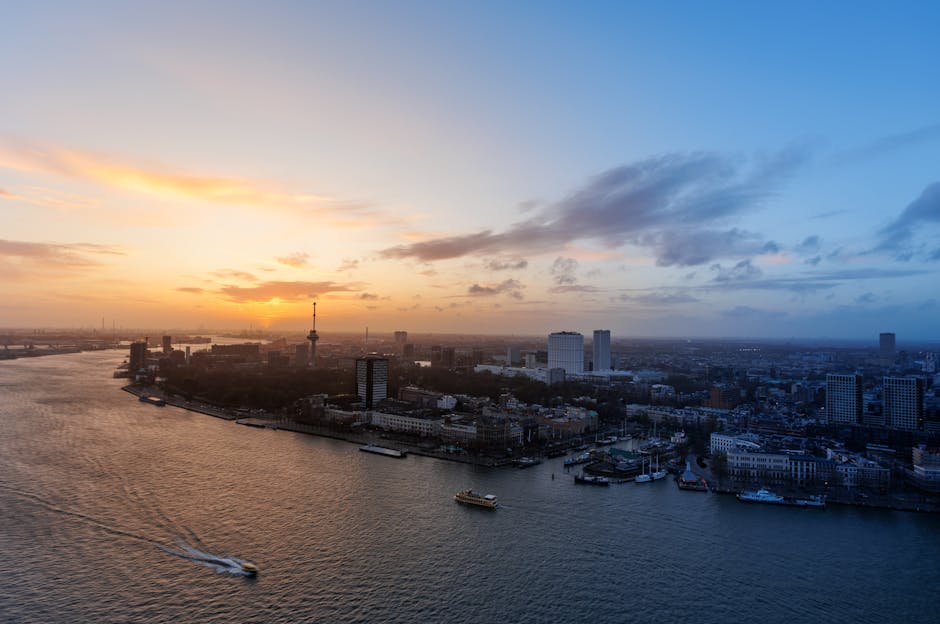
Rotterdam stands in contrast to Amsterdam with its bold, contemporary skyline. Destroyed during World War II, the city was rebuilt with experimental architecture, including the Cube Houses and the Markthal. It’s a hub for design, innovation, and international cuisine.
The Erasmus Bridge, known locally as “The Swan,” is an iconic landmark. The city’s port is the largest in Europe, and boat tours offer a unique perspective of the industrial waterfront. Rotterdam also has a thriving arts scene, with galleries and street art scattered throughout the city.
Unlike Amsterdam, Rotterdam feels less touristy and more lived-in. It’s ideal for travelers who want to experience modern Dutch urban life without the crowds.
Utrecht: A Charming Alternative
Utrecht is often overlooked but deserves a spot on any Netherlands itinerary. It’s smaller than Amsterdam but equally picturesque, with canals lined by wharf cellars that now house cafes and restaurants. The Dom Tower, the tallest church tower in the Netherlands, offers panoramic views of the city.
The city has a youthful vibe thanks to its large student population. Weekly markets, like the one on Vredenburg, offer local produce, crafts, and street food. Utrecht’s compact center makes it easy to explore on foot or by bike.
It’s also a transportation hub, with direct trains to Amsterdam, Rotterdam, and The Hague. Many travelers use it as a base to explore the region.
The Hague: Political Center and Coastal Escape
The Hague is the seat of the Dutch government and home to international institutions like the International Court of Justice. It’s less touristy than Amsterdam but offers a mix of culture, history, and seaside relaxation.
Visit the Mauritshuis to see masterpieces like Vermeer’s “Girl with a Pearl Earring.” The Binnenhof, a medieval complex, is where the Dutch parliament meets. For a break from city life, head to Scheveningen, a beach resort with a pier, aquarium, and seafood restaurants.
The Hague is well-connected by train and makes a good day trip from other cities. It’s also less expensive than Amsterdam for accommodation.
Groningen: Northern Gem with a Student Spirit
In the far north, Groningen is a compact city with a strong academic presence. It’s known for its vibrant nightlife, progressive culture, and cycling infrastructure. Over 50% of trips in the city are made by bike.
The Groninger Museum features contemporary art and quirky exhibitions. The city center is pedestrian-friendly, with cafes, bookshops, and independent stores. Every May, the city hosts the Eurosonic Festival, a major music event in Europe.
Groningen is less accessible than other cities but worth the effort for travelers seeking authenticity and local flavor.
How to Get Around the Netherlands
The Netherlands has one of the best public transportation systems in Europe. Trains, trams, buses, and ferries are reliable, frequent, and well-integrated. Most cities are connected by intercity trains that run every 15–30 minutes during the day.
Train Travel: Fast and Efficient
NS (Nederlandse Spoorwegen) operates the national rail network. Tickets can be purchased at stations, online, or via the NS app. A digital OV-chipkaart is required for all public transport, including trains.
Intercity trains are comfortable and punctual. First-class tickets offer more space and quieter carriages, but second class is sufficient for most travelers. Trains from Amsterdam to Rotterdam take about 40 minutes; to Utrecht, just 30 minutes.
Tip: Book train tickets in advance for long-distance trips or during peak seasons. While not always cheaper, it guarantees a seat.
Cycling: The Dutch Way
Cycling is the most authentic way to explore the Netherlands. Over 22% of all trips in the country are made by bicycle. Cities have extensive bike lanes, traffic signals for cyclists, and secure parking facilities.
Rent a bike from local shops or use the OV-fiets system, available at train stations with an OV-chipkaart. Daily rental costs around €8–12. Always lock your bike with two locks—theft is common in tourist areas.
Warning: Follow traffic rules. Cyclists have priority in many zones, but pedestrians still have the right of way on shared paths. Helmets are not required but recommended for children.
Public Transport in Cities
Each city has its own tram and bus network. In Amsterdam, trams are the main mode of transport. In Rotterdam, the metro system is extensive. All systems use the OV-chipkaart, which must be tapped in and out.
Day passes are available and often cheaper than single tickets. For example, a 24-hour public transport ticket in Amsterdam costs €8.50. Children under 4 travel free; those aged 4–11 pay half fare.
Night buses run after midnight, but service is less frequent. Taxis are available but expensive—Uber operates in major cities but is not as widespread as in other European capitals.
Best Time to Visit the Netherlands
The Netherlands has a temperate maritime climate with mild summers and cool winters. Rain is possible year-round, so pack a waterproof jacket.
Spring (April–June): Tulips and Mild Weather
Spring is the most popular time to visit, especially for the Keukenhof Gardens, which bloom from mid-March to mid-May. The weather is pleasant, with average temperatures between 10°C and 18°C.
King’s Day (April 27) is a national holiday celebrated with street parties, flea markets, and orange-themed festivities. Amsterdam gets very crowded, so book accommodation early.
Tip: Visit tulip fields in Noord-Holland province. The best viewing is from late April to early May. Rent a bike to explore the countryside.
Summer (July–August): Long Days and Festivals
Summer offers the warmest weather, with temperatures averaging 17°C to 22°C. Days are long, with sunset after 9 PM in June. This is peak tourist season, so expect higher prices and crowds.
Major festivals include the North Sea Jazz Festival in Rotterdam and the Grachtenfestival in Amsterdam, featuring classical music on the canals. Beaches in Zandvoort and Scheveningen are popular.
Warning: Book flights and hotels at least 3–4 months in advance. Popular attractions may require timed entry tickets.
Autumn (September–November): Fewer Crowds and Fall Colors
Autumn is ideal for travelers who prefer quieter destinations. The weather is still mild in September, turning cooler and wetter by November. The countryside is beautiful with changing leaves.
Harvest festivals and wine events occur in southern regions. Museums and indoor attractions are less crowded. Accommodation prices drop significantly after summer.
Tip: Visit the Hoge Veluwe National Park in autumn for wildlife and scenic walks. Entry is free with an OV-chipkaart.
Winter (December–February): Cosy and Festive
Winter is cold, with temperatures often below 5°C and occasional snow. However, the holiday season brings charm to the cities. Amsterdam and Rotterdam host Christmas markets and ice-skating rinks.
Sinterklaas arrives in mid-November, and New Year’s Eve features fireworks and parties. Indoor attractions like museums and cafes are warm and inviting.
Warning: Some outdoor attractions, like Keukenhof, are closed. Daylight hours are short, with sunset around 4:30 PM in December.
What to Eat and Drink in the Netherlands
Dutch cuisine is simple and hearty, with influences from its colonial past and neighboring countries. While not known for fine dining, the country offers unique flavors and local specialties.
Must-Try Dishes
Stroopwafel: Two thin waffles with a caramel-like syrup filling. Best enjoyed warm, often placed over a coffee cup to soften.
Herring (Haring): Raw herring eaten with onions and pickles. Best consumed from a street vendor, held by the tail. Try it between May and July during the herring season.
Bitterballen: Deep-fried meat-based snacks, similar to croquettes. Served with mustard, they’re a staple in bars and cafes.
Poffertjes: Small, fluffy pancakes dusted with powdered sugar and butter. Popular at street fairs and dedicated cafes.
Kibbeling: Deep-fried chunks of white fish, often cod, served with garlic sauce. A favorite pub snack.
Local Drinks
Beer: The Netherlands is famous for its beer, especially Heineken, Grolsch, and Amstel. Many local breweries offer tours, such as the Heineken Experience in Amsterdam.
Jenever: A traditional juniper-flavored spirit, similar to gin. Served chilled, it’s often enjoyed in small glasses.
Wine: While not a major wine producer, the Netherlands has emerging vineyards in the south. Try a glass of Dutch sparkling wine (mousserende wijn) at a local restaurant.
Coffee: The Dutch are among the world’s top coffee drinkers. Expect strong, black coffee in cafes. A “koffie verkeerd” is similar to a latte.
Practical Travel Tips
A smooth trip starts with preparation. The Netherlands is generally safe and easy to navigate, but a few tips can help you avoid common pitfalls.
Language and Communication
Dutch is the official language, but most people speak excellent English. Signs are often bilingual, and service staff in tourist areas are fluent. Learning a few basic Dutch phrases—like “dank je” (thank you)—is appreciated.
Wi-Fi is widely available in cafes, hotels, and public transport. Consider getting a local SIM card or an international data plan for uninterrupted connectivity.
Money and Payments
The Netherlands uses the euro (€). Credit and debit cards are accepted almost everywhere, including small shops and markets. Contactless payments are standard.
Cash is rarely needed, but it’s wise to carry a small amount for tips or rural areas. ATMs are widely available. Inform your bank before traveling to avoid card blocks.
Safety and Etiquette
The Netherlands is one of the safest countries in the world. Crime rates are low, but pickpocketing occurs in crowded tourist spots like Amsterdam Centraal and Leidseplein. Keep valuables secure.
Dutch people value directness and punctuality. Arrive on time for appointments and meetings. Tipping is not mandatory—rounding up the bill or leaving 5–10% is sufficient.
Smoking is banned in all indoor public spaces, including bars and restaurants. Cannabis is tolerated in licensed coffee shops, but public use is illegal.
Packing Essentials
Pack layers, as weather can change quickly. A waterproof jacket, comfortable walking shoes, and a compact umbrella are must-haves. Bring a power adapter—outlets are Type F (230V).
If you plan to cycle, consider bringing padded shorts. Most rental bikes are basic and not designed for long rides. A reusable water bottle is useful—tap water is safe to drink.
Day Trips and Nearby Attractions
The Netherlands is small, making day trips easy and rewarding. Many iconic sights are within an hour by train.
Keukenhof Gardens
Located near Lisse, Keukenhof is the world’s largest flower garden. It features over 7 million tulips, daffodils, and hyacinths. Open only in spring, it’s best visited on a weekday to avoid crowds.
Tip: Combine with a visit to the nearby tulip fields. Rent a bike or take a guided tour for the best views.
Zaanse Schans
This open-air museum near Amsterdam showcases traditional Dutch windmills, wooden houses, and crafts. Watch clog-making, cheese production, and oil pressing in action.
It’s a short train ride from Amsterdam Central. Allow 2–3 hours for a full visit. Entry is free, but some workshops charge a fee.
Giethoorn: The “Venice of the North”
This car-free village in Overijssel is known for its canals and thatched-roof houses. Rent a whisper boat to explore the waterways. It’s peaceful and picturesque, ideal for a relaxing day.
Giethoorn is about 2 hours from Amsterdam by train and bus. Visit in the morning to avoid tour groups.
Delft: Historic City of Blue Pottery
Delft is famous for its blue-and-white ceramics and connections to painter Johannes Vermeer. The city center is compact and walkable, with a charming market square and historic canals.
Visit the Royal Delft factory to see how the pottery is made. The Old Church and New Church are worth a look. Delft is a 15-minute train ride from The Hague.
Final Thoughts
The Netherlands offers a rich blend of culture, history, and natural beauty. Whether you’re exploring the canals of Amsterdam, cycling through tulip fields, or relaxing in a cozy cafe, the country delivers a memorable experience. With efficient transport, friendly locals, and a focus on sustainability, it’s a destination that rewards thoughtful travel. Use this Netherlands travel guide to plan your trip with confidence and make the most of your time in one of Europe’s most accessible and welcoming countries.
FAQ
What is the best time to visit the Netherlands for tulips?
The best time to see tulips is from mid-April to early May. Keukenhof Gardens are open from mid-March to mid-May, with peak bloom in late April.
Do I need to speak Dutch to travel in the Netherlands?
No, most Dutch people speak excellent English. You can easily get by in cities and tourist areas without speaking Dutch.
Is it safe to rent a bike in the Netherlands?
Yes, but always use two locks and park in designated areas. Bike theft is common in tourist cities like Amsterdam. Register your rental bike if possible.