Nepal Travel Guide: Trekking Routes and Travel Tips
Nepal is a trekker’s paradise, offering some of the world’s most iconic mountain trails. From the legendary Everest Base Camp to the serene paths of the Annapurna Circuit, the country blends dramatic landscapes with rich cultural experiences. This guide covers essential trekking routes, practical travel tips, and safety advice to help you plan a safe and rewarding adventure. Whether you’re a first-time hiker or a seasoned mountaineer, Nepal’s trails offer something unforgettable.
Top Trekking Routes in Nepal
Choosing the right trek depends on your fitness level, time, and interests. Nepal offers routes ranging from moderate valley walks to high-altitude challenges. Below are the most popular and rewarding trails.
Everest Base Camp Trek
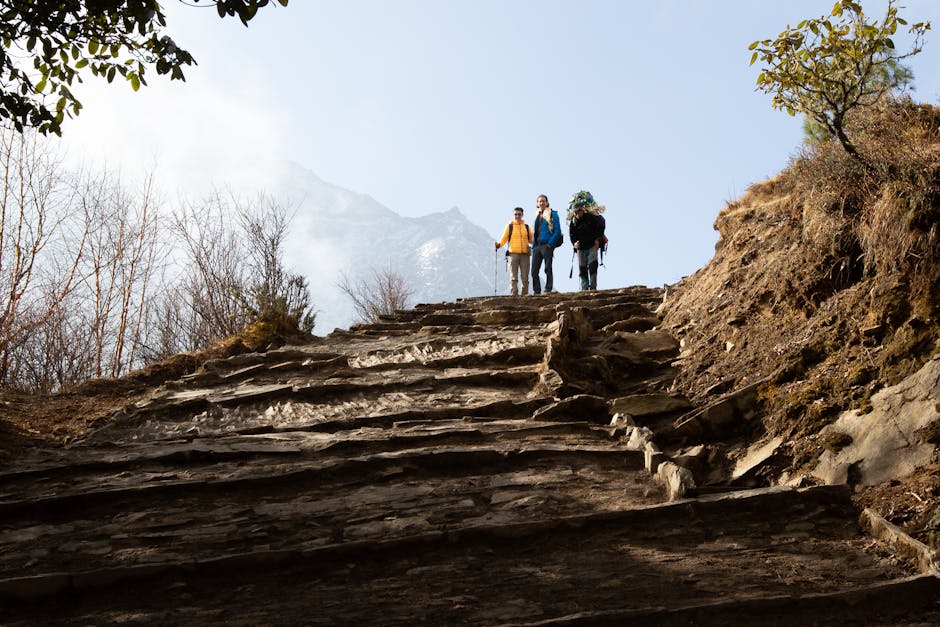
The Everest Base Camp (EBC) trek is Nepal’s most famous route, attracting thousands of trekkers each year. The journey typically takes 12–14 days and reaches an altitude of 5,364 meters at Kala Patthar. You’ll pass through Sherpa villages, Buddhist monasteries, and the bustling town of Namche Bazaar.
This trek requires good physical preparation and acclimatization days. Most itineraries include stops in Tengboche and Dingboche to help your body adjust. The views of Everest, Lhotse, and Ama Dablam are unmatched. Permits include the Sagarmatha National Park entry and Khumbu Pasang Lhamu Rural Municipality fee.
Annapurna Circuit
The Annapurna Circuit is a classic long-distance trek circling the Annapurna massif. Traditionally a 20–25 day journey, many now opt for shorter versions due to road construction. The highlight is crossing Thorong La Pass at 5,416 meters, one of the highest trekking passes in the world.
Trekkers experience diverse landscapes—from subtropical forests to arid high deserts. Villages along the route reflect a mix of Hindu and Tibetan Buddhist cultures. The circuit starts in Besisahar and ends in either Pokhara or Jomsom. Permits required are the Annapurna Conservation Area Permit (ACAP) and the Trekkers’ Information Management Committee (TIMS) card.
Langtang Valley Trek
The Langtang Valley offers a quieter alternative to the more crowded Everest and Annapurna regions. Located just north of Kathmandu, this 7–10 day trek reaches altitudes up to 4,500 meters. The valley was affected by a 2015 earthquake, but recovery has been strong, and infrastructure is now well-restored.
Trekkers pass through rhododendron forests, glacial rivers, and traditional Tamang villages. The summit of Kyanjin Ri provides panoramic views of Langtang Lirung and surrounding peaks. This trek is ideal for those seeking cultural immersion and natural beauty without extreme altitude.
Manaslu Circuit Trek
The Manaslu Circuit is a remote and less-traveled route around Mount Manaslu, the eighth-highest peak in the world. This 14–18 day trek reaches a high point of 5,106 meters at Larkya La Pass. The trail winds through diverse ecosystems and isolated villages with strong Tibetan influences.
Due to its restricted area status, trekkers must travel with a licensed guide and obtain special permits. The Manaslu Conservation Area Project (MCAP) and TIMS card are required. This trek offers solitude and authenticity, making it perfect for experienced trekkers seeking adventure off the beaten path.
Ghorepani Poon Hill Trek
The Ghorepani Poon Hill trek is one of Nepal’s most accessible and popular short treks. Lasting 4–7 days, it’s ideal for beginners or those with limited time. The trail climbs to Poon Hill at 3,210 meters for sunrise views over the Annapurna and Dhaulagiri ranges.
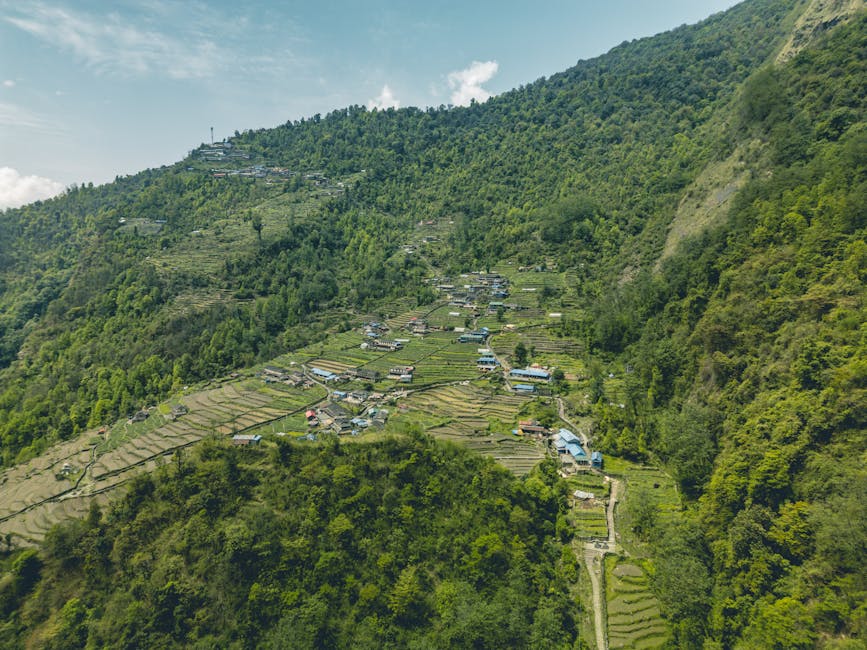
Trekkers pass through terraced farms, rhododendron forests, and Magar and Gurung villages. The route starts and ends in Nayapul, near Pokhara. This trek requires only the ACAP permit and is a great introduction to Nepali mountain culture.
Best Time to Trek in Nepal
Timing is crucial for a successful trek. Nepal has four distinct seasons, but only two are ideal for trekking.
Spring (March to May)
Spring is one of the best times to trek, with mild temperatures and clear skies. Rhododendrons bloom across the hillsides, adding color to the landscape. Trails are busy, especially on the Everest and Annapurna routes. Book teahouses and flights early to avoid disappointment.
Autumn (September to November)
Autumn is the peak trekking season, offering stable weather and excellent visibility. Days are warm and sunny, while nights are cool but not freezing. This is the best time for high-altitude treks like Everest Base Camp and the Annapurna Circuit. Expect crowds, but the trade-off is worth it for the conditions.
Winter (December to February)
Winter trekking is possible at lower elevations, such as the Langtang Valley or Ghorepani. Higher passes may be snowbound and dangerous. Days are cold, and nights can drop below freezing. Fewer tourists mean quieter trails, but some teahouses may close.
Monsoon (June to August)
The monsoon brings heavy rain, landslides, and leeches. Most trekkers avoid this season. However, the rain-shadow region of Upper Mustang remains dry and accessible. If you trek during monsoon, be prepared for muddy trails and limited visibility.
Essential Travel Tips for Nepal
Proper preparation ensures a safe and enjoyable trip. Here are key tips every traveler should follow.
Get the Right Permits
Most trekking areas require permits. The TIMS card is mandatory for all trekkers. Conservation area permits vary by region: ACAP for Annapurna, MCAP for Manaslu, and the Gaurishankar Conservation Area Permit for Rolwaling. Some areas, like Upper Mustang and Manaslu, are restricted and require special permits issued through authorized agencies.
Permits can be obtained in Kathmandu or Pokhara. Bring passport photos and copies of your passport. Always carry permits with you—checkpoints are common on major trails.
Choose the Right Gear
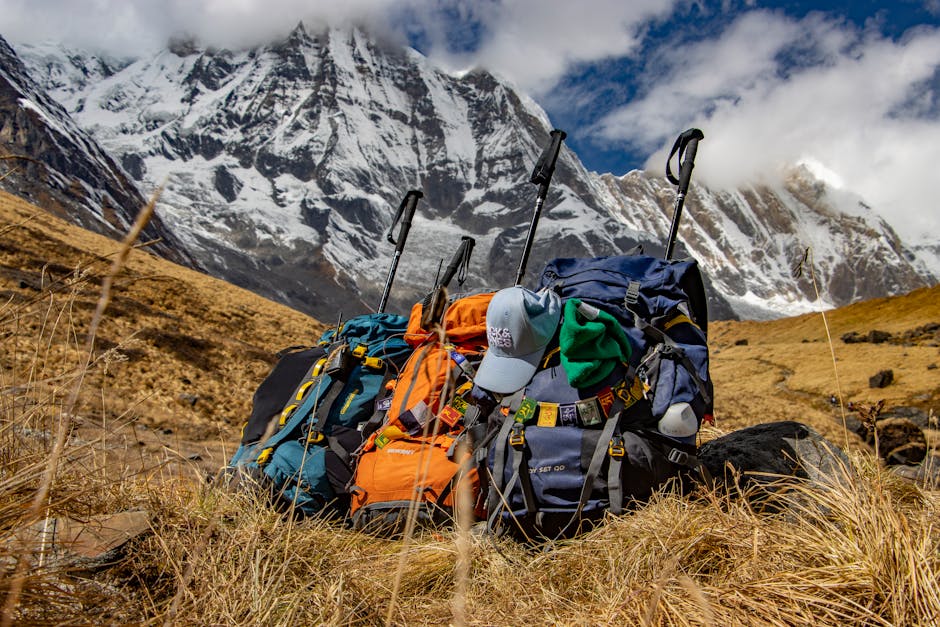
Layering is key to staying comfortable. Pack a moisture-wicking base layer, insulating mid-layer (fleece or down), and a waterproof outer shell. A good-quality sleeping bag rated to -10°C is essential for high-altitude treks.
Invest in sturdy, broken-in hiking boots with ankle support. Bring trekking poles, a headlamp, sunglasses, and a sun hat. Don’t forget a water purification system—tablets or a filter are safer than relying on boiled water alone.
Hire a Guide or Porter
While independent trekking is allowed on most routes, hiring a guide or porter improves safety and supports local communities. Guides know the trails, handle permits, and can assist in emergencies. Porters carry your gear, reducing physical strain.
Licensed guides can be booked through trekking agencies in Kathmandu or Pokhara. Agencies should be registered with the Nepal Tourism Board. Always confirm rates and services in writing before departure.
Acclimatize Properly
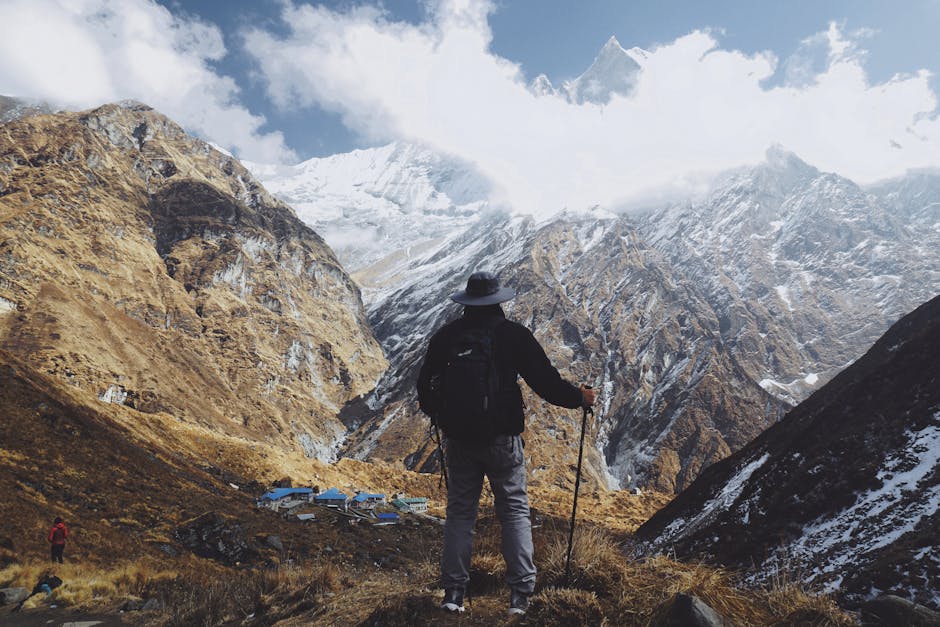
Altitude sickness is a real risk above 3,000 meters. Symptoms include headache, nausea, dizziness, and shortness of breath. Ascend slowly—no more than 300–500 meters in elevation per day above 3,000 meters. Include rest days every 3–4 days.
If symptoms worsen, descend immediately. Medications like acetazolamide (Diamox) can help prevent altitude sickness but should not replace proper acclimatization. Never ignore signs of high-altitude pulmonary edema (HAPE) or cerebral edema (HACE).
Stay Hydrated and Eat Well
Drink at least 3–4 liters of water daily to aid acclimatization and prevent dehydration. Avoid alcohol and caffeine, which can worsen dehydration. Teahouses serve simple meals—dal bhat (lentil soup with rice) is nutritious and widely available.
Pack energy snacks like nuts, chocolate, and granola bars. Avoid raw vegetables and unpeeled fruit to reduce the risk of stomach issues. Stick to cooked food and bottled or purified water.
Respect Local Culture
Nepal is deeply spiritual. Dress modestly, especially in villages and religious sites. Remove shoes before entering temples and monasteries. Always walk clockwise around stupas and mani walls.
Ask permission before photographing people. Tipping is appreciated but not mandatory. A small tip for guides and porters at the end of the trek is customary.
Safety and Health on the Trail
Safety should be your top priority. While Nepal is generally safe for travelers, risks exist in remote areas.
Travel Insurance
Comprehensive travel insurance is non-negotiable. It must cover high-altitude trekking (up to 6,000 meters), emergency evacuation, and medical treatment. Check policy details—some exclude activities above certain elevations.
Keep your insurer’s emergency number handy. In case of serious illness or injury, evacuation by helicopter may be necessary. Costs can exceed $10,000 without insurance.
Stay Connected
Mobile coverage is available in most trekking areas, but signal strength varies. NCell and Nepal Telecom offer SIM cards in Kathmandu and Pokhara. Buy one upon arrival for local calls and data.
Satellite phones or GPS devices are recommended for remote treks like Manaslu or Upper Dolpo. Inform someone of your itinerary and check in regularly.
Avoid Scams and Overcharging
Some teahouses and transport providers may overcharge foreigners. Always ask for prices in writing. Avoid unlicensed guides offering cheap rates—they may lack training or insurance.
Use reputable agencies and read recent reviews. The Nepal Tourism Board website lists authorized operators.
Packing Checklist
A well-packed bag makes all the difference. Here’s a concise list of essentials:
- Backpack (40–60 liters) with rain cover
- Sleeping bag (rated to -10°C)
- Hiking boots and camp shoes
- Trekking poles
- Layered clothing (base, mid, outer)
- Warm hat, gloves, and buff
- Sunglasses and sunscreen (SPF 50+)
- Headlamp with extra batteries
- Water bottles or hydration bladder
- Water purification tablets or filter
- First aid kit (including blister care)
- Personal medications
- Toiletries and biodegradable soap
- Passport, permits, and travel documents
- Power bank and universal adapter
Getting to Nepal and Starting Your Trek
Most international travelers fly into Tribhuvan International Airport in Kathmandu. Flights from major Asian cities are frequent. Direct flights from Europe and North America are limited, so connections via Delhi, Doha, or Bangkok are common.
Domestic flights to Pokhara, Lukla, or Jomsom are operated by airlines like Buddha Air and Yeti Airlines. Weather delays are common, especially in mountain airports. Book flexible tickets and allow buffer days.
Treks usually begin with a drive or flight from Kathmandu. The Everest Base Camp trek starts with a flight to Lukla. The Annapurna Circuit begins with a bus ride to Besisahar. Arrange transportation through your agency or local travel office.
Environmental Responsibility
Nepal’s mountains are fragile ecosystems. Practice Leave No Trace principles: pack out all trash, use established campsites, and avoid single-use plastics.
Many teahouses now offer filtered water refills. Carry a reusable bottle to reduce plastic waste. Support eco-friendly lodges and avoid buying bottled water when possible.
Do not disturb wildlife or pick plants. Stick to marked trails to prevent erosion. Your actions help preserve Nepal’s natural beauty for future trekkers.
Final Thoughts
Nepal offers an unparalleled trekking experience, combining breathtaking scenery, cultural richness, and personal challenge. With proper planning, the right gear, and respect for local customs, your journey can be both safe and transformative.
Whether you choose the iconic Everest Base Camp or the peaceful Langtang Valley, Nepal rewards those who come prepared. Start planning early, stay informed, and embrace the adventure with an open mind.
FAQ
What is the best time of year to trek in Nepal?
The best times are spring (March to May) and autumn (September to November), when weather is stable and visibility is clear.
Do I need a guide to trek in Nepal?
A guide is not required on all routes, but it is mandatory in restricted areas like Manaslu and Upper Mustang. Even on open trails, a guide enhances safety and cultural understanding.
How much does a trek in Nepal cost?
Costs vary by route and duration. Budget trekkers can expect to spend $25–$40 per day, including food, lodging, and permits. Guided treks with porters cost $50–$100 per day.