Laos Travel Guide: Best Places and Travel Tips
Laos is a hidden gem in Southeast Asia, offering lush landscapes, ancient temples, and a slow-paced rhythm of life. This Laos travel guide covers the top destinations, practical tips, and essential advice to help you plan a smooth and enriching trip. From the UNESCO-listed town of Luang Prabang to the laid-back riverside vibes of Vang Vieng, Laos blends cultural depth with natural beauty. Whether you’re a first-time visitor or returning for more, this guide delivers clear, actionable insights to make your journey memorable.
Why Visit Laos?
Laos stands out in Southeast Asia for its authenticity and tranquility. Unlike its more commercialized neighbors, it remains largely untouched by mass tourism. The country’s Buddhist heritage, French colonial architecture, and dramatic karst mountains create a unique atmosphere.
Travelers often describe Laos as peaceful, affordable, and deeply cultural. It’s ideal for backpackers, solo travelers, and those seeking a slower, more reflective journey. With minimal tourist crowds and warm hospitality, Laos rewards those who take the time to explore.
Top Destinations in Laos
Luang Prabang: A Cultural and Natural Sanctuary
Luang Prabang, a UNESCO World Heritage Site, sits at the confluence of the Mekong and Nam Khan rivers. It’s known for its well-preserved colonial buildings, golden-roofed temples, and daily alms-giving ceremony.
Visit Wat Xieng Thong, one of the country’s most important monasteries, and climb Mount Phousi at sunset for panoramic views. The nearby Kuang Si Waterfalls offer a refreshing swim in turquoise pools surrounded by jungle.
Vientiane: The Quiet Capital
Vientiane feels more like a large village than a bustling capital. It’s relaxed, with wide boulevards, French-era villas, and a growing café culture.
Don’t miss Pha That Luang, the national symbol of Laos, and the Patuxai Victory Monument, which resembles Paris’s Arc de Triomphe. The morning market along the Mekong River is perfect for people-watching and sampling local snacks.
Vang Vieng: Adventure and Scenic Beauty
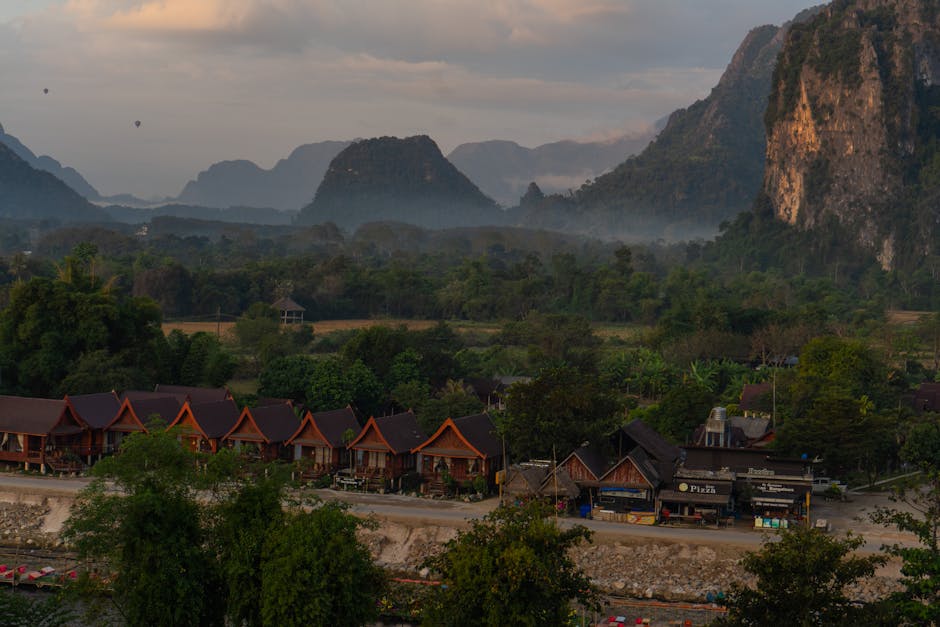
Once infamous for wild party tourism, Vang Vieng has reinvented itself as an eco-adventure hub. Towering limestone cliffs rise from the Nam Song River, creating a dramatic backdrop for outdoor activities.
Try tubing down the river, exploring caves like Tham Jang, or hiking to viewpoints such as Pha Ngern. The town now emphasizes sustainable tourism and family-friendly experiences.
Si Phan Don (4000 Islands): Riverine Serenity
Located in southern Laos near the Cambodian border, Si Phan Don is a cluster of islands in the Mekong River. It’s perfect for travelers seeking peace, river views, and a glimpse of rural life.
Don Det and Don Khon are the most popular islands, offering bungalows, bicycle rentals, and quiet beaches. You might spot the rare Irrawaddy dolphin in the deep pools between the islands.
Plain of Jars: A Mysterious Archaeological Site
The Plain of Jars in Xieng Khouang Province features thousands of ancient stone jars scattered across rolling hills. Their origin remains a mystery, though they’re believed to be over 2,000 years old.
Visit Site 1, the most accessible, and learn about the region’s history at the local museum. The area was heavily bombed during the Vietnam War, so stick to cleared paths and heed all warning signs.
Best Time to Visit Laos
The ideal time to travel to Laos is during the cool, dry season from November to February. Temperatures are pleasant, skies are clear, and outdoor activities are most enjoyable.
The hot season (March to May) brings intense heat, especially in the lowlands. The rainy season (June to October) sees frequent downpours, which can cause flooding and muddy trails. However, this is also when landscapes are at their greenest.
Consider regional variations. Northern Laos, including Luang Prabang, is cooler year-round, while the south, like Si Phan Don, remains warm even in winter.
Getting Around Laos
Laos has limited infrastructure, so travel can be slow but scenic. Domestic flights connect major cities like Vientiane, Luang Prabang, and Pakse. Airlines such as Lao Airlines and Lao Skyway offer affordable tickets.
Buses are the most common way to travel between towns. Overnight sleeper buses are available for longer routes, but comfort varies. Opt for VIP or express services when possible.
Minivans and songthaews (shared pickup trucks) serve shorter distances. In cities, tuk-tuks and motorbike taxis are convenient. Renting a motorbike is possible but only recommended for experienced riders due to road conditions.
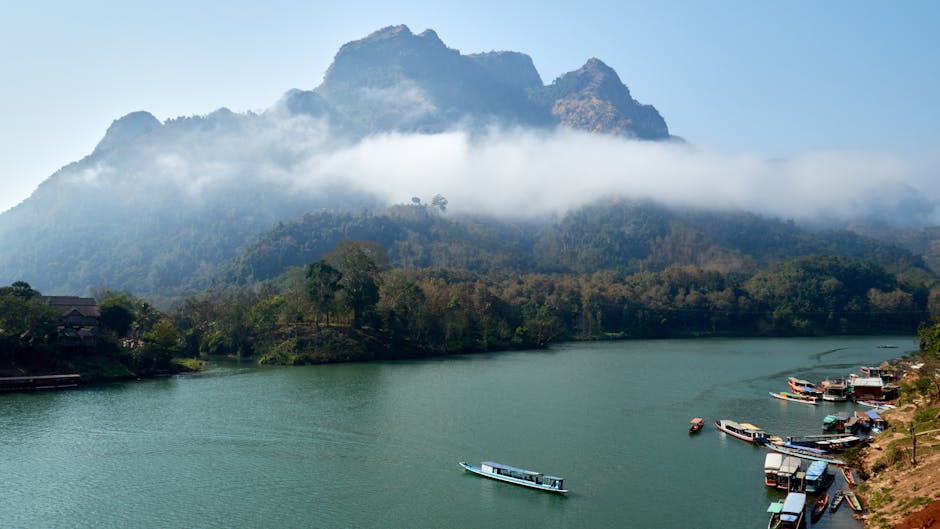
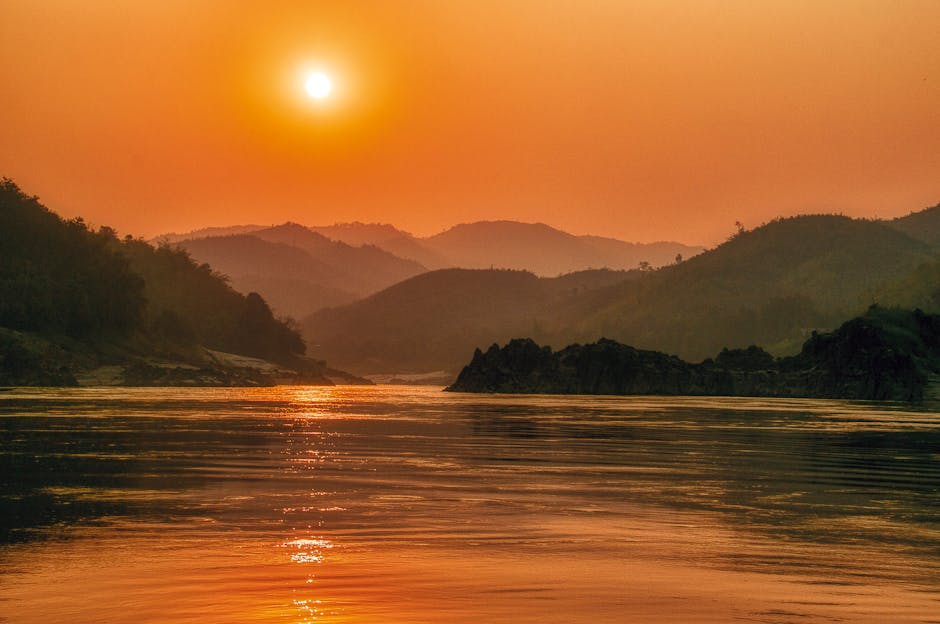
Boats are essential in riverine areas. Slow boats along the Mekong from Huay Xai to Luang Prabang take two days but offer stunning views. Speedboats are faster but bumpier and less safe.
Accommodation Options
Laos offers a wide range of lodging, from budget guesthouses to boutique hotels. In cities and tourist hubs, you’ll find clean, affordable rooms starting at $10–$15 per night.
Guesthouses often include breakfast and provide local insights. Mid-range hotels offer air conditioning, hot water, and Wi-Fi. In Luang Prabang and Vientiane, boutique properties blend traditional design with modern comfort.
On islands like Don Det, simple bungalows over the water are common. Always check recent reviews and confirm amenities in advance, especially in remote areas.
Food and Drink in Laos
Laotian cuisine is flavorful, herb-forward, and less spicy than Thai food. Sticky rice is a staple, eaten with most meals. Try larb, a minced meat salad with lime and herbs, and tam mak hoong (papaya salad).
Street food is safe and delicious. Look for grilled meats, noodle soups, and fresh fruit shakes. In markets, vendors often cook to order. Stick to busy stalls where turnover is high.
Drink bottled or filtered water. Avoid ice in rural areas unless you’re sure it’s made from purified water. Local beer, especially Beerlao, is popular and widely available.
Cultural Etiquette and Tips
Respect is central to Laotian culture. Dress modestly, especially when visiting temples. Cover shoulders and knees, and remove shoes before entering religious sites.
The tak bat (alms-giving) ceremony in Luang Prabang is sacred. If you wish to observe, do so quietly from a distance. Do not touch monks or offer food directly unless you’re participating respectfully.
Greet others with a slight bow and hands pressed together in a nop. Avoid public displays of affection and loud behavior. Pointing with your feet or touching someone’s head is considered rude.
Safety and Health
Laos is generally safe for travelers. Petty theft occurs in tourist areas, so keep valuables secure. Avoid walking alone at night in poorly lit areas.
Road safety is a concern. Traffic can be chaotic, and road conditions vary. Always wear a helmet on motorbikes and avoid night driving in rural zones.
Health precautions are important. Drink only safe water, use mosquito repellent, and consider vaccinations for hepatitis A, typhoid, and tetanus. Travel insurance with medical coverage is strongly advised.
Packing Essentials for Laos
Pack light, breathable clothing suitable for tropical heat. Include long sleeves and pants for temple visits and mosquito protection. A lightweight rain jacket is useful during the wet season.
Bring a reusable water bottle with a filter, sunscreen, insect repellent, and a basic first-aid kit. Power outlets are Type A, B, C, and F, but adapters may be needed. Wi-Fi is available in cities but unreliable in remote areas.
Don’t forget a power bank, quick-dry towel, and comfortable walking shoes. If trekking, pack sturdy footwear and a headlamp.
Money and Budgeting
The Lao kip (LAK) is the local currency, but US dollars and Thai baht are widely accepted in tourist areas. ATMs are available in cities and towns, but carry cash for rural travel.
Budget travelers can live comfortably on $25–$35 per day, including accommodation, food, and transport. Mid-range travelers should budget $50–$80 daily. Luxury stays and tours increase costs significantly.
Bargaining is common in markets but not in shops or restaurants. Be polite and smile—aggressive haggling is frowned upon.
Sustainable and Responsible Travel
Support local communities by staying in family-run guesthouses, eating at local restaurants, and hiring local guides. Avoid single-use plastics and carry a reusable bag.
Respect wildlife and natural sites. Do not feed animals, remove plants, or disturb archaeological remains. Choose eco-friendly tour operators that follow responsible practices.
Learn a few Lao phrases like sabaidee (hello) and khob chai (thank you). A little effort goes a long way in building connections.
Sample Itinerary: 10 Days in Laos
Day 1–3: Arrive in Vientiane. Explore temples, markets, and the riverside. Take a day trip to Buddha Park.
Day 4–6: Fly or bus to Luang Prabang. Visit temples, Kuang Si Falls, and attend the alms ceremony. Take a boat ride on the Mekong.
Day 7–8: Travel to Vang Vieng. Go tubing, cave exploring, or hiking. Enjoy the scenic views.
Day 9–10: Fly to Pakse and take a boat to Si Phan Don. Relax on Don Det, swim, and watch for dolphins. Depart from Pakse.
This itinerary balances culture, nature, and relaxation. Adjust based on your pace and interests.
Final Travel Tips
Start your trip in Vientiane or Luang Prabang for easier acclimation. Book domestic flights in advance during peak season. Keep digital and physical copies of your passport and visa.
Download offline maps and translation apps. Be patient—things move slowly in Laos, and that’s part of its charm. Embrace the unexpected and enjoy the journey.
FAQ
Do I need a visa to visit Laos?
Most travelers can obtain a visa on arrival at major airports and land borders. Check requirements based on your nationality. E-visas are also available online.
Is Laos safe for solo female travelers?
Yes, Laos is generally safe for solo female travelers. Dress modestly, stay in well-reviewed accommodations, and avoid isolated areas at night.
What should I avoid doing in Laos?
Avoid touching monks, pointing with your feet, or showing public affection. Don’t photograph people without permission, especially during religious ceremonies.