Myanmar Travel Guide: Top Destinations and Tips
Myanmar, formerly known as Burma, offers travelers a rare blend of ancient culture, untouched landscapes, and warm hospitality. From golden pagodas to serene river cruises, this Southeast Asian gem rewards those who venture beyond the usual tourist trail. Whether you’re drawn to spiritual sites, natural beauty, or authentic local experiences, Myanmar delivers with quiet charm and rich history. This guide covers must-visit destinations, practical travel tips, and essential advice to help you plan a safe and rewarding trip.
Why Visit Myanmar?
Myanmar stands apart from its more commercialized neighbors like Thailand and Vietnam. It remains relatively unspoiled by mass tourism, offering a more intimate and authentic experience. The country’s Buddhist heritage is visible in every corner, from hilltop monasteries to daily alms-giving ceremonies.
Travelers often describe Myanmar as a place where time moves slower. Markets bustle with local life, farmers work rice paddies by hand, and monks in saffron robes walk barefoot through ancient towns. This sense of tradition, combined with stunning scenery, makes it a compelling destination for curious explorers.
Top Destinations in Myanmar
Bagan: The Land of a Thousand Temples
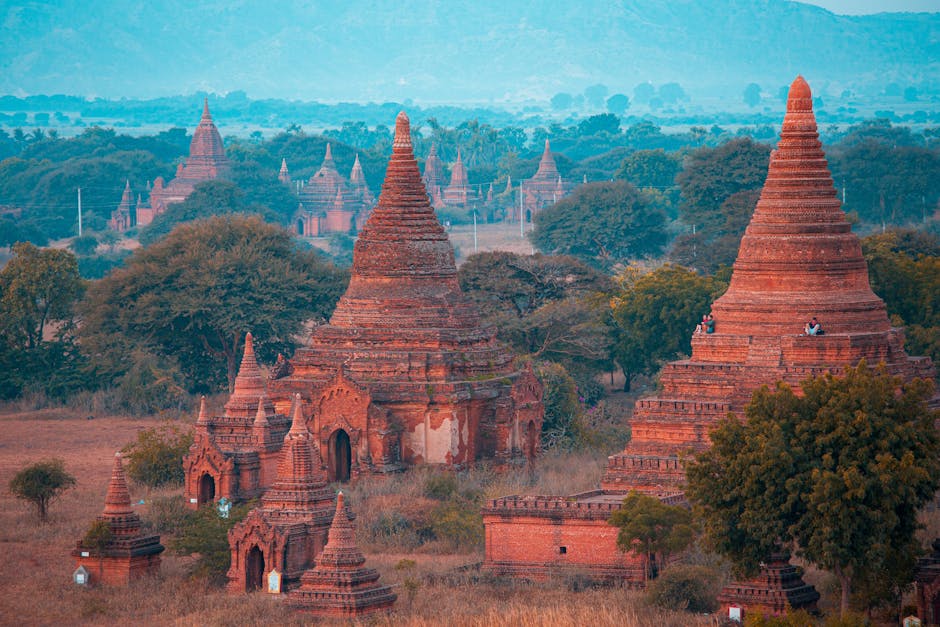
Bagan is Myanmar’s most iconic destination. Over 2,000 ancient temples and pagodas dot the arid plains, creating one of the most breathtaking archaeological landscapes in Asia. Sunrise hot air balloon rides offer panoramic views of the spires rising from the mist—an unforgettable experience.
Explore on foot, by bicycle, or via electric scooter. Popular temples include Ananda Temple, known for its symmetrical design and intricate carvings, and Shwesandaw Pagoda, a favorite spot for sunset views. Visit during the dry season (November to February) for the best weather and visibility.
Yangon: The Cultural Heartbeat
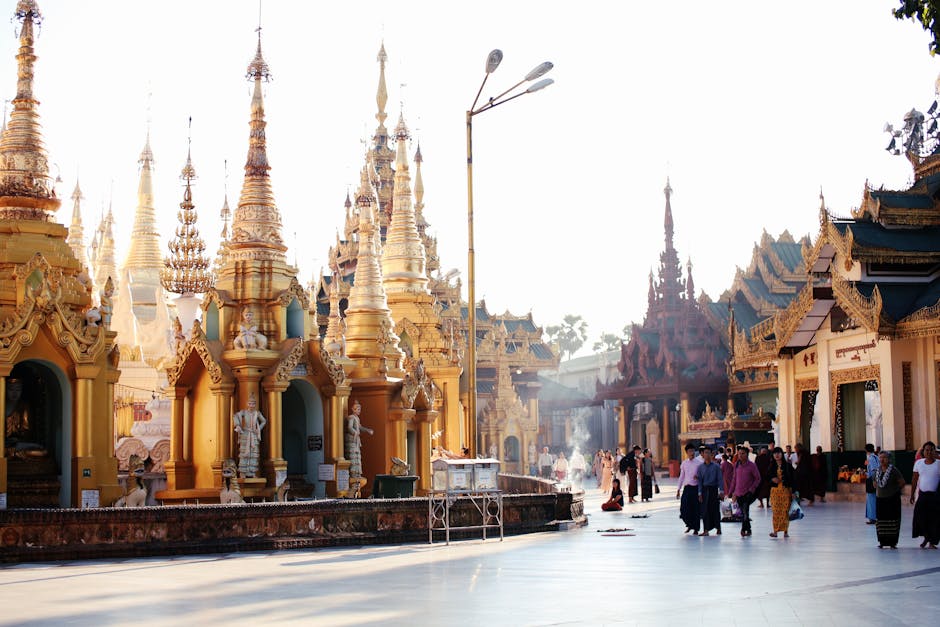
Yangon, the former capital and largest city, blends colonial architecture with vibrant street life. The centerpiece is the Shwedagon Pagoda, a 98-meter golden stupa that glows at sunset. It’s one of the most sacred Buddhist sites in the country and a must-see for any visitor.
Wander through the bustling Bogyoke Aung San Market for handicrafts, jade, and local snacks. Don’t miss the circular train ride, a 3-hour loop that offers a glimpse into daily life across the city’s outskirts. Yangon is also the main gateway for international flights, making it a natural starting point.
Inle Lake: Floating Gardens and Leg-Rowers
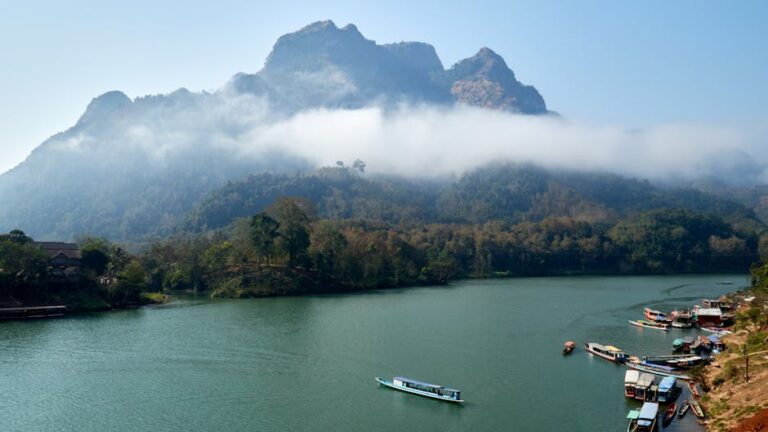
Inle Lake in Shan State is famous for its floating villages, stilt houses, and unique rowing technique—fishermen stand on one leg while wrapping the other around an oar. The lake’s calm waters reflect misty mountains, creating a tranquil atmosphere.
Take a boat tour to visit local markets, silk workshops, and floating gardens where farmers grow tomatoes and flowers on rafts. The nearby town of Nyaung Shwe serves as the main access point. Visit between November and February for cooler temperatures and clearer skies.
Mandalay: The Last Royal Capital
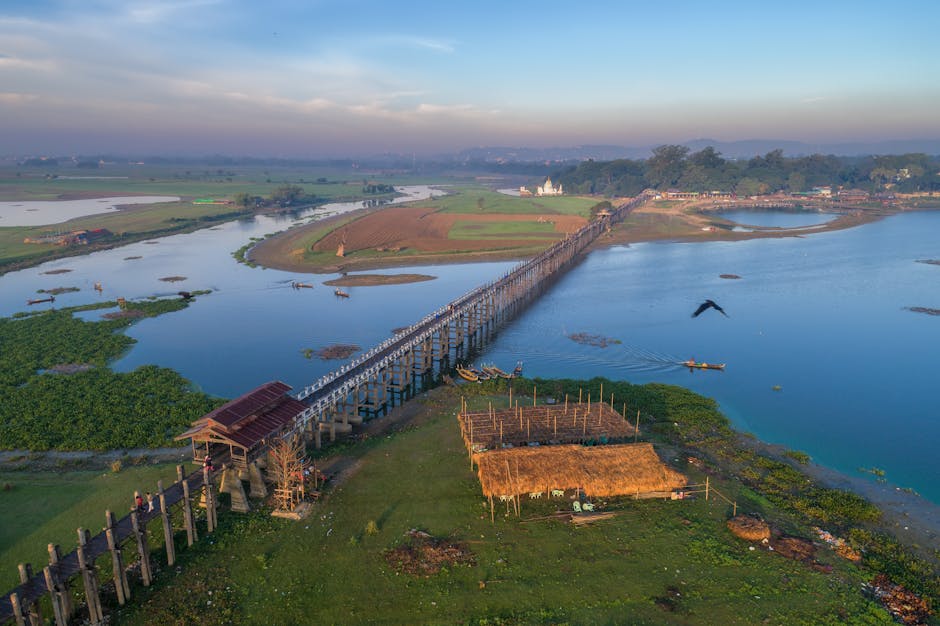
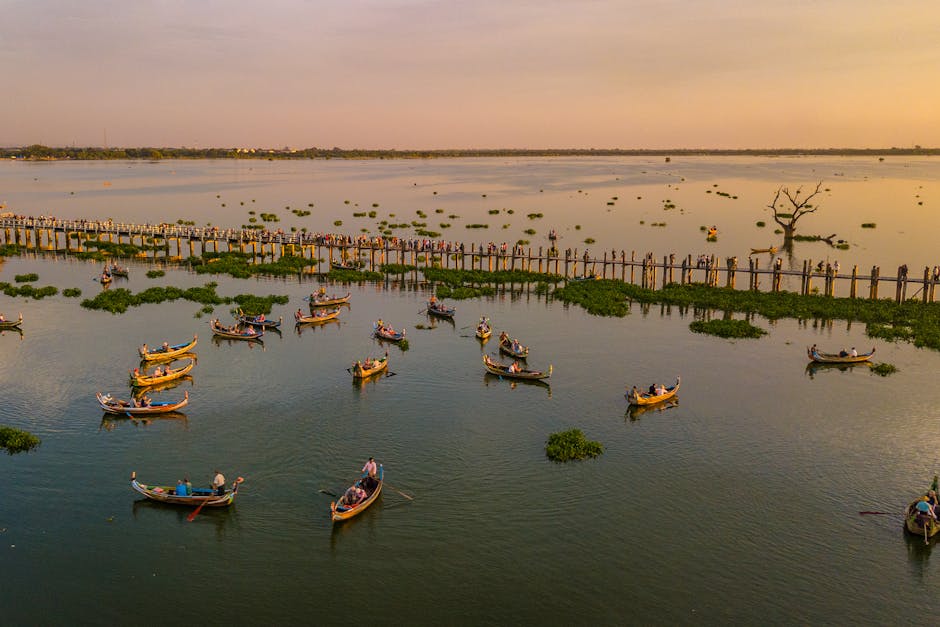
Mandalay was the last capital of the Burmese monarchy and remains a cultural and religious center. The city is home to over 700 monasteries and pagodas, including the impressive Mandalay Palace and the teak-filled U Bein Bridge.
Climb Mandalay Hill at sunset for sweeping views of the city and surrounding plains. Nearby, visit the ancient cities of Amarapura, Sagaing, and Mingun, each offering distinct historical and spiritual experiences. Mandalay is also a hub for traditional crafts like gold leaf making and puppetry.
Ngapali Beach: Myanmar’s Best Beach Escape
For a coastal retreat, head to Ngapali Beach on the Bay of Bengal. Unlike Thailand’s crowded shores, Ngapali remains quiet and uncommercialized. White sand, turquoise water, and coconut palms create a peaceful setting perfect for relaxation.
Stay in eco-friendly resorts or family-run guesthouses. Activities include snorkeling, fishing trips, and visits to nearby fishing villages. The best time to visit is from November to April, when the weather is dry and sunny.
Best Time to Visit Myanmar
The ideal time to travel to Myanmar is during the cool, dry season from November to February. Temperatures are pleasant, rainfall is minimal, and visibility is excellent for sightseeing and photography.
The hot season (March to May) can be extremely warm, especially in central regions like Bagan and Mandalay, with temperatures exceeding 40°C (104°F). The rainy season (June to October) brings heavy downpours, particularly in coastal and mountainous areas, which can disrupt travel plans.
Keep in mind that some remote areas, such as parts of Shan State, may have limited access during the monsoon. Always check local conditions before traveling.
Getting Around Myanmar
Domestic flights are the fastest way to cover long distances. Airlines like Myanmar Airways and Air KBZ connect major cities such as Yangon, Mandalay, and Heho (gateway to Inle Lake). Book in advance, especially during peak season.
Long-distance buses are affordable and widely available, but journeys can be slow and uncomfortable. Opt for VIP or sleeper buses for overnight trips. Trains are scenic but often delayed; they’re best for short routes or cultural experiences rather than efficiency.
In cities, taxis and ride-hailing apps like Grab are convenient. In Bagan and Inle Lake, electric bikes and bicycles are popular for exploring at your own pace. Always carry cash, as card payments are rarely accepted outside major hotels.
Visa and Entry Requirements
Most travelers need a visa to enter Myanmar. The e-visa system is straightforward and can be completed online through the official government website. Processing typically takes 3 to 5 business days.
Tourist e-visas are valid for 28 days and allow entry through designated airports and land borders. Ensure your passport has at least six months of validity and two blank pages. Overstaying your visa can result in fines or deportation.
Check with your nearest Myanmar embassy for the latest requirements, especially if arriving by land or planning to visit restricted areas.
Money and Costs
Myanmar uses the kyat (MMK) as its currency. While credit cards are accepted in upscale hotels and restaurants in major cities, cash is king—especially in rural areas. ATMs are available in Yangon, Mandalay, and Bagan, but may be unreliable elsewhere.
Carry U.S. dollars as a backup. Many vendors and tour operators accept USD, particularly for larger payments. Ensure bills are crisp and undamaged, as torn or marked notes may be rejected.
Budget travelers can get by on $30–$50 per day, including accommodation, food, and local transport. Mid-range travelers should budget $70–$120 daily. Luxury options exist but are limited compared to other Southeast Asian destinations.
Food and Dining
Myanmar’s cuisine reflects influences from India, China, and Thailand. Mohinga, a fish-based noodle soup, is the national breakfast dish and widely available in street stalls. Other favorites include tea leaf salad (lahpet thoke), Shan noodles, and coconut-based curries.
Street food is generally safe if it’s freshly cooked and served hot. Stick to busy stalls with high turnover. Bottled water is recommended; avoid ice in rural areas. Most guesthouses and hotels offer simple breakfasts, often included in the room rate.
Vegetarian options are limited but available in cities and near monasteries. Always inform staff of dietary restrictions in advance.
Cultural Etiquette and Respect
Myanmar is a deeply Buddhist country, and respect for religious customs is essential. Dress modestly when visiting temples—cover shoulders and knees. Remove shoes and socks before entering pagodas and monasteries.
Avoid pointing your feet at people or religious objects, as feet are considered unclean. Public displays of affection are frowned upon. Always ask before photographing monks or locals, especially in rural areas.
Greetings are important. Use “mingalaba” to say hello. Accepting tea or snacks when offered is a sign of respect. Tipping is not expected but appreciated for good service.
Safety and Health
Myanmar is generally safe for tourists, but petty crime like pickpocketing occurs in crowded areas. Keep valuables secure and avoid displaying expensive items. Use hotel safes when available.
Political situations can change quickly. Monitor local news and avoid large gatherings or protests. Some border regions, particularly in Rakhine, Shan, and Kachin states, are off-limits to tourists due to conflict. Check government travel advisories before planning your itinerary.
Healthcare is limited outside major cities. Travel insurance with medical evacuation coverage is strongly recommended. Drink only bottled or purified water and consider vaccinations for hepatitis A, typhoid, and tetanus before travel.
Packing Essentials
Pack lightweight, breathable clothing suitable for hot and humid weather. Include long sleeves and pants for temple visits and mosquito protection. A lightweight rain jacket is useful during the monsoon season.
Bring comfortable walking shoes, a hat, sunscreen, and insect repellent. A reusable water bottle with a filter is eco-friendly and practical. Don’t forget a universal power adapter—Myanmar uses Type C, D, and G plugs.
Carry a small daypack for excursions. Include copies of your passport, visa, and travel insurance. A basic first-aid kit with rehydration salts and pain relievers is also wise.
Sustainable Travel Tips
Support local communities by staying in family-run guesthouses and eating at locally owned restaurants. Buy handicrafts directly from artisans to ensure fair compensation.
Avoid single-use plastics. Many areas lack proper waste management, so carry a reusable bag and water bottle. Respect wildlife—do not support elephant rides or activities that exploit animals.
Stick to marked paths when hiking or exploring ruins to prevent erosion. Leave no trace: take all trash with you, especially in remote areas like Inle Lake and Bagan.
Sample Itinerary: 10 Days in Myanmar
Day 1–2: Arrive in Yangon. Visit Shwedagon Pagoda, explore colonial architecture, and take the circular train.
Day 3–5: Fly to Bagan. Explore temples by bike, take a sunrise balloon ride, and visit local villages.
Day 6–7: Travel to Inle Lake. Enjoy a boat tour, visit floating markets, and relax in a lakeside lodge.
Day 8–9: Fly to Mandalay. Tour the city, visit U Bein Bridge, and take a day trip to Mingun.
Day 10: Return to Yangon for departure.
This itinerary balances culture, nature, and relaxation. Adjust based on your interests and travel pace.
Final Thoughts
Myanmar offers a travel experience that feels both timeless and refreshingly real. Its mix of spiritual depth, natural beauty, and cultural authenticity makes it a standout destination in Southeast Asia. With careful planning and respectful travel, you’ll leave with lasting memories and a deeper appreciation for this remarkable country.
Whether you’re marveling at Bagan’s temples at dawn or sipping tea with locals on Inle Lake, Myanmar rewards the curious traveler. Start planning your journey today.
FAQ
Do I need a visa to visit Myanmar?
Yes, most travelers require a visa. Apply online via the official e-visa portal. Processing takes 3–5 days, and the visa is valid for 28 days.
Is Myanmar safe for tourists?
Generally yes, but avoid conflict-affected border regions. Stay informed about local conditions and follow government travel advice.
What is the best way to get around Myanmar?
Domestic flights are fastest for long distances. Buses and trains are cheaper but slower. In cities, use taxis or ride-hailing apps.