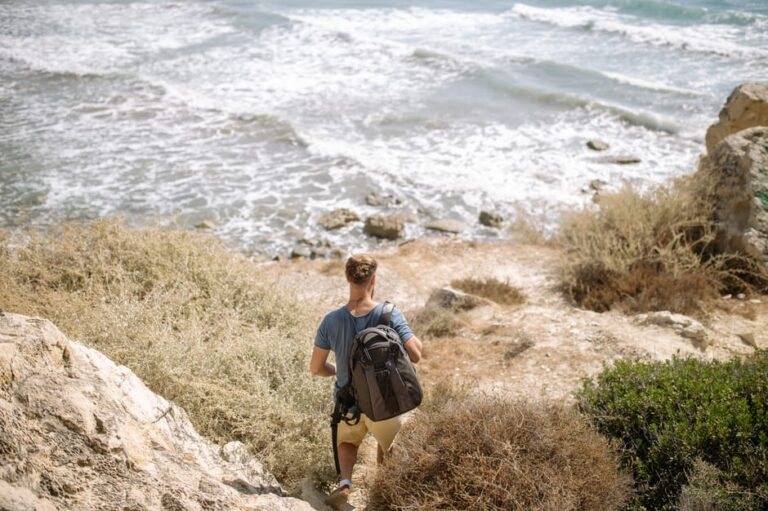

Best Travel Tips for Exploring Nature Destinations
Exploring nature destinations offers unforgettable experiences—from misty mountain trails to serene lakeside campsites. Whether you’re planning a weekend hike or a multi-day trek, knowing the right strategies can make your adventure safer, more enjoyable, and environmentally responsible. The best travel tips for exploring nature destinations focus on preparation, safety, sustainability, and smart gear choices. With thoughtful planning, you can minimize risks, reduce your impact, and fully immerse yourself in the natural world.
Plan Ahead with Research and Itineraries
Thorough preparation is the foundation of any successful nature trip. Start by researching your destination’s terrain, weather patterns, and local regulations. National parks, forest reserves, and wilderness areas often have specific rules about permits, campfires, and wildlife interactions.
Create a detailed itinerary that includes trail maps, emergency contacts, and estimated travel times. Share this plan with a trusted friend or family member. In remote areas, cell service may be unreliable, so having a physical map and compass is essential.
Check Seasonal Conditions and Trail Status
Weather can change rapidly in natural environments. A sunny morning in the Rockies can turn into a thunderstorm by afternoon. Always check recent trail reports and park alerts before departure. For example, trails in Yellowstone may close due to bear activity or snowmelt flooding.
Traveling during shoulder seasons—spring and fall—often means fewer crowds and milder weather. However, some high-elevation trails may still be snow-covered in early spring. Always verify accessibility and pack accordingly.
Understand Local Wildlife and Safety Protocols
Wildlife encounters are a real possibility in nature destinations. Learn how to store food properly using bear-resistant containers or bear bags. In areas with bears, make noise while hiking to avoid surprising animals.
Carry bear spray if recommended for your destination. In the U.S., parks like Glacier and Yosemite require hikers to carry it on certain trails. Know how to use it—practice removing it from the holster and aiming downwind.
Pack Smart: Gear Essentials for Outdoor Adventures
The right gear can mean the difference between comfort and crisis. Focus on lightweight, multi-use items that serve multiple purposes. A well-packed backpack should include navigation tools, shelter, warmth, hydration, and first aid.
Invest in quality footwear suited to the terrain. Hiking boots with ankle support are ideal for rocky or uneven trails, while trail runners work well on well-maintained paths. Break in new shoes before your trip to avoid blisters.
Use the 10 Essentials Checklist
The classic 10 Essentials system, developed by The Mountaineers, remains a trusted guide:
- Navigation (map, compass, GPS)
- Headlamp or flashlight (with extra batteries)
- Sun protection (sunglasses, sunscreen, hat)
- First aid supplies
- Knife or multi-tool
- Fire starter (matches, lighter, fire steel)
- Emergency shelter (tarp, bivy, or space blanket)
- Extra food
- Extra water and a filtration system
- Extra clothing (layers for warmth and rain protection)
Tailor this list to your trip length and environment. A day hike may require fewer items than a backcountry expedition.
Choose Sustainable and Durable Gear
Opt for gear made from recycled materials or by companies with strong environmental ethics. Brands like Patagonia and Cotopaxi prioritize sustainability without sacrificing performance.
Avoid single-use plastics. Use reusable water bottles, food containers, and utensils. A lightweight silicone food bag can replace plastic zip-tops and reduce waste.
Practice Leave No Trace Principles
Responsible travel protects the very landscapes you come to enjoy. The Leave No Trace Center for Outdoor Ethics outlines seven principles every nature traveler should follow.
Plan ahead and prepare, travel and camp on durable surfaces, and dispose of waste properly. These actions reduce erosion, protect water sources, and preserve habitats.
Pack Out All Trash—Even Biodegradable Items
While apple cores and orange peels decompose, they can attract wildlife and alter animal behavior. Pack out all food scraps, including fruit peels and nut shells.

Use a small trash bag or dedicated “garbage stuff sack” in your pack. Even tissues and wet wipes should be carried out—they don’t break down quickly in cold or dry climates.
Respect Wildlife and Keep Your Distance
Observe animals from a safe distance using binoculars or a zoom lens. Never feed wildlife—human food is unhealthy for animals and can make them dependent on people.
Store food and scented items (toothpaste, deodorant) securely. In bear country, use designated food lockers or hang food at least 10 feet off the ground and 4 feet from tree trunks.
Stay Safe with Smart Navigation and Communication
Getting lost is one of the most common risks in nature travel. Always carry a physical map and compass, even if you rely on GPS. Batteries die, and signals drop.
Learn basic orienteering skills. Practice using your map and compass before your trip. Identify landmarks, contour lines, and trail junctions to stay oriented.
Use GPS Apps Wisely
Apps like Gaia GPS, AllTrails, and CalTopo offer detailed offline maps and route tracking. Download maps in advance and carry a power bank.
Enable airplane mode to conserve battery when not actively navigating. GPS uses significant power, especially in cold weather.
Carry a Personal Locator Beacon (PLB) for Remote Trips
For extended or solo trips in remote areas, a PLB or satellite messenger like Garmin inReach can be a lifesaver. These devices send distress signals to emergency responders via satellite.
Register your device and test it before departure. Know how to send an SOS and provide your location coordinates.
Dress for Success: Layering and Weather Protection
Layering is key to staying comfortable in changing conditions. Use a three-layer system: base, insulating, and outer shell.
The base layer wicks moisture away from your skin. Choose synthetic fabrics or merino wool—avoid cotton, which retains water and causes chills.
Insulating and Outer Layers
Mid-layers like fleece or down jackets provide warmth. Down is lightweight and warm but loses insulation when wet. Synthetic insulation performs better in damp conditions.
The outer shell should be waterproof and breathable. A quality rain jacket protects against wind and precipitation while allowing sweat to escape.
Protect Extremities
Wear a hat, gloves, and moisture-wicking socks. In cold weather, a beanie can prevent significant heat loss. In sunny climates, a wide-brimmed hat shields your face and neck.
Change socks during long hikes to prevent blisters. Consider liner socks under hiking socks for added comfort and moisture control.
Hydration and Nutrition on the Trail
Staying hydrated is critical, especially at high altitudes or in hot climates. Drink water regularly, even if you don’t feel thirsty. Dehydration can lead to fatigue, dizziness, and impaired judgment.
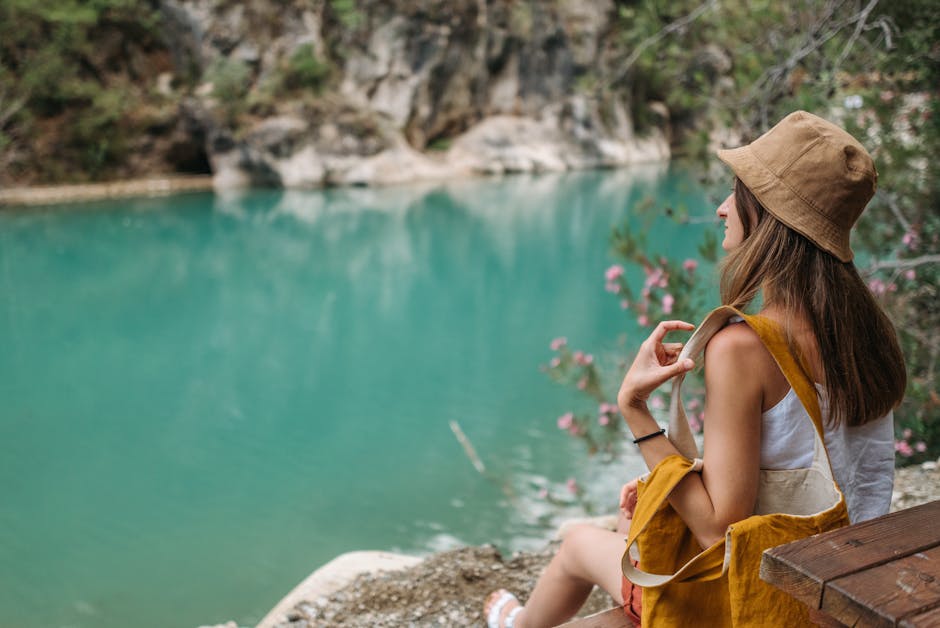
Carry at least 2 liters of water for a full-day hike. In longer trips, use a water filter or purification tablets to refill from natural sources.
Choose Lightweight, High-Energy Foods
Pack calorie-dense, non-perishable foods like nuts, dried fruit, energy bars, and jerky. Avoid heavy canned goods.
For multi-day trips, consider dehydrated meals that only require hot water. Brands like Mountain House and Good To-Go offer lightweight, tasty options.
Avoid Overeating or Skipping Meals
Eating small, frequent snacks helps maintain energy levels. Skipping meals can lead to low blood sugar and reduced endurance.
Bring extra food—at least one extra day’s worth—in case your trip is delayed by weather or injury.
Know Your Limits and Build Experience Gradually
Nature travel rewards patience and preparation. Don’t attempt a challenging trail beyond your fitness level. Start with shorter, well-marked hikes and gradually increase difficulty.
Listen to your body. Pain, shortness of breath, or dizziness are warning signs. Turn back if conditions feel unsafe.
Train Before You Go
Build endurance with regular walks, stair climbing, or gym workouts. Practice hiking with a loaded backpack to simulate real conditions.
Focus on leg strength and cardiovascular fitness. Strong knees and ankles reduce injury risk on uneven terrain.
Travel with Experienced Companions
Beginners benefit from hiking with more experienced friends. They can offer guidance on navigation, gear, and emergency response.
If traveling solo, choose popular, well-maintained trails with regular foot traffic. Inform others of your plans and expected return time.
Respect Local Cultures and Regulations
Many nature destinations are on Indigenous lands or protected areas with cultural significance. Learn about local customs, sacred sites, and access restrictions.
In places like Utah’s Bears Ears National Monument or Canada’s Banff National Park, certain areas may be closed to protect archaeological sites or wildlife habitats.
Follow Park Rules and Permits
Some parks require permits for entry or camping. Reserve in advance—popular spots like Yosemite’s Half Dome or the Grand Canyon’s Bright Angel Trail fill up months ahead.
Stick to designated trails to prevent erosion and protect fragile ecosystems. Stepping off-trail can damage plant life and disturb wildlife.
Support Local Communities
Buy supplies from local outfitters and stay in nearby lodges or campgrounds. This supports the regional economy and reduces the carbon footprint of long supply chains.
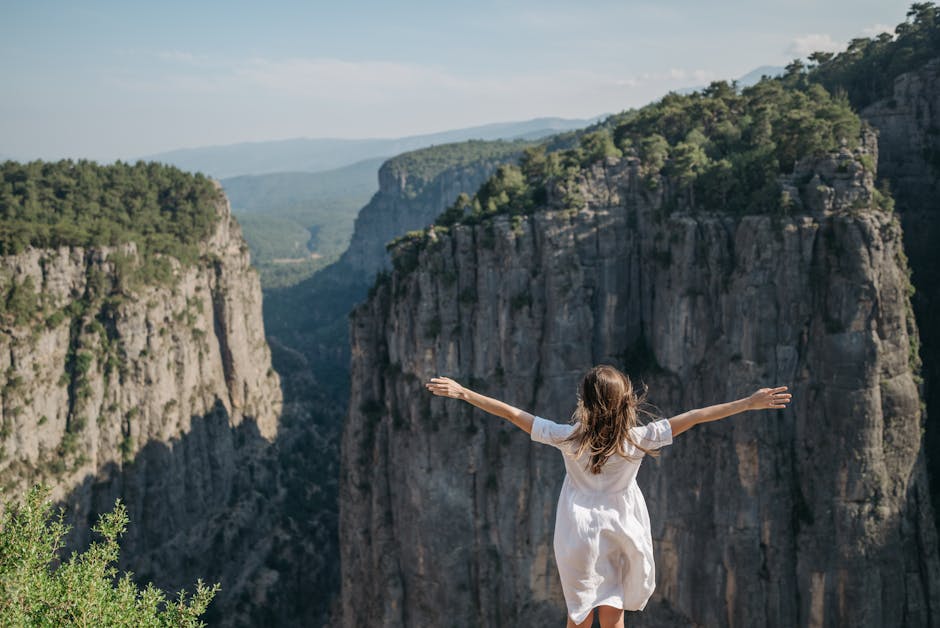
Hire local guides when appropriate. They offer valuable knowledge about trails, weather, and hidden gems.
Prepare for Emergencies and Know Basic First Aid
Even with careful planning, accidents can happen. Carry a well-stocked first aid kit and know how to use it.
Include bandages, antiseptic wipes, blister treatment, tweezers, and any personal medications. Add a small guidebook on wilderness first aid.
Recognize and Treat Common Injuries
Blisters, sprains, and cuts are common on the trail. Treat blisters early with moleskin or blister pads. Immobilize sprained ankles with a compression wrap.
For more serious injuries, stabilize the patient and seek help. Use your PLB or satellite messenger if evacuation is needed.
Know the Signs of Hypothermia and Heat Exhaustion
Hypothermia occurs when body temperature drops dangerously low. Symptoms include shivering, confusion, and slurred speech. Get the person to shelter, remove wet clothing, and provide warm drinks.
Heat exhaustion results from overheating and dehydration. Signs include heavy sweating, weakness, and nausea. Move to shade, hydrate, and cool the body with wet cloths.
Capture Memories Responsibly
Photography enhances the travel experience, but it should never compromise safety or ethics. Avoid risky poses near cliffs or wildlife.
Use a zoom lens to photograph animals from a distance. Never chase or bait wildlife for a better shot.
Minimize Digital Distractions
While it’s tempting to share photos in real time, constant phone use detracts from the experience. Designate times to check messages or post updates.
Consider a digital detox—leave the phone in airplane mode and focus on the sights, sounds, and smells around you.
Final Thoughts: Travel with Purpose and Respect
The best travel tips for exploring nature destinations aren’t just about comfort—they’re about responsibility. By preparing thoroughly, packing wisely, and respecting the environment, you ensure that these wild places remain accessible and pristine for future generations.
Nature rewards those who approach it with humility and care. Whether you’re standing at the edge of a canyon or listening to the silence of a forest at dawn, the experience is deeper when you travel mindfully.
FAQ
What should I pack for a day hike in a national park?
Bring the 10 Essentials: navigation tools, sun protection, first aid, extra food and water, layers of clothing, a headlamp, fire starter, knife, emergency shelter, and a way to treat water. Tailor the list to the trail length and weather.
How can I stay safe while hiking alone?
Tell someone your itinerary and expected return time. Carry a map, compass, and PLB. Choose well-traveled trails, avoid risky weather, and trust your instincts—turn back if something feels unsafe.
Is it okay to feed wildlife during a nature trip?
No. Feeding wildlife is dangerous for both animals and humans. It alters natural behaviors, spreads disease, and can lead to aggressive encounters. Always store food securely and observe animals from a distance.