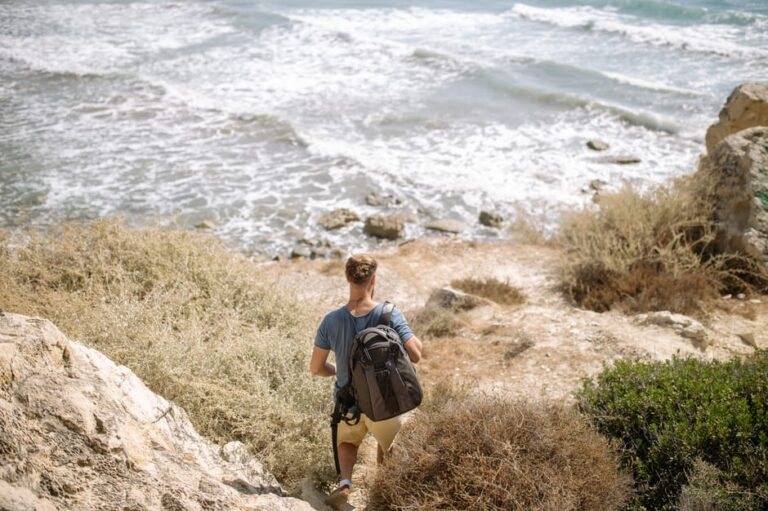

Travel Tips Guide with Adventure Travel Advice
Planning an adventure trip? Whether you’re trekking through Patagonia, kayaking in Thailand, or exploring remote villages in Nepal, a solid travel plan makes all the difference. This guide delivers practical, field-tested advice to help you prepare safely and travel smart. From packing essentials to navigating local customs, you’ll find clear steps to maximize your experience and minimize risks. Adventure travel rewards preparation—start here.
How to Prepare for Your Adventure Trip
Preparation begins weeks before departure. Research your destination thoroughly, focusing on weather patterns, terrain, and local regulations. For example, hiking in the Andes requires acclimatization plans, while jungle treks in Costa Rica demand insect protection and waterproof gear.
Create a checklist tailored to your activity. A mountain climb needs crampons and layered clothing; a desert safari calls for sun protection and extra water. Always verify visa requirements and vaccination recommendations with official sources like the CDC or WHO.
Build a Realistic Itinerary
Overambitious schedules lead to burnout. Allow buffer days for weather delays or unexpected discoveries. A 10-day trek in the Himalayas should include rest days for altitude adjustment.
Share your itinerary with someone at home. Include contact details for local guides and emergency services. In remote areas, consider satellite communicators like Garmin inReach for reliable check-ins.
Get the Right Gear
Invest in quality, not quantity. A durable backpack, moisture-wicking clothing, and reliable footwear are non-negotiable. Test all gear before departure—blisters on day one can ruin a week-long journey.
Rent specialized equipment when possible. Climbing ropes, snorkels, or GPS units are often available locally, saving weight and cost. Always carry a basic repair kit: duct tape, zip ties, and a multi-tool cover most emergencies.
Staying Safe While Traveling
Safety starts with awareness. Know your limits—pushing too hard in extreme conditions leads to accidents. In 2022, over 60% of mountain rescue operations in the Alps involved inexperienced hikers ignoring weather warnings.
Stay hydrated and nourished. Dehydration impairs judgment faster than fatigue. Carry electrolyte tablets and high-calorie snacks like nuts or energy bars. Avoid drinking untreated water—even in remote villages, bottled or filtered water is safer.
Understand Local Risks
Every region has unique hazards. In Southeast Asia, dengue fever is a concern; in East Africa, malaria prophylaxis is essential. Check government travel advisories for up-to-date safety alerts.
Be cautious with transportation. In countries where traffic laws are loosely enforced, avoid night driving. Use reputable tour operators—ask for certifications and read recent reviews.
Travel Insurance Is Non-Negotiable
Standard health plans rarely cover adventure activities. Purchase a policy that includes medical evacuation, trip cancellation, and coverage for high-risk pursuits like rock climbing or scuba diving.
Keep digital and printed copies of your policy. Store emergency numbers in your phone and wallet. In a crisis, quick access to insurance details speeds up assistance.
Packing Smart for Adventure Travel
Pack light but complete. A 40–50 liter backpack suits most multi-day trips. Use packing cubes to organize clothes and gear. Roll garments instead of folding to save space and reduce wrinkles.
Prioritize versatility. A merino wool base layer works for cold mornings and cool evenings. Quick-dry pants double as hiking and casual wear. Limit shoes to two pairs: one for activity, one for camp.
Essential Items to Bring
- First-aid kit with blister treatment, antiseptic, and pain relievers
- Water purification tablets or filter
- Sunscreen and lip balm with SPF
- Headlamp with extra batteries
- Lightweight towel and biodegradable soap
Leave non-essentials behind. Jewelry, expensive electronics, and excess cash increase theft risk. Use a money belt for important documents and emergency funds.
Respecting Local Cultures and Environments
Adventure travel often brings you into close contact with local communities. Learn basic phrases in the local language—even “hello” and “thank you” build goodwill.
Dress modestly where appropriate. In rural Morocco or Bhutan, revealing clothing can offend. Ask before photographing people or sacred sites.
Practice Leave-No-Trace Principles
Pack out all trash, including food scraps and toilet paper. Use established campsites to minimize environmental impact. In sensitive ecosystems like coral reefs, avoid touching marine life.
Support local economies. Buy meals from family-run restaurants, hire local guides, and choose eco-certified lodges. Your spending directly benefits conservation and community development.
Managing Health on the Road
Pre-trip medical checkups prevent surprises. Discuss your itinerary with a travel medicine specialist. They can recommend vaccines, malaria pills, or altitude sickness medication.
Carry a personal health record. Include allergies, blood type, and current medications. In remote areas, this information can be life-saving.
Dealing with Common Travel Ailments
Motion sickness? Try ginger supplements or acupressure bands. For traveler’s diarrhea, stay hydrated and use oral rehydration salts. Avoid raw vegetables and unpeeled fruit in high-risk regions.
Altitude sickness symptoms include headache, nausea, and dizziness. Ascend gradually—no more than 300–500 meters per day above 2,500 meters. Descend immediately if symptoms worsen.
Staying Connected and Documenting Your Journey
Wi-Fi is unreliable in remote areas. Download offline maps, translation apps, and guidebooks before departure. Google Maps and Maps.me offer detailed offline navigation.
Use a lightweight camera or smartphone with a protective case. Cloud backups ensure photos aren’t lost if your device is damaged. Consider a portable charger for long days off-grid.
Share Responsibly
Posting real-time location updates can alert thieves to your absence. Wait until you’ve left an area before sharing photos. Avoid geotagging sensitive natural or cultural sites.
Write a travel journal. Beyond photos, notes on local customs, meals, and conversations preserve memories that fade over time.
Budgeting for Adventure Travel
Adventure trips can be affordable with smart planning. Flights often cost the most—use fare comparison tools and be flexible with dates. Consider alternative airports or overnight layovers to save.
Accommodation varies widely. Hostels, homestays, and camping reduce costs. In Peru, a night in a mountain lodge may cost $30, while a guided Inca Trail trek runs $500–$800 per person.
Hidden Costs to Anticipate
Permits and park fees add up. Nepal’s Annapurna Circuit requires a TIMS card and conservation permit totaling $50. Gear rentals, tips for guides, and emergency transport aren’t always included in tour prices.
Carry a mix of payment methods. Credit cards work in cities, but cash is king in rural markets. Notify your bank of travel plans to avoid card blocks.
Choosing the Right Adventure Tour Operator
Not all tour companies are equal. Look for operators with strong safety records, local partnerships, and transparent pricing. Read reviews on independent platforms like TripAdvisor or Trustpilot.
Ask about group size. Smaller groups (6–10 people) allow for more personalized attention and flexibility. Larger tours may cut corners on safety or environmental practices.
Red Flags to Avoid
Avoid companies that don’t provide written itineraries or safety briefings. Unlicensed guides may lack training in first aid or emergency response. If a deal seems too good to be true, it likely is.
Verify insurance coverage. Reputable operators carry liability insurance and have evacuation plans. Ask how they handle medical emergencies or route changes due to weather.
Post-Trip: Recovery and Reflection
Adventure travel is physically demanding. Allow time to rest after returning home. Hydrate, stretch, and consider a light workout to ease back into routine.
Review your experience. What worked well? What would you change? Notes help refine future trips. Share feedback with tour operators—constructive criticism improves services for others.
Stay Engaged with the Travel Community
Join online forums or local hiking clubs. Experienced travelers offer valuable insights and trip ideas. Volunteering with conservation groups extends your impact beyond the journey.
Adventure travel isn’t just about destinations—it’s about growth, connection, and resilience. With the right preparation, every trip becomes a story worth telling.
FAQ
What should I pack for a week-long hiking trip?
Focus on lightweight, layered clothing, a quality backpack, sturdy boots, a first-aid kit, water purification, and navigation tools. Test all gear before departure.
Is travel insurance really necessary for adventure trips?
Yes. Standard plans don’t cover high-risk activities or medical evacuation. A specialized policy protects you financially and ensures access to emergency care.
How can I stay safe while traveling alone in remote areas?
Share your itinerary, carry a satellite communicator, avoid night travel, and stick to established routes. Trust your instincts and prioritize well-being over itinerary.