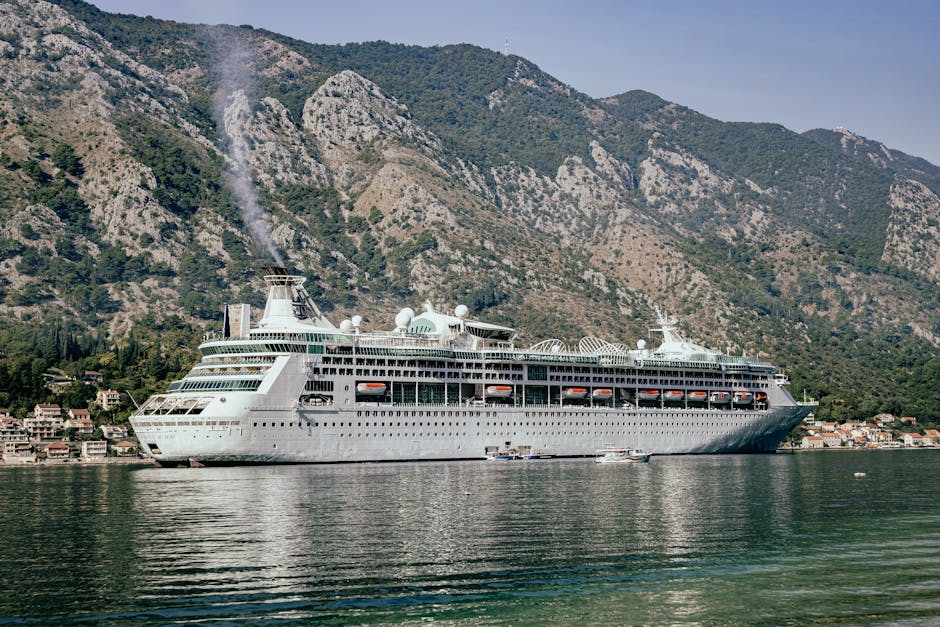
Best Travel Destinations for Cruise Travel Experiences
Looking for unforgettable cruise travel experiences? The world’s top cruise destinations combine stunning coastlines, rich cultures, and seamless onboard comfort. Whether you’re drawn to tropical beaches, historic ports, or dramatic fjords, choosing the right destination sets the tone for your entire voyage. From the turquoise waters of the Caribbean to the ancient wonders of the Mediterranean, this guide highlights the best travel destinations for cruise travel experiences—each offering unique shore excursions, local flavors, and scenic beauty that make cruising more than just a trip, but a journey of discovery.
Why Cruising Offers Unique Travel Experiences
Cruising isn’t just about getting from one place to another—it’s about experiencing multiple destinations with minimal hassle. Unlike traditional travel, where packing and unpacking define your rhythm, a cruise lets you wake up in a new port each morning without changing hotels. This convenience allows travelers to explore diverse regions efficiently, often with guided tours, onboard entertainment, and all-inclusive amenities.
Modern cruise ships are floating resorts, equipped with spas, fine dining, and enrichment programs. Yet the real magic lies in the destinations themselves. Each stop offers cultural immersion, from sampling street food in Southeast Asia to walking through centuries-old European towns. Cruises also provide access to remote or hard-to-reach locations, such as Alaskan glaciers or Greek islands, making them ideal for travelers seeking both adventure and relaxation.
Top Cruise Destinations Around the World
The Caribbean: Sun, Sand, and Island Vibes
The Caribbean remains the most popular cruise destination, and for good reason. With over 700 islands, it offers a mix of white-sand beaches, vibrant cultures, and crystal-clear waters. Major cruise lines like Royal Caribbean, Carnival, and Norwegian Cruise Line operate year-round routes here, visiting ports such as Nassau, St. Thomas, and Cozumel.
Eastern Caribbean itineraries often include stops in the U.S. Virgin Islands and Puerto Rico, where visitors can explore historic forts, snorkel coral reefs, or hike through rainforests. Western Caribbean cruises typically head to Mexico’s Yucatán Peninsula, offering access to Mayan ruins like Chichén Itzá and the underwater sculpture park in Cancún.
For a more exclusive experience, consider a southern Caribbean cruise. These routes visit lesser-known islands like Aruba, Bonaire, and Curacao, known for their Dutch colonial architecture, desert landscapes, and world-class diving. The region’s consistent warm weather and calm seas make it ideal for families and first-time cruisers.
The Mediterranean: History, Culture, and Coastal Beauty
The Mediterranean is a favorite among travelers seeking a blend of history, cuisine, and coastal scenery. Cruises here often depart from Barcelona, Rome, or Athens, with stops in iconic cities like Naples, Dubrovnik, and Santorini. These ports offer a rich tapestry of ancient ruins, art museums, and local markets.
Western Mediterranean itineraries focus on Italy and France, with visits to ports such as Livorno (gateway to Florence), Civitavecchia (Rome), and Marseille. Eastern Mediterranean cruises venture into Greece and Turkey, where passengers can explore the Acropolis, sail the Aegean Sea, or relax on Mykonos’ famous beaches.
One advantage of Mediterranean cruising is the variety of shore excursions. You might spend the morning touring Pompeii, enjoy a wine tasting in Tuscany in the afternoon, and dine on fresh seafood by the harbor in the evening. However, be aware that summer months can be crowded and hot—shoulder seasons like May and September offer more comfortable weather and fewer tourists.
Alaska: Wilderness and Wildlife
For nature lovers, Alaska offers some of the most dramatic cruise travel experiences on Earth. Glaciers calve into icy waters, humpback whales breach near the ship, and bald soar overhead. Most Alaskan cruises depart from Seattle or Vancouver and travel through the Inside Passage, a network of fjords and islands.
Key ports include Juneau, Skagway, and Ketchikan. Juneau provides access to the Mendenhall Glacier and opportunities for whale watching. Skagway is a historic gold rush town with scenic train rides into the mountains. Ketchikan, known as the “Salmon Capital of the World,” offers cultural experiences with the Tlingit people and rainforest hikes.
Alaska cruises are typically 7 to 10 days long and run from May to September. While the weather can be unpredictable, layers and waterproof gear are essential. Wildlife sightings are common, but patience is key—nature doesn’t follow a schedule. These voyages are best suited for travelers who appreciate raw beauty and outdoor adventure.
Northern Europe and the Baltic: Castles, Canals, and Cobblestones
Northern Europe and the Baltic region offer a different kind of cruise experience—one steeped in history, architecture, and maritime tradition. Cruises here often begin in Copenhagen or Stockholm and visit capitals like Helsinki, Tallinn, and St. Petersburg.
St. Petersburg is a highlight, with its opulent palaces, the Hermitage Museum, and evening canal tours. Helsinki charms with its Art Nouveau design and seaside parks. Tallinn’s medieval Old Town feels like stepping back in time, with cobblestone streets and Gothic spires.
These itineraries are popular in the summer when the days are long and the weather mild. Some cruises extend into the Norwegian fjords, adding dramatic waterfalls and mountain scenery. While the region is more expensive than others, the cultural depth and scenic variety make it a rewarding choice for curious travelers.
Asia: Temples, Markets, and Modern Marvels
Asia is emerging as a premier cruise destination, blending ancient traditions with futuristic cities. Popular routes include Southeast Asia, with stops in Bangkok, Ho Chi Minh City, and Singapore, as well as East Asia, featuring Tokyo, Shanghai, and Hong Kong.
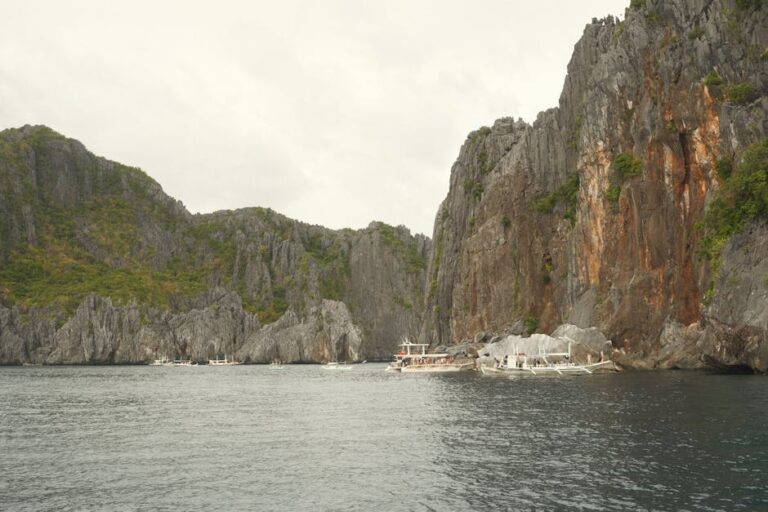
Southeast Asian cruises often begin in Singapore, a global hub with world-class dining and shopping. From there, ships may visit Vietnam’s Halong Bay, known for its limestone karsts, or Cambodia’s Sihanoukville, a gateway to the beaches of the Gulf of Thailand. These ports offer rich cultural experiences, from floating markets to temple complexes.
East Asian itineraries focus on China and Japan. Shanghai impresses with its skyline and French Concession, while Tokyo offers a mix of tradition and innovation. Cruises may also include stops in Okinawa or Busan, South Korea. Language barriers and cultural differences can be challenging, but guided tours and onboard cultural briefings help bridge the gap.
Australia and New Zealand: Coastlines and Culture
Down under, Australia and New Zealand offer diverse cruise experiences, from cosmopolitan cities to untouched wilderness. Australian cruises often start in Sydney or Melbourne and travel along the coast to Brisbane, Cairns, and the Great Barrier Reef.
The Great Barrier Reef is a major draw, with snorkeling and diving opportunities in one of the world’s most biodiverse marine environments. Cairns also serves as a base for exploring the Daintree Rainforest and the Atherton Tablelands. New Zealand itineraries typically begin in Auckland or Christchurch and include ports like Wellington, Dunedin, and Fiordland National Park.
New Zealand’s fjords, especially Milford Sound, are among the most scenic in the world. The region’s mild climate and friendly locals make it welcoming for travelers. However, distances between ports can be long, so longer cruises (10+ days) are recommended to fully appreciate the journey.
How to Choose the Right Cruise Destination
Consider Your Travel Style
Your ideal cruise destination depends on what you want from your trip. Are you seeking relaxation, adventure, culture, or a mix? Families with children may prefer the Caribbean for its calm waters and kid-friendly activities. Couples might enjoy the romance of a Mediterranean sunset cruise. Solo travelers often appreciate the social atmosphere of larger ships and group excursions.
Adventure seekers should look toward Alaska or New Zealand, where hiking, kayaking, and wildlife encounters are common. Culture enthusiasts will find the Mediterranean and Asia rich in historical sites and local traditions. Think about your pace—some travelers prefer short port stops with quick tours, while others enjoy overnight stays in major cities.
Factor in Season and Weather
Timing is crucial when planning a cruise. The Caribbean is warm year-round, but hurricane season runs from June to November, with peak risk in August and September. The Mediterranean is best visited in spring or fall to avoid summer crowds and heat. Alaska cruises are limited to the summer months when ports are accessible and wildlife is active.
Northern Europe is ideal from June to August, when the weather is mild and daylight lasts well into the evening. Asia’s climate varies widely—Southeast Asia is hot and humid year-round, while Japan has distinct seasons, with cherry blossoms in spring and colorful foliage in autumn. Research regional weather patterns before booking.
Budget and Itinerary Length
Cruise prices vary significantly by destination, duration, and cruise line. Caribbean and Bahamas cruises are often the most affordable, with 3- to 7-day options available. Mediterranean and Alaska cruises tend to be more expensive due to longer distances and premium shore excursions.
Longer itineraries (10+ days) offer better value per day and allow for deeper exploration. However, they require more vacation time and a higher upfront cost. Consider all-inclusive packages that cover drinks, gratuities, and excursions to avoid surprise expenses. Booking early or during sales can also reduce costs.
Tips for Maximizing Your Cruise Travel Experience
Plan Shore Excursions in Advance
Popular tours often sell out quickly, especially in high-demand ports like Santorini or Juneau. Booking excursions through your cruise line ensures reliability and often includes transportation and guides. However, independent tours can be cheaper and more flexible—just confirm meeting points and return times.
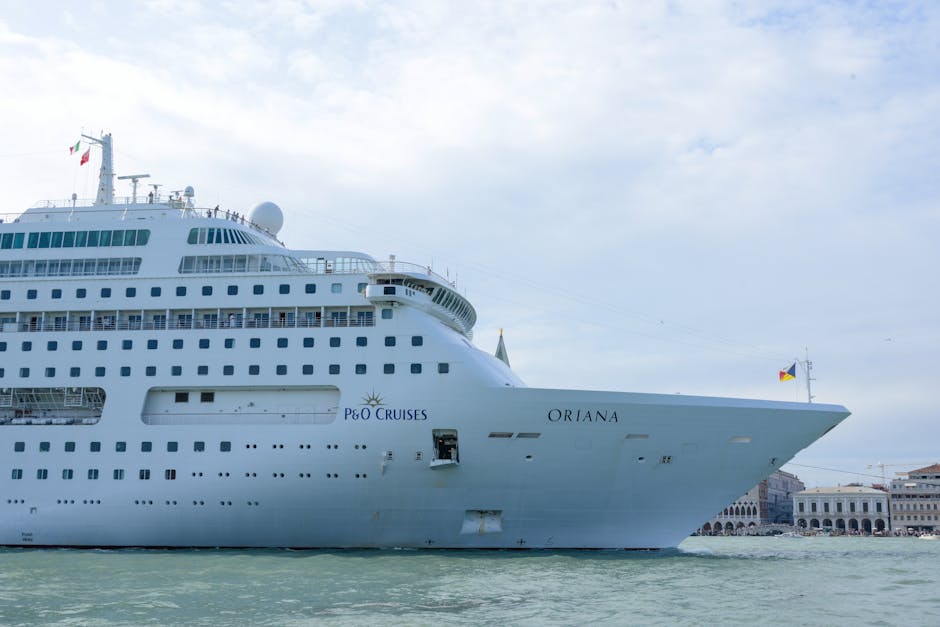
Research each port ahead of time. Some destinations, like St. Petersburg, require visas or special documentation. Others, like Venice, have restrictions on large ships, which may anchor offshore and use tender boats. Knowing what to expect helps you pack appropriately and manage your time.
Pack Smart and Prepare for Variability
Cruise packing is different from land travel. Bring layers, especially for Alaska or Northern Europe, where temperatures can shift quickly. Waterproof jackets, comfortable walking shoes, and sun protection are essentials. Don’t forget formal attire for cruise ship dinners or themed nights.
Medications, travel documents, and a small daypack for excursions should go in your carry-on. Check your cruise line’s dress code and prohibited items list. Some ships have strict policies on alcohol, drones, or certain electronics.
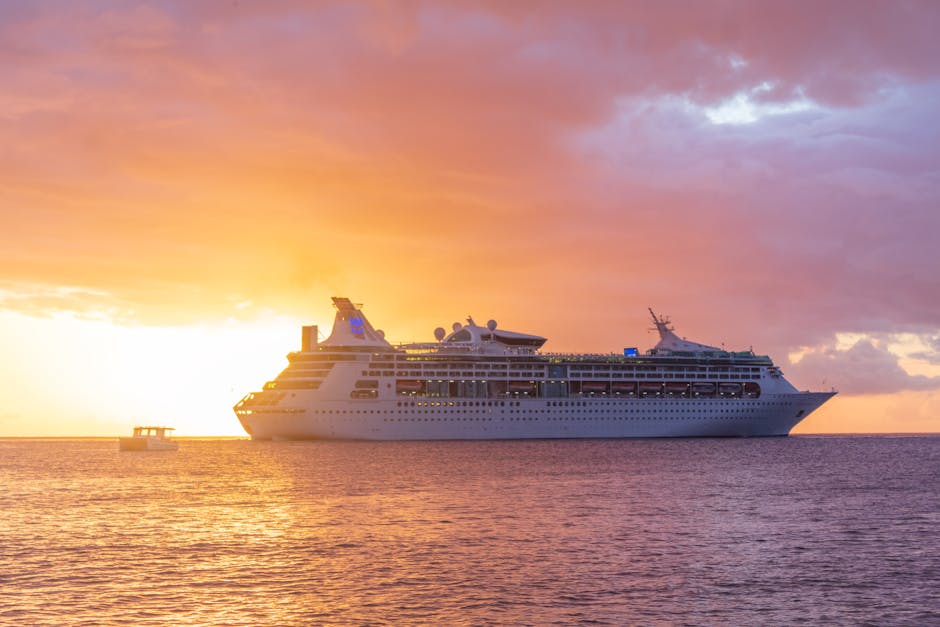
Stay Flexible and Open-Minded
Even the best-planned cruises can face delays due to weather, port congestion, or mechanical issues. Ships may skip ports or alter itineraries for safety. While frustrating, these changes are often beyond anyone’s control. Use the extra time to relax onboard, try a new activity, or connect with fellow passengers.
Embrace the unexpected. A missed tour might lead to a spontaneous walk through a local market. A cloudy day in Alaska could still offer a breathtaking glacier view. Cruising rewards those who stay curious and adaptable.
What to Expect Onboard
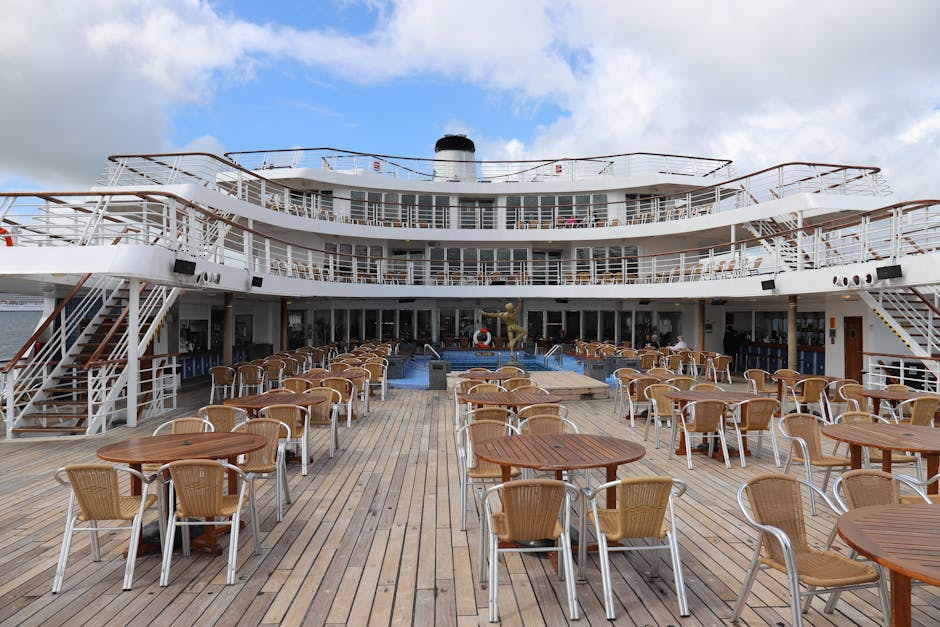
Modern cruise ships are designed for comfort and entertainment. Most offer multiple dining venues, from casual buffets to specialty restaurants. Entertainment includes live shows, casinos, pools, and fitness centers. Many ships now feature Wi-Fi, though speeds can vary, especially in remote areas.
Service is generally excellent, with attentive staff and daily housekeeping. Tipping policies vary—some lines include gratuities in the fare, while others suggest daily amounts. Check your cruise line’s policy before departure.
Onboard activities often reflect the destination. Mediterranean cruises may feature cooking classes with regional recipes, while Alaskan voyages might include naturalist lectures. These enrich the travel experience and deepen your connection to the places you visit.
Final Thoughts on Cruise Travel Experiences
The best travel destinations for cruise travel experiences offer more than just beautiful views—they provide meaningful connections to people, places, and cultures. Whether you’re sailing through the fjords of Alaska, exploring the ancient streets of Dubrovnik, or relaxing on a private island in the Caribbean, each journey is unique.
Choosing the right destination depends on your interests, budget, and travel style. With careful planning and an open mind, a cruise can be one of the most rewarding ways to see the world. From the convenience of unpacking once to the thrill of discovering new horizons, cruising offers a travel experience like no other.
FAQ
What is the best time of year to go on a cruise?
The best time depends on your destination. The Caribbean is ideal year-round but avoid hurricane season (June–November). The Mediterranean is best in spring or fall, while Alaska cruises run from May to September. Northern Europe is most pleasant in summer.
Are cruises suitable for families with young children?
Yes, many cruise lines offer family-friendly amenities like kids’ clubs, water parks, and supervised activities. The Caribbean and Bahamas are particularly popular for families due to calm waters and short itineraries.
Do I need a passport for a cruise?
It depends on your itinerary. Closed-loop cruises (departing and returning to the same U.S. port) may only require a government-issued ID, but a passport is strongly recommended. International cruises always require a valid passport and possibly visas.