Best Nature Travel Destinations for Peaceful Escapes
If you’re craving quiet, natural beauty and a break from the noise of daily life, the world offers countless serene destinations. The best nature travel destinations for peaceful escapes combine untouched landscapes, minimal crowds, and opportunities for reflection. Whether it’s misty mountains, secluded lakes, or silent forests, these spots provide the calm many travelers seek. This guide highlights top locations where you can reconnect with nature—without sacrificing comfort or safety.
Why Choose a Peaceful Nature Escape?
Modern life often leaves little room for stillness. Constant connectivity, urban noise, and packed schedules can lead to mental fatigue. A peaceful nature getaway offers a reset—both mentally and physically. Studies show that spending time in natural settings lowers cortisol levels, improves mood, and enhances focus.
Unlike bustling tourist hotspots, quiet nature destinations encourage mindfulness. You’re more likely to hear birdsong than traffic, and see stars instead of streetlights. These experiences aren’t just relaxing—they’re restorative.
Top Quiet Nature Destinations Around the World
1. Faroe Islands, Denmark
The Faroe Islands sit between Iceland and Norway, offering dramatic cliffs, grass-roof villages, and near-endless solitude. With a population under 50,000, this archipelago feels refreshingly uncrowded. Hiking trails wind through emerald valleys and past crashing waterfalls, often with no one else in sight.
Visit in late spring or early autumn for mild weather and fewer visitors. The village of Gásadalur, with its iconic waterfall dropping into the sea, is a must-see. Stay in a local guesthouse to support sustainable tourism and enjoy home-cooked meals with islanders.
2. Lofoten Islands, Norway
Known for jagged peaks, fjords, and fishing villages, the Lofoten Islands are a haven for those seeking tranquility. Despite their popularity among photographers, many areas remain quiet—especially outside summer.
Rent a cabin in Reine or Å and wake up to views of the Norwegian Sea. Kayak through calm fjords at dawn, or hike to Reinebringen for a panoramic summit view. In winter, the Northern Lights add magic to the already serene landscape.
3. Patagonia, Chile & Argentina
Patagonia spans the southern tip of South America and is one of Earth’s last truly wild regions. Torres del Paine National Park in Chile and Los Glaciares National Park in Argentina offer vast, open spaces and minimal infrastructure.
Trek the W Circuit in Torres del Paine for five days of solitude and jaw-dropping scenery. Stay in eco-lodges that blend into the environment. Be prepared for unpredictable weather—pack layers and waterproof gear. This is not a destination for luxury, but for raw, unfiltered peace.
4. Bhutan
Bhutan measures Gross National Happiness, not just GDP. This Himalayan kingdom limits tourism through a daily tariff, ensuring low visitor numbers and preserved culture. The result? Quiet mountain trails, ancient monasteries, and deep spiritual calm.
Hike to the Tiger’s Nest Monastery, perched on a cliff 3,000 feet above the Paro Valley. Stay in family-run guesthouses and participate in local festivals if your timing aligns. Respect local customs—dress modestly and avoid loud behavior.
5. Tasmania, Australia
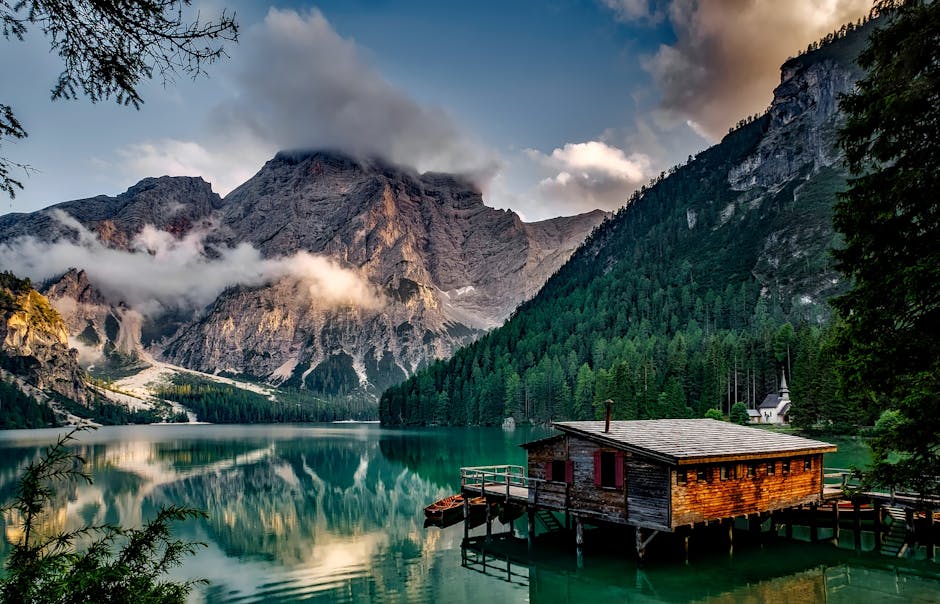
Tasmania is Australia’s best-kept secret for nature lovers. With over 40% of the island protected as national parks, it’s a sanctuary for wildlife and quiet exploration. Cradle Mountain-Lake St Clair National Park offers alpine lakes, ancient rainforests, and wombats roaming freely.
Walk the Dove Lake Circuit for an easy, scenic loop with mountain reflections. In autumn, the foliage turns golden, and the air grows crisp. Avoid peak summer months if you prefer solitude—December and January bring crowds.
6. Isle of Skye, Scotland
The Isle of Skye blends rugged coastline, fairy-tale rock formations, and misty moors. While parts of the island can get busy, early mornings and lesser-known trails offer peace. The Quiraing and the Old Man of Storr are iconic, but arrive before 8 a.m. to avoid tour buses.
Stay in a remote bothy or a small B&B in Portree. Bring a rain jacket—Scotland’s weather changes fast. The island’s Gaelic culture and slow pace of life enhance the sense of escape.
7. Svalbard, Norway
For the ultimate remote escape, Svalbard sits halfway between Norway and the North Pole. This Arctic archipelago is home to polar bears, glaciers, and endless summer daylight or winter darkness.
Visit in March for the Northern Lights and dog sledding, or in June for the midnight sun. Stay in Longyearbyen, the world’s northernmost town, and join guided snowmobile tours. Be aware: polar bear safety is essential—always travel with an armed guide outside settlements.
8. Azores, Portugal
The Azores are nine volcanic islands in the Atlantic, known for lush greenery, hot springs, and crater lakes. São Miguel, the largest island, offers the stunning Sete Cidades twin lakes—one blue, one green—nestled in a volcanic caldera.
Hike the trails around Furnas, where geothermal activity bubbles beneath your feet. Soak in natural hot springs at Terra Nostra Park. The islands are eco-conscious, with strict environmental protections—help preserve them by sticking to marked paths.
9. Raja Ampat, Indonesia
Raja Ampat, off Papua’s coast, is a marine paradise with over 1,500 islands and the most biodiverse coral reefs on Earth. While diving is the main draw, the islands themselves offer quiet beaches and jungle hikes.
Stay on a liveaboard boat or a small eco-resort on Misool Island. Snorkel with manta rays and swim in hidden lagoons. Access is limited—flights go through Sorong—which helps keep crowds low. Respect marine life: no touching coral or feeding fish.
10. Big Sur, California, USA
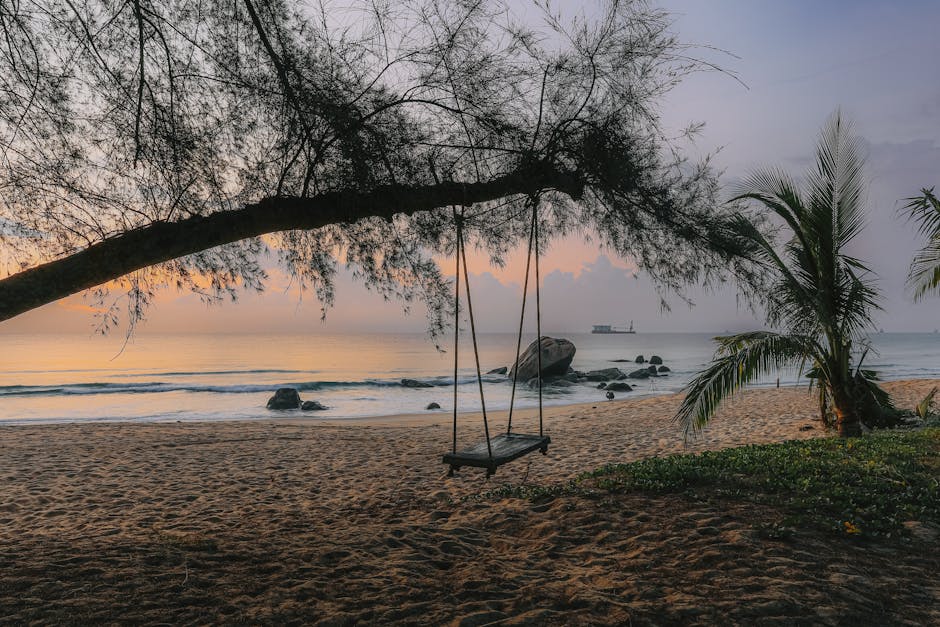
Big Sur’s rugged coastline along Highway 1 offers dramatic cliffs, redwood forests, and ocean views. While popular, early mornings and weekdays provide solitude. Pfeiffer Big Sur State Park has quiet trails through towering sequoias.
Stay at a rustic cabin or campground. Avoid summer weekends when traffic clogs the highway. Bring layers—fog rolls in quickly, even on sunny days. The Julia Pfeiffer Burns State Park waterfall is a quiet gem, especially at sunrise.
How to Choose the Right Peaceful Destination
Not all quiet destinations suit every traveler. Consider your preferences: Do you prefer mountains or coastlines? Hot springs or snow? Solitude or small communities?
Start by identifying what “peace” means to you. For some, it’s complete isolation. For others, it’s a quiet village with local charm. Research average visitor numbers and peak seasons. Use travel forums and recent reviews to gauge crowd levels.
Budget matters too. Some remote destinations, like Bhutan or Svalbard, require higher daily spending. Others, like Tasmania or Big Sur, offer more affordable options. Factor in flights, accommodations, and activities.
Tips for a Truly Peaceful Experience
Travel Off-Peak
Shoulder seasons—spring and autumn—often offer the best balance of good weather and fewer tourists. In mountain regions, late spring avoids snow closures. In tropical areas, avoid monsoon months.
For example, visit the Faroe Islands in May or September. In Patagonia, March offers autumn colors and fewer trekkers. Check local event calendars—festivals can draw crowds even in remote areas.
Choose Eco-Friendly Accommodations
Look for lodges and guesthouses with sustainability certifications. These often have smaller footprints, use local materials, and support community projects. In the Azores, many hotels run on geothermal energy.
Avoid large resorts that disrupt natural habitats. Instead, opt for family-run inns or cabins. They offer authenticity and a quieter atmosphere.
Limit Technology Use
True peace comes from disconnecting. Turn off notifications, store your phone, and embrace the silence. Bring a journal, a book, or simply sit and observe.
If you must stay connected, choose accommodations with limited Wi-Fi. Some eco-lodges in Patagonia or Bhutan offer no internet at all—lean into the digital detox.
Respect Local Cultures and Environments
Quiet destinations often have strong local traditions. Learn a few phrases in the local language. Dress appropriately, especially near religious sites.
Follow Leave No Trace principles: pack out trash, stay on trails, and avoid disturbing wildlife. In Svalbard, never approach polar bears. In Bhutan, walk clockwise around stupas.
What to Pack for a Peaceful Nature Escape
Pack light but smart. Essentials include sturdy hiking shoes, layered clothing, a reusable water bottle, and a first-aid kit. For remote areas, bring a portable charger and offline maps.
If you’re camping or staying in basic lodgings, consider a lightweight sleeping bag and travel towel. In tropical destinations, pack insect repellent and quick-dry clothing. In cold climates, invest in quality thermal wear.
Don’t forget a journal or sketchbook. Many travelers find that writing or drawing enhances their connection to nature. It also helps preserve memories without relying on photos.
Common Mistakes to Avoid
One mistake is overplanning. While research is important, rigid itineraries can reduce spontaneity. Leave room for quiet moments—sitting by a lake, watching a sunset, or simply resting.
Another pitfall is underestimating travel time. Remote destinations often require multiple connections. Build in buffer days for delays, especially in regions with unpredictable weather.
Avoid comparing your trip to social media posts. Quiet escapes aren’t about Instagram-worthy shots—they’re about personal renewal. Focus on how you feel, not how it looks.
Final Thoughts
The best nature travel destinations for peaceful escapes aren’t always the most famous—they’re the ones that let you breathe, reflect, and reconnect. From the Arctic silence of Svalbard to the misty hills of Skye, these places offer more than scenery. They offer stillness.
Choose a destination that aligns with your idea of peace. Travel mindfully, pack thoughtfully, and embrace the quiet. In a world that never stops moving, these escapes are more valuable than ever.
FAQ
What is the most peaceful nature destination for beginners?
Tasmania is ideal for first-time nature travelers. It’s safe, well-marked trails, English-speaking, and offers a mix of easy walks and comfortable accommodations.
How can I ensure my trip is truly peaceful?
Travel during off-peak times, avoid crowded attractions, and choose quiet accommodations. Limit screen time and plan downtime into your schedule.
Are these destinations safe for solo travelers?
Yes, most are safe for solo travelers, especially women. Research local customs, stay in reputable lodgings, and inform someone of your plans. In remote areas like Svalbard, always travel with a guide.