Nature Travel Guide with Exotic Natural Locations
Planning a trip to breathtaking natural wonders? This nature travel guide highlights some of the world’s most exotic natural locations, from hidden waterfalls to remote mountain ranges. Whether you’re drawn to vibrant coral reefs, ancient forests, or surreal deserts, these destinations offer unforgettable experiences. We’ll walk you through what makes each spot unique, how to get there, and essential tips to travel responsibly. With practical advice and real-world insights, this guide helps you explore the planet’s most stunning landscapes safely and sustainably.
Why Explore Exotic Natural Locations?
Traveling to remote and exotic natural locations offers more than just scenic views. These places often provide a sense of solitude, adventure, and connection to the planet’s raw beauty. Unlike crowded tourist hubs, these destinations invite deeper engagement with nature—whether through hiking, wildlife observation, or simply sitting in quiet awe.
Many of these sites are also ecologically sensitive. Visiting them with care helps preserve their integrity for future generations. Responsible travel means leaving no trace, respecting local communities, and supporting conservation efforts. When done right, nature travel can be both personally transformative and environmentally beneficial.
Top Exotic Natural Locations Around the World
1. Socotra Island, Yemen
Known as the “Galápagos of the Indian Ocean,” Socotra is home to otherworldly flora and fauna found nowhere else on Earth. The dragon’s blood tree, with its umbrella-shaped canopy, dominates the landscape and gives the island a surreal appearance.
Access is limited due to political instability, but guided tours from neighboring countries like Oman are available. Visitors should expect basic accommodations and limited infrastructure. Permits are required, and travel advisories should be checked before planning a trip.
2. Salar de Uyuni, Bolivia
The world’s largest salt flat stretches over 10,000 square kilometers in southwest Bolivia. During the rainy season, a thin layer of water transforms it into a giant mirror, reflecting the sky with stunning clarity.
Most visitors fly into Uyuni town and join guided 4×4 tours that include nearby geysers, lagoons, and rock formations. Altitude sickness is common—Uyuni sits at 3,656 meters above sea level. Drink plenty of water and allow time to acclimate.
3. Raja Ampat, Indonesia
This archipelago in West Papua is a marine paradise, boasting the highest recorded marine biodiversity on Earth. Coral reefs here are home to over 1,500 fish species and 600 types of coral.
Access is by boat from Sorong, with liveaboard trips or eco-resorts available. Snorkeling and diving are the main draws. Be aware that permits are required for foreign visitors, and fees support local conservation.
4. Zhangjiajie National Forest Park, China
Famous for its towering sandstone pillars that inspired the floating mountains in the movie Avatar, this park in Hunan Province offers dramatic hiking trails and glass walkways.
The park is accessible via Zhangjiajie Hehua Airport. Crowds can be heavy during peak seasons, so early morning visits are recommended. Cable cars help reduce hiking time, but some trails remain steep and require good fitness.
5. Lençórs Maranhenses, Brazil
This national park in northern Brazil features vast white sand dunes and crystal-clear freshwater lagoons that form during the rainy season. The contrast between sand and water creates a dreamlike landscape.
The best time to visit is between June and September, when the lagoons are full. Most travelers fly into São Luís and take a bus or 4×4 to Barreirinhas, the gateway town. Overnight stays in local pousadas offer a chance to experience regional culture.
6. Pamukkale, Turkey
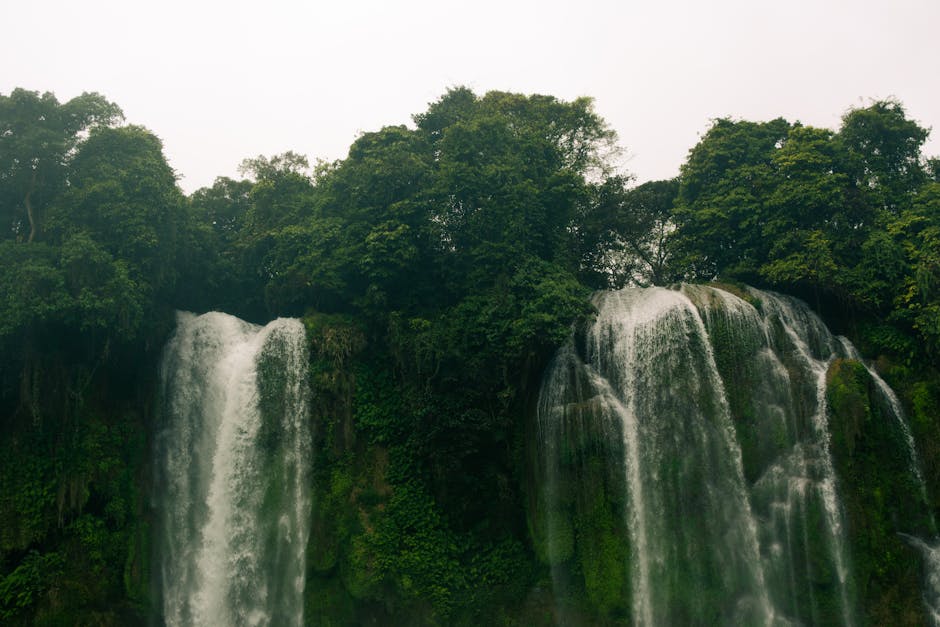
Known as the “Cotton Castle,” Pamukkale features terraced hot springs formed by mineral-rich thermal waters. The white travertine pools cascade down a hillside, creating a visually striking site.
The nearby ancient city of Hierapolis adds historical interest. Visitors can walk on designated paths to protect the fragile formations. Swim in the on-site Cleopatra Pool for an extra fee, but bring water shoes—the travertine can be sharp.
7. Faroe Islands, Denmark
This North Atlantic archipelago is known for dramatic cliffs, grass-roof houses, and sheep-filled landscapes. With a population under 50,000, the islands offer solitude and raw natural beauty.
Flights from Copenhagen or Iceland connect to Vágar Airport. Renting a car is the best way to explore. Weather changes quickly—pack layers and waterproof gear. Respect private property, as many areas are farmland.
How to Plan Your Nature Travel Adventure
Step 1: Choose the Right Destination
Start by identifying what kind of natural experience you want. Are you drawn to mountains, oceans, deserts, or forests? Consider climate, seasonality, and physical demands. For example, trekking in Patagonia requires stamina, while snorkeling in Raja Ampat demands comfort in open water.
Use travel forums, guidebooks, and official tourism sites to gather accurate information. Avoid relying solely on social media, which often highlights idealized moments without context.
Step 2: Research Entry Requirements and Permits
Many exotic natural locations require special permits or have restricted access. For instance, visiting the Galápagos Islands requires booking through a licensed tour operator and paying a conservation fee.
Check visa requirements, vaccination recommendations, and local regulations. Some countries mandate travel insurance or proof of return tickets. Delays in paperwork can derail your trip, so begin early.
Step 3: Book Responsible Accommodations
Look for eco-lodges, community-run guesthouses, or certified sustainable hotels. These options often have lower environmental impact and support local economies.
Avoid large resorts that disrupt natural habitats. In places like the Faroe Islands or Socotra, small-scale accommodations provide more authentic experiences and reduce strain on local resources.
Step 4: Pack Smart and Light
Bring reusable water bottles, biodegradable toiletries, and a compact first-aid kit. Avoid single-use plastics, especially in areas with limited waste management.
Clothing should suit the climate and activity level. Quick-dry fabrics, sun protection, and sturdy footwear are essential. In high-altitude or remote areas, pack emergency supplies like a whistle, headlamp, and thermal blanket.
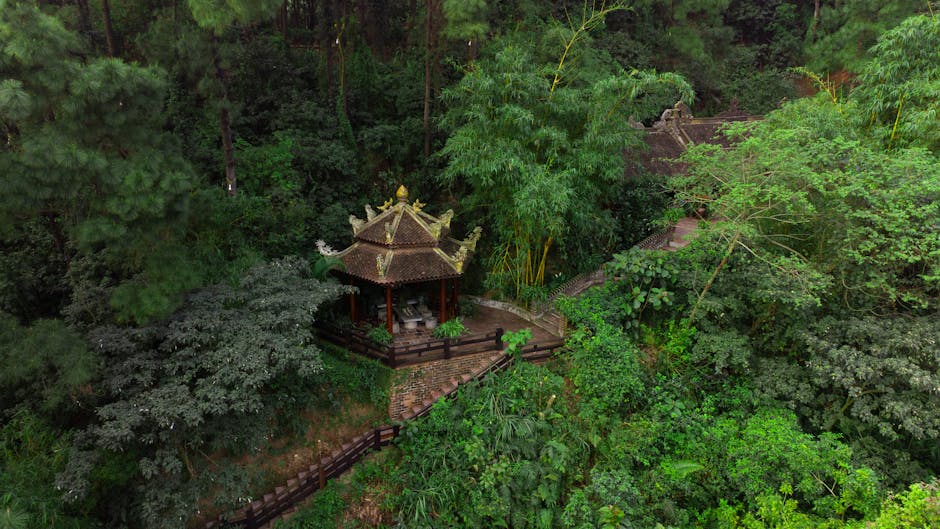
Step 5: Travel with a Reputable Guide
In remote or ecologically sensitive areas, local guides enhance safety and enrich your experience. They know the terrain, weather patterns, and cultural norms.
Choose guides certified by local tourism boards or conservation groups. Avoid unlicensed operators who may cut corners on safety or environmental standards.
Safety and Environmental Considerations
Respect Wildlife and Ecosystems
Never feed, touch, or chase animals. Keep a safe distance and use binoculars or zoom lenses for viewing. In marine environments, avoid standing on coral or using harmful sunscreens.
Stick to marked trails to prevent soil erosion and habitat damage. In places like Zhangjiajie or Lençórs Maranhenses, straying off-path can harm fragile ecosystems.
Prepare for Weather and Terrain Challenges
Exotic locations often have unpredictable conditions. In Bolivia’s salt flats, sudden rain can flood roads. In Indonesia, monsoons can disrupt travel plans.
Check forecasts regularly and have backup plans. Inform someone of your itinerary and expected return time. Carry a satellite communicator in areas with no cell service.
Support Local Communities
Buy local food, crafts, and services. This keeps money within the community and encourages sustainable tourism. Avoid haggling aggressively—fair prices support livelihoods.
Learn a few basic phrases in the local language. Simple greetings show respect and can open doors to deeper cultural exchanges.
Sustainable Travel Practices
Traveling to exotic natural locations comes with a responsibility to protect them. The “Leave No Trace” principles are a solid foundation: plan ahead, travel on durable surfaces, dispose of waste properly, leave what you find, minimize campfire impact, respect wildlife, and be considerate of others.
Offset your carbon footprint by supporting verified reforestation or clean energy projects. Many airlines and travel agencies offer carbon offset programs. While not a perfect solution, it’s a step toward accountability.
Choose direct flights when possible to reduce emissions. Overland travel by train or bus is often more sustainable than short-haul flights.
When to Visit Exotic Natural Locations
Timing can make or break your trip. Research seasonal patterns for each destination. For example, Salar de Uyuni is most photogenic during the rainy season (December to March), but roads may be impassable.
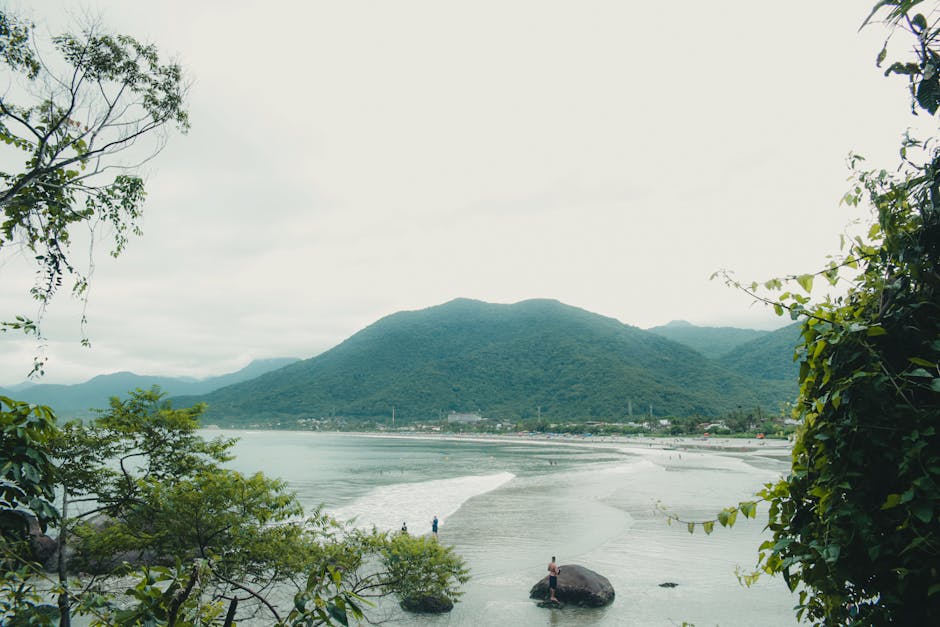
In contrast, Lençórs Maranhenses is best visited from June to September, when lagoons are full and temperatures are cooler. Avoid peak tourist seasons if you prefer solitude—shoulder months often offer better weather and fewer crowds.
Wildlife activity also varies by season. In Raja Ampat, manta ray sightings peak from October to April. In the Faroe Islands, summer offers midnight sun and accessible trails, while winter brings dramatic storms and limited access.
Budgeting for Your Nature Travel Adventure
Costs vary widely depending on location and travel style. Remote destinations like Socotra or the Faroe Islands can be expensive due to limited flights and accommodations.
Set a daily budget that includes food, lodging, transport, permits, and activities. In countries like Bolivia or Indonesia, daily expenses can be under $50 for budget travelers. In contrast, the Faroe Islands may cost $150 or more per day.
Book flights and major tours in advance for better rates. Use local transportation instead of private transfers when safe and practical. Street food and local markets offer affordable and authentic meals.
Photography Tips for Natural Landscapes
Capture the essence of each location without disturbing the environment. Use a polarizing filter to reduce glare on water or snow. Shoot during golden hour—shortly after sunrise or before sunset—for soft, warm light.
Avoid using drones unless permitted. Many national parks and protected areas ban them to protect wildlife and other visitors. Check local regulations before flying.
Focus on composition: include foreground elements like rocks or flowers to add depth. Tell a story with your images—show the scale, texture, and mood of the landscape.
Final Thoughts on Nature Travel
Exploring exotic natural locations is one of the most rewarding ways to experience the planet. These places remind us of Earth’s diversity and fragility. With thoughtful planning and responsible behavior, your journey can be both enriching and sustainable.
Use this nature travel guide as a starting point, but stay curious and adaptable. Conditions change, and the best experiences often come from unexpected moments—a sudden rainbow over a salt flat, a whale breaching in the distance, or a local sharing a traditional meal.
Travel not just to see, but to understand. Let each destination deepen your appreciation for the natural world.
FAQ
What should I pack for a trip to an exotic natural location?
Pack lightweight, moisture-wicking clothing, sturdy footwear, sun protection, a reusable water bottle, and a basic first-aid kit. Include a power bank and waterproof bags for electronics. Research local conditions to tailor your gear.
How can I travel sustainably to remote natural areas?
Choose eco-friendly accommodations, minimize plastic use, support local businesses, and follow Leave No Trace principles. Offset your carbon emissions and avoid activities that harm wildlife or ecosystems.
Are exotic natural locations safe for solo travelers?
Many are safe with proper preparation, but research local conditions, register with your embassy, and inform others of your plans. Consider joining a small group tour for added safety in remote or politically unstable regions.