Top Travel Destinations for Cultural Festivals Worldwide
Planning a trip around a cultural festival can transform a regular vacation into an unforgettable experience. From vibrant street parades to sacred rituals, attending a local festival offers a rare window into a destination’s traditions, values, and community spirit. This guide highlights the top travel destinations for cultural festivals worldwide, helping you choose where and when to go for maximum immersion and authenticity.
Whether you’re drawn to music, dance, food, or spiritual ceremonies, these festivals reflect the heart of their cultures. We’ve selected events that are not only visually stunning but also deeply meaningful, offering travelers a chance to participate—not just observe. Read on to discover the most compelling cultural celebrations across continents, with practical tips to help you plan your journey.
Why Attend Cultural Festivals While Traveling
Cultural festivals are more than entertainment—they’re living expressions of heritage. Unlike museum exhibits or historical reenactments, these events involve real people celebrating in real time. Attending one allows you to witness traditions passed down through generations, often in the very places where they originated.
For travelers, festivals provide unique photo opportunities, local cuisine tastings, and chances to interact with residents. They also often coincide with peak seasonal beauty, such as cherry blossoms in Japan or autumn foliage in New England. Planning your trip around a festival can enhance both cultural understanding and travel satisfaction.
Authenticity Over Spectacle
Not all festivals are created equal. Some have become commercialized, catering primarily to tourists with staged performances and inflated prices. Others remain deeply rooted in community life, with locals participating out of tradition rather than tourism appeal.
Look for events that welcome visitors respectfully. Many festivals allow guest participation in workshops, parades, or meals—offering a more genuine connection. Avoid those that treat culture as a performance; instead, seek out celebrations where you’re invited to observe or join with humility.
Timing and Logistics Matter
Festival dates often follow lunar calendars or agricultural cycles, so they shift annually. For example, Diwali in India and Chinese New Year don’t align with the Gregorian calendar. Always verify dates months in advance and book accommodations early—popular festivals can fill cities within days.
Transportation may also be affected. In cities like Rio de Janeiro during Carnival, public transit becomes crowded, and some streets close for parades. Research local customs, dress codes, and entry requirements. Some festivals require tickets, while others are free but operate on a first-come basis.
Africa: Vibrant Traditions Under the Sun
Africa hosts some of the world’s most colorful and energetic cultural festivals, often blending music, dance, and ancestral rituals. These events celebrate harvests, rites of passage, and historical milestones, offering travelers a dynamic glimpse into diverse African cultures.
Timkat in Ethiopia
Held every January in Addis Ababa and other Ethiopian cities, Timkat commemorates the baptism of Jesus in the Jordan River. The festival spans three days and features processions of ornate tabots (replicas of the Ark of the Covenant), hymns sung in Ge’ez, and ceremonial reenactments of baptism.
Travelers can join the crowds at Jan Meda racetrack, where priests in elaborate vestments bless water in a midnight ceremony. The event is deeply spiritual but welcoming to respectful observers. Dress modestly, arrive early for good viewing spots, and consider hiring a local guide to explain the symbolism.
FESPACO in Burkina Faso
The Pan-African Film and Television Festival of Ouagadougou (FESPACO) occurs biennially in February, drawing filmmakers and audiences from across the continent. While primarily a film festival, it includes cultural performances, art exhibitions, and public discussions on African identity.
Attendees can watch award-winning African cinema under the stars, sample street food like grilled tilapia and peanut soup, and meet directors from Nigeria, Senegal, and beyond. Book accommodations in Ouagadougou well ahead—the city swells with visitors during the event.
Asia: Ancient Rituals and Modern Celebrations
Asia’s cultural festivals often blend ancient traditions with contemporary flair. From lantern-lit rivers to dragon dances, these events showcase the region’s rich spiritual and artistic heritage.
Songkran in Thailand
Thailand’s Songkran festival, held in mid-April, marks the traditional New Year with a nationwide water celebration. What began as a ritual to wash away misfortune has evolved into one of the world’s largest water fights, especially in cities like Chiang Mai and Bangkok.
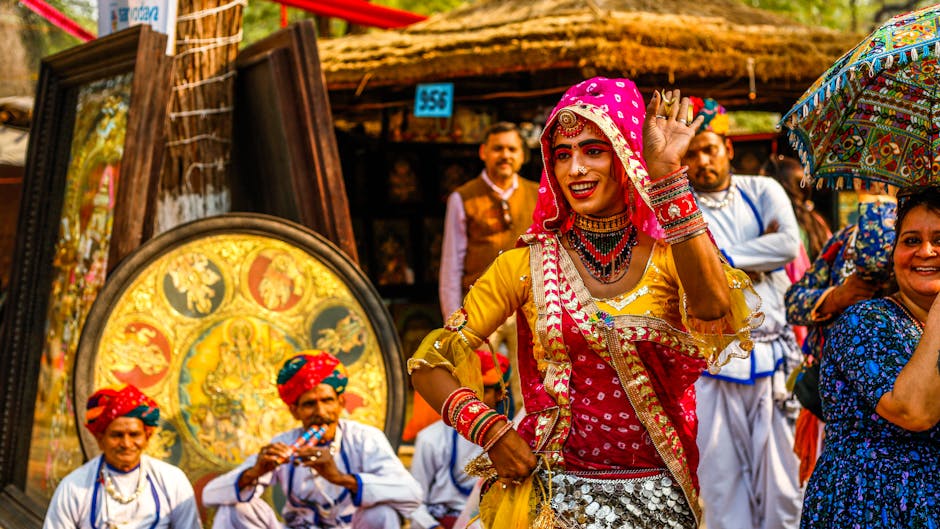
While the playful aspect draws crowds, the spiritual roots remain strong. Many Thais visit temples to offer food to monks, pour water over Buddha statues, and cleanse their elders’ hands as a sign of respect. Travelers should wear waterproof gear, protect electronics, and participate with good humor—never aim water at monks or elders.
Holi in India
Known as the Festival of Colors, Holi celebrates the arrival of spring and the triumph of good over evil. Held in March, it features people smearing each other with brightly colored powders and dancing to folk music in streets and public squares.
The best places to experience Holi include Mathura and Vrindavan, the birthplace of Lord Krishna, where celebrations last for days. In Delhi and Mumbai, public events are more organized but equally lively. Use organic, skin-safe colors, wear old clothes, and stay hydrated—alcohol is sometimes involved, so drink responsibly.
Yi Peng Lantern Festival in Thailand
In northern Thailand, particularly Chiang Mai, the Yi Peng festival lights up the night sky with thousands of handmade lanterns. Held on the full moon of the 12th lunar month (usually November), it coincides with Loy Krathong, where floating baskets are released on rivers.
The sight of glowing lanterns drifting upward is both magical and meditative. Many locals believe releasing a lantern carries away bad luck. Attendees can join group releases at temples or riverside parks. Arrive early to secure a spot, and avoid using plastic or non-biodegradable materials.
Europe: Centuries-Old Celebrations with Timeless Appeal
Europe’s festivals often reflect deep historical roots, from medieval reenactments to religious processions. Many have been celebrated for hundreds of years and remain central to local identity.
La Tomatina in Spain
Every August in Buñol, a small town near Valencia, thousands gather for La Tomatina—a massive tomato fight that lasts exactly one hour. The event begins with a ham-piercing contest, followed by trucks unloading overripe tomatoes into the streets.
While it sounds chaotic, the festival is well-organized and safe. Participants wear goggles and old clothes, and hoses are provided afterward for cleaning. It’s a lighthearted, messy celebration that draws international crowds. Book accommodations in Valencia and take a shuttle to Buñol, as parking is limited.
Oktoberfest in Germany
Oktoberfest in Munich is the world’s largest beer festival, but it’s also a cultural showcase of Bavarian traditions. Held over 16 days from late September to early October, it features folk music, traditional costumes (lederhosen and dirndls), and hearty foods like pretzels and sausages.
Beer is served in one-liter mugs called steins, and tents are run by local breweries with strict quality standards. Arrive early to secure a seat, as tents fill quickly. Public transportation runs extended hours, but avoid bringing large bags—security checks are thorough.
Notting Hill Carnival in the UK
Held over the August Bank Holiday weekend in London, the Notting Hill Carnival is Europe’s largest street festival. Inspired by Caribbean carnivals, it features steel bands, soca music, and vibrant costumes parading through the streets of West London.
The event celebrates Afro-Caribbean culture and draws over a million visitors. Wear comfortable shoes, carry water, and stay aware of your surroundings in large crowds. Food stalls offer jerk chicken, roti, and plantains—come hungry.
The Americas: Diverse Celebrations from North to South
The Americas host a wide range of cultural festivals, from indigenous ceremonies to immigrant-led parades. These events highlight the continent’s multicultural fabric and regional diversity.
Día de los Muertos in Mexico
Day of the Dead, celebrated on November 1st and 2nd, is a deeply meaningful Mexican tradition honoring deceased loved ones. Families build ofrendas (altars) with photos, candles, marigolds, and favorite foods of the departed.
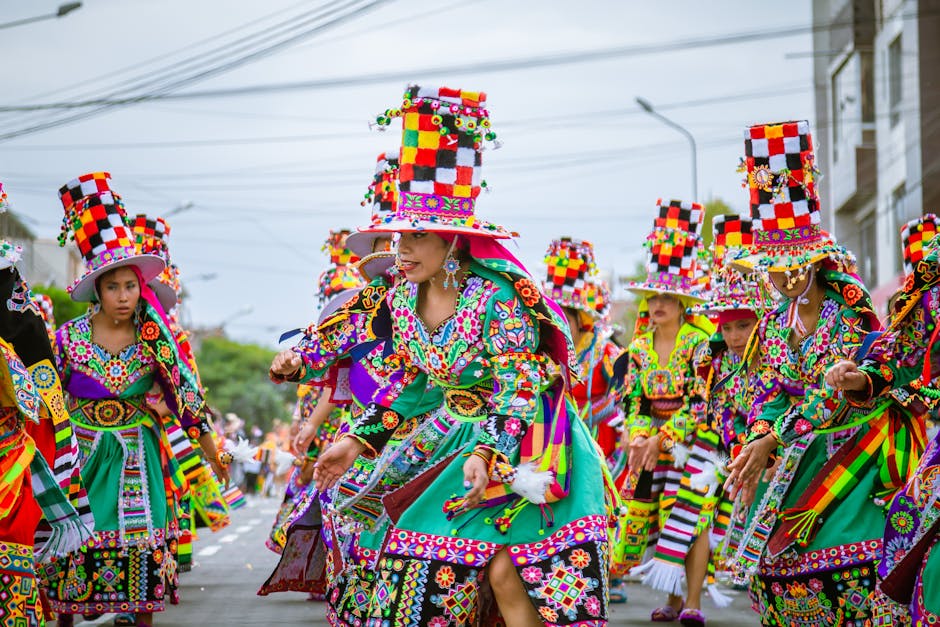
In cities like Oaxaca and Mexico City, public celebrations include parades, face painting, and sugar skull decorating. The mood is festive, not somber—belief holds that the dead return to visit the living. Travelers can join workshops or visit cemeteries where families gather overnight. Respect photography rules; always ask before taking pictures of people or altars.
Carnival in Brazil
Rio de Janeiro’s Carnival is the world’s most famous pre-Lenten festival, featuring samba schools competing in elaborate parades at the Sambadrome. Each school presents a themed performance with thousands of dancers, giant floats, and costumes worth thousands of dollars.
Street parties, or blocos, occur across the city and are more accessible to tourists. Copacabana and Ipanema host some of the largest. Book accommodations months in advance, and use official transportation—crime can be an issue in crowded areas. Learn a few samba steps to join the fun.
Inti Raymi in Peru
In Cusco, Peru, the Festival of the Sun (Inti Raymi) is reenacted every June 24th at the ancient fortress of Sacsayhuamán. The ceremony honors Inti, the Inca sun god, and includes traditional music, dance, and a theatrical portrayal of the original ritual.
Though the Spanish suppressed the real ceremony in the 16th century, it was revived in the 20th century as a cultural symbol. Tickets are required and sell out quickly. Arrive early for seating, and dress warmly—Cusco’s high altitude means cool temperatures even in summer.
Oceania: Indigenous Heritage and Island Traditions
Australia and the Pacific Islands preserve unique cultural festivals that reflect deep connections to land, sea, and ancestry. These events often emphasize storytelling, dance, and environmental stewardship.
NAIDOC Week in Australia
Held in July, NAIDOC Week celebrates the history, culture, and achievements of Aboriginal and Torres Strait Islander peoples. Events include art exhibitions, traditional dance performances, storytelling sessions, and community feasts.
Cities like Sydney, Melbourne, and Brisbane host large gatherings, but remote communities often hold more intimate ceremonies. Travelers should approach with respect—some events are invitation-only. Learn about local protocols and avoid photographing sacred objects or ceremonies without permission.
Heiva i Tahiti in French Polynesia
Every July in Papeete, Tahiti, the Heiva festival showcases Polynesian culture through dance, music, and craft competitions. Dancers perform the traditional ‘ori Tahiti (Tahitian dance) in elaborate costumes, often telling stories of mythology and daily life.
The festival lasts several weeks and includes canoe races, woodcarving demonstrations, and floral parades. It’s a joyful celebration of Polynesian identity. Attendees can take dance workshops or visit local markets for handmade pareos and shell jewelry.
Tips for Responsible Festival Travel
Attending a cultural festival is a privilege. To ensure your visit is respectful and sustainable, follow these guidelines.
Respect Local Customs
Research dress codes, photography rules, and behavioral expectations. In many cultures, removing shoes, covering shoulders, or avoiding public displays of affection is required. When in doubt, observe locals and follow their lead.
Some rituals are sacred and not meant for tourist entertainment. Never disrupt ceremonies, touch religious objects, or enter restricted areas. If an event feels too personal or private, it’s best to observe from a distance.
Support Local Economies
Buy food, crafts, and souvenirs directly from local vendors. Avoid large tour operators that don’t reinvest in the community. Tipping practices vary—learn the local norm to avoid over- or under-tipping.
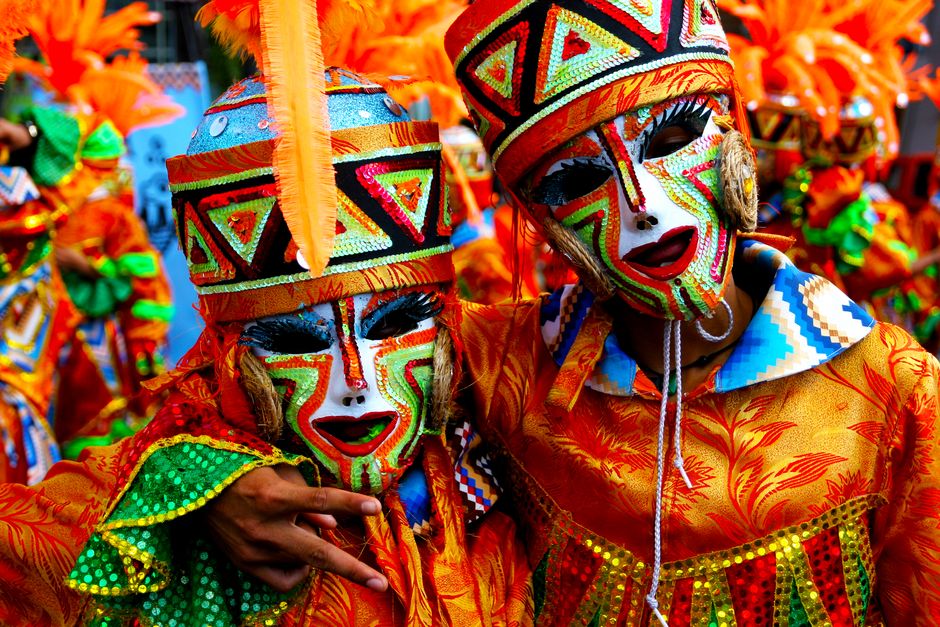
Consider staying in family-run guesthouses or homestays. This supports residents directly and often provides richer cultural exchange than hotels.
Minimize Environmental Impact
Many festivals generate significant waste, especially those involving food, decorations, or single-use items. Carry a reusable water bottle, avoid plastic bags, and dispose of trash properly.
Some festivals, like Yi Peng, have faced criticism for lanterns harming wildlife or starting fires. Choose eco-friendly alternatives when available, and follow local guidelines for safe participation.
How to Choose the Right Festival for Your Trip
With so many options, selecting the right festival depends on your interests, travel style, and timing.
Match the Festival to Your Interests
If you love music, consider Notting Hill Carnival or FESPACO. For spiritual experiences, Timkat or Inti Raymi may resonate. Foodies might prefer Oktoberfest or Día de los Muertos, where cuisine plays a central role.
Think about the atmosphere you want: high-energy and chaotic (Carnival), meditative and reflective (Yi Peng), or educational and participatory (NAIDOC Week). Each offers a different kind of engagement.
Consider Travel Practicalities
Factor in visa requirements, health precautions, and safety. Some destinations may have travel advisories during large events. Check local news and government travel sites before booking.
Also consider crowd tolerance. Major festivals can be overwhelming for first-time travelers. Smaller, regional events may offer a more intimate experience with fewer tourists.
Plan Ahead, But Stay Flexible
Book flights and accommodations early, especially for peak-season festivals. However, keep some flexibility in your itinerary. Weather, political events, or local decisions can alter festival schedules.
Have a backup plan in case an event is canceled or overcrowded. Sometimes the best experiences happen in nearby towns or during pre-festival preparations.
Final Thoughts
The top travel destinations for cultural festivals worldwide offer more than spectacle—they provide connection, understanding, and memory-making opportunities that last a lifetime. By choosing events that align with your values and planning thoughtfully, you can experience the soul of a place through its people and traditions.
Whether you’re dancing in the streets of Rio, lighting a lantern in Chiang Mai, or honoring ancestors in Oaxaca, these festivals remind us of the beauty in cultural diversity. Travel with curiosity, respect, and an open heart, and you’ll return not just with photos, but with stories that matter.
FAQ
What should I pack for a cultural festival abroad?
Pack lightweight, modest clothing suitable for the local climate and customs. Bring a reusable water bottle, portable charger, comfortable shoes, and a small daypack. Don’t forget sunscreen, a hat, and any necessary medications. For festivals involving water or mud, include waterproof bags and quick-dry clothes.
Are cultural festivals safe for solo travelers?
Most festivals are safe for solo travelers, especially in well-established tourist areas. Stay aware of your surroundings, avoid isolated areas at night, and keep valuables secure. Stick to official events and use trusted transportation. Let someone know your plans and check in regularly.
How can I participate in a festival without being disrespectful?
Observe first, then ask if participation is welcome. Follow local dress codes, avoid loud behavior during solemn moments, and never touch sacred objects. Learn a few phrases in the local language to show respect. When in doubt, watch how locals behave and mirror their actions.