Best Travel Destinations for Spiritual Travel Experiences
Seeking a deeper connection with yourself or the world around you? The best travel destinations for spiritual travel experiences offer more than scenic views—they provide transformative moments of reflection, renewal, and inner peace. From ancient temples nestled in misty mountains to serene retreats by still lakes, these places invite quiet contemplation and personal growth. Whether you’re drawn to meditation, pilgrimage, or simply escaping the noise of daily life, these destinations cater to a wide range of spiritual practices and beliefs. This guide highlights ten powerful locations where travelers consistently report meaningful, soul-stirring experiences.
Why Spiritual Travel Matters
Spiritual travel isn’t just about visiting religious sites—it’s about intentional journeys that foster self-awareness, mindfulness, and emotional healing. Unlike typical vacations focused on sightseeing or relaxation, spiritual trips prioritize inner transformation. Many travelers return feeling more grounded, inspired, or connected to something greater than themselves.
Research shows that time spent in nature, silence, and sacred spaces can reduce stress, improve mental clarity, and increase feelings of well-being. Whether you follow a formal religion or identify as spiritual but not religious, these experiences can be deeply personal and universally impactful.
Top Spiritual Travel Destinations Around the World
1. Varanasi, India
One of the world’s oldest continuously inhabited cities, Varanasi sits along the Ganges River and is considered the spiritual capital of India. Hindus believe bathing in the Ganges here washes away sins and aids in liberation from the cycle of rebirth.
Early morning boat rides along the ghats—stone steps leading into the river—offer a mesmerizing view of rituals, prayers, and offerings. The city pulses with devotion, especially at dawn and dusk when temples echo with chants and bells. While the atmosphere can be intense, many visitors describe a profound sense of peace amid the chaos.
2. Kyoto, Japan
Kyoto, once the imperial capital of Japan, is home to over 2,000 temples and shrines. Its quiet gardens, moss-covered stone paths, and Zen Buddhist monasteries create an ideal setting for reflection.
Famous sites include Kinkaku-ji (the Golden Pavilion), Ryoan-ji’s rock garden, and the bamboo groves of Arashiyama. Visitors often participate in tea ceremonies or zazen (seated meditation) sessions offered by local temples. The city’s seasonal beauty—cherry blossoms in spring, fiery maples in autumn—adds to its meditative atmosphere.
3. Sedona, Arizona, USA
Known for its striking red rock formations, Sedona is believed by many to be a vortex site—a place where Earth’s energy is especially concentrated. These swirling energy fields are said to enhance meditation, healing, and spiritual insight.
Popular spots include Cathedral Rock, Bell Rock, and Boynton Canyon. Guided vortex tours, yoga retreats, and sound healing sessions are widely available. The high desert landscape, combined with clear skies and minimal light pollution, makes it a haven for stargazers and seekers alike.
4. Machu Picchu, Peru
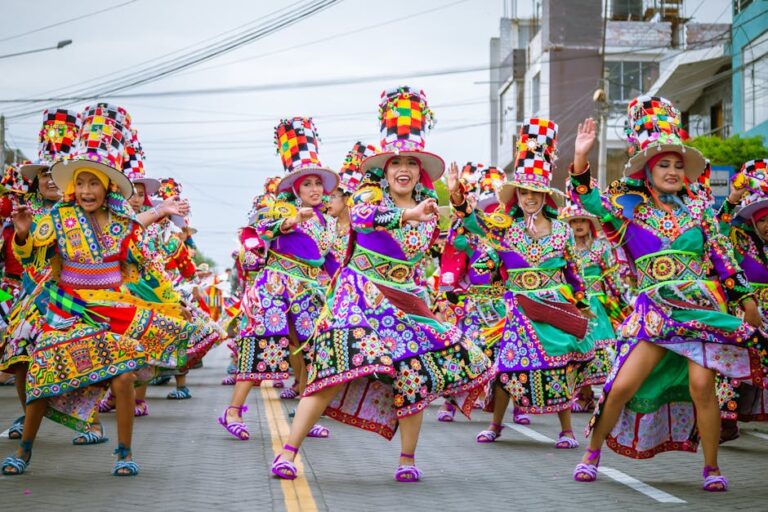
This ancient Incan citadel, perched high in the Andes, draws pilgrims and adventurers seeking connection with ancestral wisdom. Built in the 15th century and abandoned during the Spanish conquest, Machu Picchu remains remarkably preserved.
Many visitors undertake the Inca Trail, a multi-day trek that culminates in sunrise over the ruins—a moment often described as transcendent. The site’s alignment with solstices and celestial events reflects the Incas’ deep spiritual relationship with nature and the cosmos.
5. Rishikesh, India
Nestled in the foothills of the Himalayas, Rishikesh is known as the “Yoga Capital of the World.” It’s a hub for ashrams, meditation centers, and spiritual teachers from around the globe.
Daily Ganga Aarti ceremonies at Triveni Ghat draw crowds with their rhythmic chants and floating lamps. Whether you’re a beginner or seasoned practitioner, Rishikesh offers structured retreats, silent meditation courses, and opportunities to study ancient texts like the Bhagavad Gita.
6. Lumbini, Nepal
As the birthplace of Siddhartha Gautama—the Buddha—Lumbini is one of the most sacred sites in Buddhism. The Maya Devi Temple marks the exact spot where Queen Maya gave birth under a sal tree.
Pilgrims from across Asia come to walk the sacred garden, meditate in monasteries built by different Buddhist countries, and reflect on the Buddha’s teachings. The peaceful, park-like setting encourages quiet contemplation and interfaith dialogue.
7. Glastonbury, England
Steeped in myth and legend, Glastonbury is associated with King Arthur, the Holy Grail, and ancient Celtic traditions. The Tor, a hill topped with a ruined church tower, is said to be a gateway to the Otherworld.
Visitors explore Chalice Well, believed to have healing properties, and attend festivals celebrating earth-based spirituality. The town hosts a vibrant community of pagans, druids, and New Age practitioners, making it a unique blend of history and modern mysticism.
8. Bali, Indonesia
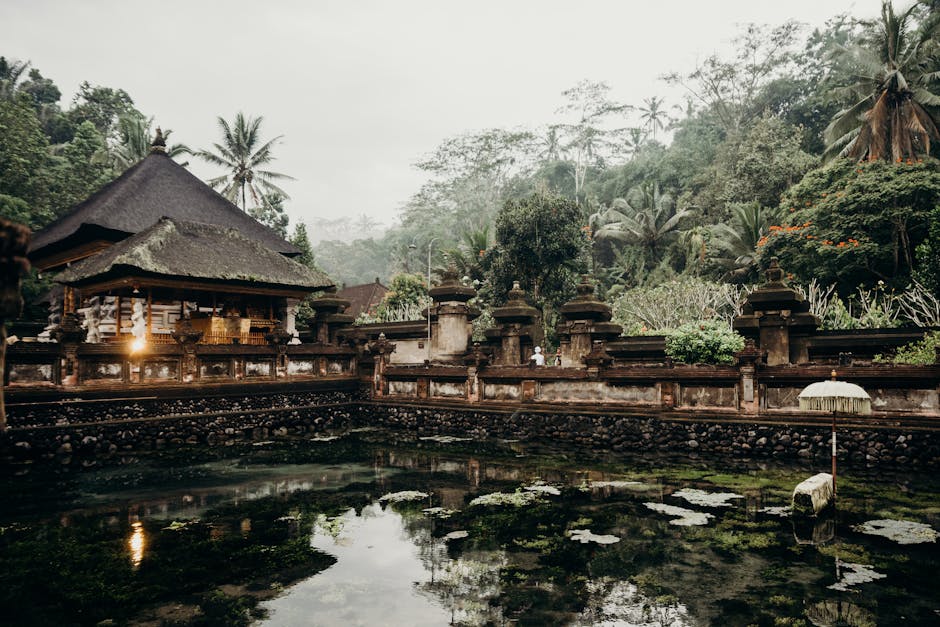
Bali’s Hindu culture infuses daily life with ritual, art, and reverence for nature. Temples dot the landscape, from seaside shrines like Uluwatu to mountain sanctuaries like Besakih.
Ubud, in central Bali, is a cultural and spiritual hub offering yoga classes, Balinese healing ceremonies, and workshops on traditional crafts. The island’s lush rice terraces, volcanic peaks, and ocean views create a naturally calming environment ideal for introspection.
9. Mount Kailash, Tibet
Considered sacred in Hinduism, Buddhism, Jainism, and Bon, Mount Kailash is believed to be the axis of the world. Pilgrims circumambulate the 52-kilometer kora (pilgrimage path) around the mountain, often completing it in a single day as a form of devotion.
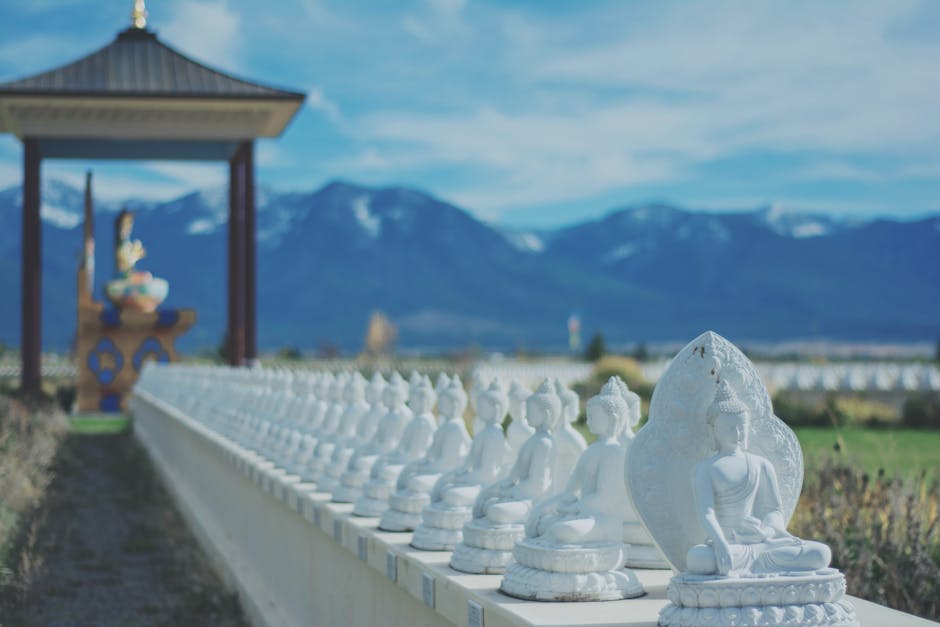
The journey is physically demanding due to high altitude and rugged terrain, but many describe it as life-changing. The mountain itself is never climbed out of respect for its sanctity—a rare example of reverence overriding conquest.
10. Iona, Scotland
This small island off Scotland’s west coast is a Christian pilgrimage site founded by St. Columba in the 6th century. Its abbey and peaceful coastline have drawn seekers for over 1,500 years.
Visitors often walk the island’s quiet paths, attend services in the restored abbey, or join retreats focused on prayer and reflection. The isolation and natural beauty of Iona foster a deep sense of stillness and connection.
How to Choose the Right Spiritual Destination for You
Not every sacred site will resonate with every traveler. Your personal beliefs, goals, and comfort level should guide your choice. Ask yourself: Are you seeking solitude or community? Do you prefer structured programs or independent exploration?
Consider the climate, accessibility, and cultural norms of your destination. Some spiritual journeys require physical endurance, while others emphasize quiet observation. Research local customs—especially around dress, photography, and participation in rituals—to ensure respectful engagement.
If you’re new to spiritual travel, starting with a guided retreat or group tour can provide support and context. More experienced travelers might prefer solo pilgrimages or silent retreats.
Preparing for a Spiritual Journey
Set Clear Intentions
Before you go, reflect on what you hope to gain. Is it clarity, healing, inspiration, or simply a break from routine? Writing down your intention can help focus your experience and deepen its impact.
Pack Mindfully
Bring items that support your practice: a journal, meditation cushion, comfortable clothing, and any sacred objects that hold meaning for you. Avoid overpacking—simplicity often enhances spiritual awareness.
Disconnect to Reconnect
Limit phone use and social media during your trip. Many spiritual destinations encourage digital detox as a way to be fully present. Inform loved ones of your plans and set boundaries to protect your time.
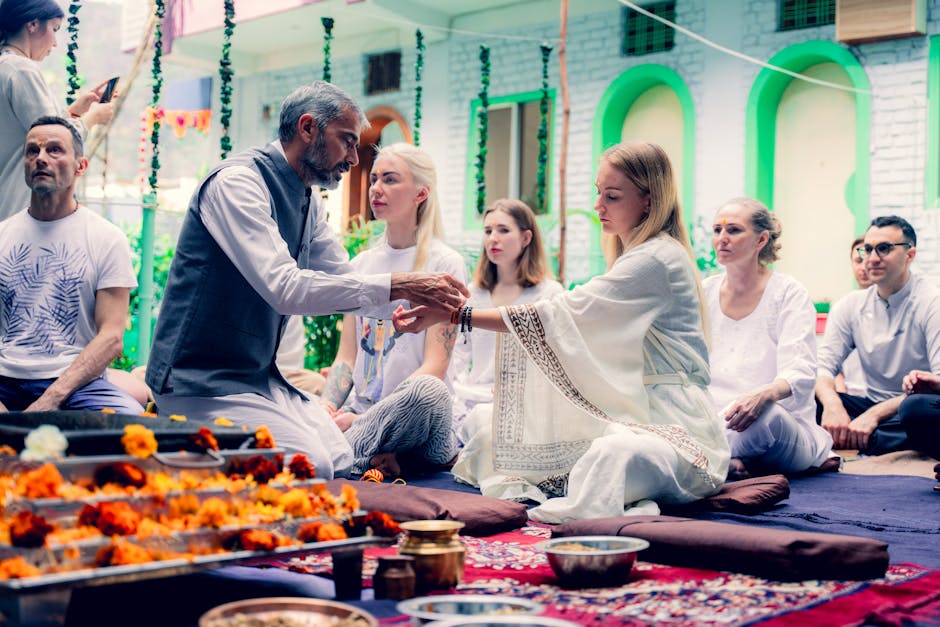
Respect Local Culture
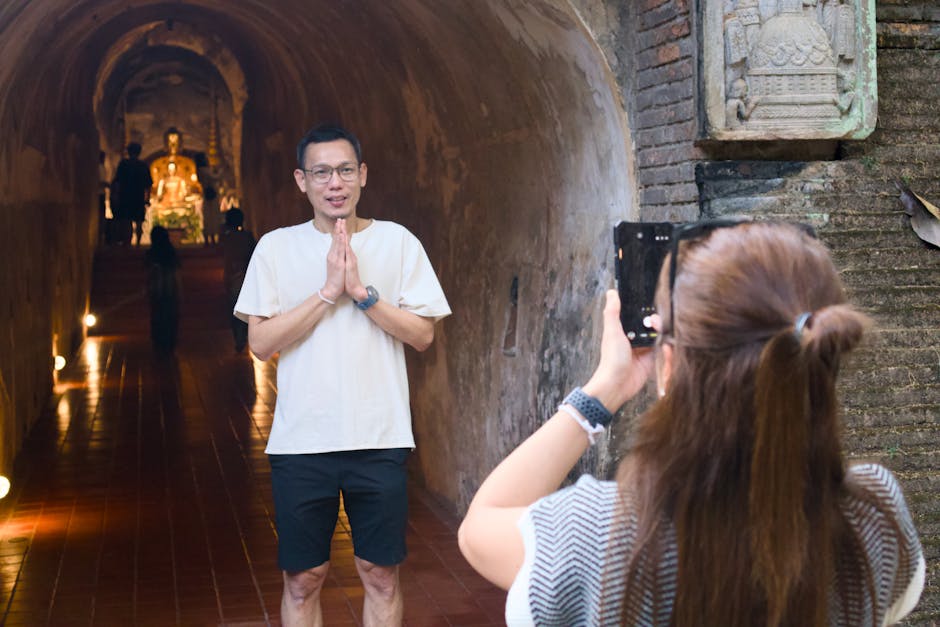
Sacred sites are not tourist attractions—they are living places of worship. Dress modestly, follow posted guidelines, and ask before photographing people or rituals. Learning a few phrases in the local language shows respect and openness.
Common Challenges and How to Navigate Them
Spiritual travel can be emotionally intense. You might encounter unexpected feelings—sadness, joy, confusion—as old patterns surface. This is normal and often part of the healing process.
Cultural misunderstandings can occur, especially in places with strict religious customs. If unsure, observe first and seek guidance from locals or guides. Avoid imposing your beliefs on others.
Physical discomfort—such as altitude sickness in Tibet or heat in India—can disrupt your experience. Prepare with proper gear, hydration, and gradual acclimatization. Always have a backup plan in case conditions change.
Beyond the Destination: Integrating the Experience
The true value of spiritual travel often emerges after you return home. Journaling about your journey can help process insights and maintain momentum.
Share your experience with trusted friends or a support group, but avoid turning it into a performance. The goal isn’t to impress others but to carry the lessons forward in daily life.
Consider adopting a small daily practice—meditation, gratitude journaling, or mindful walking—to sustain the sense of peace you found abroad. True transformation happens not in the destination, but in how you live afterward.
Final Thoughts
The best travel destinations for spiritual travel experiences are those that meet you where you are—offering space, silence, and significance. Whether you walk ancient pilgrimage routes, sit in meditation beneath a bodhi tree, or simply watch the sunrise over red rocks, these journeys remind us of our shared humanity and the quiet power of stillness.
Spiritual travel isn’t about escaping life—it’s about returning to it with greater awareness, compassion, and purpose. Choose your path with care, travel with openness, and let the journey shape you.
FAQ
What makes a destination good for spiritual travel?
A strong spiritual destination often combines natural beauty, cultural depth, and a history of sacred use. Look for places that encourage reflection, offer access to spiritual practices, and foster a sense of peace and connection.
Do I need to be religious to benefit from spiritual travel?
No. Spiritual travel welcomes people of all beliefs, including those who are secular, spiritual but not religious, or exploring new paths. The focus is on personal growth, mindfulness, and inner experience rather than doctrine.
How can I ensure my spiritual trip is respectful and meaningful?
Research local customs, dress appropriately, participate mindfully, and avoid treating sacred sites as photo opportunities. Approach the experience with humility, curiosity, and a willingness to learn.