Sri Lanka Travel Guide: Beaches and Travel Tips
Sri Lanka is a tropical paradise offering some of the most beautiful beaches in South Asia, paired with rich culture, wildlife, and warm hospitality. Whether you’re seeking golden sands, world-class surf breaks, or quiet coves perfect for relaxation, this island nation delivers. This guide covers the best coastal destinations, essential travel tips, and practical advice to help you plan a smooth and memorable trip. From transportation to local etiquette, we’ve got you covered.
Top Beaches in Sri Lanka
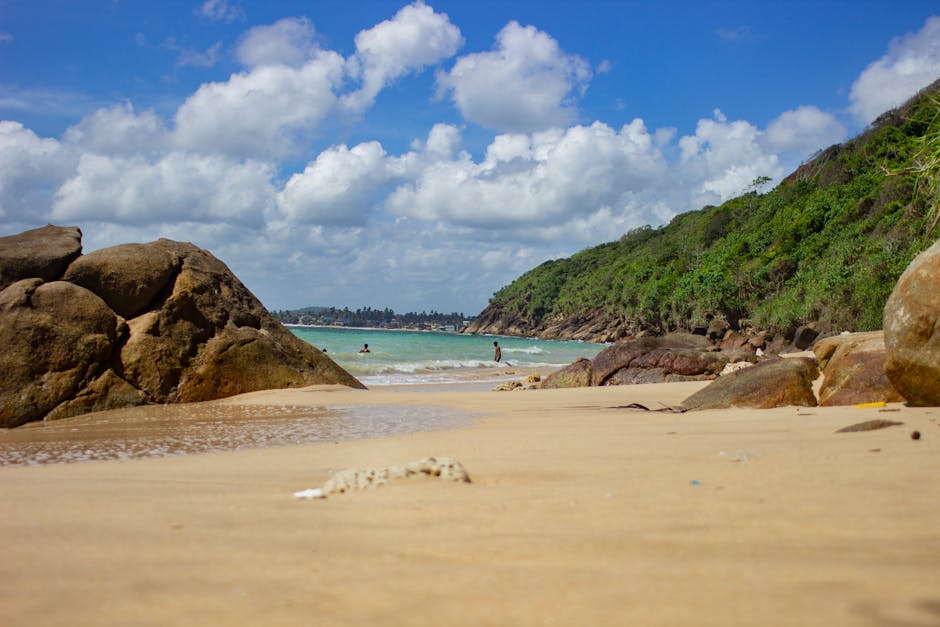
Sri Lanka’s coastline stretches over 1,300 kilometers, featuring diverse beach experiences from bustling tourist hubs to secluded retreats. The southwest, east, and south coasts each offer distinct vibes depending on the season.
Unawatuna: A Classic Beach Escape
Unawatuna, located near Galle, is one of the most popular beaches in Sri Lanka. Its crescent-shaped bay, calm waters, and vibrant nightlife make it ideal for both relaxation and socializing. The beach is lined with beachfront cafes, guesthouses, and dive centers.
Snorkeling and scuba diving are common activities here, with coral reefs just offshore. However, water quality can vary—check local conditions before entering the sea. The nearby Japanese Peace Pagoda offers panoramic views and a quiet escape from the beach crowds.
Mirissa: Surf, Whales, and Sunset Vibes
Mirissa is a favorite among backpackers and digital nomads. Known for its laid-back atmosphere, this beach town offers consistent surf breaks, especially at the southern end near Parrot Rock. Beginners can take lessons at local surf schools.
From November to April, Mirissa is one of the best places in the world for whale watching. Blue whales and sperm whales migrate through these waters, and several reputable operators offer early-morning boat tours. Book in advance during peak season.
Arugam Bay: The Surf Capital
Located on the east coast, Arugam Bay is internationally recognized for its long, peeling right-hand waves. It’s a top destination for surfers between April and October, when the southwest monsoon brings clean swells.
Beyond surfing, the area offers jungle treks, ancient temples like Muhudu Maha Vihara, and wildlife safaris in nearby Kumana National Park. The town has a bohemian feel, with guesthouses, yoga studios, and beach bars lining the main strip.
Nilaveli and Pigeon Island: Pristine and Peaceful
Nilaveli, on the northeast coast near Trincomalee, is a quieter alternative to the southern beaches. Its white sand and clear waters are perfect for swimming and snorkeling. Just offshore, Pigeon Island National Park protects coral reefs and is home to tropical fish and sea turtles.
Boat trips to the island are available from Nilaveli beach. Arrive early to avoid crowds and secure a good snorkeling spot. The area is less developed, so bring water and snacks. Note that access may be restricted during certain times for conservation.
Hikkaduwa: Coral Reefs and Nightlife
Hikkaduwa is famous for its coral sanctuary and lively beach scene. Glass-bottom boat tours allow visitors to view marine life without getting wet. For a closer look, snorkeling gear is widely available for rent.
The beach is also known for its party atmosphere, with beach clubs and bars hosting events most nights. While fun, be cautious with alcohol and avoid swimming alone at night. The coral reefs are fragile—never touch or step on them.
Best Time to Visit Sri Lanka’s Beaches
Sri Lanka has two monsoon seasons, which affect different parts of the island at different times. Timing your trip correctly ensures you enjoy dry weather and calm seas.
South and West Coasts: December to March
The best time to visit beaches like Unawatuna, Mirissa, and Hikkaduwa is during the dry season from December to March. Skies are clear, temperatures hover around 28–32°C, and the sea is calm for swimming and water sports.
This is also peak tourist season, so expect higher prices and more crowds. Book accommodations and tours in advance, especially around Christmas and New Year.
East Coast: April to October
The east coast, including Arugam Bay and Nilaveli, enjoys dry weather from April to October. This is the ideal window for surfing, diving, and exploring the region’s national parks.
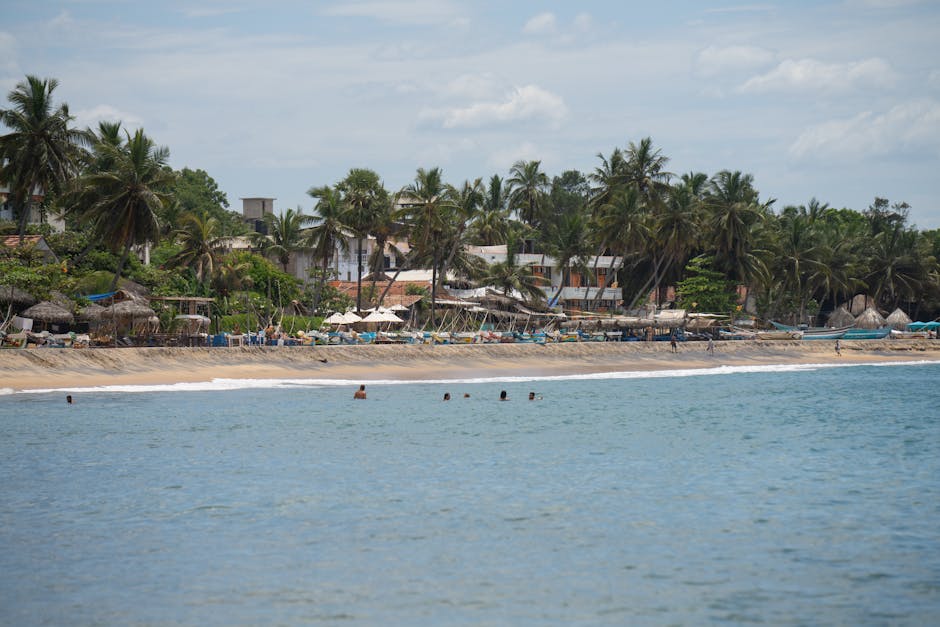
Outside these months, heavy rains and rough seas can make travel difficult. Some guesthouses and tour operators may close temporarily. Always check local conditions before traveling.
Getting Around Sri Lanka
Sri Lanka offers several transportation options, each with pros and cons. Your choice depends on budget, time, and comfort preferences.
Trains: Scenic and Affordable
Sri Lanka’s rail network is one of the most scenic in the world. The coastal line from Colombo to Galle and Matara is flat and straightforward, passing beaches and fishing villages. The hill country route from Kandy to Ella is breathtaking but not ideal for beach travel.
Second-class tickets are cheap and offer open windows for fresh air and views. First class is more comfortable but can be booked out during holidays. Trains can be crowded—arrive early and hold onto your belongings.
Buses: Budget-Friendly but Crowded
Public buses connect most towns and beaches. They’re inexpensive and frequent, but often overcrowded and slow. Private buses are slightly more comfortable but still lack air conditioning on many routes.
For longer journeys, consider express buses with reserved seating. Avoid traveling during rush hours in Colombo, as traffic can be severe.
Tuk-tuks and Private Drivers
Tuk-tuks are ideal for short trips within towns. Always negotiate the fare before starting the ride or insist on using the meter. Apps like PickMe offer fixed rates and are safer than hailing on the street.
Hiring a private driver for multi-day trips is a popular option. It allows flexibility and comfort, especially when visiting multiple beaches and inland attractions. Reputable drivers can be booked through hotels or online platforms. Expect to pay around $50–70 per day, including fuel.
Where to Stay: Beach Accommodations
Accommodation in Sri Lanka ranges from budget guesthouses to luxury resorts. Beachfront options are plentiful, but quality varies widely.
Budget Travelers: Guesthouses and Hostels
Guesthouses (locally called ‘homestays’) are common along the coast. They offer clean, basic rooms with fan or air conditioning, often including breakfast. Prices start around $15–25 per night.
Hostels are available in tourist hubs like Mirissa and Arugam Bay. Dorm beds cost $8–15, while private rooms are slightly more. Many include communal kitchens and social events.
Mid-Range: Boutique Hotels and Eco-Lodges
Boutique hotels offer better amenities, such as pools, spa services, and sea-view balconies. Expect to pay $60–120 per night. Look for properties with good reviews on platforms like Booking.com or Google.
Eco-lodges are growing in popularity, especially in quieter areas. They focus on sustainability, local employment, and minimal environmental impact. These are great for travelers who want comfort without compromising values.
Luxury: Beachfront Resorts
High-end resorts can be found in areas like Bentota, Tangalle, and Trincomalee. They offer all-inclusive packages, private beaches, and world-class service. Prices range from $200 to $500+ per night.
Many luxury resorts include activities like spa treatments, guided tours, and fine dining. Book early during peak season to secure the best villas and rates.
Food and Drink on the Coast
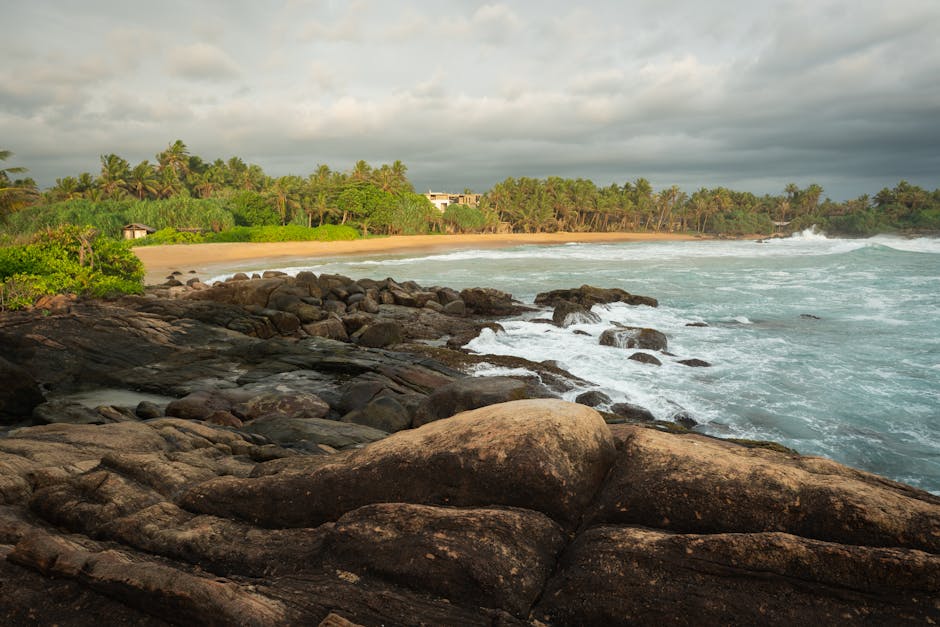
Sri Lankan cuisine is bold, spicy, and deeply flavorful. Coastal regions emphasize fresh seafood, coconut, and tropical fruits.
Must-Try Local Dishes
Hoppers (appa) are bowl-shaped pancakes made from fermented rice flour and coconut milk. They’re often served with egg, sambol, or curry. Try them for breakfast in any beach town.
Lamprais is a Dutch-influenced dish of rice, meat curry, and accompaniments wrapped in banana leaf and baked. It’s hearty and flavorful, available in larger restaurants.
Kottu roti is a street food favorite—chopped flatbread stir-fried with vegetables, egg, and your choice of meat or seafood. Look for night stalls in Mirissa or Unawatuna.
Fresh Seafood
Grilled fish, prawn curry, and crab ambul thiyal (sour fish curry) are staples along the coast. Many beachfront restaurants source their catch daily from local fishermen.
Always check that seafood is fresh—look for clear eyes on fish and a clean smell. Avoid raw or undercooked items if you have a sensitive stomach.
Drinks and Hydration
Coconut water is widely available and a natural way to stay hydrated. Buy from street vendors with sealed husks to avoid contamination.
Local beer, especially Lion Lager, is popular and widely served. Tap water is not safe to drink—stick to bottled water and avoid ice in rural areas.
Safety and Health Tips
Sri Lanka is generally safe for tourists, but a few precautions go a long way.
Sun and Heat Protection
The tropical sun is intense. Use high-SPF sunscreen, wear a hat, and seek shade during midday. Dehydration and heatstroke are real risks—drink water regularly, even if you don’t feel thirsty.
Reef-safe sunscreen is recommended to protect marine ecosystems. Many eco-conscious resorts provide it for guests.
Water Safety
Not all beaches are safe for swimming. Strong currents, riptides, and underwater rocks can pose dangers. Always check with locals or lifeguards before entering the water.
In some areas, swimming is prohibited due to pollution or conservation efforts. Respect signage and local advice.
Health Precautions
Pack a basic first-aid kit with antiseptic, rehydration salts, and any personal medications. Mosquito-borne diseases like dengue are present—use repellent and sleep under nets if needed.
Travel insurance is strongly recommended. Ensure it covers medical evacuation, especially if you plan to surf or dive.
Cultural Etiquette and Local Tips
Respecting local customs enhances your experience and shows appreciation for Sri Lankan culture.
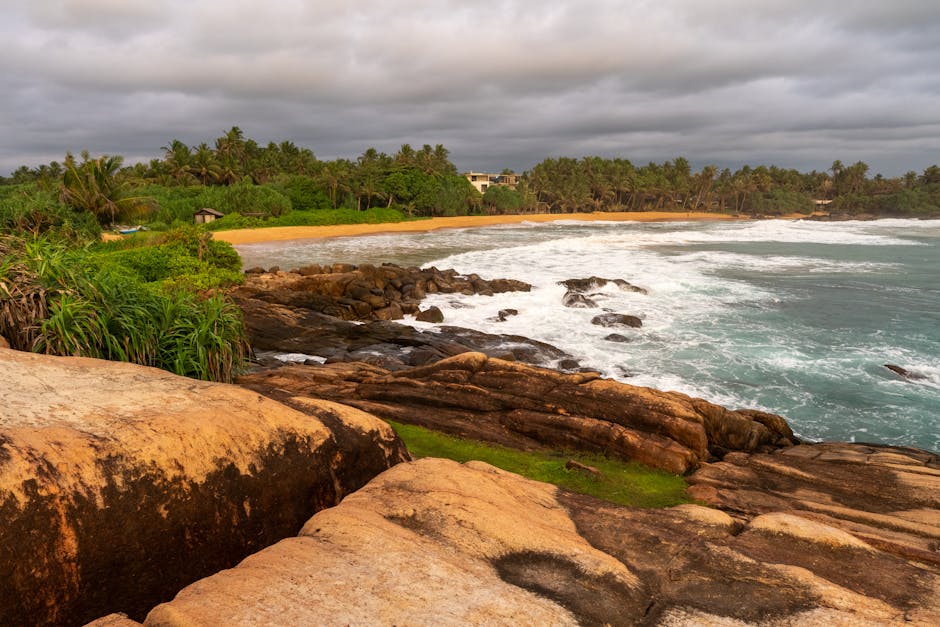
Dress Modestly
While beachwear is acceptable at resorts and coastal areas, cover shoulders and knees when visiting temples, villages, or markets. Sarongs are versatile and widely used by locals.
Remove shoes before entering homes, temples, and some guesthouses. Look for signs or follow others’ lead.
Tipping Practices
Tipping is appreciated but not mandatory. In restaurants, 5–10% is standard if service charge isn’t included. For drivers and guides, 10% of the total fee is generous.
Avoid giving money directly to children. If you wish to help, consider donating to local schools or charities instead.
Photography Etiquette
Always ask before photographing people, especially in rural areas. Some temples restrict photography in sacred spaces. When in doubt, observe what others are doing.
Packing Essentials for Your Beach Trip
Packing smart ensures comfort and convenience throughout your journey.
Clothing and Footwear
Light, breathable fabrics like cotton and linen are best. Pack quick-dry clothing, swimwear, and a light jacket for cooler evenings. Flip-flops are essential for the beach, but bring sturdy sandals for walking.
Travel Gear
A reusable water bottle with a filter helps reduce plastic waste. Waterproof phone cases, power banks, and universal adapters are practical for travel. If you plan to snorkel, consider bringing your own mask and snorkel for hygiene.
Documents and Money
Keep photocopies of your passport, visa, and insurance. Use a money belt for valuables. Sri Lanka uses the Sri Lankan rupee (LKR)—withdraw cash from ATMs in towns, as many beach areas have limited banking.
Final Thoughts on Sri Lanka Travel
Sri Lanka’s beaches offer something for every traveler—whether you’re chasing waves, wildlife, or quiet sunsets. With thoughtful planning, you can enjoy a safe, enriching, and unforgettable trip. From the surf breaks of Arugam Bay to the coral reefs of Pigeon Island, the island’s natural beauty is matched only by the warmth of its people.
Use this Sri Lanka travel guide to navigate your journey with confidence. Respect the environment, embrace the culture, and let the rhythm of island life guide your adventure.
FAQ
What is the best time to visit Sri Lanka’s beaches?
The best time depends on the coast. Visit the south and west coasts from December to March, and the east coast from April to October for dry weather and calm seas.
Is it safe to swim at Sri Lanka’s beaches?
Many beaches are safe, but always check local conditions. Avoid swimming during rough weather or in areas with strong currents. Follow lifeguard advice and posted signs.
Do I need a visa to travel to Sri Lanka?
Yes, most travelers need an Electronic Travel Authorization (ETA) before arrival. Apply online at the official government website at least a few days before your trip.