Top Travel Destinations for Nature and Wildlife Lovers
For travelers who crave raw landscapes, diverse ecosystems, and unforgettable encounters with wildlife, the world offers countless destinations that deliver both adventure and serenity. From dense rainforests to vast savannas and remote islands, these locations provide immersive experiences in natural habitats. Whether you’re tracking mountain gorillas in Rwanda or kayaking among orcas in British Columbia, the right destination can transform a simple trip into a lifelong memory. This guide highlights the top travel destinations for nature and wildlife lovers, offering practical insights to help you choose, plan, and enjoy your next eco-adventure.
Africa: The Cradle of Wildlife
Serengeti National Park, Tanzania
The Serengeti is synonymous with wildlife. Stretching over 14,750 square kilometers, this iconic park hosts the Great Migration—one of Earth’s most spectacular natural events. Each year, over a million wildebeest, zebras, and gazelles traverse the plains in search of fresh grazing.
Game drives at dawn reveal lions lounging in acacia trees, cheetahs scanning the horizon, and elephants moving in matriarchal herds. The dry season (June to October) offers the best visibility, while the wet season brings lush landscapes and newborn animals.
Stay in mobile camps that follow the migration or opt for luxury lodges with panoramic views. Always travel with a certified guide to ensure safety and minimize environmental impact.
Volcanoes National Park, Rwanda
Nestled in the Virunga Mountains, this park is the last refuge of the endangered mountain gorilla. Only about 1,000 remain in the wild, making a trek here a rare privilege. Permits are required and limited to eight visitors per gorilla group per day.
Treks can last from one to six hours, depending on the gorillas’ location. The terrain is steep and muddy, so physical fitness is essential. Rangers provide briefings on etiquette: maintain a seven-meter distance, avoid direct eye contact, and never use flash photography.
Beyond gorillas, the park shelters golden monkeys, forest elephants, and over 200 bird species. Combine your visit with a hike to Dian Fossey’s research station for a deeper understanding of conservation efforts.
Okavango Delta, Botswana
This UNESCO World Heritage Site is a labyrinth of waterways, islands, and floodplains formed by the Okavango River. Unlike most rivers, it doesn’t reach the sea—instead, it evaporates into the Kalahari Desert, creating a lush oasis in the arid landscape.
Mokoro (dugout canoe) safaris offer a quiet way to glide through channels, spotting hippos, crocodiles, and rare birds like the African fish eagle. Walking safaris with armed guides let you track leopards and study animal behavior up close.
Accommodations range from tented camps to eco-lodges powered by solar energy. The dry season (May to October) is ideal, as animals congregate around permanent water sources.
South America: Biodiversity Hotspots
Amazon Rainforest, Brazil & Peru
The Amazon spans nine countries and contains one in ten known species on Earth. In Brazil, the Manaus region offers river cruises along the Rio Negro, where pink river dolphins breach the surface at dusk.
Peru’s Tambopata National Reserve is a gateway to clay licks—clearings where hundreds of parrots and macaws gather to ingest mineral-rich soil. This behavior, called geophagy, helps neutralize toxins in their diet.
Night walks reveal frogs, insects, and nocturnal mammals like kinkajous. Choose eco-certified lodges that support local communities and limit group sizes to reduce disturbance.
Mosquito-borne diseases are a concern. Use EPA-approved repellents, wear long sleeves at dawn and dusk, and consider antimalarial medication after consulting a travel clinic.
Galápagos Islands, Ecuador
This volcanic archipelago inspired Charles Darwin’s theory of evolution. Today, it remains a living laboratory of unique species found nowhere else: marine iguanas, blue-footed boobies, and giant tortoises.
Strict regulations govern visits. All travelers must be accompanied by a naturalist guide, stay on marked trails, and avoid touching or feeding animals. Snorkeling with sea lions and penguins is a highlight, but always maintain a respectful distance.
Cruises offer access to remote islands, while land-based tours allow longer stays in towns like Puerto Ayora. Book well in advance—permits are limited to protect fragile ecosystems.
Asia: Hidden Natural Wonders
Kaziranga National Park, India
Home to two-thirds of the world’s one-horned rhinoceros, Kaziranga is a stronghold for endangered species. The park also hosts tigers, elephants, and over 500 bird species, including the endangered Bengal florican.
Elephant-back safaris provide a unique vantage point, especially in tall grasslands where visibility is low. Jeep safaris are available but restricted to designated routes to prevent habitat damage.
Visit between November and April when the weather is cooler and animals are more active. Monsoon season (June to September) floods much of the park, limiting access.
Danum Valley, Malaysia
This protected area in Borneo is one of the last remaining tracts of undisturbed rainforest. It’s a haven for orangutans, clouded leopards, and Bornean pygmy elephants.
The Borneo Rainforest Lodge offers canopy walks and night drives to spot nocturnal creatures like slow lorises and flying squirrels. Researchers often conduct field studies here, offering visitors a chance to learn about conservation science.
Access requires a 4WD vehicle and advance booking. The dry season (March to October) is best for trekking, though rain is possible year-round.
North America: Wild Frontiers
Yellowstone National Park, USA
Established in 1872, Yellowstone is the world’s first national park. Its geothermal features—like Old Faithful and Grand Prismatic Spring—draw millions, but the real magic lies in its wildlife.
Bison, elk, and grizzly bears roam freely across 2.2 million acres. Early morning drives along the Lamar Valley offer the best chances to see wolves and coyotes. Always use binoculars or a telephoto lens—never approach animals.
Winter visits reveal a quieter park, with snow-covered landscapes and opportunities for cross-country skiing. Some roads close seasonally, so check conditions before traveling.
Great Bear Rainforest, Canada
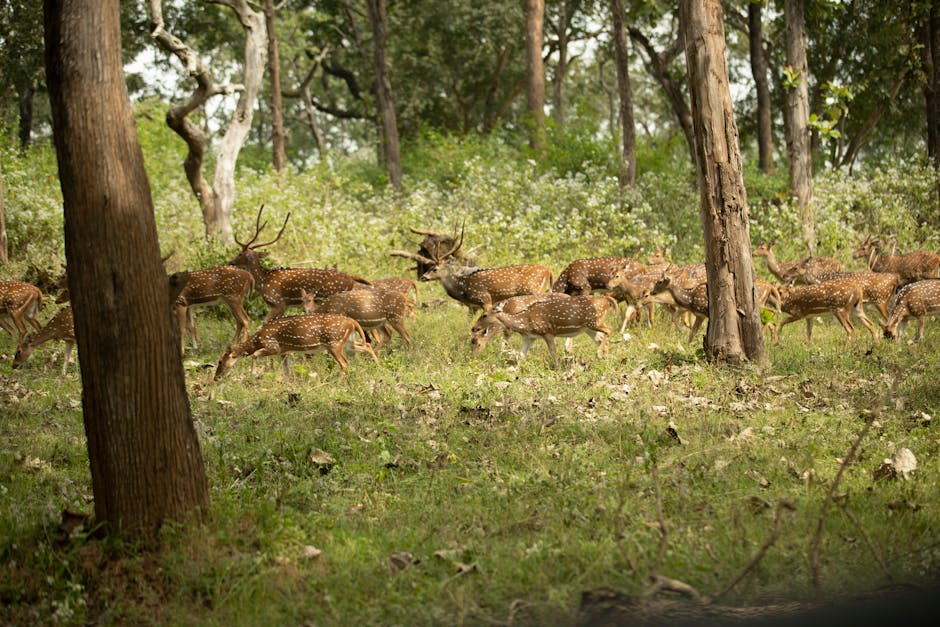
Spanning 6.4 million hectares along British Columbia’s coast, this temperate rainforest is one of the largest intact ecosystems on the planet. It’s home to the rare Kermode bear, a subspecies of black bear with a white coat caused by a recessive gene.
Kayaking through fjords and inlets allows close encounters with humpback whales, sea otters, and bald eagles. Indigenous-led tours provide cultural context and support sustainable tourism.
Access is limited to protect sensitive habitats. Most visitors arrive by floatplane or guided expedition. Pack waterproof gear—rainfall averages 3,000 mm annually.
Europe: Unexpected Natural Retreats
Tatra Mountains, Poland & Slovakia
These rugged peaks form a natural border between Poland and Slovakia. The Tatra National Park shelters brown bears, lynx, and chamois in alpine meadows and pine forests.
Hiking trails range from easy walks to challenging climbs like Rysy, the highest peak accessible to the public. Cable cars reduce foot traffic in fragile zones, but permits are required for overnight stays.
Visit in late spring for wildflowers or autumn for golden larch trees. Winter brings skiing, but avalanche risk demands caution and proper equipment.
Plitvice Lakes National Park, Croatia
Famous for its cascading turquoise lakes and waterfalls, Plitvice is a UNESCO site formed by travertine barriers. Boardwalks protect the delicate ecosystem while allowing close views of fish, amphibians, and birds.
Early arrival avoids crowds and enhances wildlife sightings. The park is busiest in July and August—consider visiting in May or September for a more peaceful experience.
Photography is encouraged, but drones are prohibited. Stick to designated paths to prevent erosion and protect rare plant species.
Oceania: Island Sanctuaries
Kakadu National Park, Australia
Australia’s largest national park blends wetlands, escarpments, and rock art sites dating back 65,000 years. It’s a dual World Heritage site for both natural and cultural values.
Billabongs teem with saltwater crocodiles, so swimming is restricted to designated areas. Birdwatchers flock here for species like the jabiru and rainbow bee-eater.
The dry season (May to September) offers comfortable temperatures and access to remote regions. Wet season transforms the landscape but limits road access.
Fiordland National Park, New Zealand
Located on the South Island, Fiordland is a realm of dramatic fjords, waterfalls, and ancient forests. Milford Sound and Doubtful Sound are prime spots for kayaking and wildlife cruises.
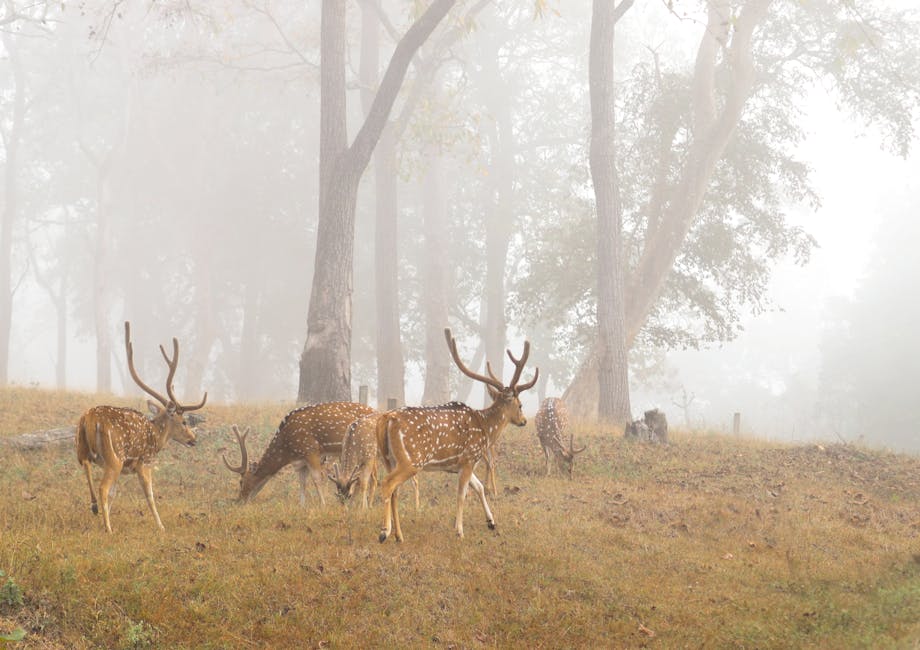
Look for bottlenose dolphins, fur seals, and the rare Fiordland penguin. The park is also home to the flightless takahe, once thought extinct.
Weather changes rapidly—pack layers and waterproof clothing. Guided tours enhance safety and interpretation, especially in remote areas.
Planning Your Nature Adventure
Choose the Right Season
Timing affects wildlife activity, weather, and accessibility. Research peak seasons for animal sightings—such as migration periods or breeding seasons—and plan accordingly.
Avoid holidays and school breaks when possible. Smaller crowds mean better experiences and less stress on ecosystems.
Travel Responsibly
Stick to marked trails, carry out all trash, and avoid single-use plastics. Support local guides and community-run lodges to ensure tourism benefits residents.
Never disturb wildlife or remove natural items like rocks or plants. Your actions can have lasting impacts on fragile environments.
Prepare for the Elements
Pack appropriate clothing, sturdy footwear, and sun protection. In remote areas, bring a first-aid kit, water purification tablets, and a satellite communicator.
Check vaccination requirements and purchase travel insurance that covers outdoor activities. Inform someone of your itinerary before heading into isolated regions.
Final Thoughts
The top travel destinations for nature and wildlife lovers offer more than scenic beauty—they provide opportunities to connect with the planet’s most extraordinary ecosystems. Whether you’re drawn to the roar of a lion in the Serengeti or the silence of a rainforest canopy in Borneo, these places remind us of nature’s resilience and wonder. With careful planning and respectful travel practices, your journey can support conservation and leave only footprints behind.
FAQ
What is the best time of year to visit wildlife destinations?
It varies by location. In Africa, the dry season (June to October) offers better wildlife viewing. In the Galápagos, April to June provides calm seas and active wildlife. Always research seasonal patterns before booking.
How can I ensure my trip supports conservation?
Choose eco-certified accommodations, hire local guides, and follow park rules. Avoid souvenirs made from wildlife products, and consider donating to reputable conservation organizations.
Is it safe to travel to remote nature destinations?
With proper preparation, yes. Use certified tour operators, carry emergency communication devices, and stay informed about local conditions. Travel insurance with medical evacuation coverage is highly recommended.