Best Travel Destinations for Adventure Seekers Worldwide
Adventure travelers crave experiences that push boundaries, ignite curiosity, and deliver unforgettable moments. Whether you’re drawn to mountain peaks, wild rivers, or remote trails, the world offers countless destinations tailored to thrill-seekers. This guide highlights the best travel destinations for adventure seekers worldwide—places where nature’s raw power meets human endurance and wonder. From high-altitude treks to deep-sea dives, these locations promise authentic challenges and breathtaking rewards for those ready to step off the beaten path.
Why Adventure Travel Matters
Adventure travel isn’t just about adrenaline—it’s about personal growth, cultural immersion, and connecting with the natural world. Unlike conventional tourism, it often involves physical effort, mental resilience, and a willingness to embrace uncertainty. These journeys foster self-reliance and offer perspectives that everyday life rarely provides.
For many, adventure travel is a form of escape—not from reality, but into a more vivid version of it. Whether summiting a peak or navigating a jungle river, the process builds confidence and deepens appreciation for both nature and local communities.
Top Adventure Destinations by Region
South America: Patagonia, Chile & Argentina
Patagonia straddles the border between Chile and Argentina, offering some of the most dramatic landscapes on Earth. Towering granite spires, glacial lakes, and endless windswept plains define this region. Torres del Paine National Park in Chile is a magnet for hikers, with the W Trek and O Circuit drawing thousands annually.
Trekking here requires preparation—weather shifts rapidly, and trails demand solid footwear and navigation skills. Nearby El Chaltén in Argentina offers access to Mount Fitz Roy, a favorite among climbers. Both countries offer guided expeditions, but independent travel is feasible with proper planning.
Asia: Nepal – The Himalayan Playground
Nepal remains the ultimate destination for high-altitude adventure. Home to eight of the world’s ten tallest peaks, including Everest, it attracts mountaineers, trekkers, and spiritual seekers alike. The Annapurna Circuit and Everest Base Camp trek are iconic routes that combine physical challenge with cultural richness.
Altitude sickness is a real risk—ascend gradually and monitor symptoms closely. Permits are required for most treks, and hiring a local guide enhances safety and supports the community. Monsoon season (June–September) brings heavy rain and landslides; optimal trekking months are October–November and March–May.
Africa: Tanzania – Kilimanjaro and Beyond
Mount Kilimanjaro, Africa’s highest peak, draws adventurers seeking a non-technical climb with global prestige. While no climbing experience is needed, the ascent demands endurance due to altitude and variable conditions. Multiple routes vary in difficulty and scenery—the Machame route is popular for its diverse landscapes.
Beyond the mountain, Tanzania offers safari adventures in Serengeti and Ngorongoro Crater. Combine trekking with wildlife viewing for a multi-faceted adventure. Book through licensed operators and avoid unregulated guides to ensure safety and ethical practices.
Oceania: New Zealand – The Adventure Capital
New Zealand lives up to its reputation as a playground for outdoor enthusiasts. From bungee jumping in Queenstown to multi-day hikes like the Routeburn Track, the country blends accessibility with intensity. Fiordland and Tongariro National Parks offer rugged terrain and volcanic landscapes.
Weather can change quickly, especially in alpine areas. Always check forecasts and carry emergency gear. The Great Walks system provides well-maintained trails with huts and campsites—book in advance during peak season (December–February).
North America: Alaska, USA – Wilderness at Its Peak
Alaska delivers vast, untamed landscapes perfect for serious adventurers. Denali National Park features North America’s tallest mountain and expansive tundra. Backpacking, mountaineering, and dog sledding are common pursuits, though conditions are extreme.
Wildlife encounters—especially bears—are likely. Carry bear spray, store food properly, and travel in groups. Summer (June–August) offers long daylight hours, but winter adventures require specialized gear and experience. Guided expeditions are recommended for first-time visitors.
Europe: Norway – Fjords, Peaks, and Northern Lights
Norway’s fjords and mountains create a dramatic backdrop for hiking, climbing, and kayaking. The Lofoten Islands combine steep peaks with fishing villages, ideal for trail running and photography. In winter, Tromsø becomes a hub for snowshoeing, ice climbing, and aurora viewing.
Coastal weather is unpredictable—layer clothing and waterproof gear are essential. Many trails are unmarked; GPS or local maps are crucial. Respect private land and follow Leave No Trace principles to preserve fragile ecosystems.
Southeast Asia: Vietnam – Hidden Gems and Rugged Trails
Vietnam offers affordable, lesser-known adventures compared to neighboring countries. Sapa’s terraced hills and ethnic minority villages provide cultural trekking experiences. Further north, Ha Giang’s karst mountains feature motorbike loops with jaw-dropping views.
Road conditions can be challenging—rent reliable vehicles and wear helmets. Avoid monsoon season (July–October) in mountainous regions. Homestays support local economies and offer authentic interactions.
Types of Adventure Activities to Consider
Trekking and Hiking
Long-distance trails test endurance and offer immersion in nature. Choose routes based on fitness level, duration, and scenery. Popular options include the Inca Trail (Peru), Tour du Mont Blanc (France/Italy/Switzerland), and the Milford Track (New Zealand).
Pack light but include essentials: first aid kit, water filter, map, and headlamp. Inform someone of your itinerary and expected return time.
Water-Based Adventures
Whitewater rafting, kayaking, and scuba diving open up aquatic worlds. The Futaleufú River in Chile offers Class V rapids, while Thailand’s Similan Islands boast world-class diving with whale sharks and coral reefs.
Always use certified operators and check equipment before departure. Never dive alone—buddy systems save lives. Be aware of local marine regulations to protect ecosystems.
Climbing and Mountaineering
Rock climbing ranges from beginner crags to technical alpine ascents. Yosemite (USA), Kalymnos (Greece), and Railay Beach (Thailand) are renowned for sport climbing. Mountaineering requires technical skills, proper gear, and often professional guidance.
Acclimatization is critical at high altitudes. Learn basic rope techniques and rescue procedures. Weather windows are narrow—flexibility improves success rates.
Wildlife and Eco-Adventures
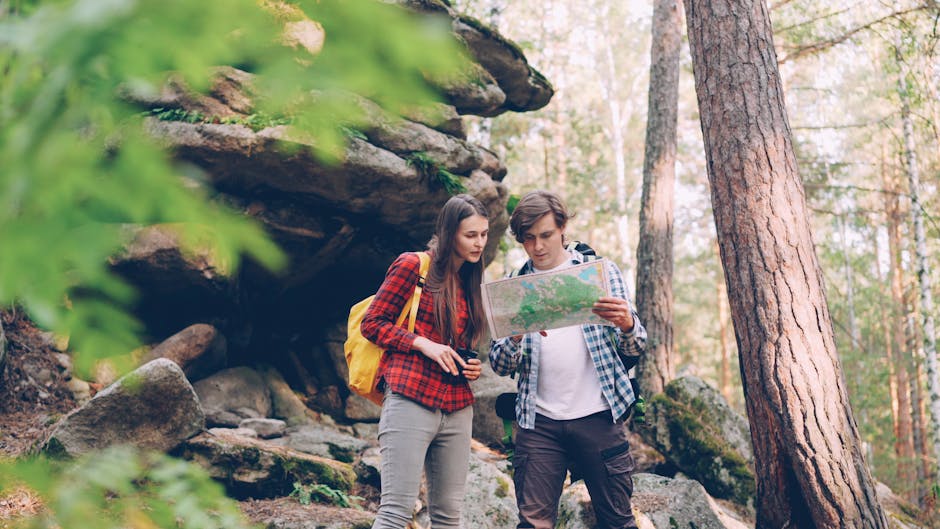
Safari treks, birdwatching expeditions, and conservation volunteering blend adventure with education. Madagascar’s rainforests host unique species like lemurs, while Costa Rica’s cloud forests offer zip-lining and night hikes.
Support eco-certified tour providers. Avoid activities that exploit animals, such as elephant rides. Observe wildlife from a distance and follow park guidelines.
How to Choose the Right Adventure Destination
Start by assessing your fitness level, experience, and comfort with risk. Beginners should opt for guided tours with strong safety records. Intermediate adventurers can tackle moderate treks or multi-sport trips. Experts may pursue technical climbs or remote expeditions.
Consider climate, seasonality, and travel logistics. Some destinations require visas, vaccinations, or special permits. Research local customs and language basics to show respect and ease communication.
Budget also plays a role. While Nepal and Vietnam offer low-cost adventures, Alaska and New Zealand can be expensive. Factor in gear, guides, insurance, and emergency funds.
Safety Tips for Adventure Travelers
Preparation is the cornerstone of safe adventure travel. Research your destination thoroughly—know the terrain, weather patterns, and potential hazards. Purchase comprehensive travel insurance that covers high-risk activities.
Carry a satellite communicator or personal locator beacon in remote areas. Share your itinerary with trusted contacts and check in regularly. Learn basic first aid and CPR before departure.
Listen to local advice and heed warnings from park rangers or guides. Avoid alcohol before physically demanding activities. Stay hydrated and nourished—dehydration impairs judgment and performance.
Packing Essentials for Adventure Trips
Pack versatile, moisture-wicking clothing in layers. Include a waterproof jacket, sturdy footwear, and a wide-brimmed hat. A quality backpack (40–70L) with hip support is essential for multi-day trips.
Essential gear includes a headlamp, water purification system, multi-tool, and sleeping bag rated for expected temperatures. Don’t forget sunscreen, sunglasses, and a reusable water bottle.
For international trips, bring adapters, a copy of your passport, and any required medications. Keep digital backups of important documents in cloud storage.
Sustainable Adventure Travel Practices
Adventure tourism can strain fragile environments if not managed responsibly. Stick to marked trails to prevent erosion. Pack out all trash, including biodegradable items like fruit peels.
Support local economies by hiring local guides, staying in community-run lodges, and buying regional products. Avoid single-use plastics and minimize carbon emissions by choosing direct flights when possible.
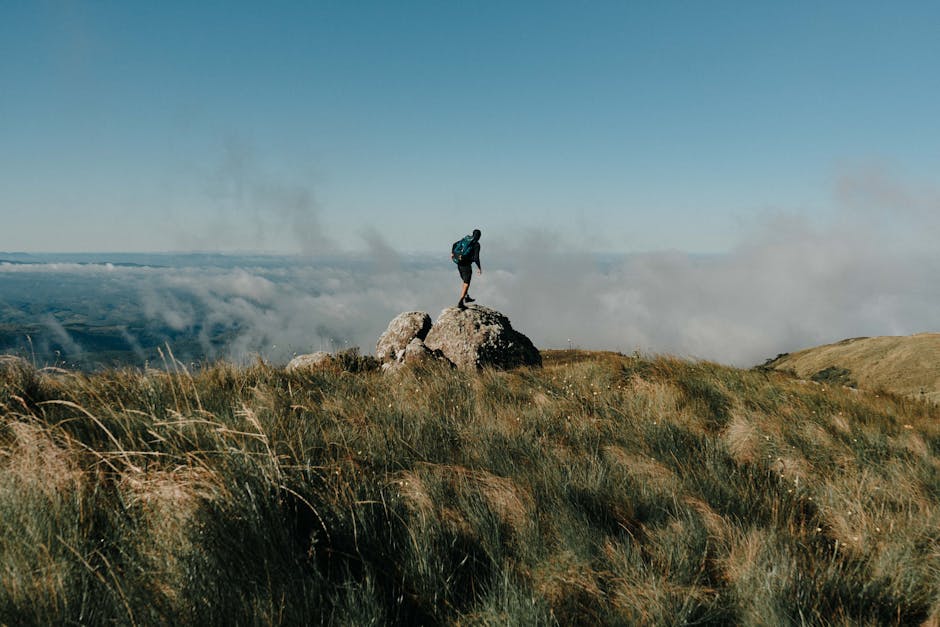
Respect wildlife and cultural sites. Do not feed animals or remove natural souvenirs. Learn a few phrases in the local language to build rapport.
When to Travel: Seasonal Considerations
Timing affects safety, accessibility, and experience quality. In the Himalayas, spring and autumn offer stable weather and clear skies. Patagonia’s summer (December–February) provides milder conditions, though winds remain strong.
Tropical destinations like Costa Rica have dry and rainy seasons—dry months (December–April) are best for trekking. Arctic adventures in Norway or Alaska peak in winter for aurora viewing and snow sports.
Always check regional advisories and trail statuses before departure. Some parks close during extreme weather or fire seasons.
Budgeting for Your Adventure Trip
Adventure travel costs vary widely. Budget options include self-guided treks in Nepal or Vietnam, where daily expenses can be under $30. Mid-range trips with guides and lodges may cost $100–$200 per day.
High-end expeditions, such as guided climbs on Kilimanjaro or luxury safaris, can exceed $5,000. Include airfare, gear rentals, permits, tips, and contingency funds in your budget.
Book early for popular routes to secure permits and discounts. Travel during shoulder seasons for lower prices and fewer crowds.
Final Thoughts on Adventure Travel
The best travel destinations for adventure seekers are those that challenge, inspire, and transform. Whether you’re drawn to icy summits, jungle rivers, or desert dunes, the key is preparation, respect, and openness to the unexpected.
Adventure isn’t about conquering nature—it’s about engaging with it thoughtfully. Choose destinations that align with your values, abilities, and sense of curiosity. With the right mindset, every journey becomes a story worth telling.
FAQ
What is the safest adventure travel destination for beginners?
New Zealand is ideal for first-time adventurers due to well-maintained trails, reliable infrastructure, and English-speaking guides. Start with day hikes or guided tours before attempting remote expeditions.
Do I need special insurance for adventure activities?
Yes. Standard travel insurance often excludes high-risk activities like mountaineering or scuba diving. Purchase a policy that explicitly covers your planned adventures and includes emergency evacuation.
How far in advance should I plan an adventure trip?
For popular destinations like Nepal or Patagonia, book permits and guides 3–6 months ahead. Flights and accommodations fill quickly during peak seasons. Allow extra time for visa processing and gear preparation.