Best Nature Travel Spots for Exploring Wildlife
If you’re looking to experience animals in their natural habitats, these are the best nature travel spots for exploring wildlife. From African savannas to Amazonian rainforests, these destinations offer safe, ethical, and unforgettable encounters with diverse species. Whether you’re a seasoned traveler or planning your first wildlife adventure, these locations provide guided tours, conservation-focused experiences, and opportunities to observe rare and iconic animals up close.
Choosing the right destination depends on your interests—whether it’s tracking mountain gorillas, spotting polar bears, or snorkeling with sea turtles. This guide highlights top global destinations, what to expect, and how to plan responsibly. We’ll also cover essential tips for minimizing environmental impact and supporting local communities.
Why Choose Wildlife-Focused Nature Travel
Wildlife travel offers more than just photo opportunities. It fosters a deeper connection with nature and supports conservation efforts. Many destinations reinvest tourism revenue into protecting endangered species and preserving habitats.
Unlike zoos or animal parks, responsible wildlife travel emphasizes observation over interaction. This reduces stress on animals and ensures their natural behaviors remain undisturbed. Travelers gain authentic experiences while contributing to long-term ecological sustainability.
Top Destinations for Wildlife Exploration
Serengeti National Park, Tanzania
The Serengeti is one of the most iconic wildlife destinations on Earth. Spanning over 14,750 square kilometers, it hosts the annual Great Migration, where over 1.5 million wildebeest and 250,000 zebras traverse the plains in search of fresh grazing.
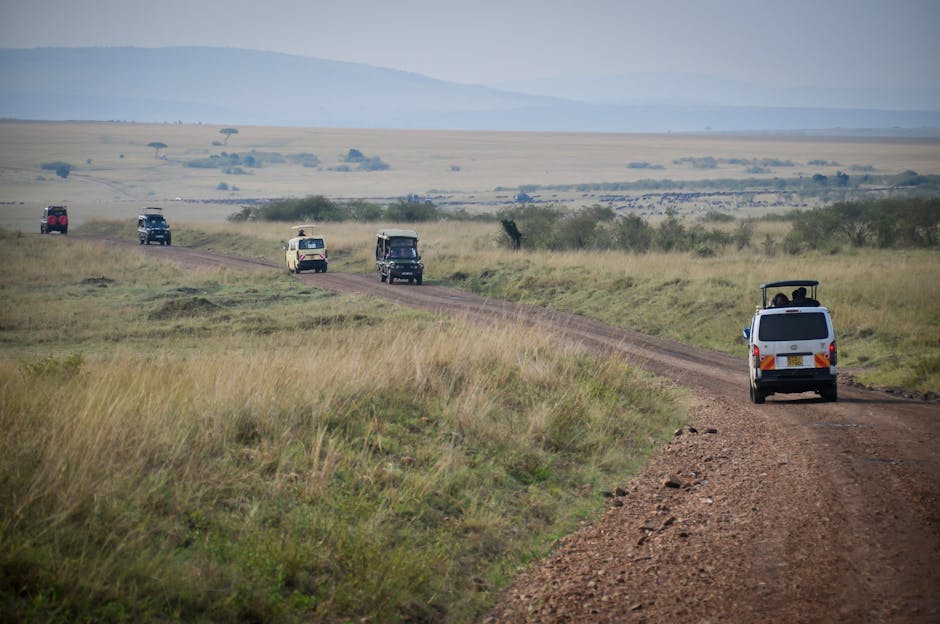
Visitors can witness lions, leopards, elephants, and cheetahs in open grasslands. The dry season (June to October) offers the best visibility, while the wet season brings lush landscapes and newborn animals. Guided safaris with certified rangers ensure safe and educational experiences.
Yellowstone National Park, USA
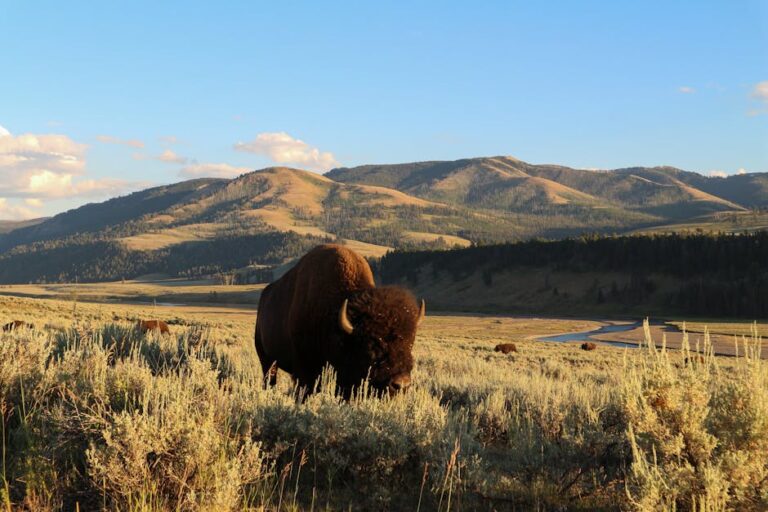
Yellowstone is North America’s premier wildlife sanctuary. Established in 1872, it spans Wyoming, Montana, and Idaho and protects species like bison, grizzly bears, wolves, and elk.
The park’s geothermal features, such as Old Faithful, add a unique dimension to wildlife viewing. Early morning and dusk are ideal times to spot animals near rivers and meadows. Always maintain a safe distance—bison and bears can be unpredictable.
Ranthambore National Park, India
Ranthambore is one of India’s best spots to see Bengal tigers in the wild. Located in Rajasthan, the park combines dense forests, ancient ruins, and a large tiger population.
Jeep safaris are conducted in designated zones, with trained naturalists explaining animal behavior and conservation challenges. The best time to visit is from October to June, when tigers are more active and visible near water sources.
Galápagos Islands, Ecuador
The Galápagos Islands are a living laboratory of evolution. Isolated in the Pacific Ocean, they are home to species found nowhere else, including marine iguanas, giant tortoises, and blue-footed boobies.
Strict visitor guidelines limit group sizes and require guides to accompany all tours. Snorkeling and kayaking allow close encounters with sea lions and reef sharks. The islands operate under UNESCO protection to preserve their fragile ecosystems.
Kruger National Park, South Africa
Kruger is one of Africa’s largest game reserves, covering nearly 20,000 square kilometers. It’s home to the Big Five—lion, leopard, rhinoceros, elephant, and Cape buffalo—as well as cheetahs, hyenas, and over 500 bird species.
Self-drive safaris are permitted, but guided tours offer deeper insights. The dry winter months (May to September) provide clearer views as vegetation thins. Accommodations range from basic camps to luxury lodges.
Corcovado National Park, Costa Rica
Corcovado, on Costa Rica’s Osa Peninsula, is one of the most biodiverse places on the planet. It hosts jaguars, tapirs, scarlet macaws, and four species of sea turtle.
Access is limited to preserve the environment, so advance permits are required. Most visitors join guided hikes through primary rainforest. The park is a model for community-based conservation and eco-tourism.
Kangaroo Island, Australia
Kangaroo Island is a sanctuary for native Australian wildlife. Over one-third of the island is protected, offering safe havens for kangaroos, koalas, sea lions, and echidnas.
Wildlife viewing is accessible via walking trails and coastal drives. The island suffered major bushfires in 2020, but recovery efforts have restored habitats and visitor facilities. Local operators emphasize sustainable practices.
Svalbard, Norway
Svalbard, located in the Arctic Ocean, is one of the few places where polar bears can be seen in the wild. The archipelago is also home to Arctic foxes, reindeer, and walruses.
Summer (June to August) offers midnight sun and easier access, while winter provides aurora viewing. All excursions require guides due to polar bear risks. Tour operators follow strict safety protocols.
How to Plan Your Wildlife Adventure
Choose the Right Season
Wildlife activity varies by season. In Africa, the dry season concentrates animals around waterholes. In the Arctic, summer allows for more accessible travel and active wildlife.
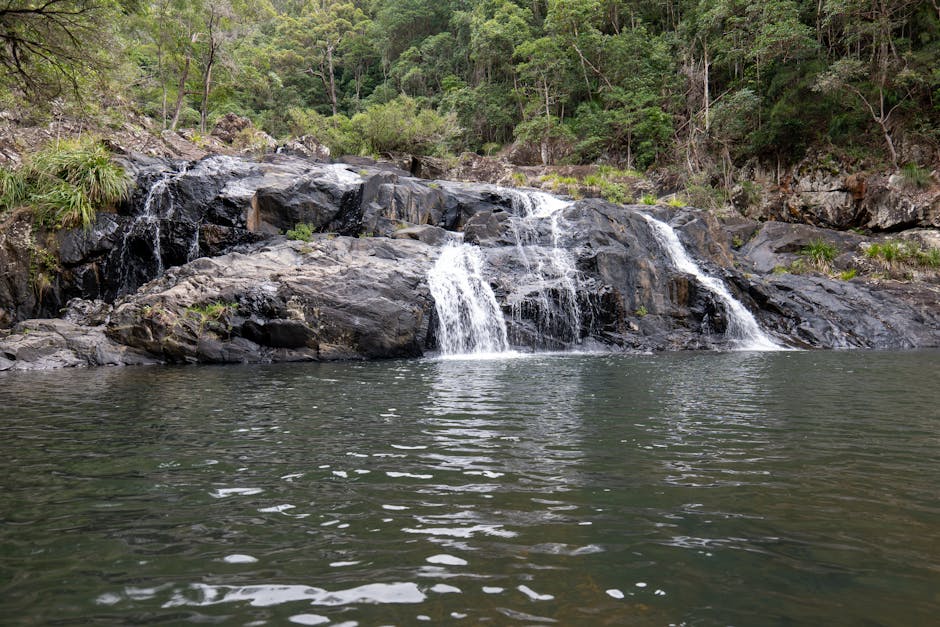
Research migration patterns and breeding cycles. For example, sea turtle nesting peaks in Costa Rica between July and October. Planning around these times increases your chances of meaningful sightings.
Book with Reputable Operators
Select tour companies with strong conservation ethics. Look for certifications like those from the International Ecotourism Society or local wildlife authorities.
Read reviews and ask about guide qualifications. Ethical operators limit group sizes, avoid feeding animals, and educate guests on local ecosystems.
Pack Responsibly
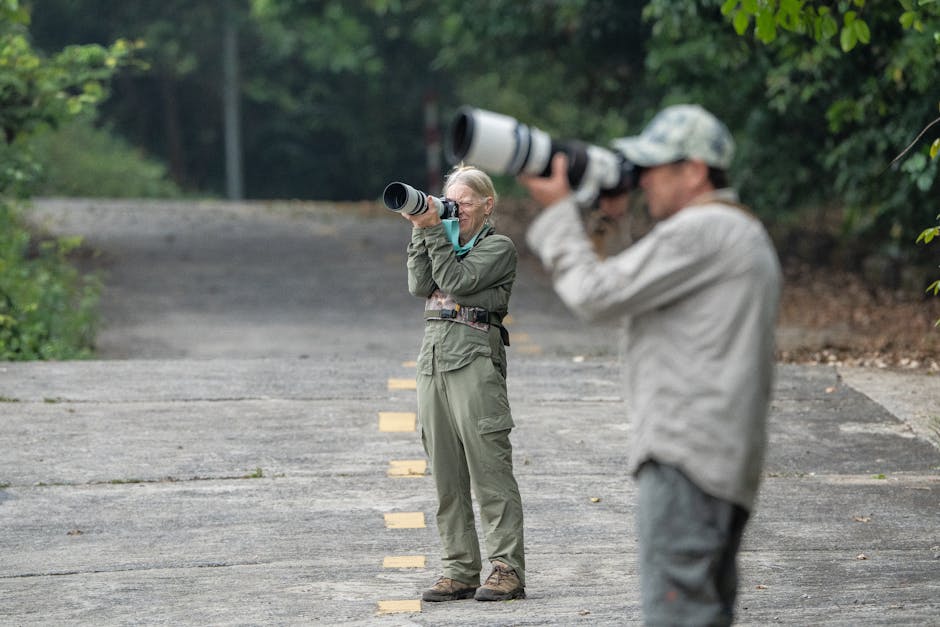
Bring binoculars, a camera with a zoom lens, and neutral-colored clothing to avoid disturbing animals. Avoid flash photography and loud noises.
Carry reusable water bottles and avoid single-use plastics. Many parks have strict waste policies to protect wildlife from pollution.
Follow On-Site Guidelines
Always stay with your guide and follow park rules. Never approach or feed wild animals. Even seemingly tame creatures can be dangerous or carry diseases.
Respect restricted zones and quiet hours. Some areas are closed to protect nesting sites or sensitive habitats.
Ethical Considerations in Wildlife Travel
Not all wildlife experiences are equal. Avoid attractions that involve direct contact with animals, such as elephant rides or photo ops with sedated tigers.
These practices often involve cruelty and exploitation. Instead, support sanctuaries and national parks that prioritize animal welfare and habitat protection.
Ask questions before booking. Reputable operators will explain their conservation efforts and how tourism funds are used.
Supporting Conservation Through Travel
Tourism can be a powerful tool for conservation. Entrance fees, guide services, and lodge revenues often fund anti-poaching units, research, and community programs.
For example, gorilla trekking permits in Rwanda cost $1,500 and directly support mountain gorilla protection. Similarly, Galápagos visitor fees help maintain research stations and invasive species control.
Consider donating to local NGOs or volunteering with conservation projects. Many parks offer citizen science programs for travelers.
Wildlife Viewing Tips for Beginners
Patience is key. Animals are not on display—they follow their own rhythms. Bring a journal to record sightings and behaviors.
Learn basic animal signs, such as tracks, scat, and vocalizations. Guides often point out subtle clues that reveal recent activity.
Use a telephoto lens for photos. This reduces the need to get too close and helps preserve the animal’s natural space.
What to Avoid When Exploring Wildlife
Avoid loud conversations, sudden movements, or wearing bright colors. These can startle animals and disrupt their routines.
Never litter or leave food behind. Even biodegradable items can harm wildlife if ingested. Follow the “leave no trace” principle.
Steer clear of unlicensed guides or “off-the-books” tours. These may bypass safety and conservation standards.
Future of Wildlife Tourism
As awareness grows, more travelers are choosing sustainable options. Technology, such as camera traps and drone monitoring, helps researchers track populations without disturbance.
Virtual reality and live webcams offer alternatives for those unable to travel. However, nothing replaces the impact of seeing animals in their natural environment.
The future of wildlife travel lies in balance—enjoying nature while ensuring it thrives for generations.
FAQ
What is the best time of year to visit for wildlife viewing?
It depends on the destination. In Africa, the dry season (June to October) is ideal. In the Galápagos, wildlife is active year-round, but December to May offers warmer water for snorkeling.
How can I ensure my wildlife trip is ethical?
Choose operators certified by conservation organizations, avoid direct animal contact, and follow park guidelines. Support lodges and guides that contribute to local communities.
Do I need special gear for wildlife travel?
Binoculars, a zoom camera, and neutral clothing are recommended. In some regions, insect repellent, rain gear, or cold-weather clothing may be necessary. Check with your tour provider for specific needs.