Bhutan Travel Guide: Best Places and Travel Tips
Bhutan, the last Himalayan kingdom, offers a rare blend of untouched nature, ancient traditions, and deep cultural roots. This Bhutan travel guide highlights the country’s top destinations, practical travel tips, and essential advice for a smooth journey. From the iconic Tiger’s Nest Monastery to the serene valleys of Bumthang, Bhutan rewards thoughtful travelers with authenticity and tranquility. A daily tourism tariff and mandatory guided tours shape the experience, but the result is a well-managed, sustainable visit that respects both environment and heritage.
Why Visit Bhutan?
Bhutan stands apart from typical tourist destinations. It measures national progress through Gross National Happiness rather than GDP, emphasizing well-being, culture, and environmental conservation. The country limits tourism to preserve its identity, requiring visitors to book through licensed tour operators and pay a daily fee that covers accommodation, meals, transport, and a guide.
This approach ensures low crowds and high-quality experiences. You’ll find fewer souvenir shops and more prayer flags fluttering over mountain passes. The pace is slow, the air is clean, and the people are genuinely welcoming. For travelers seeking depth over distraction, Bhutan delivers.
Top Destinations in Bhutan
Paro: Gateway to the Kingdom
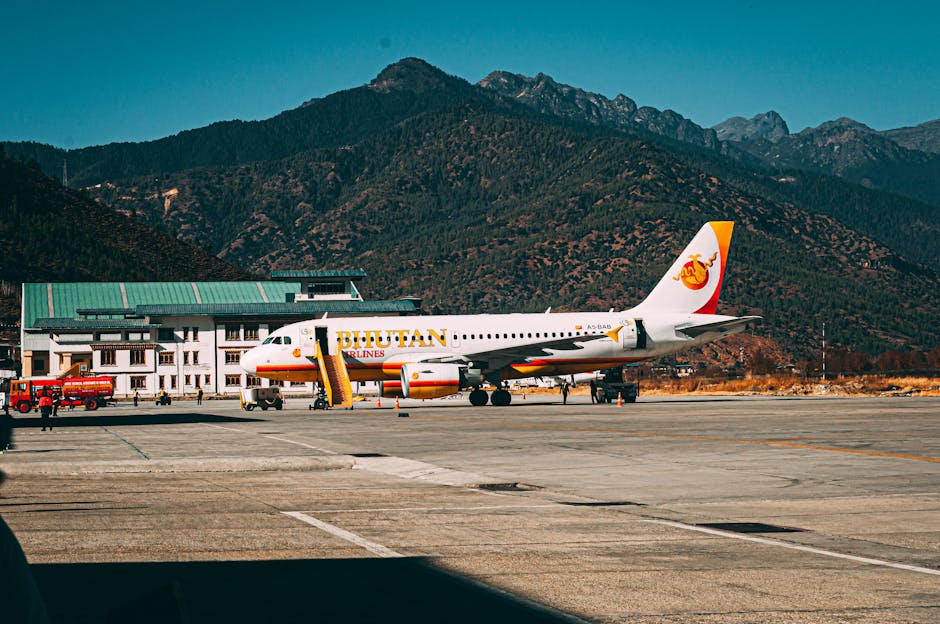
Most international flights land in Paro, a picturesque valley surrounded by terraced fields and forested hills. The town is small but rich in history and scenery. At its heart stands Rinpung Dzong, a massive fortress-monastery that hosts the annual Paro Tsechu festival.
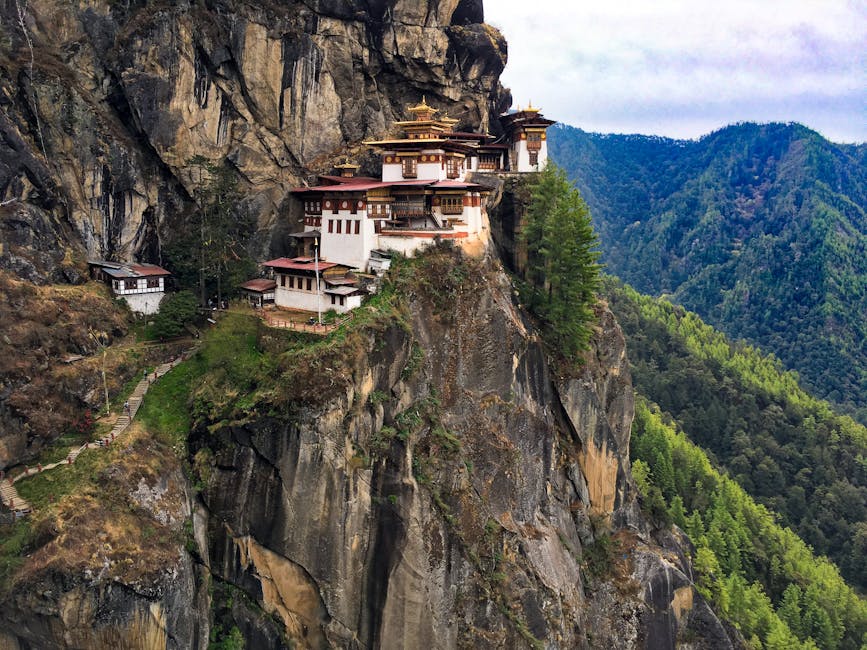
Just a short drive away, the Taktsang Palphug Monastery—better known as Tiger’s Nest—clings to a cliffside 900 meters above the valley floor. Reaching it requires a 2–3 hour hike, but the view from the monastery justifies every step. Arrive early to avoid midday heat and crowds.
Thimphu: The Capital Without Traffic Lights
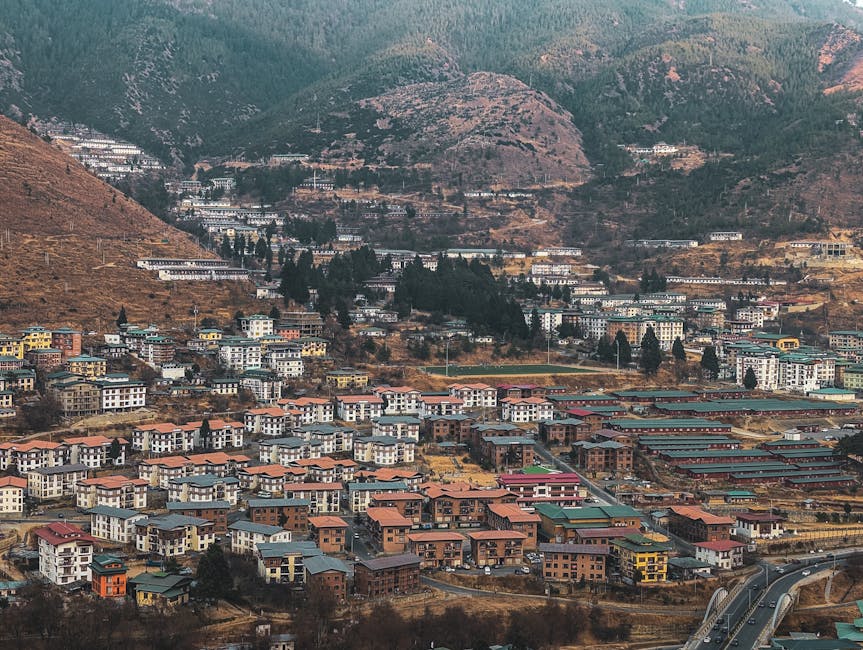
Thimphu blends tradition with modernity in a uniquely Bhutanese way. It’s the only capital city in the world without a single traffic light. Instead, a police officer directs traffic at the main intersection—a symbol of the country’s deliberate pace.
Visit the National Memorial Chorten, a stupa built in honor of the third king. Observe locals circumambulating it daily, spinning prayer wheels and reciting mantras. The Folk Heritage Museum offers insight into rural life, while the weekend market bursts with fresh produce, spices, and handmade crafts.
Punakha: Where Rivers Meet
Nestled at the confluence of the Pho Chhu and Mo Chhu rivers, Punakha is Bhutan’s winter capital and home to the stunning Punakha Dzong. Built in 1637, the dzong is one of the most beautifully located fortresses in the country, framed by red prayer flags and blooming jacaranda trees in spring.
The nearby Chimi Lhakhang, a fertility temple dedicated to the “Divine Madman” Lama Drukpa Kunley, draws couples hoping for children. The short walk through rice fields adds to the charm. Punakha is also a base for rafting and hiking in the surrounding hills.
Gangtey: A Valley of Black-Necked Cranes
In the Phobjikha Valley, Gangtey offers one of Bhutan’s most tranquil landscapes. This glacial valley is a protected nature reserve and a critical winter habitat for the endangered black-necked crane.
From late October to early March, these elegant birds migrate from Tibet to roost in the wetlands. The Gangtey Gompa, a Nyingma Buddhist monastery, overlooks the valley and provides a peaceful backdrop for reflection. Hiking trails wind through pine forests and open meadows, ideal for spotting wildlife and enjoying panoramic views.
Bumthang: The Spiritual Heartland
Bumthang Valley is considered the cultural and spiritual center of Bhutan. It’s dotted with ancient temples, sacred sites, and centuries-old legends. Jambay Lhakhang, one of the kingdom’s oldest temples, hosts a famous festival where locals perform the “Bumthang naked dance” under moonlight.
Kurjey Lhakhang marks the spot where Guru Rinpoche meditated and left an imprint of his body on a rock. The valley’s four districts—Chokhor, Tang, Ura, and Choekhor—each offer distinct landscapes and experiences, from high meadows to dense forests.
Essential Bhutan Travel Tips
Understand the Tourism Tariff
All tourists (except Indian, Bangladeshi, and Maldivian nationals) must pay a Sustainable Development Fee (SDF) of $100 per person per night as of 2024. This is in addition to the minimum daily package price, which covers accommodation, meals, transport, and a licensed guide.
The total cost typically ranges from $200 to $250 per day, depending on the season and level of comfort. High season (March–April and September–November) commands higher prices due to festivals and ideal weather. Budget travelers should note that independent travel is not permitted—you must book through a licensed Bhutanese tour operator.
Choose the Right Season
Bhutan has four distinct seasons, each offering unique experiences. Spring (March to May) brings blooming rhododendrons and clear mountain views. Autumn (September to November) offers stable weather and major festivals like Thimphu Tsechu.
Winter (December to February) is cold, especially at higher elevations, but ideal for seeing black-necked cranes in Phobjikha. Summer (June to August) is monsoon season, with lush greenery but frequent rain and leeches on trails. Avoid trekking during heavy downpours.
Pack Smart for High Altitudes
Much of Bhutan lies above 2,000 meters, with some passes exceeding 3,500 meters. Altitude sickness is rare but possible. Acclimatize gradually—spend your first night in Paro (2,280m) before heading higher.
Pack layers: temperatures vary widely between day and night. Include a waterproof jacket, sturdy hiking shoes, sunscreen, and a reusable water bottle. Electricity is 220V, and outlets are Type D and G, so bring adapters. Mobile coverage is good in towns but spotty in remote areas.
Respect Local Customs
Buddhism shapes daily life in Bhutan. Dress modestly when visiting dzongs, temples, and government buildings—cover shoulders and knees. Always walk clockwise around stupas and mani walls.
Photography is allowed in most outdoor areas, but ask before photographing people or inside religious sites. Avoid public displays of affection. When greeting someone, a slight bow or saying “Kuzuzangpo” (hello) is appreciated.
Eat Like a Local
Bhutanese cuisine centers on red rice, buckwheat, and chilies—often served as the main ingredient, not a spice. Ema datshi, a dish of chilies and cheese, is the national favorite. Try it mild if you’re not used to heat.
Other staples include momos (dumplings), phaksha paa (pork with radishes), and suja (butter tea). Most meals are included in your tour package. Vegetarian options are widely available due to Buddhist influences. Drink bottled or boiled water to avoid stomach issues.
Getting Around Bhutan
Internal travel is managed by your tour operator. Most journeys are by private vehicle with a driver and guide. Roads are narrow and winding, especially in mountainous regions. Allow extra time for travel—distances are short, but speeds are slow.
Domestic flights connect Paro to Bumthang and Gelephu, offering breathtaking views of the Himalayas. Druk Air and Bhutan Airlines operate these routes. Flights are weather-dependent and may be delayed or canceled in bad conditions.
Hiking is a popular way to explore. Trails range from easy walks to multi-day treks like the Druk Path. Always go with a guide—they know the routes, weather patterns, and cultural sites. Solo hiking is not permitted.
Festivals: A Window into Bhutanese Culture
Tsechus are religious festivals held annually in each district. They feature masked dances, music, and rituals performed by monks and laymen. These events attract locals in traditional dress and offer visitors a rare glimpse into Bhutanese spirituality.
The Paro Tsechu in spring and Thimphu Tsechu in autumn are among the most popular. Arrive early to secure a good viewing spot. Photography is usually allowed during dances, but be respectful—avoid using flash or blocking others’ views.
Note that some sacred dances are restricted to locals only. Your guide will inform you which parts are open to tourists. Festivals can increase accommodation demand, so book well in advance.
Sustainable Travel in Bhutan
Bhutan is carbon-negative, absorbing more CO₂ than it emits. Forests cover over 70% of the country, and the constitution mandates that at least 60% remain forested forever. Plastic bags are banned, and single-use plastics are being phased out.
Tourism supports conservation through the SDF, which funds education, healthcare, and environmental projects. Choose eco-friendly lodges when possible, minimize waste, and support local artisans by buying handmade crafts directly from shops or markets.
Avoid touching or climbing on ancient structures. Stay on marked trails to protect fragile ecosystems. Your responsible behavior helps preserve Bhutan for future generations.
Final Thoughts on Your Bhutan Journey
A trip to Bhutan is more than a vacation—it’s an immersion in a culture that values balance, mindfulness, and nature. The structured tourism model may feel restrictive at first, but it ensures quality, sustainability, and authenticity.
From the misty peaks of the Himalayas to the quiet hum of monastery bells, Bhutan leaves a lasting impression. Plan carefully, respect local norms, and embrace the slower pace. You’ll return not just with photos, but with a deeper sense of connection.
FAQ
Do I need a visa to visit Bhutan?
Yes, all tourists require a visa, which must be arranged through a licensed Bhutanese tour operator. The visa is processed upon confirmation of your travel package and payment of the daily tariff.
Can I travel independently in Bhutan?
No, independent travel is not allowed. All visitors must book a package tour with a licensed operator and be accompanied by a guide at all times.
Is Bhutan safe for solo travelers?
Yes, Bhutan is very safe, with low crime rates and welcoming locals. Solo travelers are welcome, though the guided tour requirement means you’ll always have a companion. Many operators offer small-group or private tours suitable for individuals.