Nature Travel Guide with Hidden Natural Destinations
Looking for a nature travel guide with hidden natural destinations? You’re not alone. While popular parks and well-known trails draw crowds, some of the most breathtaking landscapes remain off the beaten path. This guide highlights lesser-known natural wonders across diverse ecosystems—from secluded waterfalls to untouched alpine meadows—offering practical tips to help you explore responsibly and safely. Whether you’re a seasoned hiker or a weekend adventurer, these hidden gems deliver authentic experiences without the congestion of mainstream tourism.
Why Choose Hidden Natural Destinations?
Hidden natural destinations offer more than just solitude. They provide a chance to witness ecosystems in their purest form, often with minimal human impact. These locations tend to preserve biodiversity and cultural heritage better than heavily visited sites.
Traveling to lesser-known areas also supports local communities. Many remote destinations rely on sustainable tourism as a primary income source. By visiting, you contribute directly to conservation efforts and regional economies.
Additionally, these spots often require more planning, which can deepen your connection to the journey. The reward? Unfiltered beauty and a sense of discovery that’s hard to find in crowded national parks.
Top Hidden Natural Destinations Around the World
1. Lençórs de Mello, Brazil
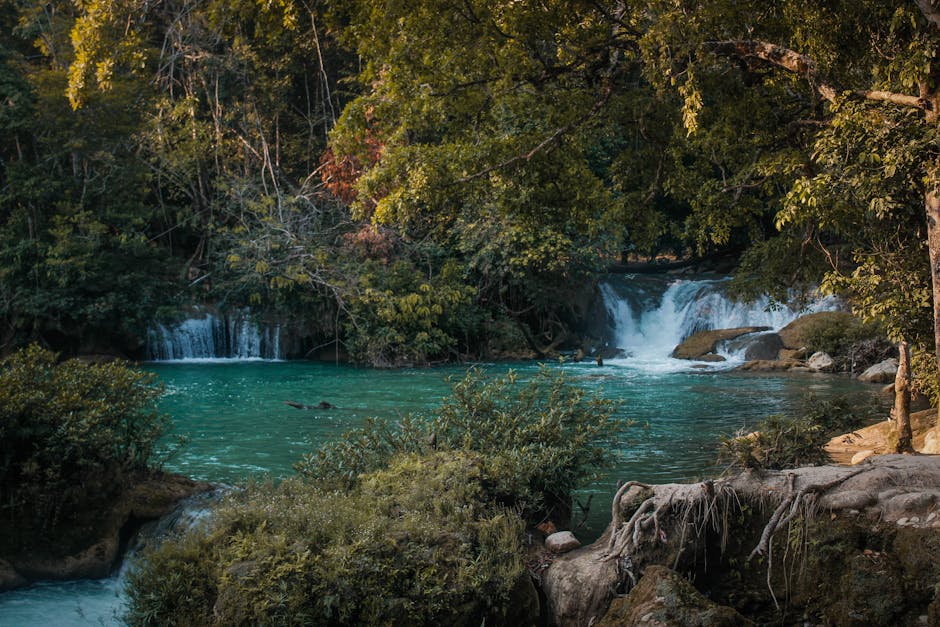
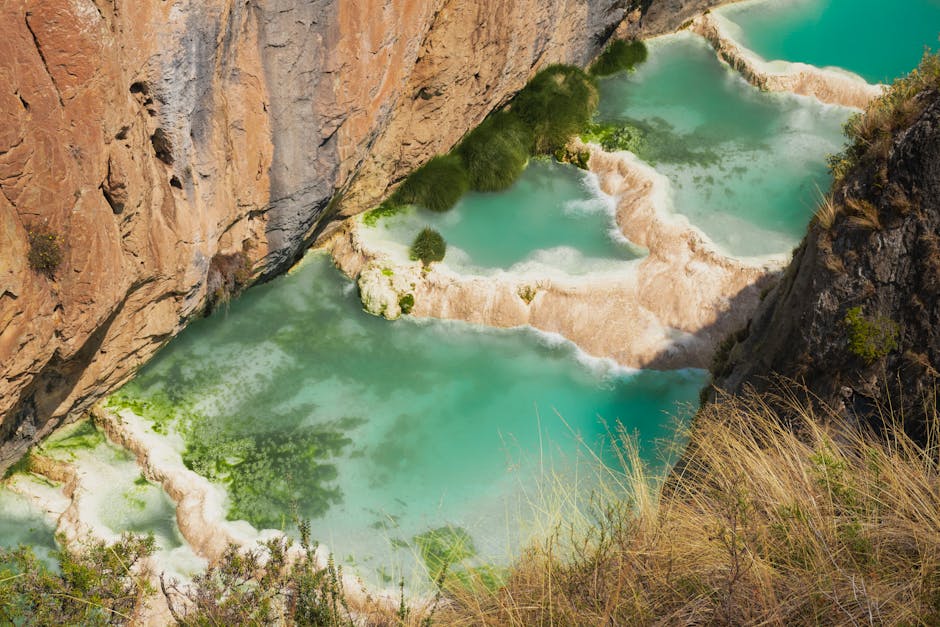
Tucked away in the Atlantic Forest of southeastern Brazil, Lençórs de Mello is a chain of crystal-clear lagoons formed by waterfalls cascading over white rock formations. Unlike the nearby Iguaçu Falls, this area sees few tourists despite its striking resemblance to more famous destinations.
Accessible via a moderate 2-kilometer hike, the site offers swimming opportunities in turquoise pools surrounded by lush vegetation. Visit between May and September for the best water clarity and fewer mosquitoes.
2. Faroe Islands, North Atlantic
This remote archipelago between Iceland and Norway features dramatic cliffs, grass-roof villages, and hiking trails that feel otherworldly. With a population under 50,000, the Faroe Islands offer vast open spaces and minimal light pollution.
One standout trail leads to Kalsoy Island’s Kallur Lighthouse, where you can watch puffins in summer and experience near-total silence. Ferries connect the islands, but renting a car gives greater flexibility for exploring hidden coves and abandoned settlements.
3. Tsingy de Bemaraha, Madagascar
Known as the “stone forest,” Tsingy de Bemaraha is a UNESCO World Heritage Site featuring razor-sharp limestone formations. The landscape looks like something from another planet, with narrow canyons and suspended walkways guiding visitors through the maze.
Wildlife here is unique—lemurs, fossas, and rare birds thrive in this protected area. Due to its remoteness, visitor numbers are low, making it ideal for those seeking adventure and solitude. Guided tours are required, and sturdy footwear is essential.
4. Jiuzhaigou Valley, China
While not entirely unknown, Jiuzhaigou Valley remains less crowded than other Chinese natural sites like Zhangjiajie. This Tibetan-influenced valley in Sichuan Province boasts multi-colored lakes, snow-capped peaks, and cascading waterfalls.
The park’s recovery after a 2017 earthquake has been remarkable, with trails reopened and visitor limits enforced to protect the environment. Early morning visits offer the best light and fewer crowds.
5. Dovrefjell-Sunndalsfjella National Park, Norway
Home to wild musk oxen and reindeer herds, this park straddles the Arctic and alpine zones. Unlike Norway’s more famous fjords, Dovrefjell offers expansive plateaus and quiet trails perfect for multi-day treks.
The park’s visitor center in Oppdal provides maps and safety advice. Summer hikers should prepare for sudden weather changes, while winter offers cross-country skiing and northern lights viewing.
How to Find Hidden Natural Destinations
Use Local Resources and Community Knowledge
Tourism boards and local guides often know about lesser-visited areas that don’t appear on mainstream travel sites. Contact regional visitor centers or join local hiking groups online to get insider tips.
In many countries, national park websites list lesser-known trails or seasonal access points. For example, Parks Canada offers detailed trail maps with crowd estimates, helping you avoid busy routes.
Leverage Offline Maps and GPS Apps
Apps like Gaia GPS, AllTrails, and Maps.me allow you to download offline maps, essential when visiting remote areas with no cell service. These tools often include user-submitted trails that aren’t on official maps.
Look for routes with fewer reviews or ratings—these are often indicators of hidden gems. Be cautious, though: less-traveled trails may lack maintenance or clear signage.
Follow Conservation and Eco-Tourism Organizations
Groups like The Nature Conservancy, WWF, and local NGOs frequently promote sustainable travel initiatives. They may highlight protected areas open to visitors with low environmental impact.
Some organizations run volunteer programs that include access to restricted natural zones. These experiences offer deeper engagement with conservation efforts while exploring untouched landscapes.
Planning Your Trip: Practical Tips
Research Seasonal Conditions
Hidden destinations often have narrow windows for safe travel. In alpine regions, snow may block trails well into June. In tropical zones, rainy seasons can make rivers impassable or increase insect activity.
Check historical weather data and recent traveler reports before finalizing dates. For example, Patagonia’s shoulder seasons (April–May and September–October) offer mild weather and fewer tourists than peak summer months.
Pack for Self-Sufficiency
Remote areas rarely have nearby shops or medical facilities. Pack a first-aid kit, water purification tools, extra food, and a satellite communicator if traveling deep into wilderness.
Clothing should be layered and weather-appropriate. Even in summer, mountain regions can drop below freezing at night. A lightweight emergency shelter can be a lifesaver if stranded.
Respect Local Regulations and Cultures
Many hidden natural destinations are on indigenous lands or protected reserves. Always check permit requirements, camping rules, and cultural sensitivities.
In places like New Zealand’s Te Wahipounamu or Canada’s Indigenous territories, visitors may need to register with local iwi or First Nations groups. Respecting these protocols ensures continued access for future travelers.
Leave No Trace: Traveling Responsibly
Follow the Seven Principles
The Leave No Trace principles are essential for preserving hidden natural destinations. Plan ahead, travel on durable surfaces, and pack out all trash—including biodegradable items like fruit peels.
Camp at least 200 feet from lakes and streams to protect water quality. Use established fire rings where permitted, or better yet, use a camp stove to minimize impact.
Minimize Noise and Light Pollution
One of the main draws of hidden destinations is their tranquility. Keep voices low, avoid loud music, and use red-light filters on headlamps at night to preserve the natural ambiance.
Wildlife is especially sensitive to human disturbance. Observe animals from a distance and never feed them—human food can harm their health and alter natural behaviors.
Support Conservation Efforts
Consider donating to local conservation groups or purchasing permits that fund trail maintenance and ranger programs. Even small contributions help protect these fragile environments.
Share your experiences responsibly on social media. Avoid tagging exact locations of sensitive sites to prevent overcrowding. Instead, describe the region broadly or use general hashtags like #HiddenNature or #WildernessTravel.
Safety Considerations for Remote Travel
Inform Someone of Your Plans
Always tell a trusted person your itinerary, including expected return time and route. In case of emergency, this information can speed up rescue efforts.
Carry a personal locator beacon (PLB) or GPS messenger if traveling solo or in high-risk areas. Devices like Garmin inReach allow two-way texting even without cell service.
Be Prepared for Emergencies
Know basic first aid and how to treat common injuries like sprains, cuts, or hypothermia. Take a wilderness first aid course before extended trips.
Carry a physical map and compass as backup. GPS devices can fail due to battery drain or signal loss, especially in canyons or dense forests.
Avoid Risky Behavior
Don’t attempt trails beyond your skill level. Hidden destinations often lack signage and emergency services. If a route feels unsafe, turn back.
Never swim in unfamiliar waters without checking for currents, depth, or submerged hazards. Many hidden waterfalls have strong undertows or cold temperatures that can cause shock.
Making the Most of Your Nature Travel Experience
Slow Down and Observe
Unlike fast-paced city tours, nature travel rewards patience. Spend time watching bird behavior, identifying plant species, or simply sitting quietly to absorb the surroundings.
Bring a field guide or use an app like iNaturalist to learn about local flora and fauna. Documenting sightings contributes to citizen science projects.
Travel with Purpose
Set an intention for your trip—whether it’s photography, meditation, or learning about geology. This focus enhances the experience and helps you connect more deeply with the environment.
Journaling your journey can preserve memories and provide insights for future trips. Note weather patterns, wildlife encounters, and personal reflections.
Choose Sustainable Accommodations
When staying overnight, opt for eco-lodges, homestays, or designated campgrounds. These options typically have lower environmental footprints and support local economies.
Avoid building makeshift shelters or clearing vegetation for campsites. Use existing facilities whenever possible to reduce your impact.
Final Thoughts on Exploring Hidden Natural Destinations
A nature travel guide with hidden natural destinations isn’t just about finding empty trails—it’s about fostering a deeper relationship with the planet. These remote places offer clarity, inspiration, and a reminder of what’s at stake if we don’t protect wild spaces.
With thoughtful planning and respect for the environment, your journey can be both rewarding and sustainable. The world’s hidden corners are waiting—quiet, pristine, and full of wonder.
FAQ
How do I find hidden natural destinations without damaging them?
Research through local tourism boards, conservation groups, and offline mapping apps. Always follow Leave No Trace principles and avoid sharing exact locations on social media to prevent overcrowding.
Are hidden natural destinations safe for solo travelers?
Many are safe with proper preparation. Inform someone of your plans, carry emergency communication devices, and choose well-marked or lightly traveled routes. Avoid remote areas with known safety risks or political instability.
What should I pack for a trip to a remote natural destination?
Essentials include a first-aid kit, water purification tools, extra food, layered clothing, a physical map, compass, and a satellite communicator. Pack light but prepare for changing weather and potential delays.