Best Wildlife Travel Destinations for Nature Photography
For nature photographers, capturing the raw beauty of wildlife in their natural habitats is a powerful pursuit. The best wildlife travel destinations offer not just stunning visuals, but also ethical access, diverse species, and optimal shooting conditions. Whether you’re after big cats on the savanna, rare birds in tropical rainforests, or marine life beneath icy waters, choosing the right location is essential. This guide highlights top global destinations where light, landscape, and animal behavior align to create unforgettable photographic opportunities.
Why Location Matters in Wildlife Photography
The success of a nature photo often hinges on geography. A well-chosen destination increases your chances of encountering target species during active periods. It also affects lighting, background composition, and accessibility. For example, open plains like the Serengeti allow for clear, unobstructed shots, while dense forests require patience and specialized gear.
Weather patterns, migration cycles, and human impact also play roles. Some locations offer year-round opportunities, while others peak during specific seasons. Researching these factors ensures you arrive prepared—both logistically and creatively.
Key Factors to Consider
Start by identifying your photographic goals. Are you focused on mammals, birds, or underwater scenes? Different ecosystems support different subjects. Next, evaluate travel logistics: permits, guide requirements, and safety protocols vary widely.
Lighting conditions matter just as much as animal presence. Golden hour—shortly after sunrise and before sunset—offers soft, warm light ideal for portraits and action shots. Midday sun can create harsh shadows, especially in open terrain.
Finally, consider ethical practices. Responsible wildlife tourism prioritizes animal welfare over photo opportunities. Avoid locations that encourage baiting, crowding, or disruptive behavior.
Top Wildlife Travel Destinations for Nature Photography
1. Maasai Mara National Reserve, Kenya
The Maasai Mara is legendary for its vast grasslands and high density of predators. It’s one of the few places where you can photograph lions, leopards, cheetahs, and hyenas in a single day. The annual wildebeest migration—typically from July to October—draws thousands of animals across the plains, creating dramatic scenes of movement and survival.
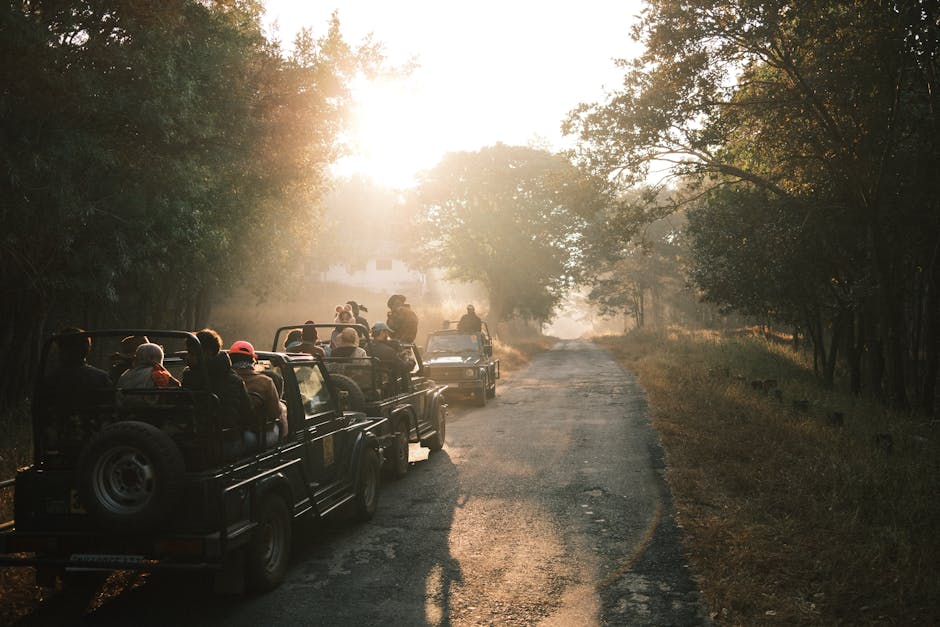
Open vehicles with pop-up roofs are standard, offering unobstructed views. Early morning game drives yield the best light and animal activity. Bring a telephoto lens (400mm or longer) for close-ups without disturbing the wildlife.
Stay in eco-friendly lodges or mobile camps that follow strict conservation guidelines. Avoid flash photography, which can startle animals and alter natural behavior.
2. Pantanal, Brazil
As the world’s largest tropical wetland, the Pantanal hosts an astonishing concentration of wildlife. Jaguars are the star attraction, often spotted along riverbanks during dry season (May to September). Unlike other regions, jaguars here are relatively habituated to boats, allowing for safe, close-range photography.
Boat safaris are the primary method of exploration. They provide unique angles—eye-level with caimans, capybaras, and giant river otters. The reflective water surfaces add depth and symmetry to compositions.
Birdlife is equally impressive. Hyacinth macaws, jabirus, and toucans are common. A zoom lens (70-200mm) works well for perched birds, while a fast shutter speed captures flight.
3. Galápagos Islands, Ecuador
The Galápagos offer a rare chance to photograph endemic species with minimal fear of humans. Marine iguanas, blue-footed boobies, and Galápagos penguins go about their routines undisturbed. Snorkeling or diving adds underwater opportunities with sea lions, reef sharks, and sea turtles.
Strict visitor regulations limit group sizes and dictate where you can go. Only licensed naturalist guides can lead tours, ensuring minimal environmental impact. Photography is allowed, but maintaining a 2-meter distance from animals is mandatory.
Use a waterproof housing for your camera if shooting in or near water. Overcast skies are common, so adjust your ISO and aperture accordingly. Patience pays off—many iconic shots come from waiting quietly near nesting sites.
4. Churchill, Manitoba, Canada
Known as the “Polar Bear Capital of the World,” Churchill offers unparalleled access to these apex predators. From October to November, bears gather along the Hudson Bay coast, waiting for sea ice to form. Tundra vehicles—specially designed buses with elevated viewing platforms—allow safe observation and photography.
Winter brings another spectacle: the northern lights. While not wildlife, the aurora adds a surreal backdrop to snowy landscapes. Arctic foxes, snowy owls, and caribou are also present, though less predictable.
Dress in layers and use lens hoods to prevent frost buildup. Batteries drain quickly in cold weather, so carry spares. Shoot in RAW format to retain detail in high-contrast lighting.
5. Borneo, Malaysia
Borneo’s rainforests shelter some of the planet’s most endangered species. Orangutans, pygmy elephants, and proboscis monkeys inhabit protected areas like Kinabatangan Wildlife Sanctuary and Danum Valley. Early mornings and late afternoons are prime times for sightings.
Canopy walks and river cruises provide varied perspectives. A macro lens is useful for capturing insects, frogs, and orchids—key elements of the forest ecosystem. Low light under the canopy demands a fast lens (f/2.8 or wider) and higher ISO settings.
Permits are required for certain zones. Work with local guides who know animal trails and vocalizations. Avoid using flash near primates, as it can cause stress or disorientation.
6. Antarctica
For adventurous photographers, Antarctica delivers otherworldly landscapes and marine wildlife. Penguins, seals, and whales thrive in this pristine environment. Zodiac landings allow close—but respectful—encounters with colonies of Adélie, Gentoo, and Chinstrap penguins.
Summer (November to March) offers 20+ hours of daylight, ideal for extended shooting sessions. Icebergs, glaciers, and reflective waters create stunning compositions. A polarizing filter reduces glare on snow and water.
Expedition cruises follow IAATO guidelines to minimize disturbance. Never approach animals directly; let them initiate contact. Drones are prohibited in most areas to protect wildlife.
7. Yellowstone National Park, USA
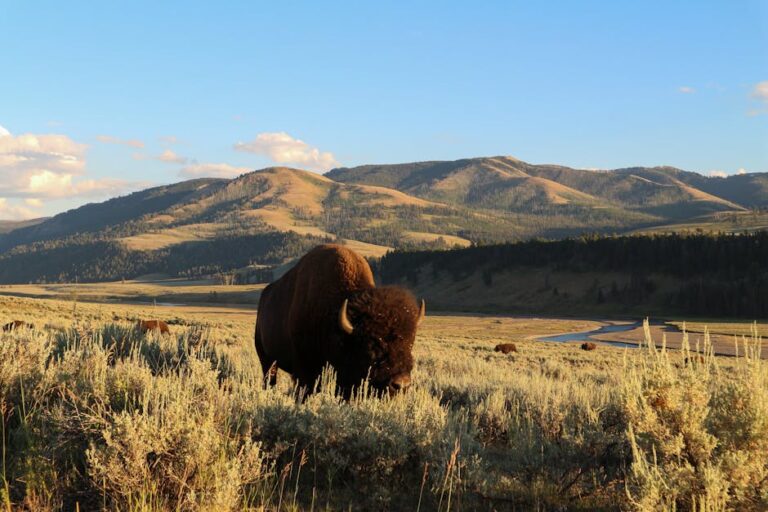
Yellowstone combines geothermal features with abundant wildlife. Bison, elk, wolves, and grizzly bears roam freely across meadows and forests. The Lamar Valley, often called “America’s Serengeti,” is a hotspot for predator photography.
Winter transforms the park into a monochrome wonderland. Steam rising from geysers contrasts with snow-covered landscapes. Thermal areas require caution—stay on designated paths to avoid injury.
Use a telephoto lens to maintain safe distances, especially with bears and wolves. Dawn and dusk offer the best light and animal movement. Check road conditions and closures before visiting.
8. Raja Ampat, Indonesia
This remote archipelago in West Papua is a mecca for underwater photography. Coral reefs teem with fish, sharks, manta rays, and rare nudibranchs. Visibility often exceeds 30 meters, allowing crisp, colorful images.
Liveaboard boats provide access to remote dive sites. A strobe or video light enhances colors lost at depth. Practice buoyancy control to avoid damaging delicate corals.
Surface intervals offer chances to photograph birds and island scenery. Bring a backup camera and memory cards—replacement gear is scarce in these parts.
Essential Gear and Preparation Tips
Your equipment should match your destination and subject. A full-frame DSLR or mirrorless camera delivers superior image quality in low light. Pair it with a telephoto lens (100-400mm or longer) for distant animals and a wide-angle lens (16-35mm) for landscapes.
Tripods stabilize long exposures, especially in dim forests or at dawn. Monopods are lighter and more practical for mobile safaris. Always carry extra batteries, memory cards, and lens cleaning kits.
Weather protection is crucial. Rain covers, silica gel packs, and padded bags safeguard gear from moisture and dust. In cold climates, keep batteries warm in an inner pocket.
Camera Settings for Wildlife
Use shutter priority mode (Tv or S) to freeze motion. Aim for at least 1/1000s for running animals or flying birds. Increase ISO as needed, but avoid excessive noise.
Aperture priority (Av or A) works well for portraits, using wide apertures (f/2.8–f/5.6) to blur backgrounds. Manual mode offers full control in changing light.
Continuous autofocus (AI Servo or AF-C) tracks moving subjects. Back-button focusing separates focus from the shutter release, improving accuracy.
Ethical Wildlife Photography Practices
Respect for animals and habitats should always come first. Never bait, chase, or provoke wildlife for a better shot. Use natural calls sparingly and only if permitted.
Maintain a safe distance. If an animal changes behavior—such as stopping feeding or staring at you—you’re too close. Use zoom lenses instead of approaching.
Follow local regulations. Some parks ban drones, flash, or off-trail travel. Violations can harm ecosystems and result in fines or expulsion.
Share responsibly. Avoid geotagging sensitive locations on social media. Overexposure can lead to overcrowding and stress on animals.
When to Visit: Seasonal Considerations
Timing affects both animal activity and photo conditions. Dry seasons often concentrate wildlife around water sources, increasing sightings. Wet seasons bring lush greenery and newborn animals, but also rain and mud.
Migration periods offer dynamic scenes but require advance planning. Book accommodations and permits early—popular destinations fill quickly.
Shoulder seasons (just before or after peak times) may offer fewer crowds and lower prices, with still-reliable wildlife activity.
Budgeting and Planning Your Trip
Wildlife photography trips can be costly. Flights, permits, guides, and gear add up. Prioritize destinations that align with your budget and skill level.
Group tours often reduce costs and provide expert guidance. Solo travel offers flexibility but requires more research and self-reliance.
Travel insurance is essential. It should cover gear loss, medical emergencies, and trip cancellations. Check policy details before purchasing.
Final Thoughts
The best wildlife travel destinations for nature photography combine biodiversity, accessibility, and ethical practices. Whether you’re drawn to the savannas of Africa, the jungles of Southeast Asia, or the polar extremes, preparation and respect are key. Focus on storytelling through your images—capture not just the animal, but its environment and behavior.
Invest in quality gear, but remember that skill and patience matter more than equipment. Learn animal habits, master your camera settings, and always prioritize conservation. The most powerful wildlife photos don’t just showcase beauty—they inspire protection.
FAQ
What is the best time of year for wildlife photography in Africa?
The dry season (typically June to October) is ideal. Animals gather around waterholes, and vegetation is sparse, making sightings easier. The Great Migration in the Serengeti and Maasai Mara peaks between July and September.
Do I need special permits for wildlife photography?
Yes, many protected areas require photography permits in addition to entry fees. These help fund conservation and limit visitor impact. Check with park authorities or tour operators before your trip.
Can I use a drone for wildlife photography?
In most wildlife destinations, drones are banned or heavily restricted. They can disturb animals, especially birds and marine mammals. Always verify local regulations and prioritize ethical practices over aerial shots.