Saudi Arabia Travel Guide: Top Places and Travel Tips
Saudi Arabia offers a unique blend of ancient heritage, modern innovation, and dramatic landscapes. From the holy cities of Mecca and Medina to the futuristic skyline of NEOM, the Kingdom is opening up to international travelers with more visa options and cultural experiences than ever before. Whether you’re drawn to desert adventures, historical sites, or luxury resorts, this Saudi Arabia travel guide covers essential destinations, practical advice, and insider tips to help you plan a safe and rewarding trip.
Why Visit Saudi Arabia?
Saudi Arabia is transforming rapidly under its Vision 2030 initiative, making it an increasingly accessible and exciting destination. Once limited to pilgrims and business travelers, the country now welcomes tourists with e-visas available to citizens of over 50 countries. The government is investing heavily in tourism infrastructure, opening up regions like AlUla and the Red Sea Project to visitors.
Travelers can explore UNESCO World Heritage Sites, experience Bedouin hospitality in the desert, or relax on pristine beaches along the Red Sea. The country’s diverse geography—from mountains and wadis to vast sand seas—offers something for every type of adventurer. With improved transportation links and English signage in major areas, navigating Saudi Arabia has never been easier.
Top Destinations in Saudi Arabia
Riyadh: The Modern Capital
Riyadh, the capital city, blends tradition with modernity. The Kingdom Centre Tower offers panoramic views of the city, while the historic Masmak Fortress provides insight into Saudi Arabia’s unification. Visit the National Museum for a well-curated overview of the country’s history and culture.
For a taste of local life, explore the bustling souks in the old town, especially Souq al-Thumairi, known for traditional perfumes and handicrafts. Dining options range from street food at Al-Masmak to fine dining at international restaurants in the Diplomatic Quarter.
Jeddah: Gateway to the Red Sea
Jeddah serves as the main entry point for pilgrims heading to Mecca and Medina, but it’s also a vibrant coastal city worth exploring. The historic Al-Balad district, a UNESCO site, features coral stone buildings and narrow alleyways dating back centuries.
The Corniche offers scenic waterfront walks, beach access, and family-friendly parks. Don’t miss the floating mosque, a striking white structure that appears to rise from the sea at high tide. Jeddah is also known for its art scene, with galleries and public installations throughout the city.
Mecca and Medina: Spiritual Centers
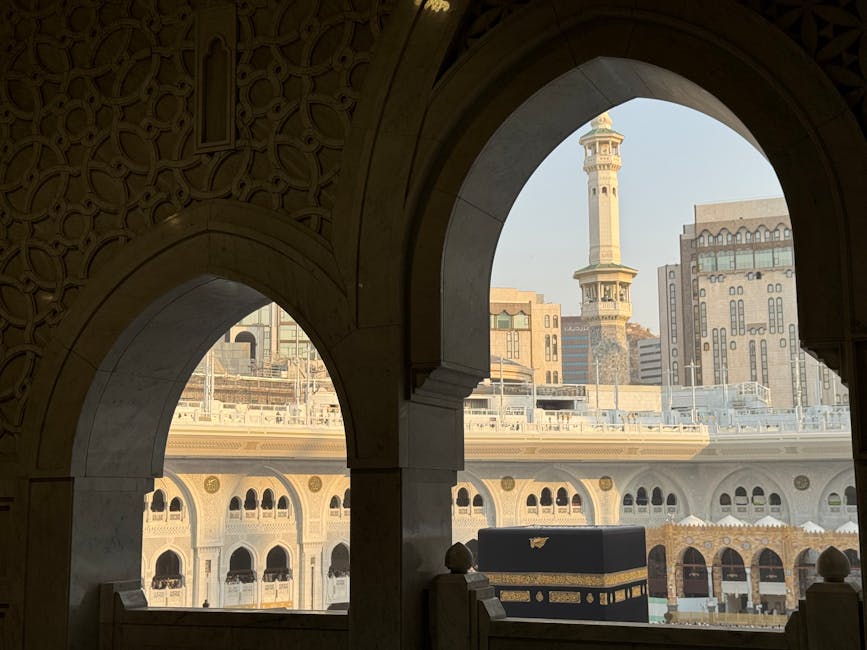
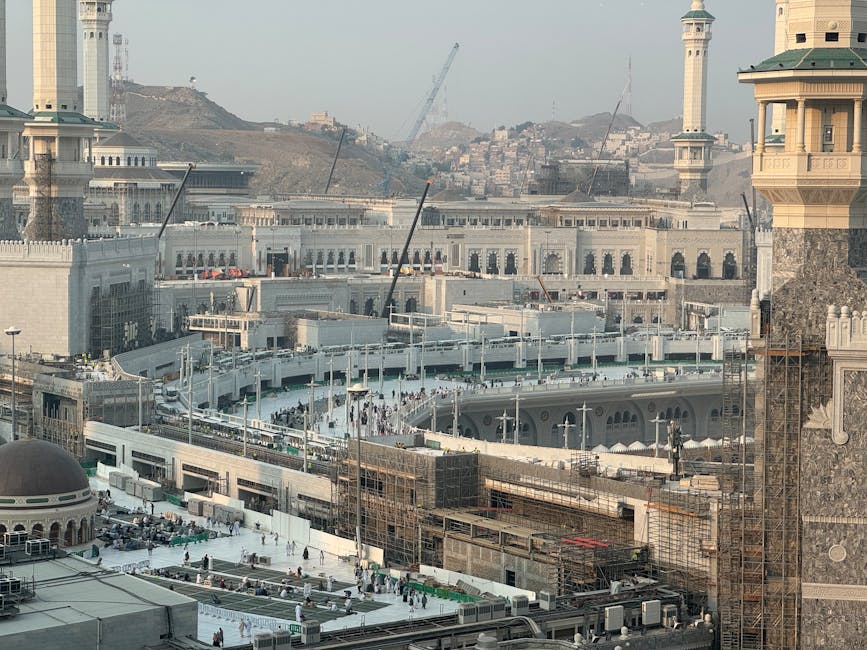
Mecca and Medina are sacred cities for Muslims and are central to Islamic faith. While non-Muslims are not permitted to enter Mecca, Medina allows non-Muslim visitors in certain areas outside the Haram boundary. Both cities offer profound historical and religious significance.
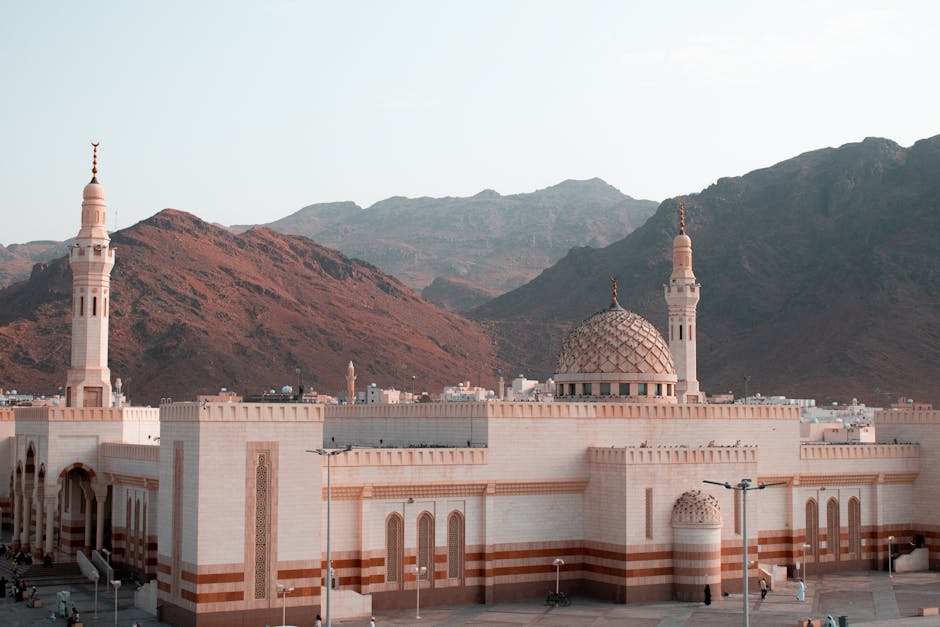
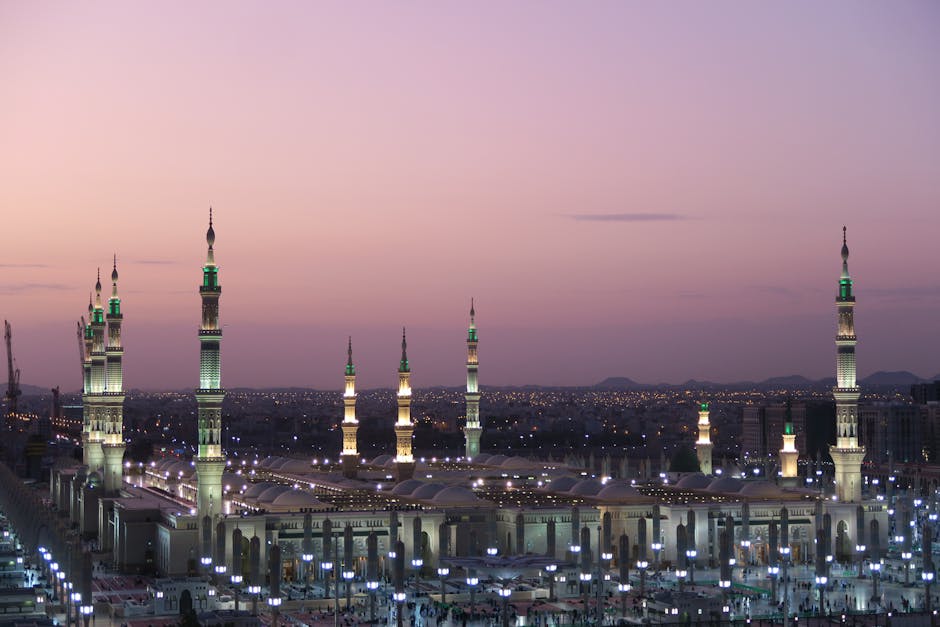
In Medina, the Prophet’s Mosque (Al-Masjid an-Nabawi) is a must-see, with its green dome and expansive courtyards. Visitors can also explore the Quba Mosque, the first mosque built in Islamic history. Guided tours are available to help non-Muslims understand the sites respectfully and safely.
AlUla: A Living Museum
AlUla is one of Saudi Arabia’s most spectacular destinations, home to the ancient Nabataean city of Hegra (Madâin Sâlih), a UNESCO World Heritage Site. Carved into sandstone cliffs, these tombs rival those of Petra in Jordan and date back over 2,000 years.
The nearby Old Town of AlUla features restored mud-brick buildings and artisan workshops. Visitors can take guided tours, ride camels through the desert, or hike in the surrounding valleys. The annual Winter at Tantora festival brings music, art, and cultural performances to the region.
NEOM and the Red Sea Project: The Future of Tourism
NEOM is a $500 billion megacity under development in the northwest, designed to be a hub for innovation, sustainability, and tourism. While still in early stages, parts of the project are open for limited visits, including the Line—a 170-kilometer linear city with no cars or streets.
The Red Sea Project, another Vision 2030 initiative, aims to create a luxury eco-tourism destination across 90 islands. High-end resorts are opening gradually, with an emphasis on conservation and low-impact travel. Flights from Riyadh and Jeddah connect to the new Red Sea International Airport.
Asir Region: Mountains and Culture
The Asir region in southwest Saudi Arabia offers a cooler climate and lush landscapes, a contrast to the deserts elsewhere. The city of Abha is known for its terraced farms, traditional villages, and vibrant markets. The Asir National Park provides hiking trails with views of mist-covered mountains.
Local culture is distinct, with colorful clothing, unique architecture, and traditional dances like the Ardha. The region hosts the annual Abha Festival, featuring music, food, and handicrafts. It’s a great place to experience Saudi hospitality in a more relaxed setting.
Travel Tips for Saudi Arabia
Visa and Entry Requirements
Most travelers can obtain an e-visa online before arrival. The visa is typically valid for one year and allows multiple entries, with stays of up to 90 days per visit. Required documents include a passport valid for at least six months, a recent photo, and proof of accommodation.
Visitors must be aware of local laws and customs. Public behavior should be respectful—avoid public displays of affection, and dress modestly, especially in religious or rural areas. Women are no longer required to wear an abaya in public, but loose, covering clothing is still recommended.
Best Time to Visit
The ideal time to travel to Saudi Arabia is between November and March, when temperatures are mild and pleasant, especially in the desert regions. Summer months can be extremely hot, with temperatures exceeding 45°C (113°F) in many areas.
Winter is also the peak season for festivals and events, such as Riyadh Season and Jeddah Season, which feature concerts, food fairs, and cultural performances. Book accommodations and flights early during these periods.
Transportation and Getting Around
Domestic flights are the fastest way to travel between major cities. Saudi Arabian Airlines and Flynas operate frequent routes between Riyadh, Jeddah, Medina, and Dammam. High-speed trains, like the Haramain High-Speed Railway, connect Jeddah, Mecca, and Medina in under two hours.
Renting a car is an option in cities like Riyadh and Jeddah, but driving can be challenging due to aggressive traffic and limited signage in English. Ride-hailing apps like Uber and Careem are widely available and often more convenient for short trips.
Currency and Payments
The official currency is the Saudi Riyal (SAR). ATMs are widely available in cities, and credit cards are accepted at hotels, malls, and larger restaurants. Cash is still preferred in rural areas and smaller shops.
Tipping is not mandatory but appreciated for good service—around 10% in restaurants and a few riyals for hotel staff or drivers. Always carry some cash for small purchases or donations at religious sites.
Health and Safety
Saudi Arabia is generally safe for travelers, with low crime rates in tourist areas. However, it’s wise to stay informed about regional developments and avoid border areas near Yemen due to security concerns.
No specific vaccinations are required for entry, but routine vaccines and those for hepatitis A and typhoid are recommended. Tap water is not safe to drink—stick to bottled water. Pharmacies are well-stocked, and major hospitals offer quality care, especially in Riyadh and Jeddah.
Language and Communication
Arabic is the official language, but English is widely spoken in hotels, airports, and tourist areas. Learning a few basic Arabic phrases—like “shukran” (thank you) or “marhaban” (hello)—can go a long way in showing respect.
Mobile coverage is excellent in cities, and SIM cards from STC, Mobily, or Zain can be purchased at airports. Wi-Fi is available in most hotels and cafes, though some social media platforms may be restricted.
Cultural Etiquette and What to Expect
Saudi culture is deeply rooted in Islamic traditions and Arab customs. Respect for religion and local norms is essential. During Ramadan, eating, drinking, or smoking in public during daylight hours is prohibited for everyone, including non-Muslims.
Photography should be done discreetly—always ask permission before photographing people, especially women. Avoid taking pictures of government buildings, military sites, or religious ceremonies without authorization.
Hospitality is a cornerstone of Saudi culture. If invited to a local’s home, bring a small gift like dates or sweets. Shoes are typically removed before entering homes, and meals are often shared from a communal plate.
What to Eat and Drink
Saudi cuisine is flavorful and diverse, influenced by Bedouin, Levantine, and South Asian traditions. Start with kabsa, a spiced rice dish with chicken or lamb, often served at celebrations. Other staples include mutabbaq (stuffed pastry), harees (wheat and meat porridge), and falafel.
Dates are a national favorite and come in many varieties. Try them with Arabic coffee, which is lightly spiced with cardamom and served in small cups. Fresh fruit juices and laban (salted yogurt drink) are refreshing options in the heat.
Alcohol is strictly prohibited throughout the country. Non-alcoholic beers and mocktails are available in hotels and restaurants. Always check labels, as some imported drinks may contain alcohol and are not permitted.
Packing Essentials for Saudi Arabia
Pack lightweight, loose-fitting clothing that covers shoulders and knees, especially for women. A scarf is useful for visiting mosques or entering conservative areas. Men should avoid shorts in public and opt for long pants.
Bring sunscreen, sunglasses, and a wide-brimmed hat—UV exposure is intense, even in winter. Comfortable walking shoes are essential for exploring historical sites. Don’t forget a universal power adapter, as Saudi Arabia uses Type G outlets (UK standard).
For desert trips, pack a scarf or shemagh to protect against sand and sun. A reusable water bottle with a filter is helpful, though bottled water is widely available. Include basic medications, hand sanitizer, and a copy of your passport and visa.
Final Thoughts
Saudi Arabia is no longer a hidden gem—it’s a destination on the rise, offering rich history, natural wonders, and a glimpse into a rapidly evolving society. With improved infrastructure, easier visa access, and a growing number of attractions, now is an excellent time to visit.
Whether you’re exploring ancient ruins in AlUla, marveling at futuristic projects in NEOM, or experiencing the spiritual atmosphere of Medina, Saudi Arabia delivers unforgettable experiences. Plan ahead, respect local customs, and embrace the warmth of Saudi hospitality.
FAQ
Can tourists visit Mecca and Medina?
Non-Muslims are not allowed to enter Mecca. In Medina, non-Muslims can visit areas outside the Haram boundary but must respect religious protocols and avoid restricted zones.
Do I need to wear an abaya in Saudi Arabia?
No, the abaya is no longer mandatory for foreign women. However, modest clothing that covers arms and legs is expected in public spaces.
Is it safe to travel to Saudi Arabia?
Yes, Saudi Arabia is generally safe for tourists. Exercise normal precautions, avoid border regions, and stay informed about local news and travel advisories.