Tanzania Travel Guide: Safari Parks and Travel Tips
Tanzania is one of Africa’s premier safari destinations, home to world-famous national parks, vast wildlife reserves, and the iconic Serengeti migration. Whether you’re tracking the Big Five in the Ngorongoro Crater or watching wildebeest cross the Mara River, this guide covers essential safari parks, practical travel tips, and insider advice to help you plan a safe, memorable trip. From packing essentials to choosing the right season, we’ve got you covered.
Top Safari Parks in Tanzania
Tanzania’s protected areas offer some of the most diverse and dramatic wildlife experiences on the continent. Each park has its own character, from open plains to dense forests and volcanic craters.
Serengeti National Park
The Serengeti is Tanzania’s most famous park, spanning over 14,750 square kilometers of grassland, woodland, and riverine forest. It’s best known for the annual Great Migration, when over 1.5 million wildebeest and hundreds of thousands of zebras and gazelles move in a circular pattern across the plains.
The migration typically peaks in the southern Serengeti from December to March, when herds gather for calving season. From June to July, the herds cross into Kenya’s Maasai Mara, making the northern Serengeti a prime viewing area during those months.
Game drives, hot air balloon safaris, and guided walks are available. Accommodations range from luxury lodges to mobile tented camps that follow the migration.
Ngorongoro Conservation Area
The Ngorongoro Crater is a UNESCO World Heritage Site and one of the best places in Africa to see the Big Five in a single day. Formed by a collapsed volcano, the crater floor is a self-contained ecosystem with grasslands, swamps, and forests.
With a diameter of about 20 kilometers and walls rising 600 meters high, the crater hosts high densities of lions, elephants, rhinos, leopards, and buffalo. Birdlife is abundant, including flamingos at the alkaline lake.
Access is limited to one main road, and vehicles must exit by 6:30 PM. A permit allows a maximum six-hour visit, so plan your timing carefully.
Tarangire National Park
Less crowded than the Serengeti, Tarangire is known for its large elephant herds and iconic baobab trees. During the dry season (June to October), animals congregate around the Tarangire River, making it an excellent spot for wildlife viewing.
The park is also home to unique species like the fringe-eared oryx and long-necked gerenuk. Night drives are permitted in some areas, offering a chance to see nocturnal animals such as bushbabies and genets.
Selous Game Reserve
One of the largest protected areas in Africa, Selous spans over 50,000 square kilometers in southern Tanzania. It’s less developed than northern parks, offering a more remote and rugged safari experience.
Boat safaris along the Rufiji River are a highlight, allowing close encounters with hippos, crocodiles, and waterbirds. Walking safaris and fly-camping are also available, providing a more immersive experience.
Selous is ideal for travelers seeking solitude and adventure, though infrastructure is limited compared to northern parks.
Ruaha National Park
Ruaha is Tanzania’s second-largest park and a hidden gem for experienced safari-goers. Located in the remote south-central region, it’s known for its rugged terrain, ancient baobabs, and high density of lions and leopards.
The Great Ruaha River attracts wildlife during the dry season, while the park’s diverse habitats support over 570 bird species. It’s less visited than northern parks, offering a more authentic and peaceful experience.
Best Time to Visit Tanzania
The timing of your trip can significantly impact wildlife sightings, weather, and crowd levels. Tanzania has two main seasons: dry and wet.
Dry Season (June to October)
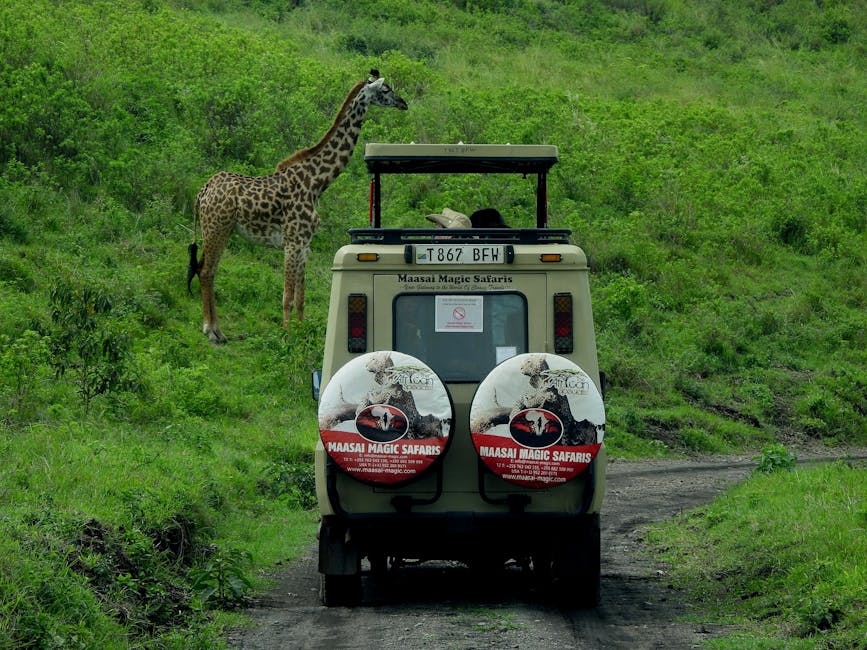
This is the peak safari season. Vegetation is sparse, animals gather around water sources, and visibility is excellent. The skies are clear, and temperatures are mild, especially in July and August.
July to September is ideal for witnessing the Great Migration in the northern Serengeti and river crossings. However, this is also the busiest time, so book accommodations and permits well in advance.
Wet Season (November to May)
The short rains occur in November and December, while the long rains fall from March to May. While muddy roads can limit access in some areas, the landscape turns lush and green, and many animals give birth.
December to February offers good game viewing with fewer tourists and lower prices. Birdwatching is exceptional during this time, with migratory species arriving from Europe and Asia.
April and May are the wettest months and generally not recommended for safaris due to difficult road conditions and limited visibility.
How to Plan Your Tanzania Safari
Planning a safari requires careful consideration of budget, duration, and travel style. Here’s a step-by-step approach to help you get started.
Step 1: Choose Your Safari Style
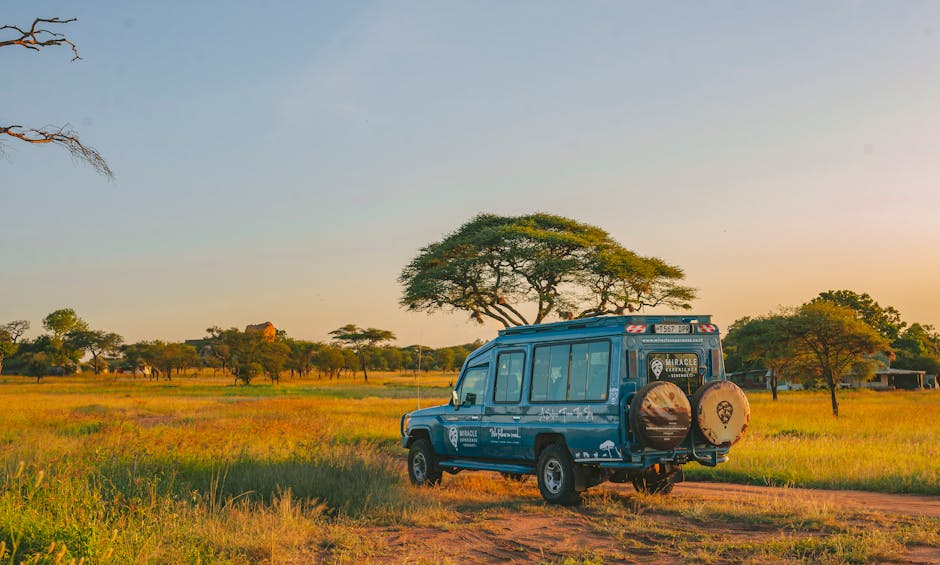
Tanzania offers several safari options. A classic game drive in a 4×4 vehicle is the most common. These can be self-drive or guided, with professional drivers who know the terrain and animal behavior.
Walking safaris provide a more intimate experience, allowing you to track animals on foot with an armed guide. These are available in parks like Selous and Ruaha.
Boat safaris are possible in Selous and along the Rufiji River. Hot air balloon rides over the Serengeti offer a breathtaking aerial view at sunrise.
Step 2: Decide on Duration and Itinerary
Most safaris last between 3 to 7 days. A 5-day trip typically includes Serengeti, Ngorongoro, and Tarangire. Longer itineraries may add Selous, Ruaha, or Zanzibar for a beach extension.
Flying between parks via small charter planes saves time and offers scenic views. Road transfers are cheaper but can take several hours between destinations.
Consider combining a northern circuit safari (Serengeti, Ngorongoro, Tarangire) with a beach stay in Zanzibar or Pemba for a balanced experience.
Step 3: Book Accommodations Early
Tanzania offers a range of lodging options. Luxury lodges provide full-board service, private decks, and guided activities. Mid-range tented camps offer comfort with a more authentic feel.
Budget options include public campsites and basic bandas. Mobile camps move with the migration in the Serengeti, offering front-row seats to the action.
Book at least 6 to 12 months in advance, especially for peak season or high-demand lodges. Many camps have limited capacity and fill up quickly.
Step 4: Arrange Permits and Park Fees
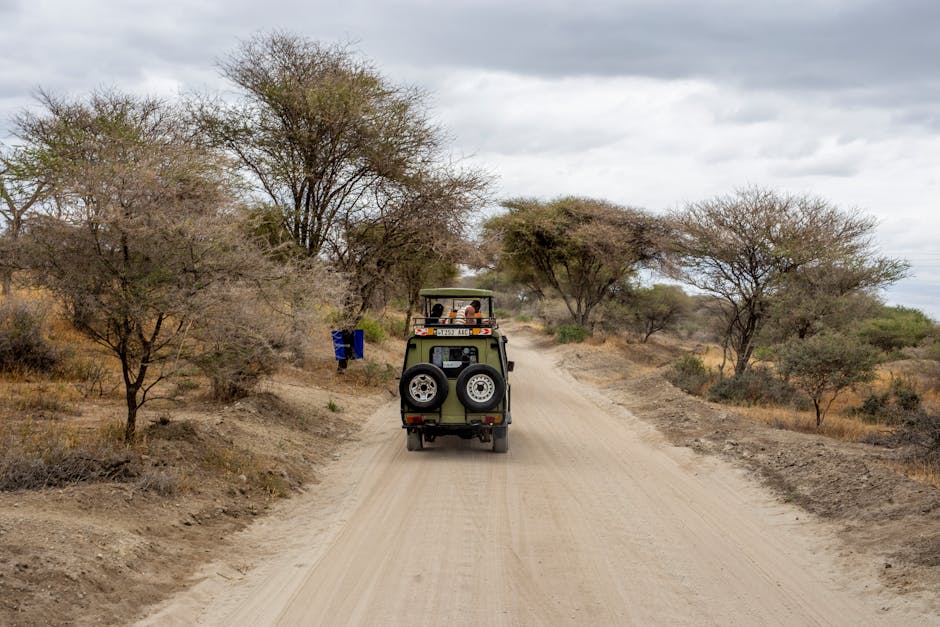
Each park has its own entrance fee, which varies by nationality and age. Foreign adults pay around $70–$80 per day for Serengeti and Ngorongoro.
Fees are paid in cash (USD) or via mobile money at park gates. Some tour operators include fees in their packages, so confirm what’s covered.
Special permits are required for activities like night drives or walking safaris. These must be arranged in advance through licensed operators.
Essential Travel Tips for Tanzania
A successful safari depends on preparation. These tips will help you stay safe, comfortable, and respectful of local customs.
What to Pack
Pack light but smart. Neutral-colored clothing (khaki, green, beige) helps you blend in. Avoid bright colors and camouflage patterns, which may disturb animals or attract unwanted attention.
Bring a wide-brimmed hat, sunglasses, and sunscreen. Layers are key—mornings and evenings can be chilly, especially in open vehicles.
Essential gear includes binoculars, a camera with extra batteries, a power bank, and a reusable water bottle. A small first-aid kit with antiseptic, plasters, and anti-diarrheal medication is recommended.
Health and Safety
Malaria is present in most safari areas. Consult your doctor about antimalarial medication before traveling. Use insect repellent, sleep under mosquito nets, and wear long sleeves at dusk.
Drink only bottled or purified water. Avoid ice in drinks and raw foods. Stick to cooked meals and peeled fruits.
Travel insurance with medical evacuation coverage is strongly advised. Hospitals in rural areas are limited, and evacuation to Dar es Salaam or Nairobi may be necessary.
Cultural Etiquette
Tanzania is a predominantly Muslim country, especially along the coast and Zanzibar. Dress modestly when visiting villages or towns—cover shoulders and knees.
Always ask permission before photographing people. A smile and a greeting in Swahili (“Jambo” or “Habari”) go a long way.
Tipping is customary. Guides and drivers typically expect $10–$15 per person per day. Lodge staff appreciate smaller tips for housekeeping and waitstaff.
Wildlife Viewing Tips
Seeing animals in their natural habitat is the highlight of any safari. These tips will improve your chances and enhance your experience.
Be Patient and Quiet
Wildlife is unpredictable. Stay calm and avoid sudden movements or loud noises. Let your guide do the talking—they know how to read animal behavior.
Early mornings and late afternoons are the best times for game drives. Animals are most active during cooler hours.
Respect the Animals
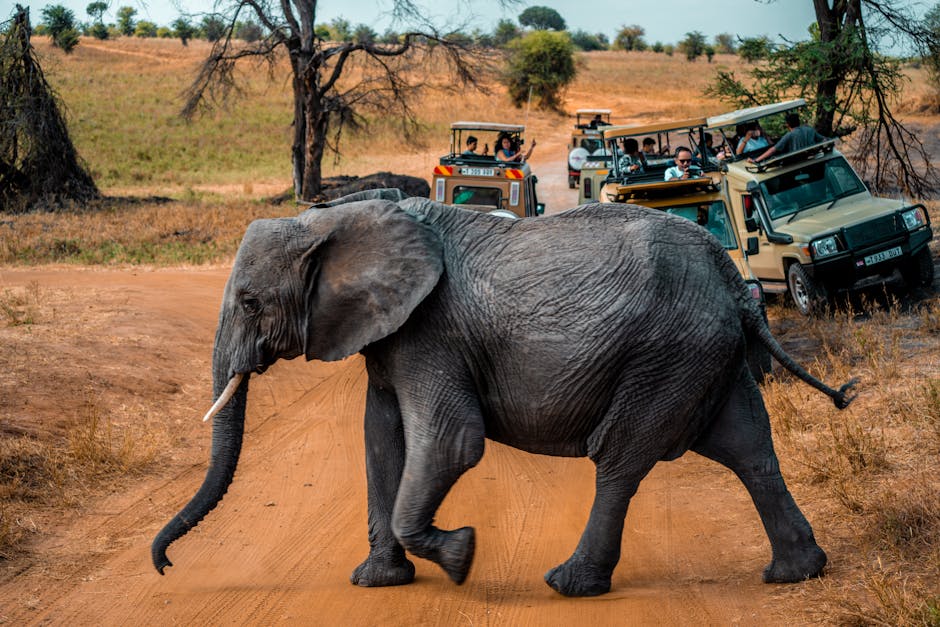
Never approach or feed wild animals. Maintain a safe distance—guides will position the vehicle appropriately.
Avoid using flash photography, especially at night. It can startle animals and disrupt their natural behavior.
Keep Your Eyes Open
Look beyond the big mammals. Tanzania is rich in birdlife, reptiles, insects, and plant species. A field guide or app can help you identify what you see.
Scanning the horizon, treetops, and riverbanks increases your chances of spotting hidden animals like leopards or pythons.
Getting to and Around Tanzania
Tanzania has two international airports: Julius Nyerere International Airport in Dar es Salaam and Kilimanjaro International Airport near Arusha.
Most safari travelers fly into Kilimanjaro if starting in the north. Domestic flights connect major parks, operated by airlines like Coastal Aviation and Auric Air.
Road travel is possible but time-consuming. The drive from Arusha to the Serengeti takes 6–8 hours on rough terrain. Charter flights are faster and more comfortable.
Public buses and dala-dalas (minibuses) serve cities and towns but are not recommended for safari travel due to safety and comfort concerns.
Sustainable Tourism in Tanzania
Tourism plays a vital role in conservation and local economies. Supporting responsible operators helps protect wildlife and uplift communities.
Choose tour companies that employ local guides, support conservation projects, and follow ethical wildlife practices. Avoid operators that offer unregulated interactions with animals.
Minimize plastic use—many lodges provide filtered water. Respect park rules, stay on designated tracks, and never litter.
Consider visiting community-based tourism projects, such as village tours or craft cooperatives, to support local livelihoods.
Frequently Asked Questions
Q: Do I need a visa to visit Tanzania?
A: Yes, most visitors need a visa. You can obtain one on arrival at major airports or apply online through the Tanzania Immigration Department website. A single-entry tourist visa costs $50 and is valid for 90 days.
Q: Is it safe to travel to Tanzania?
A: Tanzania is generally safe for tourists. Petty crime like pickpocketing can occur in cities, so stay alert in crowded areas. Avoid walking alone at night. Follow your guide’s advice in remote areas and always lock vehicle doors.
Q: Can I see the Big Five in Tanzania?
A: Yes, all five—lion, leopard, elephant, buffalo, and rhino—are present in Tanzania. The Ngorongoro Crater and Serengeti offer the best chances. Black rhinos are rare but can be spotted in protected areas like the Ngorongoro Conservation Area.
Final Thoughts
Tanzania offers an unmatched safari experience, combining dramatic landscapes, abundant wildlife, and rich cultural heritage. Whether you’re a first-time visitor or a seasoned traveler, careful planning and respect for nature will ensure a rewarding journey.
From the endless plains of the Serengeti to the depths of the Ngorongoro Crater, every moment in Tanzania feels like a scene from a nature documentary. With the right preparation, your adventure will be as seamless as it is unforgettable.