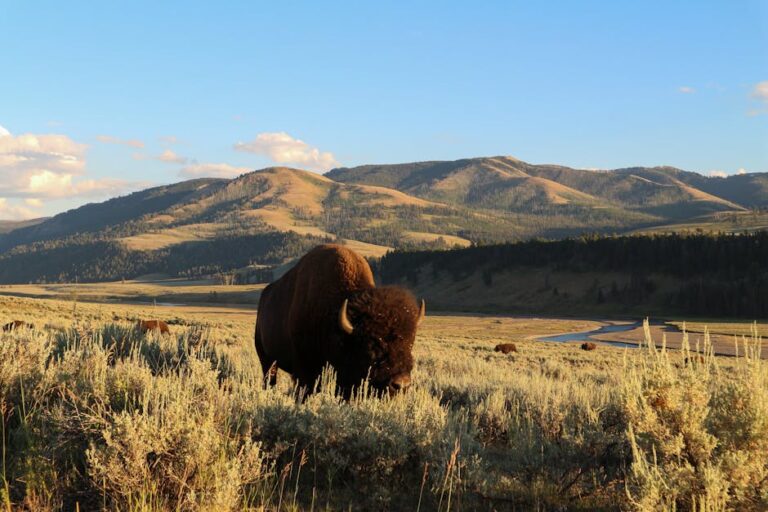

Nature Travel Guide with Sustainable Travel Tips
Exploring the natural world doesn’t have to come at the planet’s expense. A nature travel guide with sustainable travel tips helps you enjoy breathtaking landscapes while minimizing environmental impact. Whether you’re hiking mountain trails, kayaking through mangroves, or camping under starlit skies, responsible choices make a real difference. This guide covers practical strategies to help you travel thoughtfully—protecting ecosystems, supporting local communities, and preserving wild places for future adventurers.
Why Sustainable Nature Travel Matters
Natural destinations face mounting pressure from overtourism, pollution, and habitat loss. Popular spots like national parks, coral reefs, and mountain ranges are especially vulnerable. When visitors leave trash, disturb wildlife, or strain local resources, the damage can last for years.
Sustainable travel reduces these impacts. It encourages low-impact activities, respects local cultures, and supports conservation efforts. By choosing eco-conscious options, travelers help maintain the very beauty they come to experience.
The Environmental Cost of Unchecked Tourism
Every year, millions flock to iconic natural sites. In places like Machu Picchu or the Great Barrier Reef, foot traffic and infrastructure development degrade fragile environments. Trails erode, water sources become contaminated, and wildlife alters behavior due to human presence.
Even seemingly harmless actions—like feeding animals or straying from marked paths—can disrupt ecosystems. Sustainable practices help prevent these issues before they escalate.
How Sustainable Travel Supports Local Communities
Responsible tourism also benefits people. When travelers support locally owned lodges, guides, and markets, money stays within the community. This strengthens local economies and incentivizes conservation.
In Costa Rica, for example, eco-lodges fund reforestation projects and employ residents as park rangers. These models show how tourism can protect nature while improving livelihoods.
Planning Your Sustainable Nature Trip
Good planning is the foundation of eco-friendly travel. Start by choosing destinations that prioritize conservation and have clear sustainability policies. Research accommodations, transportation, and activities that align with your values.
Look for certifications like Green Key, EarthCheck, or Rainforest Alliance. These labels indicate genuine commitment to environmental and social responsibility.
Choosing Eco-Friendly Destinations
Not all nature destinations are created equal. Some parks and reserves actively limit visitor numbers or require permits to reduce overcrowding. Others invest in renewable energy, waste management, and habitat restoration.
Iceland’s national parks, for instance, enforce strict Leave No Trace principles and offer educational programs for visitors. Bhutan limits tourism through a high-value, low-impact model, ensuring funds support conservation and community development.
Selecting Responsible Accommodations
Where you stay matters. Eco-lodges, certified green hotels, and homestays often use solar power, composting toilets, and locally sourced materials. They also tend to employ local staff and source food from nearby farms.
Avoid large resorts that consume excessive water and energy, especially in water-scarce regions. Instead, opt for small-scale, community-run options that blend into the landscape.
Transportation: Getting There and Around
Transportation is one of the largest sources of travel-related emissions. Flying, in particular, has a significant carbon footprint. While avoiding air travel isn’t always possible, there are ways to reduce its impact.
Choose direct flights when available, as takeoffs and landings produce the most emissions. Consider offsetting your carbon footprint through reputable programs that fund reforestation or renewable energy projects.
Low-Impact Ground Travel
Once at your destination, prioritize walking, biking, or public transit. In cities near natural areas—like Banff or Queenstown—many attractions are accessible by foot or shuttle.
If you need a vehicle, rent a hybrid or electric car. In rural areas, shared transport or guided group tours can reduce the number of vehicles on the road.
Boats and Watercraft
For coastal or island destinations, choose operators that follow marine protection guidelines. Avoid boats that anchor on coral reefs or dump waste at sea. Look for tours that use electric motors or sail power.
In places like the Galápagos, strict regulations limit boat access and require certified naturalist guides. These rules help protect sensitive marine life.
On the Ground: Sustainable Travel Practices
Your behavior during the trip is just as important as your planning. Simple habits can greatly reduce your environmental footprint and enhance your experience.
Stick to marked trails to prevent soil erosion and protect plant life. Never feed or approach wild animals—this can harm their health and alter natural behaviors.
Leave No Trace Principles
The Leave No Trace ethic is essential for nature travel. It includes seven core principles: plan ahead, travel on durable surfaces, dispose of waste properly, leave what you find, minimize campfire impact, respect wildlife, and be considerate of others.
Pack out all trash, including food scraps and biodegradable items like fruit peels. Even organic waste can introduce non-native species or attract animals to human food sources.
Water and Energy Conservation
In remote areas, water and energy may be limited. Take short showers, reuse towels, and turn off lights and electronics when not in use. Many eco-lodges rely on rainwater harvesting or solar power—respect these systems.
Avoid single-use plastics by carrying a reusable water bottle, utensils, and shopping bag. Refill stations are increasingly common in national parks and visitor centers.
Wildlife Encounters Done Right
Seeing animals in their natural habitat is a highlight of nature travel. But close encounters require caution and respect. Always maintain a safe distance—use binoculars or zoom lenses instead of approaching.
Never touch, chase, or attempt to interact with wildlife. In places like Yellowstone or the Serengeti, rangers enforce distance rules to protect both animals and visitors.
Ethical Wildlife Tourism
Avoid attractions that exploit animals, such as elephant rides, tiger selfies, or dolphin shows. These often involve cruelty and poor living conditions.
Instead, support sanctuaries and conservation centers that prioritize animal welfare. Visit places like the David Sheldrick Wildlife Trust in Kenya, where orphaned elephants are rehabilitated and released.
Birdwatching and Marine Life
For birdwatchers, use quiet observation and avoid playing recorded calls to lure birds. In marine environments, never touch coral or chase fish. Snorkelers and divers should maintain neutral buoyancy to avoid damaging reefs.
Choose operators who educate guests about local species and follow responsible viewing guidelines.
Supporting Conservation and Local Economies

Sustainable travel isn’t just about reducing harm—it’s also about giving back. Your choices can directly support conservation and community development.
Visit national parks that reinvest entrance fees into trail maintenance and ranger programs. In places like Namibia, community conservancies use tourism revenue to fund anti-poaching units and school programs.
Buying Local and Ethical Souvenirs
When shopping, choose handmade goods from local artisans. Avoid products made from endangered species, such as coral jewelry, turtle shells, or ivory.
Support cooperatives and fair-trade vendors. In Peru, for example, alpaca wool products from community weavers help preserve traditional crafts and provide stable income.
Volunteering Responsibly
Some travelers want to contribute through volunteer work. Be cautious—well-intentioned efforts can sometimes do more harm than good.
Choose programs that are transparent, locally led, and focused on long-term impact. Avoid short-term projects that lack proper training or oversight.
Seasonal and Regional Considerations
Timing and location affect your travel’s sustainability. Traveling during off-peak seasons reduces overcrowding and strain on resources. It can also offer lower prices and a more authentic experience.
In tropical regions, avoid the rainy season if it leads to trail damage or water contamination. In alpine areas, respect seasonal closures that protect wildlife during breeding or migration.
Climate and Weather Awareness
Climate change is altering natural patterns. Some destinations face more frequent storms, droughts, or wildfires. Stay informed about current conditions and heed local advisories.
Flexibility is key. Be prepared to adjust plans if weather or environmental conditions pose risks.
Cultural Sensitivity in Nature Areas
Many natural sites hold cultural or spiritual significance for Indigenous communities. Learn about local customs and seek permission before entering sacred areas.
In Australia, for example, certain parts of Uluru are restricted to respect Aboriginal traditions. Always follow posted guidelines and listen to local voices.
Technology and Tools for Sustainable Travel
Modern tools can enhance your sustainable travel efforts. Apps and websites help you find eco-friendly options, track your impact, and stay informed.
Use platforms like Google Earth to explore destinations virtually before visiting. This can reduce unnecessary trips and help you plan efficiently.
Navigation and Offline Maps
Download offline maps to avoid using data in remote areas. Apps like Maps.me or Gaia GPS work without internet and show trails, campsites, and water sources.
Carry a physical map and compass as backup. Technology can fail, especially in rugged terrain.

Impact Tracking and Carbon Calculators
Tools like the UN’s Climate Neutral Now calculator help estimate your trip’s carbon footprint. Use this information to make better choices or offset emissions.
Some travel apps also suggest low-impact routes or highlight sustainable businesses near your location.
Common Mistakes to Avoid
Even well-meaning travelers can make errors. Being aware of common pitfalls helps you stay on track.
One mistake is overpacking. Extra weight increases fuel consumption and creates more waste. Pack only what you need.
Ignoring Local Regulations
Every destination has rules designed to protect nature. Ignoring them—even unintentionally—can cause harm. Always read signage and follow instructions from rangers or guides.
In Iceland, driving off-road is illegal and damages fragile moss-covered landscapes. Fines are steep, and the ecological cost is high.
Underestimating Preparation
Failing to prepare can lead to dangerous situations and increased rescue needs. Bring proper gear, check weather forecasts, and inform someone of your plans.
In remote areas, search and rescue operations are costly and can strain local resources. Prevention is always better than reaction.
Long-Term Impact of Sustainable Choices
Individual actions add up. When travelers consistently choose sustainable options, they influence businesses and policies.
Demand for eco-friendly tours, accommodations, and transportation pushes the industry to innovate. Over time, this leads to broader adoption of green practices.
Advocacy and Education
Share your experiences and knowledge with others. Talk about sustainable travel with friends, post thoughtful reviews, and support organizations working to protect nature.
Education is powerful. The more people understand the impact of their choices, the more likely they are to act responsibly.
Future of Nature Travel
The future of nature travel depends on balance. As interest in outdoor experiences grows, so does the need for thoughtful management.
Innovations like electric RVs, solar-powered lodges, and AI-driven conservation monitoring are emerging. These tools, combined with traveler awareness, can help preserve wild places for generations.
FAQ
What is the most sustainable way to travel to a nature destination?
The most sustainable option is to avoid flying when possible. If you must fly, choose direct flights and consider carbon offset programs. Once there, use public transit, walk, or bike.
How can I tell if a tour operator is truly eco-friendly?
Look for third-party certifications, transparent sustainability policies, and local partnerships. Read reviews and ask about their environmental practices, such as waste management and wildlife protection.
Is it okay to camp in the wilderness?
Yes, but only in designated areas and with proper permits. Follow Leave No Trace principles, pack out all waste, and avoid damaging vegetation or disturbing wildlife.