Best Nature Travel Destinations for Relaxing Getaways
Looking to unwind in peaceful, natural surroundings? The best nature travel destinations for relaxing getaways offer serene landscapes, fresh air, and a break from daily stress. Whether you’re drawn to misty mountains, quiet forests, or secluded coastlines, these spots provide the perfect backdrop for rest and renewal. From Iceland’s geothermal lagoons to Costa Rica’s rainforest retreats, each destination combines natural beauty with tranquility. This guide highlights top locations where you can disconnect, recharge, and reconnect with nature—without sacrificing comfort or safety.
Why Choose Nature for Your Next Escape
Nature-based travel has been shown to reduce stress, improve mood, and enhance mental clarity. Unlike crowded city breaks, nature getaways encourage slower pacing, mindfulness, and immersion in the environment. The absence of constant digital noise allows for deeper relaxation and better sleep.
Studies suggest that spending time in green or blue spaces—like forests or near water—can lower cortisol levels and boost overall well-being. For travelers seeking more than just sightseeing, nature destinations offer therapeutic value that’s hard to replicate elsewhere.
What Makes a Destination Truly Relaxing
A truly relaxing nature destination balances accessibility with seclusion. It should offer clean air, minimal light pollution, and opportunities for gentle activities like hiking, birdwatching, or simply sitting by a lake. Accommodations matter too—look for eco-lodges, boutique cabins, or quiet resorts that blend into the landscape.
Avoid places overrun with tourists or lacking basic amenities. The goal is peace, not survival. Research local infrastructure, seasonal weather, and crowd patterns before booking.
Top Nature Travel Destinations for Peace and Quiet
1. The Scottish Highlands, United Kingdom
The Scottish Highlands are a haven of rugged beauty and profound silence. With vast moorlands, ancient forests, and mirror-like lochs, this region offers some of Europe’s most untouched scenery. Glencoe and Loch Lomond are standout areas for quiet walks and scenic drives.
Stay in a converted bothy or a small eco-lodge with views of the hills. Many accommodations emphasize sustainability and local sourcing, enhancing the authentic experience. Visit in late spring or early autumn to avoid peak tourist months.
2. Banff National Park, Canada
Banff is one of North America’s most iconic nature destinations, and for good reason. Nestled in the Canadian Rockies, it features turquoise lakes, snow-capped peaks, and dense pine forests. Lake Louise and Moraine Lake are breathtaking, but arrive early to enjoy them without crowds.
For a more secluded experience, head to Johnston Canyon or hike the lesser-known trails around Sunshine Meadows. Choose lodges outside the town center for greater privacy and better access to wilderness.
3. The Azores, Portugal
This volcanic archipelago in the Atlantic Ocean blends lush greenery with dramatic cliffs and natural hot springs. Each island offers a unique landscape—São Miguel has crater lakes and tea plantations, while Pico Island features dramatic coastlines and vineyards.
Relax in geothermal pools like those in Furnas, or take a quiet boat tour to spot dolphins and whales. The Azores are still relatively undiscovered by mass tourism, making them ideal for a peaceful retreat.
4. Patagonia, Chile and Argentina
Patagonia’s vast, open spaces and raw beauty make it a top choice for travelers seeking solitude. Torres del Paine National Park in Chile and Los Glaciares in Argentina offer sweeping views, glacial lakes, and endless hiking trails.
Accommodations range from luxury eco-camps to simple refugios. Travel between October and April for milder weather. Be prepared for strong winds and changing conditions—pack layers and waterproof gear.
5. The Dolomites, Italy
Known for their jagged limestone peaks and alpine meadows, the Dolomites offer a quieter alternative to more famous Italian destinations. The region is perfect for hiking, photography, and simply soaking in mountain air.
Stay in a rifugio—a mountain hut with basic comforts and panoramic views. Many are family-run and serve hearty local dishes. Visit in late summer for wildflowers or in early winter for snow-covered silence.
6. Raja Ampat, Indonesia
For underwater tranquility, Raja Ampat is unmatched. This remote archipelago in West Papua is one of the most biodiverse marine regions on Earth. Snorkeling and diving here reveal vibrant coral gardens and rare species.
Most visitors stay on liveaboard boats or small eco-resorts on private islands. Access requires a flight and boat transfer, which naturally limits crowds. Respect local conservation efforts—many areas are protected marine parks.
7. Big Sur, California, USA
Big Sur’s dramatic coastline, redwood groves, and ocean vistas create a deeply calming atmosphere. The Pacific Coast Highway winds through cliffs and forests, offering countless pullouts for quiet reflection.
Book a cabin or glamping site away from Highway 1 for maximum peace. Julia Pfeiffer Burns State Park and Pfeiffer Big Sur State Park offer gentle trails and shaded picnic areas. Avoid summer weekends when traffic increases.
8. Lapland, Finland
Lapland, in northern Finland, is a winter wonderland of snow-laden forests, frozen lakes, and the occasional northern lights. It’s ideal for those who find peace in cold, quiet landscapes.
Stay in a glass-roofed igloo or a remote cabin with a sauna. Activities include snowshoeing, reindeer sledding, and silent forest walks. Visit between December and February for the full experience, but dress warmly.
9. The Daintree Rainforest, Australia
As the world’s oldest tropical rainforest, the Daintree offers a lush, immersive escape. Located in Queensland, it’s home to unique wildlife, ancient trees, and the meeting point of rainforest and reef.
Stay in an eco-lodge near Cape Tribulation for easy access to walking trails and river cruises. The area is remote, so plan transportation in advance. Respect the fragile ecosystem—stick to marked paths and avoid disturbing wildlife.
10. Faroe Islands, Denmark
This North Atlantic archipelago feels like stepping into a fairy tale. With grass-roof houses, steep cliffs, and sheep-filled meadows, the Faroe Islands offer quiet charm and dramatic scenery.
Hike to Kallur Lighthouse on Kalsoy or take a boat to the sea stacks of Vestmanna. Accommodations are limited but charming—book early, especially in summer. The weather is unpredictable, so pack waterproof clothing.
How to Choose the Right Destination for You
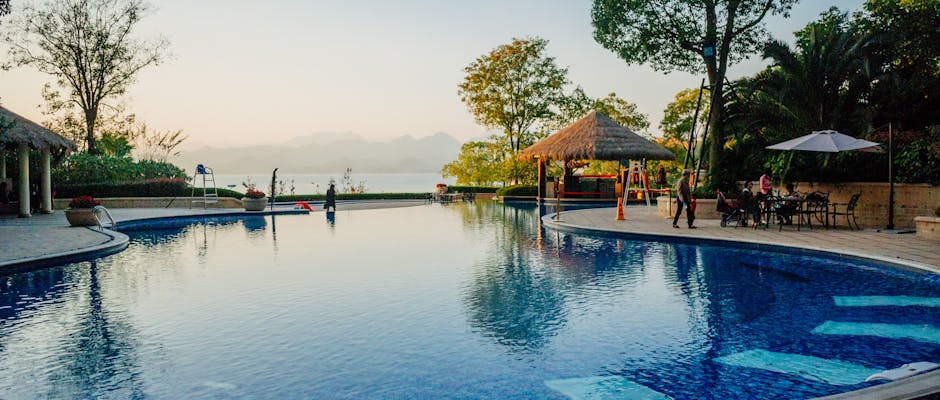
Not every peaceful destination suits every traveler. Consider your preferred climate, activity level, and travel style. Do you want to hike daily or simply sit by a lake? Are you comfortable with limited Wi-Fi and services?
Match your destination to your energy level. Some nature spots require long flights and rugged travel, while others are a short drive from major cities. Be honest about your tolerance for isolation and adventure.
Climate and Seasonality
Weather plays a big role in relaxation. A rainy week in a tropical forest can be magical, but the same conditions in a mountain cabin might feel isolating. Research average temperatures, rainfall, and daylight hours for your travel dates.
Shoulder seasons—spring and autumn—often offer the best balance of good weather and fewer tourists. Summer can be busy; winter may limit access to certain areas.
Accessibility and Travel Time
Long journeys can add stress, even to peaceful trips. If you’re prone to travel fatigue, choose a destination within a reasonable flight time. Some remote spots require multiple connections, which may not be worth it for a short getaway.
Consider direct flights, ground transportation options, and local infrastructure. A destination that’s beautiful but hard to reach might not be the most relaxing choice.
Accommodation Style
Your lodging can make or break a nature retreat. Look for places that prioritize comfort, quiet, and connection to the environment. Eco-lodges, boutique cabins, and small inns often offer better service and ambiance than large resorts.
Check reviews for noise levels, bed quality, and proximity to nature. Some travelers prefer full amenities; others enjoy off-grid simplicity. Choose what aligns with your idea of relaxation.
Practical Tips for a Truly Restful Trip
Even in the most beautiful settings, poor planning can lead to stress. Prepare ahead to ensure your getaway is as peaceful as possible. Pack light, bring layers, and download offline maps in case of poor signal.
Inform someone of your itinerary, especially if hiking or staying in remote areas. Carry a basic first-aid kit and know local emergency numbers. Safety enhances peace of mind.
Unplug to Reconnect
One of the biggest barriers to relaxation is digital distraction. Set boundaries with your devices—designate phone-free hours or leave your laptop at home. Use the time to journal, read, or simply observe your surroundings.
If you must stay connected, choose accommodations with limited Wi-Fi or use it only in common areas. The goal is presence, not productivity.
Embrace Slow Travel
Instead of packing in multiple activities, focus on depth over breadth. Spend two or three days in one location rather than rushing between sites. This allows time to settle in, notice details, and truly unwind.
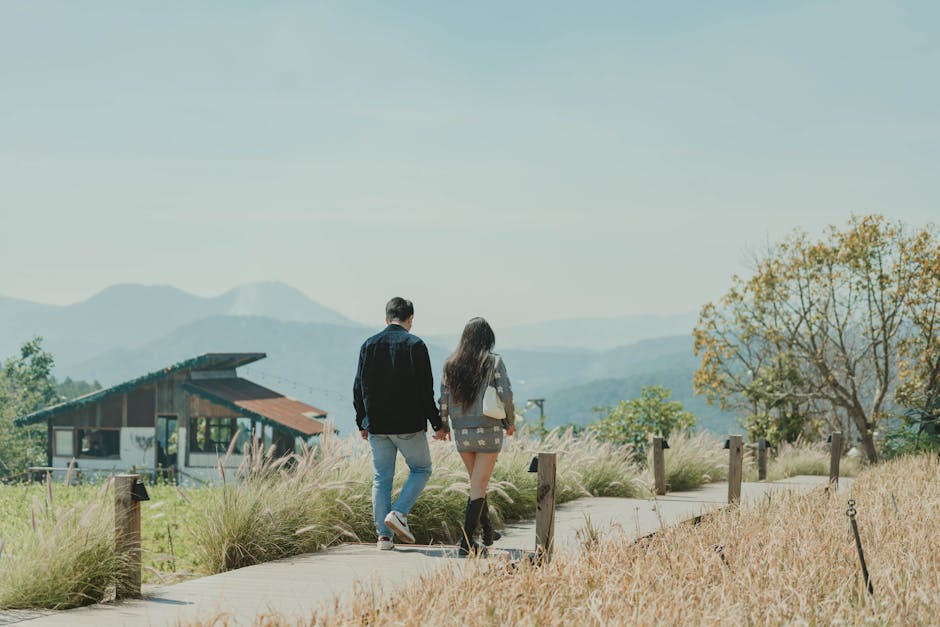
Try a “morning sit”—waking early to sit quietly with a cup of tea and watch the light change. These small rituals can deepen your connection to place.
Respect Local Environments
True relaxation includes peace of mind about your impact. Follow Leave No Trace principles: pack out trash, stay on trails, and avoid disturbing wildlife. Support local conservation efforts and community-run businesses.
Learn a few phrases in the local language. Simple gestures of respect go a long way in building positive interactions and enhancing your experience.
Common Mistakes to Avoid
Even well-intentioned travelers can undermine their own relaxation. Over-scheduling, poor packing, and unrealistic expectations are common pitfalls. Avoid trying to “do it all”—nature rewards patience, not hustle.
Don’t assume all “eco-friendly” labels are equal. Research accommodations and tour operators to ensure they follow sustainable practices. Greenwashing is common in the travel industry.
Ignoring Local Customs
What’s relaxing for you might be disruptive to locals. Be mindful of noise levels, photography etiquette, and cultural norms. In some places, quiet hours are strictly observed, especially in rural or sacred areas.
Ask before photographing people or private property. When in doubt, observe first and participate respectfully.
Underestimating Weather Challenges
Nature is beautiful but unpredictable. A sudden storm, heatwave, or cold snap can affect your plans. Always check forecasts and have a backup plan. Bring appropriate gear, even if the forecast looks clear.
In mountainous or coastal areas, conditions can change rapidly. Inform others of your plans and carry emergency supplies.
Final Thoughts on Nature Travel for Relaxation
The best nature travel destinations for relaxing getaways are those that align with your personal sense of peace. Whether it’s the whisper of pine trees, the rhythm of ocean waves, or the stillness of snow-covered fields, the right setting can restore balance and clarity.
Choose thoughtfully, travel slowly, and prioritize presence over performance. Nature doesn’t require constant activity—it invites you to simply be. With the right destination and mindset, your next escape can be as restorative as it is beautiful.
FAQ
What’s the best time of year to visit nature destinations for relaxation?
Shoulder seasons—spring and autumn—often offer the best balance of good weather, fewer crowds, and natural beauty. Summer can be busy; winter may limit access but offers unique quiet and scenery.
Do I need to be physically fit to enjoy these destinations?
Not necessarily. Many nature destinations offer a range of activities, from gentle walks to challenging hikes. Choose locations and accommodations that match your fitness level and interests.
How can I ensure my trip is truly relaxing?
Plan ahead, unplug from devices, avoid over-scheduling, and choose peaceful accommodations. Prioritize comfort, safety, and connection to nature for the most restful experience.