Wildlife Travel Guide with Unique Animal Experiences
Planning a wildlife travel guide with unique animal experiences means more than just spotting animals in the wild. It’s about ethical encounters, immersive learning, and supporting conservation. Whether you’re tracking mountain gorillas in Rwanda or snorkeling with sea turtles in the Galápagos, the best trips combine adventure with responsibility. This guide helps you choose destinations and activities that prioritize animal welfare, local communities, and environmental sustainability—so your journey leaves a positive footprint.
Why Choose Ethical Wildlife Experiences?
Not all animal encounters are created equal. Some popular tourist attractions exploit animals for entertainment, while others contribute to habitat destruction. Ethical wildlife travel ensures that animals are observed in their natural habitats without disturbance. It also supports local conservation efforts and benefits nearby communities.
For example, visiting a sanctuary that rescues injured elephants is far more responsible than riding one. Similarly, guided birdwatching tours led by local experts protect ecosystems and provide authentic experiences. Choosing ethical options helps preserve species and habitats for future generations.
Signs of a Responsible Wildlife Operator
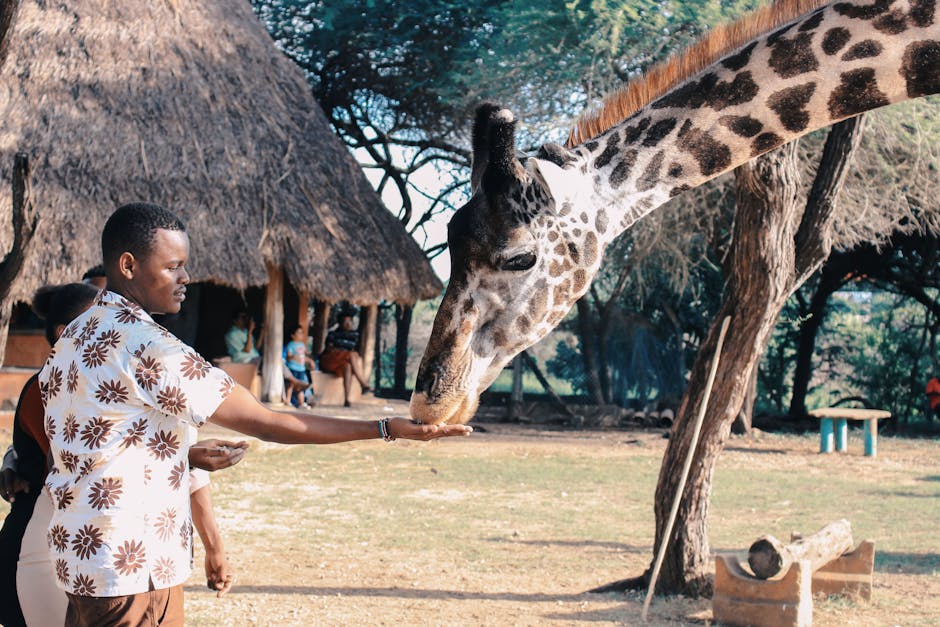
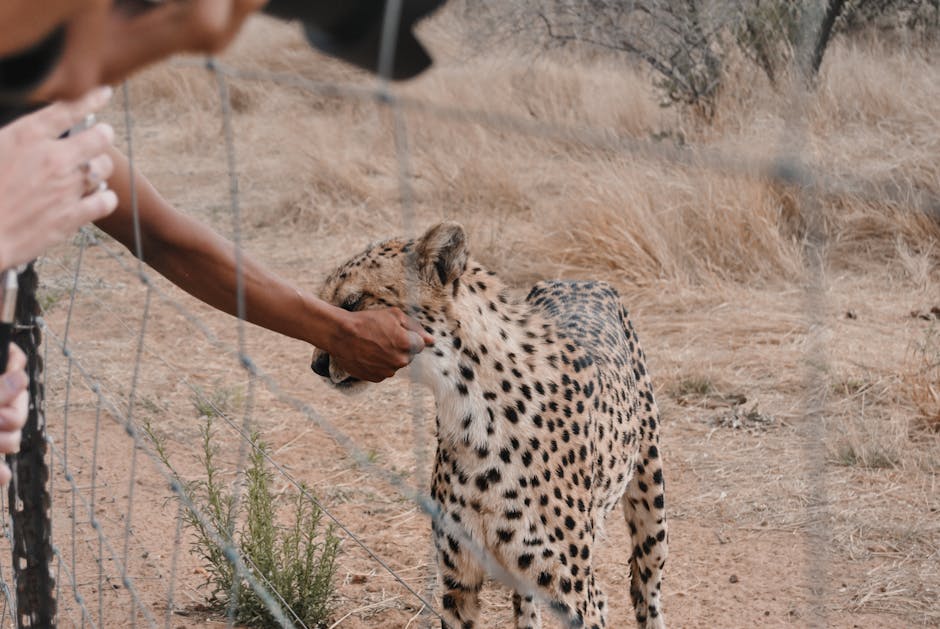
Look for operators that limit group sizes, maintain safe distances from animals, and follow local regulations. Reputable guides should educate visitors about the species and their habitats. Avoid any activity that involves direct contact with wild animals, such as petting, feeding, or bathing.
Certifications from organizations like the Global Sustainable Tourism Council (GSTC) or World Animal Protection can help identify trustworthy providers. Always read recent reviews and ask about the company’s conservation partnerships.
Top Destinations for Unique Animal Encounters
From African savannas to remote islands, the world offers countless opportunities to observe wildlife in meaningful ways. Below are five standout destinations where you can have unforgettable, low-impact animal experiences.
1. Rwanda: Trekking with Mountain Gorillas
Rwanda’s Volcanoes National Park is one of the few places where you can safely observe mountain gorillas in the wild. Permits are limited and expensive, which helps control visitor numbers and fund conservation. Each group is allowed only one hour with the gorillas, minimizing stress on the animals.
Trekking can be physically demanding, with steep terrain and unpredictable weather. Wear sturdy boots, bring rain gear, and follow your guide’s instructions closely. Remember: no flash photography, and maintain a distance of at least seven meters.
2. Galápagos Islands: Snorkeling with Marine Life
The Galápagos offer some of the most intimate underwater wildlife experiences on Earth. Swim alongside sea lions, penguins, and reef sharks in clear, calm waters. The islands’ strict visitor regulations protect fragile ecosystems and prevent over-tourism.
Most tours operate on small boats with naturalist guides. You’ll need to book through licensed operators and respect no-touch policies. Avoid using sunscreen before snorkeling—opt for reef-safe alternatives to protect coral reefs.
3. Borneo: Spotting Orangutans in the Rainforest
Borneo’s rainforests are home to critically endangered orangutans. Visit rehabilitation centers like Sepilok or take guided walks in Danum Valley to see these intelligent primates in semi-wild conditions. These centers focus on rescue, rehabilitation, and release—not performance or interaction.
Mosquitoes and humidity are common, so pack insect repellent and lightweight clothing. Early morning is the best time for sightings, as orangutans are most active at dawn.
4. Antarctica: Zodiac Cruises Among Penguins
Antarctica offers a rare chance to witness penguins, seals, and whales in one of the planet’s last true wildernesses. Expedition cruises follow strict IAATO guidelines to prevent environmental damage. Passengers observe wildlife from a distance, often from Zodiac boats or on guided shore landings.
Weather conditions can change rapidly. Dress in layers, wear waterproof gear, and listen carefully to safety briefings. Photography is encouraged, but never approach animals or leave designated paths.
5. India: Jeep Safaris in Ranthambore National Park
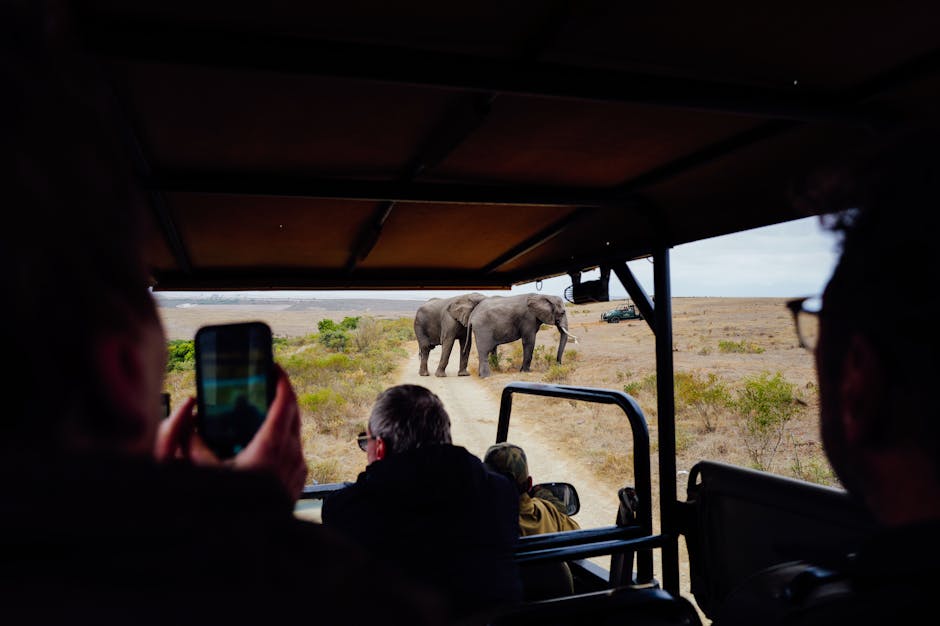
Ranthambore is one of India’s best spots for seeing Bengal tigers in the wild. Jeep safaris are conducted in small groups with trained naturalists. The park limits vehicle numbers and enforces quiet zones to reduce stress on wildlife.
Early morning and late afternoon drives offer the highest chances of sightings. Avoid loud conversations and sudden movements. Remember: spotting a tiger is never guaranteed—patience and respect are key.
How to Plan Your Wildlife Adventure
Careful planning ensures a safe, enjoyable, and responsible trip. Start by researching destinations that align with your interests and travel style. Consider factors like seasonality, accessibility, and local regulations.
Book well in advance, especially for popular locations like the Galápagos or Rwanda. Many parks require permits or have limited daily entries. Use official tourism websites or certified travel agencies to avoid scams.
Step-by-Step Planning Checklist
Step 1: Choose your destination based on target species and travel preferences.
Step 2: Research ethical tour operators and read independent reviews.
Step 3: Check visa requirements, health advisories, and vaccination needs.
Step 4: Pack appropriately—include binoculars, a camera with zoom lens, and eco-friendly toiletries.
Step 5: Learn basic facts about the animals and ecosystems you’ll encounter.
Step 6: Purchase travel insurance that covers adventure activities and medical evacuation.
What to Pack for Wildlife Travel
Essential items include neutral-colored clothing, a wide-brimmed hat, and sturdy footwear. A good pair of binoculars enhances viewing without disturbing animals. Bring a reusable water bottle and avoid single-use plastics.
For photography, a telephoto lens is ideal. Avoid drones—they’re often banned in protected areas and can stress wildlife. Always carry hand sanitizer and wet wipes for hygiene in remote locations.
Safety and Etiquette in the Wild
Your safety and the animals’ well-being depend on following basic rules. Never feed wild animals—it alters their behavior and can make them dependent on humans. Stay with your guide at all times and avoid wandering off trails.
Keep noise to a minimum. Loud voices and sudden movements can startle animals and disrupt their natural routines. If an animal changes its behavior because of your presence, you’re too close.
Common Mistakes to Avoid
One major mistake is choosing tours that promise guaranteed sightings. True wildlife experiences are unpredictable by nature. Another is ignoring local customs—dress modestly and respect cultural norms, especially in rural or indigenous communities.
Don’t collect souvenirs like shells, feathers, or rocks. Removing natural items harms ecosystems and may violate park rules. Leave only footprints, take only photos.
Supporting Conservation Through Travel
Your travel choices can directly support conservation. Many national parks and sanctuaries rely on entrance fees and tour revenues to fund anti-poaching efforts, habitat restoration, and community programs.
Consider donating to local NGOs or volunteering with reputable organizations. Some tours include a conservation fee—ask how your money is used. Even small contributions add up when many travelers participate.
Examples of Impactful Programs
In Kenya, the Sheldrick Wildlife Trust rescues orphaned elephants and reintegrates them into the wild. Tourists can visit the Nairobi nursery and sponsor an elephant. In Costa Rica, sea turtle conservation projects invite visitors to help release hatchlings—under strict supervision.
These programs offer meaningful ways to engage beyond observation. Just ensure activities are led by qualified staff and follow ethical guidelines.
Wildlife Photography Tips
Great wildlife photos require patience, preparation, and respect. Use a zoom lens to capture close-ups without approaching animals. Set your camera to burst mode for fast-moving subjects like birds in flight.
Avoid using flash, especially at night. It can disorient animals and damage their eyesight. Instead, use natural light or low-light settings. Always prioritize the animal’s comfort over getting the perfect shot.
Editing and Sharing Responsibly
When editing photos, avoid over-processing or adding artificial elements. Be honest about locations and behaviors. Never geotag sensitive habitats—this can lead to overcrowding or poaching.
Share your images to raise awareness, but include educational captions. Highlight conservation challenges and how others can help. Use hashtags like #WildlifeConservation or #EthicalTravel to reach like-minded audiences.
Sustainable Travel Practices
Minimize your environmental impact by choosing eco-friendly accommodations and transportation. Stay in lodges that use solar power, recycle waste, and source food locally. Offset your carbon emissions when flying.
Support local economies by hiring local guides, eating at family-run restaurants, and buying handmade crafts. This ensures your money benefits the community directly.
Reducing Plastic and Waste
Single-use plastics are a major threat to marine and terrestrial wildlife. Bring a reusable bag, water bottle, and utensils. Refill whenever possible and avoid packaged snacks.
Dispose of waste properly—many remote areas lack recycling facilities. Pack out everything you bring in, including biodegradable items like fruit peels.
Seasonal Considerations for Wildlife Viewing
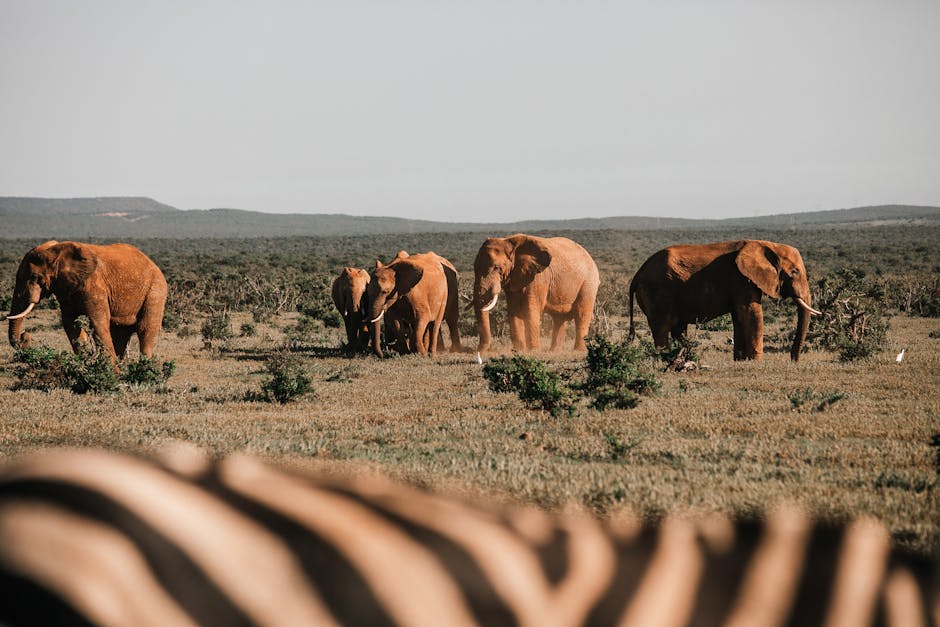
Timing affects both animal activity and travel conditions. In Africa, the dry season (June to October) offers better visibility and concentrated wildlife near water sources. In the Arctic, summer months provide 24-hour daylight and active marine life.
Research migration patterns and breeding seasons. For example, whale watching in Mexico peaks from December to April, while bird migrations in Costa Rica are best from November to February.
Weather and Accessibility
Rainy seasons can make roads impassable and trails muddy. In contrast, dry periods may increase fire risk and reduce water availability. Check local forecasts and park advisories before departure.
Some regions require 4×4 vehicles or boat access. Confirm transportation options and physical requirements—some treks involve high altitudes or long hikes.
Wildlife Travel for Families and Solo Travelers
Wildlife adventures are suitable for all ages and travel styles. Families should look for child-friendly tours with shorter durations and educational components. Many parks offer junior ranger programs or interactive exhibits.
Solo travelers benefit from group tours that provide safety and social interaction. Choose operators with experienced guides and clear communication. Always share your itinerary with someone at home.
Accessibility and Inclusivity
Not all wildlife destinations are wheelchair accessible. Contact operators in advance to discuss mobility needs. Some lodges offer adapted vehicles or trails, but remote areas may have limitations.
Cultural sensitivity is also important. Learn a few phrases in the local language and respect dress codes. Ask permission before photographing people, especially in indigenous communities.
Final Thoughts on Responsible Wildlife Travel
A well-planned wildlife travel guide with unique animal experiences enriches your life while protecting the planet. It fosters empathy, deepens understanding, and inspires action. By choosing ethical operators, respecting nature, and supporting local communities, you become part of a global movement for conservation.
Every photo, story, and donation you share can influence others to travel responsibly. The goal isn’t just to see wildlife—it’s to ensure it thrives for generations to come.
FAQ
Q: How can I tell if a wildlife tour is ethical?
A: Look for operators that avoid direct animal contact, limit group sizes, and support conservation. Check for certifications from reputable organizations and read recent traveler reviews.
Q: Is it safe to travel alone on a wildlife expedition?
A: Yes, many tours are designed for solo travelers and include expert guides. Choose reputable companies, share your plans with someone, and follow all safety instructions.
Q: What should I do if I can’t afford expensive permits or tours?
A: Consider less-touristed destinations or volunteer programs that offer reduced rates in exchange for work. Local birdwatching or nature walks can also provide meaningful wildlife experiences at lower costs.