Top Travel Destinations for First Time International Trips
Choosing your first international destination can feel overwhelming. You want a place that’s safe, easy to navigate, culturally rich, and welcoming to newcomers. The best options balance adventure with accessibility—offering reliable transportation, English-friendly signage, and clear entry requirements.
This guide highlights top travel destinations ideal for first-time international travelers. Each location was selected based on safety, affordability, language support, and overall traveler experience. Whether you’re drawn to historic cities, tropical beaches, or mountain landscapes, these spots offer a smooth introduction to global travel.
Why These Destinations Work for First-Timers
New international travelers often prioritize ease and comfort. That doesn’t mean sacrificing authenticity—just choosing places where logistics are manageable.
Top travel destinations for first time international trips share common traits: straightforward visa processes, widespread use of English in tourist areas, and well-developed infrastructure. Many also have strong tourism boards that support visitors with maps, apps, and multilingual staff.
Safety is another key factor. All recommended locations rank highly on global safety indexes and have low crime rates in tourist zones. This doesn’t mean you should skip precautions—always keep copies of important documents and stay aware of your surroundings.
What to Expect as a First-Time Traveler
Your first overseas trip may involve minor hiccups: missed buses, misunderstood menus, or currency confusion. These are normal and part of the learning curve.
Start with shorter stays—five to seven days—to avoid burnout. Choose one or two main activities per day rather than over-scheduling. Most importantly, give yourself permission to ask for help. Locals in these destinations are generally accustomed to assisting tourists.
Europe: Classic Entry Points with Modern Convenience
Europe remains a favorite for first-time international travelers due to its compact size, efficient rail networks, and cultural diversity. Many countries require only a single Schengen visa for access to multiple nations.
Portugal: Affordable, Safe, and Welcoming
Lisbon and Porto offer cobblestone charm without the crowds of Paris or Rome. Public transit is clean and affordable, with metro systems clearly marked in English.
Portugal consistently ranks among the safest countries in the world. Locals are patient with non-Portuguese speakers, and most restaurant staff speak basic English. Try a tram ride in Lisbon or a port wine tasting in Porto’s historic cellars.
Entry is straightforward for U.S., Canadian, and EU citizens—no visa needed for stays under 90 days. Just ensure your passport is valid for at least six months.
Ireland: English-Speaking and Full of Character
As an English-speaking country, Ireland removes one major barrier for new travelers. Dublin’s compact city center is walkable, with clear signage and helpful tourist information centers.
The countryside offers dramatic cliffs, ancient castles, and cozy pubs. Renting a car gives freedom, but public buses connect major towns reliably. Weather can be unpredictable—pack layers and a waterproof jacket regardless of season.
Ireland uses the euro and accepts major credit cards widely. Tipping is appreciated but not expected, usually 10% in restaurants.
Spain: Vibrant Culture with Tourist-Friendly Systems
Barcelona and Madrid blend history, art, and modern energy. Both cities have excellent metro systems, free walking tours, and abundant English signage in tourist areas.

Tapas culture makes dining social and affordable. Many restaurants display menus with photos, easing language barriers. Siesta hours mean some shops close midday—plan accordingly.
Be mindful of pickpockets in crowded areas like Las Ramblas. Keep bags zipped and avoid flashing expensive items. Spain also requires no visa for short stays from many Western countries.
Asia: Exotic Yet Accessible for New Travelers
Asia offers incredible value and rich traditions, with several destinations now tailored to international visitors. While language differences exist, tourism infrastructure has improved dramatically.
Japan: Orderly, Clean, and Surprisingly Easy
Japan might seem intimidating, but it’s remarkably traveler-friendly. Trains run on time, streets are safe at night, and convenience stores stock essentials in English.
Tokyo and Kyoto are ideal starting points. Purchase a JR Pass for unlimited train travel if visiting multiple cities. Many signs include romaji (Latin script), and Google Translate works well with camera mode for menus.
Cash is still preferred in small shops and temples. Withdraw yen from 7-Eleven ATMs, which accept foreign cards. Respect local customs—remove shoes when required and avoid eating while walking.
Thailand: Budget-Friendly with Strong Tourism Support
Bangkok and Chiang Mai offer a mix of temples, street food, and night markets. Tuk-tuks and Grab (ride-hailing app) make getting around simple, though negotiate fares upfront.
Street food is delicious and safe—look for busy stalls with high turnover. Drink bottled water and use hand sanitizer. Most hotels and guesthouses have English-speaking staff.
Tourist visas are available on arrival for many nationalities, or you can apply online in advance. Avoid touching heads or pointing feet at people—cultural faux pas to watch for.
South Korea: Tech-Savvy and Culturally Rich
Seoul blends futuristic architecture with palaces and traditional markets. The subway system is color-coded and includes English announcements.
K-pop, skincare, and bibimbap draw visitors, but don’t miss hiking trails in Bukhansan National Park or hanok villages in Bukchon. Free Wi-Fi is widely available in cafes and public spaces.
Credit cards are accepted in cities, but carry cash for smaller vendors. Tipping isn’t customary. South Korea offers visa-free entry for short stays to many countries.
The Americas: Familiar Yet Foreign
For travelers from North America, nearby destinations reduce jet lag and language barriers while still offering new experiences.
Mexico: Close, Colorful, and Convenient
Cancún, Playa del Carmen, and Oaxaca cater to international visitors with all-inclusive resorts, bilingual guides, and direct flights from major U.S. cities.
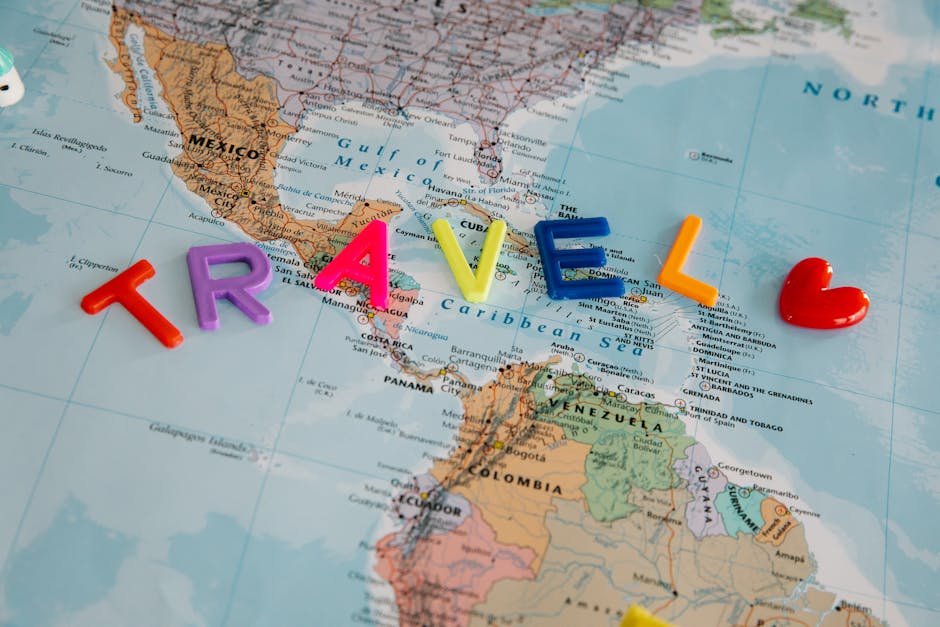
Beach destinations are well-patrolled and safe for tourists. In cities, stick to well-lit areas at night. Drink bottled water and use sunscreen—UV levels are high year-round.
U.S. and Canadian citizens need only a passport for tourist stays up to 180 days. Exchange money at banks or authorized casas de cambio for better rates.
Costa Rica: Eco-Adventures with Reliable Infrastructure
Known for national parks, wildlife, and “pura vida” lifestyle, Costa Rica is safe and easy to explore. Roads are decent, and tour operators are professional and English-speaking.
Stay in eco-lodges near Manuel Antonio or Arenal Volcano. Zip-lining, hot springs, and monkey spotting are popular activities. Rain is common—pack quick-dry clothing.
No visa required for stays under 90 days for many nationalities. U.S. dollars are widely accepted, but keep colones for small purchases.
Oceania: Stunning Scenery with Western Comforts
Australia and New Zealand offer familiar systems with unique landscapes. Both are safe, English-speaking, and well-equipped for tourists.
New Zealand: Adventure Without the Stress
Well-marked hiking trails, friendly locals, and low crime make New Zealand ideal for first-timers. Queenstown and Rotorua offer adventure activities with certified guides.
Driving is on the left—rent a car only if comfortable. Cell service can be spotty in remote areas; download offline maps. Tap water is safe to drink everywhere.
Visa-free entry applies to many countries for stays up to 90 days. Credit cards work widely, but carry cash for rural cafes.
Australia: Iconic Sights with Modern Cities
Sydney, Melbourne, and the Great Barrier Reef are major draws. Public transport in cities is reliable, and signage is in English. Wildlife encounters require caution—follow posted guidelines.
Sunscreen is non-negotiable—the ozone layer is thinner here. Reef-safe options protect marine life. Tipping is optional, usually 10% for good service.
Electronic travel authorization (ETA) is required for visa-exempt travelers. Apply online before departure.
Practical Tips for First-Time International Travelers
Preparation reduces stress and enhances enjoyment. Start with these essentials.
Documents and Money
Carry printed copies of your passport, visa (if required), and travel insurance. Store digital backups in cloud storage.

Notify your bank of travel plans to avoid card blocks. Use ATMs affiliated with major banks for better exchange rates. Avoid airport currency exchanges—they charge high fees.
Packing Smart
Pack light: one carry-on forces efficiency. Include universal power adapters, basic medications, and a reusable water bottle with filter.
Check airline baggage policies and destination weather. Roll clothes to save space and reduce wrinkles. Leave room for souvenirs.
Staying Connected
Download offline maps, translation apps, and transit guides before leaving. Consider an eSIM or local SIM card for data.
Public Wi-Fi is convenient but insecure. Use a VPN for banking or sensitive logins. Share your itinerary with someone at home.
Health and Safety
Check if vaccinations are recommended. Carry a basic first-aid kit and any prescription medications in original containers.
Purchase travel insurance that covers medical evacuation. Know the local emergency number—112 works in most European countries.
Common Mistakes to Avoid
Even seasoned travelers make errors. First-timers should watch for these pitfalls.
Overpacking your itinerary leads to exhaustion. Prioritize quality over quantity—two meaningful experiences beat five rushed ones.
Ignoring local customs can cause offense. Research greetings, dress codes, and taboos. When in doubt, observe others.
Assuming everything works like back home causes frustration. Power outlets, plumbing, and tipping norms vary. Adaptability is key.
Final Thoughts
The best first international trip balances novelty with comfort. These top travel destinations for first time international trips offer that mix—rich culture, reliable systems, and genuine hospitality.
Start small, stay curious, and embrace the unexpected. Every seasoned traveler began with a single passport stamp. Your adventure starts now.
FAQ
Do I need travel insurance for my first international trip?
Yes. Travel insurance covers medical emergencies, trip cancellations, and lost luggage. Many countries require it for visa approval. Choose a plan with 24/7 assistance.
How much should I budget for a first-time international trip?
Budget varies by destination. Portugal or Thailand may cost $50–$75 per day; Japan or Australia closer to $100–$150. Include flights, lodging, food, activities, and a buffer for extras.
Can I use my phone abroad without extra charges?
It depends. Check with your carrier about international roaming. Alternatively, buy a local SIM or use an eSIM for data. Wi-Fi is widely available in hotels and cafes.