Best Island Travel Destinations for Scenic Beaches
Dreaming of turquoise waters, powdery white sand, and palm trees swaying in the breeze? The best island travel destinations for scenic beaches offer more than just Instagram-worthy backdrops—they deliver unforgettable experiences. From secluded coves to vibrant coral reefs, these islands combine natural beauty with comfort and accessibility. Whether you’re planning a romantic getaway, a family vacation, or a solo escape, these top picks deliver stunning shorelines and reliable amenities. This guide highlights ten of the world’s most visually captivating island beaches, with practical tips to help you choose and prepare for your next coastal adventure.
Why Scenic Beach Islands Make Ideal Vacation Spots
Islands with scenic beaches stand out for their combination of natural beauty and recreational opportunities. Unlike crowded mainland resorts, many island destinations offer a sense of seclusion without sacrificing convenience. The geography of islands often creates protected bays, calm waters, and diverse marine life—perfect for swimming, snorkeling, and photography.
Travelers are drawn to these locations not just for relaxation, but for immersive experiences. Think sunrise yoga on a quiet stretch of sand, kayaking through bioluminescent bays, or dining on fresh seafood at a beachfront shack. These moments define a scenic beach vacation, turning a simple trip into a lasting memory.
What Makes a Beach “Scenic”?
A scenic beach isn’t just about clear water—it’s about the full sensory experience. Look for soft sand, gentle waves, and a backdrop of lush greenery or dramatic cliffs. Lighting matters too: golden hour on a west-facing shore can transform an already beautiful beach into a photographer’s dream.
Other factors include water clarity, minimal pollution, and natural features like rock formations or coral reefs. Islands that limit development or enforce environmental protections often preserve these qualities longer. That’s why some of the most scenic beaches remain relatively undiscovered.
Top 10 Island Destinations with Stunning Beaches
Below are ten of the world’s most visually striking island beaches, selected for their natural beauty, accessibility, and traveler satisfaction. Each offers a unique flavor of island life, from tropical paradises to rugged coastlines.
1. Bora Bora, French Polynesia
Bora Bora is synonymous with luxury and natural beauty. Its iconic overwater bungalows overlook crystal-clear lagoons framed by Mount Otemanu. The island’s main beach, Matira Beach, features soft white sand and calm waters ideal for swimming.
While it’s a high-end destination, budget-conscious travelers can find value in local guesthouses. The best time to visit is during the dry season, from May to October, when skies are clear and humidity is low.
2. Santorini, Greece
Known for its whitewashed buildings and blue-domed churches, Santorini also boasts unique volcanic beaches. Red Beach, with its striking red cliffs and dark sand, offers a dramatic contrast to the island’s classic architecture.
Kamari and Perissa beaches provide black sand and organized amenities like sunbeds and beach bars. Visit in late spring or early fall to avoid peak summer crowds and enjoy milder temperatures.
3. Maui, Hawaii, USA
Maui blends adventure with relaxation. Wailea Beach offers golden sand and calm waters, perfect for families. For something more rugged, drive to Makena’s “Big Beach,” a two-mile stretch of untouched shoreline.
The island’s diverse geography means you can surf on the north shore in the morning and snorkel in a protected marine reserve by afternoon. Rent a car to explore fully—public transport is limited.
4. Maldives
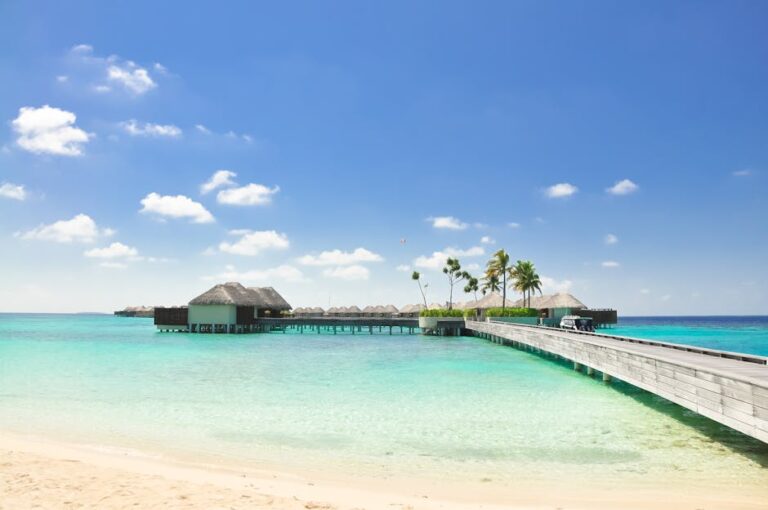
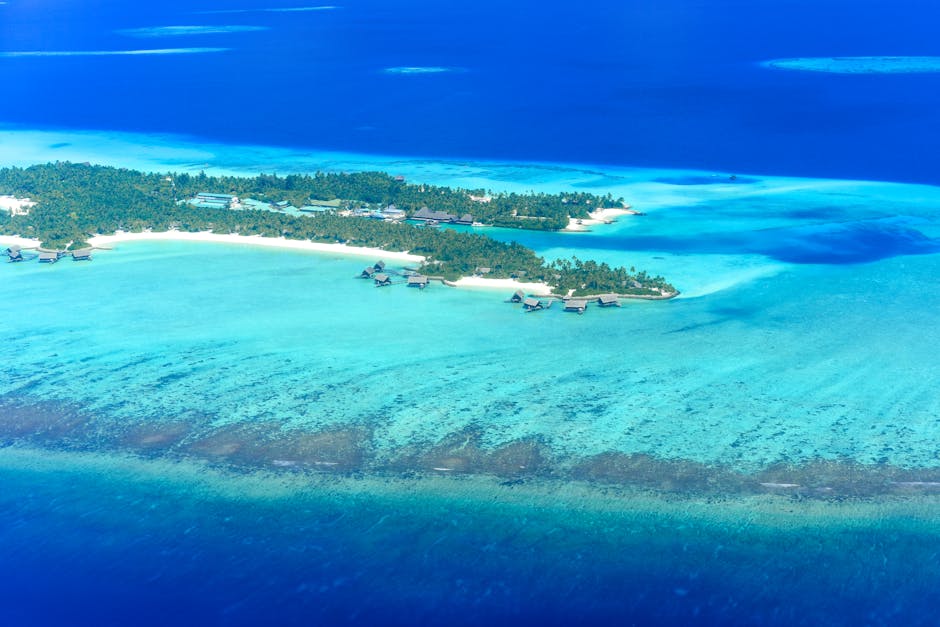
The Maldives is a chain of 1,190 coral islands scattered across the Indian Ocean. Each resort island typically occupies its own atoll, offering privacy and pristine beaches. Hanifaru Bay, a UNESCO site, is famous for seasonal manta ray and whale shark sightings.
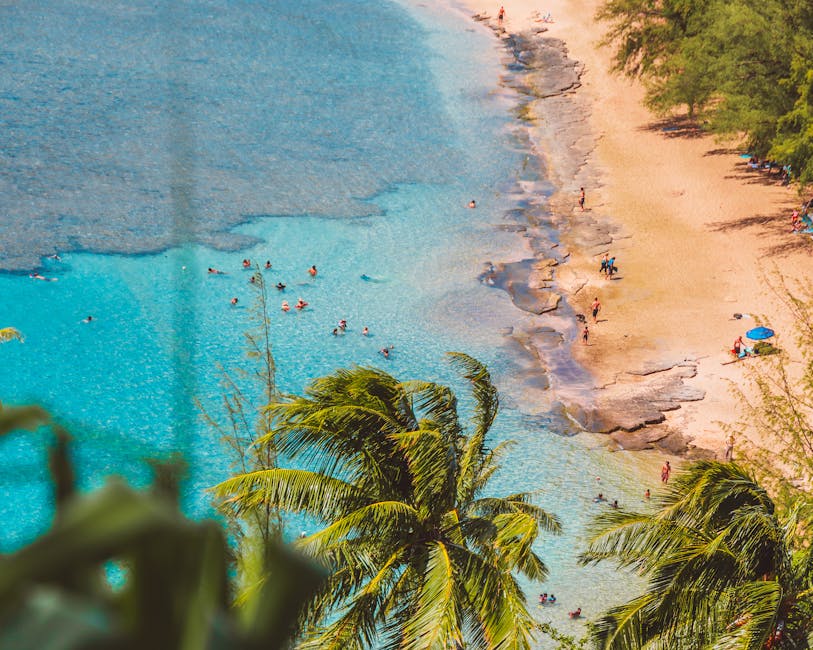
Most visitors stay in all-inclusive resorts, but local island tourism is growing. Choose a guesthouse on inhabited islands like Maafushi for a more authentic and affordable experience.
5. Phuket, Thailand
Phuket is Thailand’s largest island and a gateway to the Andaman Sea. Patong Beach buzzes with energy, while quieter spots like Kata Noi and Freedom Beach offer tranquility and scenic views.
The island is well-connected by air and road, making it easy to explore nearby islands like Phi Phi and James Bond Island. Avoid the monsoon season from July to September for the best beach conditions.
6. Amalfi Coast Islands, Italy
Capri, Ischia, and Procida sit just off Italy’s dramatic Amalfi Coast. Capri’s Marina Grande leads to pebbly beaches with stunning cliff views. The Blue Grotto, a sea cave illuminated by underwater light, is a must-see.
Ischia offers thermal springs and quieter shores, while Procida charms with colorful houses and fishing villages. Ferries run regularly from Naples and Sorrento, making day trips feasible.
7. Seychelles
This archipelago in the Indian Ocean is home to some of the world’s most photographed beaches. Anse Source d’Argent on La Digue Island features granite boulders, shallow turquoise water, and palm trees—ideal for photography and swimming.
Conservation is a priority here. Many beaches are protected, and resorts follow strict environmental guidelines. Fly into Mahé and take domestic flights or ferries to outer islands.
8. Bali, Indonesia
Bali’s beaches range from surf-heavy Kuta to the serene shores of Nusa Penida. Seminyak offers upscale beach clubs, while Uluwatu’s cliffs provide breathtaking sunset views over the Indian Ocean.
The island’s cultural richness adds depth to any beach visit. Combine a day at the beach with a temple tour or traditional dance performance. Visit between April and October for dry, sunny weather.
9. Whitsunday Islands, Australia
Part of the Great Barrier Reef, the Whitsundays are a cluster of 74 islands off Queensland. Whitehaven Beach, on Whitsunday Island, is famous for its silica sand—so pure it doesn’t heat up underfoot.
Boat tours and seaplane flights offer panoramic views of the swirling sands and turquoise waters. Book early during school holidays, as this destination is popular with Australian families.
10. Fernando de Noronha, Brazil
This UNESCO World Heritage site is a protected marine park with limited visitor access to preserve its ecosystem. Baía do Sancho, often ranked among the world’s best beaches, requires a steep hike down cliffs but rewards with pristine waters and sea turtle sightings.
Only 420 tourists are allowed on the island at a time. Plan well in advance and expect higher costs due to conservation fees and limited lodging.
How to Choose the Right Island Beach Destination
With so many beautiful options, narrowing down your choice can be challenging. Start by considering your travel style, budget, and ideal climate. Are you looking for luxury, adventure, or cultural immersion?
Compare flight accessibility, visa requirements, and seasonal weather patterns. Some islands have short travel windows due to monsoon or hurricane seasons. Others require multiple connections, which can add time and cost.
Budget Considerations
Island travel can vary widely in cost. The Maldives and Bora Bora are premium destinations, while Thailand and Bali offer more affordable options. Look beyond airfare—consider accommodation, food, activities, and local transport.
All-inclusive resorts simplify budgeting but may limit local experiences. Guesthouses and vacation rentals often provide better value and more authentic interactions. Always check for hidden fees like resort taxes or conservation charges.
Travel Time and Accessibility
Remote islands like Fernando de Noronha or the Seychelles require longer flights and possible layovers. If you have limited time, consider closer destinations like the Greek islands or Caribbean beaches.
Check ferry schedules and airport connections. Some islands have limited daily flights, so missing a connection can delay your trip by a day or more. Book flexible tickets if your schedule is tight.
Safety and Health Precautions
Research local health advisories and ensure your vaccinations are up to date. Some tropical islands have risks like dengue fever or strong sun exposure. Pack reef-safe sunscreen, insect repellent, and a basic first-aid kit.
Be aware of ocean conditions. Strong currents, jellyfish, or sharp coral can pose dangers. Always swim near lifeguard stations when available and avoid alcohol before water activities.
Tips for Responsible Island Beach Travel
Scenic beaches are fragile ecosystems. Your choices can help preserve them for future travelers. Start by minimizing single-use plastics—bring a reusable water bottle, utensils, and shopping bag.
Choose eco-certified accommodations and tour operators that support local communities and conservation. Avoid touching coral reefs or feeding wildlife, as these actions can cause long-term damage.
Leave No Trace Principles
Pack out everything you bring in, including food wrappers and cigarette butts. Even biodegradable items like fruit peels can disrupt local wildlife. Stay on marked paths to protect dune vegetation.
Respect local customs and dress codes, especially in conservative regions. Support local businesses by eating at family-run restaurants and buying handmade souvenirs.
When to Visit for the Best Beach Experience
Timing can make or break your island vacation. Most tropical destinations have a dry season with calm seas and clear skies. In the Caribbean and Southeast Asia, this typically runs from December to April.
Avoid peak holiday periods if you prefer quieter beaches. Prices also drop during shoulder seasons—just after school breaks or before major holidays. Monitor weather forecasts and book refundable accommodations when possible.
Weather Patterns by Region
The Mediterranean enjoys warm, dry summers from June to September. The South Pacific, including Fiji and Tahiti, is best visited from May to October. The Indian Ocean islands like the Maldives and Seychelles have two monsoon seasons—plan around the northeast monsoon for calmer seas.
Always check regional advisories before booking. Hurricane seasons in the Atlantic (June–November) and typhoon risks in Asia (May–October) can affect travel plans.
What to Pack for a Scenic Island Beach Vacation
Packing smart ensures you’re prepared without overloading your luggage. Essentials include lightweight clothing, swimwear, a wide-brimmed hat, and UV-protective sunglasses. Quick-dry fabrics are ideal for humid climates.
Don’t forget a waterproof phone case, portable charger, and reef-safe sunscreen. If you plan to snorkel, consider bringing your own mask and snorkel for a better fit and hygiene.
Footwear and Accessories
Flip-flops are great for the beach, but bring sturdy sandals for rocky shores or hikes. Water shoes protect your feet from sharp coral or hot sand. A lightweight daypack helps carry essentials during excursions.
For photography enthusiasts, a polarizing filter reduces glare on water shots. A dry bag keeps electronics safe during boat trips or sudden rain showers.
Final Thoughts on Choosing Your Island Escape
The best island travel destinations for scenic beaches offer a blend of natural beauty, comfort, and responsible tourism. Whether you’re drawn to the luxury of Bora Bora or the raw beauty of Fernando de Noronha, each destination provides a unique way to connect with nature.
Plan ahead, travel mindfully, and prioritize experiences over luxury. The most memorable beach vacations often come from quiet moments—watching a sunrise, swimming in clear water, or sharing a meal with locals. With the right preparation, your island getaway can be as rejuvenating as it is scenic.
FAQ
What is the best time of year to visit tropical island beaches?
The ideal time varies by region, but generally, the dry season offers the best weather. For the Caribbean and Southeast Asia, aim for December to April. Mediterranean islands are best from June to September.
Are scenic beach islands safe for solo travelers?
Yes, many island destinations are safe for solo travelers, especially those with established tourism infrastructure. Stick to well-reviewed accommodations, avoid isolated areas at night, and share your itinerary with someone you trust.
How can I minimize my environmental impact while visiting island beaches?
Use reef-safe sunscreen, avoid single-use plastics, stay on marked trails, and support eco-certified businesses. Never touch coral or wildlife, and always pack out what you bring in.