Top Cooking Classes for Culinary Travelers Worldwide
Culinary travel blends the joy of exploration with the art of cooking, offering immersive experiences that go beyond typical sightseeing. For food lovers seeking authentic flavors and hands-on learning, cooking classes abroad provide a unique way to connect with local culture. Whether you’re mastering Thai street food in Bangkok or crafting handmade pasta in Tuscany, these experiences deepen your understanding of regional cuisine. This guide highlights the best cooking classes for culinary travelers worldwide—curated for quality, authenticity, and traveler accessibility.
Why Take a Cooking Class While Traveling?
Cooking classes offer more than just recipes—they deliver cultural insight. You learn how ingredients are sourced, how dishes reflect local traditions, and how meals bring communities together. Unlike restaurant dining, these classes often include market tours, ingredient explanations, and personal stories from instructors.
For travelers, this adds depth to the journey. Instead of just tasting a dish, you understand its origins. Many classes also accommodate various skill levels, making them ideal for beginners and experienced cooks alike. Plus, you return home with practical skills and new recipes to share.
What to Look for in a Quality Cooking Class
Not all cooking experiences are created equal. Look for classes led by local chefs or home cooks with deep regional knowledge. Small group sizes ensure personalized attention, while hands-on preparation—not just observation—is essential.
Check if the class includes a market visit. Seeing where ingredients come from enhances the learning process. Also, verify dietary accommodations, language support, and whether recipes are provided. Classes that offer take-home recipe cards or digital copies add lasting value.
Class Duration and Format
Most classes range from two to six hours. Half-day sessions often include a market tour and meal preparation, while full-day options may cover multiple courses or regional specialties. Some are held in professional kitchens, others in homes or outdoor settings.
Consider your schedule. A two-hour class fits easily into a busy itinerary, while a full-day experience suits slower, more immersive trips. Evening classes are available in many cities, ideal for travelers with daytime sightseeing plans.
Cost and Booking Tips
Prices vary widely by location and class type. Expect to pay $50–$150 per person in most destinations. Higher-end classes in cities like Paris or Tokyo may cost more, but often include premium ingredients or wine pairings.
Book in advance, especially during peak seasons. Many reputable classes fill up weeks ahead. Read recent reviews on platforms like TripAdvisor, Google, or GetYourGuide to assess reliability and quality. Avoid overly touristy options that prioritize volume over authenticity.
Top Cooking Classes by Region
Asia: Flavors from Street to Table
Asia offers some of the most vibrant and diverse culinary traditions on the planet. Cooking classes here often begin with a bustling market tour, where you’ll learn to identify fresh herbs, spices, and produce unique to the region.
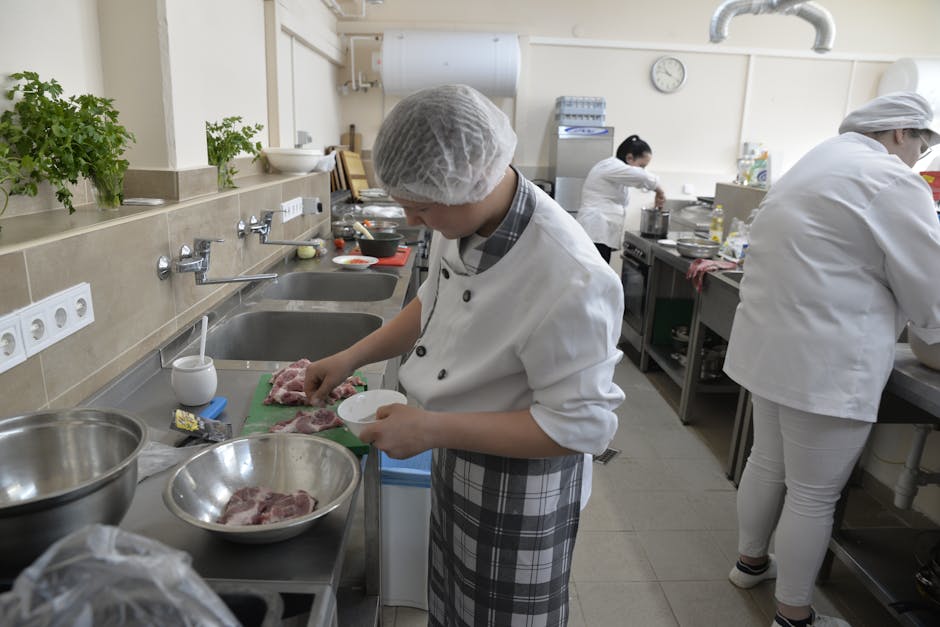
In Bangkok, Blue Elephant Cooking School stands out for its elegant setting and professional instruction. The class includes a guided tour of a local market, followed by preparation of classic dishes like green curry and pad Thai. Recipes are tailored to home kitchens, with substitutions suggested for hard-to-find ingredients.
For a more intimate experience, Chiang Mai Thai Farm Cooking School takes you to a rural organic farm. You’ll harvest ingredients yourself, then cook in an open-air kitchen surrounded by rice fields. The class emphasizes sustainability and traditional techniques, with all meals served family-style.
In Tokyo, Sakura Cooking Class offers a modern twist on Japanese cuisine. Held in a minimalist home kitchen, the session covers sushi, miso soup, and tempura. The instructor speaks fluent English and provides printed recipe guides. Classes are limited to six people, ensuring individual attention.
Europe: Tradition Meets Technique
Europe’s culinary heritage is rich and varied, with cooking classes that reflect centuries of tradition. From rustic Italian fare to refined French techniques, these experiences often double as cultural lessons.
In Florence, In Tavola Cooking School offers a full-day Tuscan experience. The morning begins at a local market, where you’ll select ingredients with your chef. Back in the kitchen, you’ll prepare handmade pappardelle, ribollita soup, and tiramisu. The class ends with a seated lunch paired with regional wines.
For a hands-on pasta-making session, Cook in Tuscany near Siena provides small-group classes in a restored farmhouse. You’ll learn to roll dough, shape ravioli, and make sauces from scratch. The relaxed pace and scenic views make it a favorite among travelers.
In Paris, Le Foodist combines language and cuisine. The class starts with a French market tour, followed by a cooking session focused on seasonal dishes. The instructor teaches basic French culinary terms, adding an educational layer. Recipes are simple enough to replicate at home, with a focus on technique over complexity.
Latin America: Bold Tastes and Vibrant Traditions
Latin American cuisine is known for its bold flavors, fresh ingredients, and communal cooking styles. Classes in this region often emphasize technique, spice blending, and traditional methods like grilling or steaming in banana leaves.
In Oaxaca, Mexico, Casa de los Sabores offers a deep dive into regional specialties. You’ll learn to make mole negro, tlayudas, and mezcal-based cocktails. The class includes a visit to a local mercado, where you’ll taste chapulines (grasshoppers) and learn about indigenous ingredients.
In Lima, Peru, Chicha Cooking School focuses on modern Peruvian cuisine. Led by a former protégé of chef Gastón Acurio, the class covers ceviche, lomo saltado, and causa. The school uses sustainable practices and sources ingredients from local farmers.
For a Caribbean twist, Jamaican Cooking Experience in Montego Bay teaches jerk chicken, festival bread, and callaloo. The outdoor kitchen setup and reggae soundtrack create a festive atmosphere. Classes are family-friendly and often include a beachside lunch.
Middle East and Africa: Spices, Stews, and Stories
The Middle East and Africa offer deeply flavorful cuisines rooted in history and hospitality. Cooking classes here often highlight spice blends, slow-cooked dishes, and communal dining traditions.
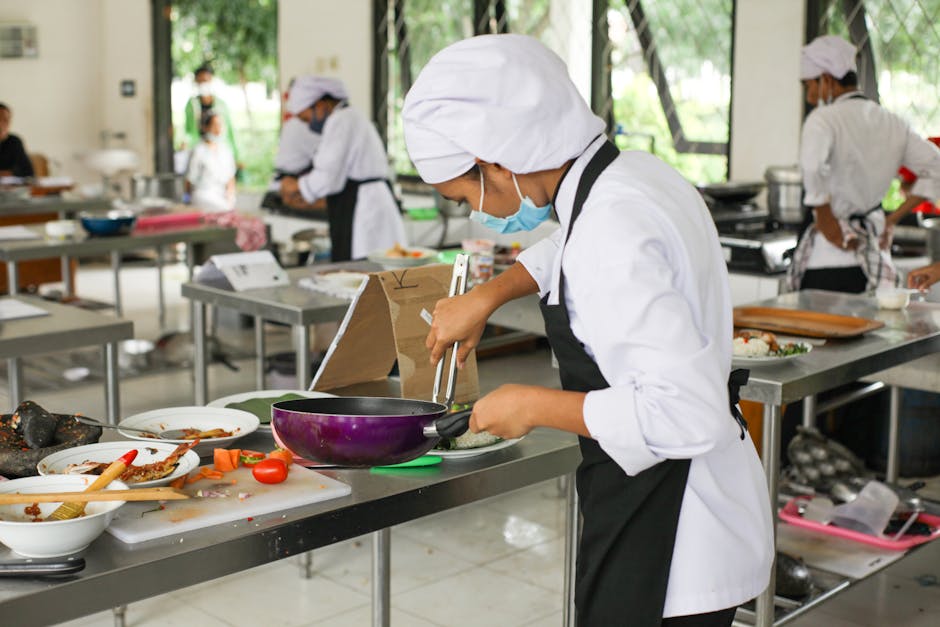
In Marrakech, Maison de la Douceur provides a riad-based cooking experience. You’ll learn to prepare tagines, couscous, and mint tea in a traditional Moroccan kitchen. The class includes a spice workshop, where you’ll grind your own ras el hanout blend.
In Cape Town, The Cooking Lab offers a fusion of African and colonial influences. Dishes like bobotie, chakalaka, and malva pudding are taught with historical context. The class is held in a modern studio with panoramic city views.
For an authentic Ethiopian experience, Addis Red Cooking School in Addis Ababa teaches injera-making and wat stews. You’ll eat with your hands, as is customary, and learn about the cultural significance of shared meals. The school supports local women through culinary training programs.
North America: Regional Specialties and Fusion
While North America is often overlooked for culinary travel, its regional cuisines offer rich learning opportunities. From Southern comfort food to Pacific Northwest seafood, classes highlight local ingredients and techniques.
In New Orleans, New Orleans School of Cooking focuses on Creole and Cajun dishes. You’ll make gumbo, jambalaya, and pralines while hearing stories about the city’s multicultural roots. The class is held in a historic French Quarter building with live jazz music.
In Portland, Oregon, Farm to Fork Cooking Class emphasizes seasonal, locally sourced ingredients. The menu changes weekly based on what’s fresh at the farmers market. You’ll learn techniques for pickling, fermenting, and preserving.
In Mexico City, Casa Jacaranda offers a high-end cooking experience in a private home. The class covers complex moles, tamales, and salsas, with a focus on ancestral techniques. Small groups and personalized instruction make it a standout choice.
How to Choose the Right Class for Your Trip
Start by identifying your culinary interests. Are you drawn to street food, fine dining, or traditional home cooking? Match your preferences to the class focus. If you love spices, prioritize Indian or Moroccan classes. If you prefer simplicity, opt for Italian or Japanese sessions.
Consider your travel style. Solo travelers may prefer group classes for social interaction, while couples might enjoy private sessions. Families should look for kid-friendly options with shorter durations and hands-on activities.
Check the class language. While many instructors speak English, some classes are conducted in the local language with translation support. Confirm this before booking, especially if language is a barrier.
Practical Tips for a Great Experience
Wear comfortable clothes and closed-toe shoes. Kitchens can be warm, and spills happen. Bring a small notebook or use your phone to jot down tips, though most classes provide recipes.
Arrive on time—many classes begin with market tours or ingredient prep. Bring a reusable water bottle and a small bag for leftovers, if allowed. Some schools offer aprons, but it’s wise to ask in advance.
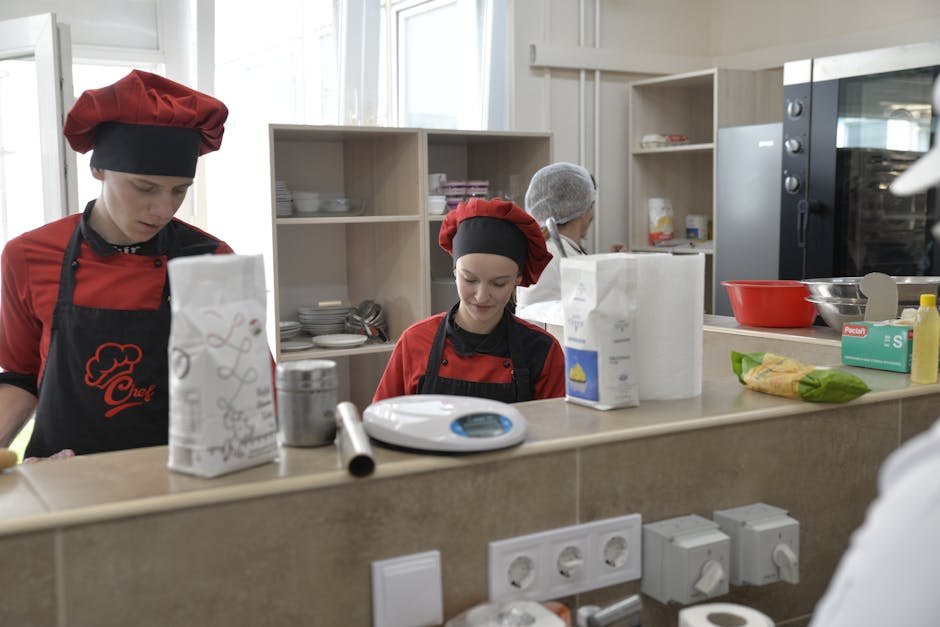
Don’t be afraid to ask questions. Instructors appreciate curiosity and often share personal stories or family recipes. Respect cultural norms, especially in religious or traditional settings.
Safety and Accessibility Considerations
Ensure the class meets basic safety standards. Kitchens should be clean, with accessible fire extinguishers and first aid kits. Confirm that the venue is accessible if you have mobility concerns—some historic buildings lack elevators or ramps.
Inform the school of allergies or dietary restrictions when booking. Most can accommodate vegetarian, vegan, or gluten-free needs, but advance notice is essential. Avoid classes that use excessive amounts of chili or unfamiliar ingredients if you have sensitivities.
Check cancellation policies. Weather, low enrollment, or instructor illness can lead to last-minute changes. Flexible bookings reduce stress, especially for international travelers.
Making the Most of Your Culinary Adventure
Use your class as a springboard for further exploration. Visit local restaurants that serve the dishes you learned, or seek out food tours in the same region. Many cooking schools offer add-on experiences, such as wine tastings or dinner with the chef.
Share your experience. Post photos, write a blog, or teach a friend back home. Recreating a dish from your trip keeps the memory alive and spreads appreciation for global cuisine.
Support local communities. Choose classes that employ local staff, use regional ingredients, or contribute to social causes. Ethical tourism benefits both travelers and host communities.
Final Thoughts
The best cooking classes for culinary travelers combine education, culture, and flavor. They transform a meal into a memory and a destination into a deeper connection. Whether you’re flipping tortillas in Oaxaca or folding dumplings in Shanghai, these experiences enrich your journey in meaningful ways.
With so many options worldwide, there’s a class to match every interest and itinerary. Prioritize authenticity, safety, and hands-on learning. The result? A richer understanding of the world—one dish at a time.
FAQ
How far in advance should I book a cooking class?
It’s best to book at least 2–4 weeks ahead, especially in popular destinations like Paris, Tokyo, or Bangkok. Peak travel seasons (summer, holidays) may require even earlier reservations.
Are cooking classes suitable for beginners?
Yes, most classes welcome all skill levels. Instructors typically adjust guidance based on experience, and many provide step-by-step instruction for novice cooks.
Can I take home what I cook?In most cases, yes—you’ll eat the meal you prepare. Some schools allow leftovers to be packed, while others provide recipe cards so you can recreate dishes at home.