Oman Travel Guide: Top Destinations and Travel Tips
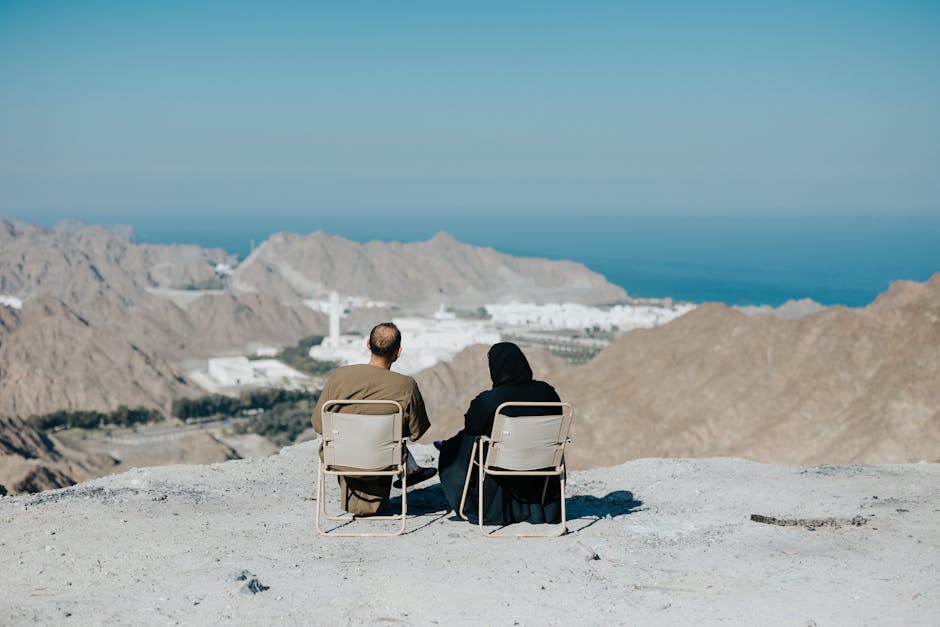
Oman blends ancient traditions with stunning natural beauty, making it a standout destination in the Middle East. From dramatic deserts and turquoise coastlines to historic forts and mountain villages, the country offers a unique travel experience without the crowds of more commercialized neighbors. Whether you’re exploring the capital Muscat, hiking in Jebel Akhdar, or camping under the stars in the Wahiba Sands, Oman rewards curious travelers with authenticity and adventure.
Why Visit Oman?
Oman stands apart from its Gulf neighbors with a focus on cultural preservation and sustainable tourism. The country has invested in infrastructure while maintaining its heritage—think restored souks, traditional dhow boats, and UNESCO-listed sites. It’s safe, welcoming to tourists, and relatively easy to navigate, even for first-time visitors to the region.
Unlike Dubai or Abu Dhabi, Oman doesn’t rely on glitzy skyscrapers or mega-malls. Instead, it offers raw landscapes, from the fjord-like Musandam Peninsula to the lush wadis of the north. Travelers seeking authenticity, outdoor adventure, and a slower pace will find Oman deeply satisfying.
Top Destinations in Oman
Muscat: The Cultural Heart
Muscat, the capital, is where most journeys begin. The city blends old and new with grace—grand mosques sit beside modern museums, and the Corniche buzzes with evening strolls. Don’t miss the Sultan Qaboos Grand Mosque, open to non-Muslim visitors outside prayer times.
The Mutrah Souk is a must-visit for handicrafts, frankincense, and silver jewelry. Arrive early to avoid crowds and heat. Nearby, the Royal Opera House and Bait Al Zubair Museum offer deeper insights into Omani culture and history.
Nizwa: Gateway to the Interior
Nizwa, once the capital of Oman, is a historic town surrounded by date palms and mountain foothills. Its 17th-century fort dominates the skyline and offers panoramic views from the top. The nearby souk is famous for silver crafts, pottery, and halwa—a sticky, saffron-infused sweet.
Visit on a Friday to see the livestock market, where locals trade goats and cattle. The town also serves as a base for exploring nearby wadis like Wadi Bani Awf and the snake canyon at Wadi Tanuf.
Jebel Akhdar: The Green Mountain
Part of the Al Hajar mountain range, Jebel Akhdar sits over 2,000 meters above sea level. Cooler temperatures and terraced farms make it a refreshing escape from the desert heat. The area is known for rose cultivation—thousands of roses bloom in April, and locals distill rosewater for export.
Hiking trails wind through villages like Al Aqr and Al Ayn, where ancient irrigation systems (aflaj) still function. The Balcony Walk offers breathtaking views of the Saiq Plateau. A 4×4 is recommended due to steep, narrow roads.
Wahiba Sands: Desert Adventure
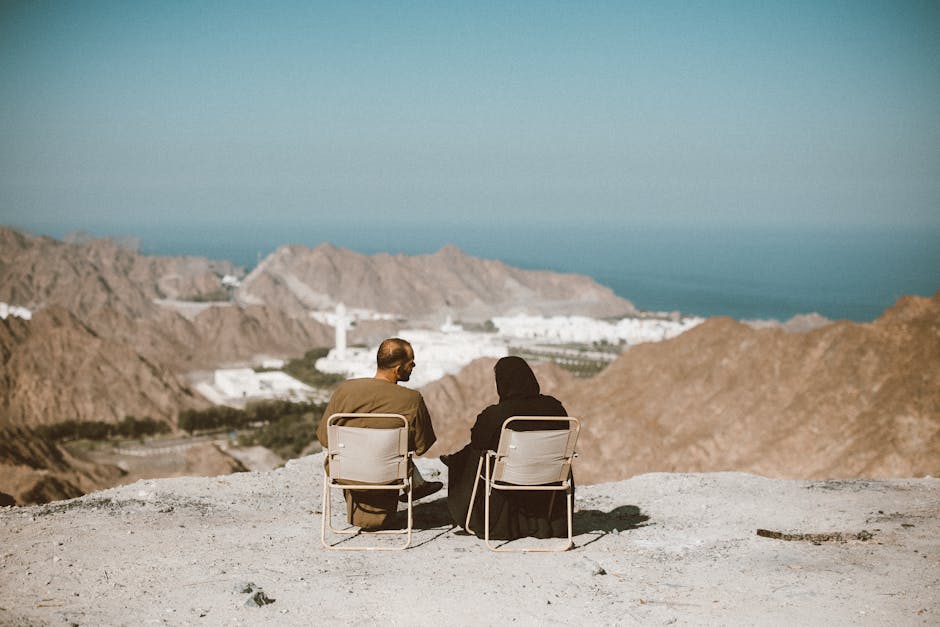
The Wahiba Sands stretch over 180 kilometers of golden dunes, shaped by wind and time. This is classic desert terrain—ideal for dune bashing, camel trekking, and overnight camping. Many tours depart from Sur or Ibra and include dinner and stargazing.
Respect local customs: dress modestly and avoid loud music. Some camps offer traditional Bedouin experiences, including storytelling and coffee ceremonies. Sunrise over the dunes is unforgettable.
Salalah: The Perfume Capital
In southern Oman, Salalah offers a completely different climate. From June to September, the khareef (monsoon) brings mist and greenery, transforming the region into a tropical paradise. Coconut palms, banana plantations, and waterfalls thrive during this season.
Visit Al Baleed Archaeological Park, a UNESCO site with ruins of the ancient port of Zafar. The nearby Museum of the Frankincense Land explains Oman’s role in the historic incense trade. Don’t miss the beaches at Al Mughsail, where blowholes shoot seawater into the air.
Musandam Peninsula: Oman’s Fjords
Musandam, an Omani exclave separated by the UAE, resembles Norway with its steep cliffs and deep inlets. Dhow cruises from Khasab offer dolphin sightings, snorkeling, and views of traditional fishing villages. Some tours include a stop at Telegraph Island, a relic of British colonial communication.
The area is accessible by road from Dubai or by flight to Khasab. A 4×4 is helpful for inland exploration, but most visitors stick to boat-based activities. Bring motion sickness medication if you’re prone to seasickness.
Best Time to Visit Oman
The ideal time to visit Oman is between October and April, when temperatures are mild and outdoor activities are most enjoyable. Daytime highs range from 25°C to 35°C (77°F to 95°F), perfect for hiking, sightseeing, and beach time.
Summer (May to September) can be extremely hot, especially in the interior and desert regions, with temperatures exceeding 45°C (113°F). However, Salalah’s khareef season offers a cool, green alternative during these months.
Ramadan affects travel plans. While hotels and restaurants operate normally for tourists, some services may have reduced hours. Respect local customs by avoiding eating, drinking, or smoking in public during daylight hours.
Getting Around Oman
Renting a car is the most practical way to explore Oman. Roads are well-maintained, signage is clear (in Arabic and English), and fuel is inexpensive. An international driving permit is required for most visitors.
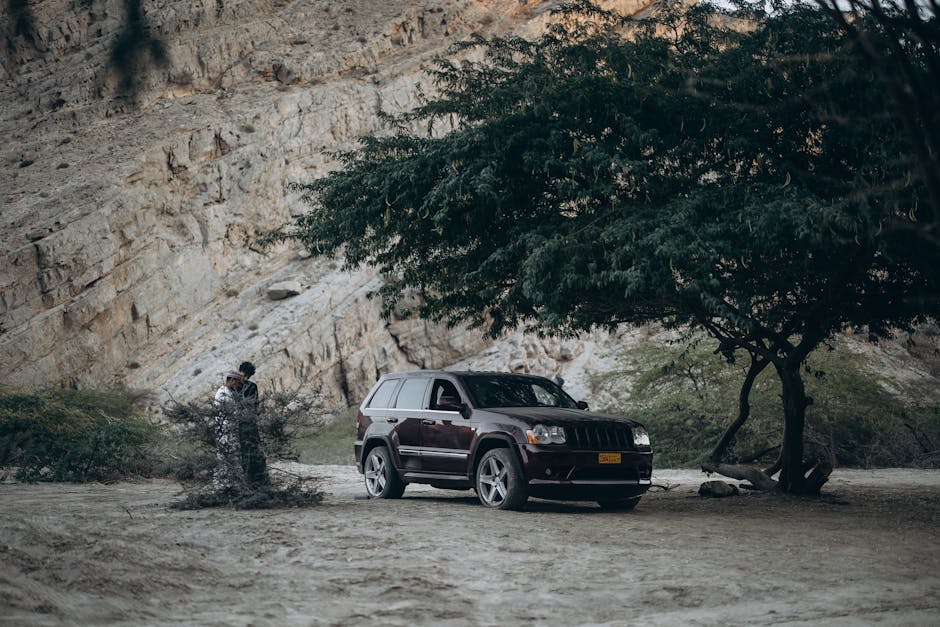
For remote areas like Jebel Akhdar or the desert, a 4×4 is strongly recommended. GPS works well, but carry physical maps as backup. Speed limits are strictly enforced via radar and cameras.
Public transport is limited. Buses connect major cities like Muscat, Nizwa, and Salalah, but schedules are infrequent. Taxis are available in cities but can be costly for long distances. Ride-hailing apps like Careem operate in Muscat.
What to Pack for Oman
Dress modestly, especially outside tourist areas. Lightweight, loose-fitting clothing in breathable fabrics like cotton is ideal. Women should cover shoulders and knees; men should avoid shorts in rural areas.
Essential items include sunscreen, a wide-brimmed hat, sunglasses, and sturdy walking shoes. A scarf or shawl is useful for entering mosques or cooler evenings in the mountains. Don’t forget a reusable water bottle—tap water is safe in cities, but bottled water is widely available.
If visiting the desert, pack warm layers for nighttime, as temperatures drop significantly. For mountain hikes, bring a light jacket and rain gear, even in dry seasons.
Cultural Etiquette and Tips
Omanis are known for their hospitality. Greetings are important—use “Salam alaikum” (peace be upon you) and wait for the response. Handshakes are common, but wait for a woman to extend her hand first.
Avoid public displays of affection, loud behavior, and photography of people without permission. When visiting homes or villages, remove shoes and accept offers of tea or coffee—it’s a sign of respect.
Tipping is not mandatory but appreciated. Rounding up the bill or leaving 10% in restaurants is common. Bargaining is expected in souks, but keep it friendly and respectful.
Food and Drink in Oman
Omani cuisine blends Arabic, Indian, and East African influences. Rice dishes like mashuai (roasted lamb with rice) and shuwa (slow-cooked marinated meat) are staples. Seafood is abundant in coastal areas—try grilled kingfish or lobster in Salalah.
Dates and coffee are central to Omani culture. Kahwa, a cardamom-infused coffee served with dates, is offered to guests as a gesture of welcome. It’s traditionally drunk in small cups without handles.
Vegetarian options are available but limited. Meals are often shared family-style. Alcohol is available in hotels and licensed restaurants, but public intoxication is illegal. Drinking in public or during Ramadan can result in fines or deportation.
Safety and Health
Oman is one of the safest countries in the Middle East. Crime rates are low, and locals are generally helpful to tourists. Still, take standard precautions: keep valuables secure, avoid isolated areas at night, and stay hydrated.
No special vaccinations are required, but routine vaccines should be up to date. Tap water is safe in urban areas, but bottled water is recommended in rural regions. Pharmacies are well-stocked, and major hospitals exist in Muscat and Salalah.
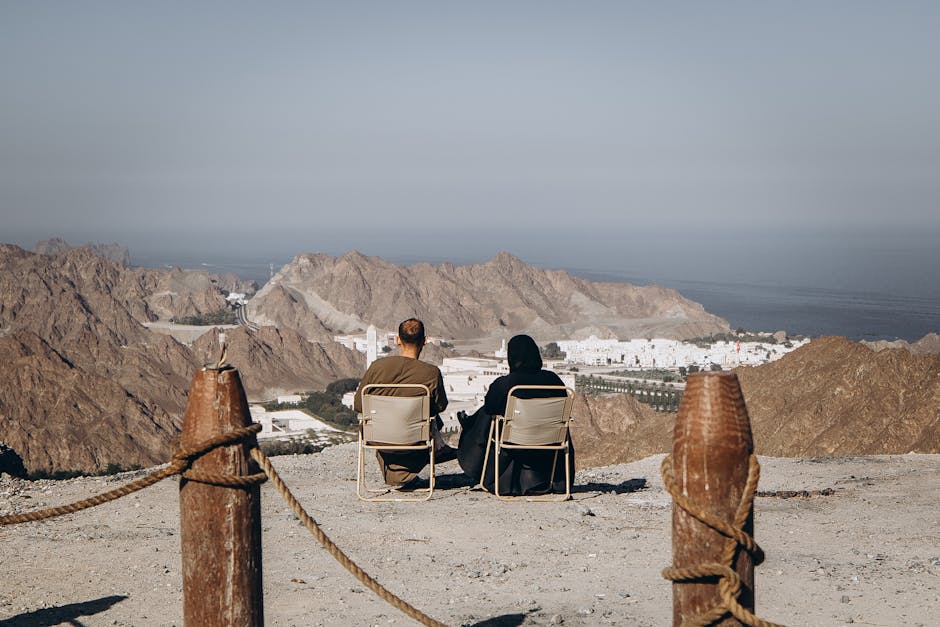
Sun protection is essential. UV levels are high year-round. Seek shade during midday, wear sunscreen, and drink plenty of water. Heat exhaustion is a risk, especially in summer or during physical activity.
Budgeting for Your Trip
Oman is mid-range in cost—more affordable than Western Europe but pricier than Southeast Asia. Budget travelers can manage on $50–70 per day, while mid-range travelers should budget $100–150.
Accommodation ranges from budget guesthouses to luxury resorts. Camping is free in many desert and mountain areas, but always check local regulations. Entrance fees to forts and museums are usually under $5.
Eating at local restaurants or street stalls is inexpensive. A meal at a mid-range restaurant costs $10–15 per person. Groceries are affordable if you self-cater.
Sustainable Travel in Oman
Oman is committed to preserving its environment and culture. Avoid single-use plastics—many hotels and tour operators now offer refill stations. Support local businesses by buying handicrafts directly from artisans.
Stick to marked trails when hiking to prevent erosion. In the desert, avoid driving off-road to protect fragile ecosystems. Respect wildlife—do not feed or disturb animals, especially in protected areas like the Ras al Jinz turtle reserve.
Learn a few Arabic phrases. Even simple greetings go a long way in building rapport. Leave no trace: carry out all trash, especially in remote areas with limited waste services.
Final Thoughts
Oman offers a rare blend of adventure, culture, and natural beauty. It’s a destination that rewards slow travel and genuine curiosity. Whether you’re exploring ancient forts, swimming in hidden wadis, or sharing coffee with locals, the experience feels authentic and unhurried.
With careful planning and respect for local customs, your trip to Oman can be both enriching and unforgettable. Pack light, stay open-minded, and let the rhythm of the country guide your journey.
FAQ
Do I need a visa to visit Oman?
Most nationalities can obtain a visa on arrival or apply online through the official eVisa portal. Tourist visas are typically valid for 30 days and cost around $20.
Is Oman safe for solo travelers?
Yes, Oman is considered very safe for solo travelers, including women. Locals are respectful and helpful, and violent crime is rare. Still, stay aware of your surroundings and avoid remote areas at night.
Can I drink alcohol in Oman?
Alcohol is available in licensed hotels, restaurants, and bars, mostly in tourist areas. Public drinking is prohibited and can lead to fines. During Ramadan, alcohol service is restricted.