Travel Tips Guide for Exploring New Destinations Easily
Exploring a new destination doesn’t have to be overwhelming. With the right preparation and mindset, you can navigate unfamiliar places with confidence and ease. This travel tips guide walks you through essential strategies—from planning and packing to staying safe and connecting with locals—so you can enjoy every moment of your journey without stress. Whether you’re visiting a bustling city or a quiet countryside village, these practical steps will help you adapt quickly and make the most of your adventure.
Plan Ahead, But Stay Flexible
Good planning sets the foundation for a smooth trip. Start by researching your destination’s culture, climate, language basics, and local customs. Knowing what to expect helps you avoid misunderstandings and shows respect for the community you’re visiting.
Book accommodations and major transportation in advance, especially during peak seasons. However, leave room for spontaneity. Some of the best travel experiences come from unplanned detours—like stumbling upon a local festival or a hidden café recommended by a resident.
Use Reliable Resources
Stick to trusted sources like government travel advisories, official tourism websites, and reputable travel blogs. Avoid relying solely on social media posts, which may exaggerate or misrepresent conditions.
Download offline maps and translation apps before you go. Google Maps, Maps.me, and Google Translate work well in most regions and function without constant internet access.
Create a Light Itinerary
Outline your must-see attractions and activities, but don’t over-schedule. Aim for one or two main experiences per day. This gives you time to rest, explore side streets, and respond to unexpected opportunities.
Include buffer time between activities. Trains get delayed, museums close unexpectedly, and jet lag hits harder than expected. A flexible schedule reduces frustration and keeps your trip enjoyable.
Pack Smart for Any Destination
Packing efficiently saves time, space, and stress. Bring versatile clothing that can be layered and mixed easily. Neutral colors work best—they’re easier to coordinate and hide stains.
Limit yourself to one carry-on if possible. Airlines often charge extra for checked bags, and carrying less means you’re more mobile. Use packing cubes to organize items and compress clothing to save space.
Essential Items to Bring
- Copies of important documents (passport, ID, insurance)
- Universal power adapter
- Reusable water bottle with filter
- Portable charger
- Basic first-aid kit
- Lightweight daypack
Avoid bringing expensive jewelry or electronics unless necessary. The less you carry, the less you have to worry about losing.
Know What to Leave Behind
Don’t pack “just in case” items that take up space but rarely get used. For example, formal shoes, multiple books, or excessive toiletries. Most destinations have stores where you can buy basics if needed.
Check airline baggage policies before you pack. Weight and size limits vary, and fees can add up quickly. Packing light also makes it easier to move between accommodations or switch transport modes.
Navigate Like a Local
One of the best ways to explore a new place is to observe how locals move through it. Pay attention to public transit patterns, peak hours, and popular gathering spots. You’ll often find that the most authentic experiences happen away from tourist hubs.
Use public transportation instead of taxis or ride-shares when safe and practical. Buses, trains, and subways are usually cheaper and give you a better sense of the city’s rhythm.
Learn Basic Phrases
Even a few words in the local language go a long way. Saying “hello,” “thank you,” and “excuse me” in the native tongue shows respect and often leads to warmer interactions.
Carry a small phrasebook or use a translation app. Practice pronunciation before you go. Locals appreciate the effort, even if your accent isn’t perfect.
Ask for Recommendations
Hotel staff, shopkeepers, and fellow travelers can offer insights you won’t find in guidebooks. Ask where they eat, what neighborhoods to avoid, or which sights are worth the trip.
Be cautious with overly enthusiastic advice from strangers offering tours or deals. Some may be scams. Stick to recommendations from people you can verify, like your host or a trusted review platform.
Stay Safe and Aware
Safety starts with awareness. Stay alert in crowded areas, keep your belongings secure, and avoid displaying valuables. Pickpocketing is common in tourist-heavy zones like train stations and markets.
Keep digital and physical copies of your passport, visa, and travel insurance. Store them separately from the originals. Use a money belt or hidden pouch for cash and cards.
Know Emergency Contacts
Save local emergency numbers in your phone. In many countries, 112 is the universal emergency number. Also, note the contact details for your country’s nearest embassy or consulate.
Share your itinerary with someone back home. Check in regularly, especially if you’re traveling solo or in remote areas.
Avoid Risky Situations
Stick to well-lit, populated areas at night. Avoid walking alone in unfamiliar neighborhoods after dark. If you’re unsure about a location, ask your accommodation staff for advice.
Be cautious with alcohol. Overindulging can impair judgment and make you an easy target. Always keep your drink in sight and never accept drinks from strangers.
Manage Your Budget Wisely
Set a daily spending limit based on your destination. Costs vary widely—cities like Tokyo or Zurich are expensive, while places in Southeast Asia or Eastern Europe offer great value.
Use a mix of payment methods. Carry some local cash for small vendors and markets, and use a no-foreign-transaction-fee debit or credit card for larger purchases.
Track Your Spending
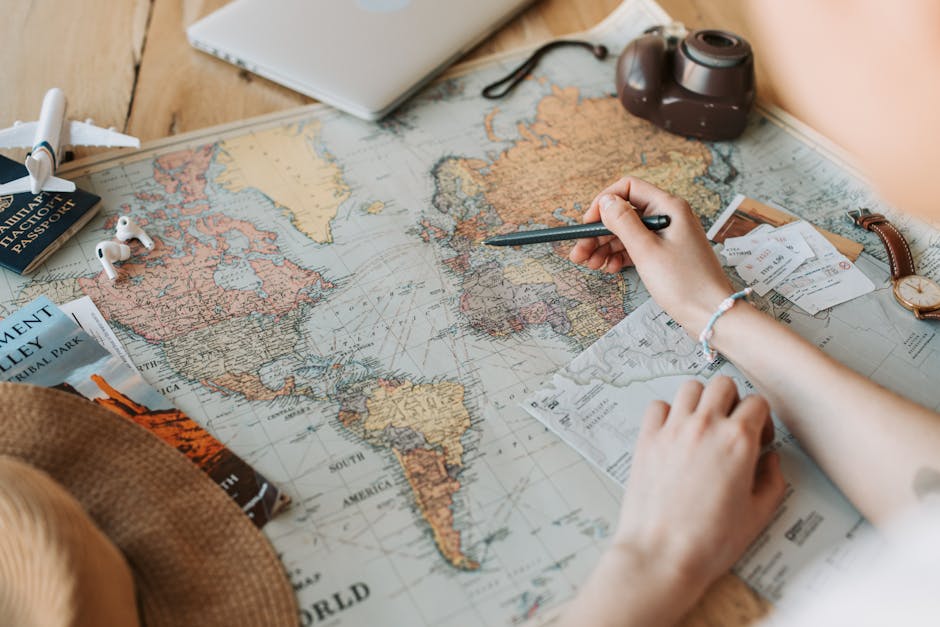
Use a budgeting app or a simple notebook to log expenses. This helps you stay on track and identify areas where you might be overspending, like dining out too often.
Take advantage of free activities. Many cities offer free walking tours, public parks, museums with no entry fee on certain days, and cultural events. These can be just as enriching as paid attractions.
Save on Food
Eating like a local is usually cheaper and more authentic. Visit neighborhood markets, food stalls, and family-run restaurants instead of tourist restaurants near major sights.
Try a “menu del día” in Spain, a “plat du jour” in France, or a set meal at a local eatery. These daily specials are often high-quality and priced well below à la carte options.
Respect Local Culture and Environment
Traveling responsibly means being mindful of your impact. Dress appropriately for the culture—cover shoulders and knees in conservative areas. Remove shoes when required, and follow photography rules in sacred spaces.
Support local businesses. Buy souvenirs from artisans, eat at independent cafes, and book tours with local guides. Your spending directly benefits the community.
Reduce Your Environmental Footprint
Carry a reusable shopping bag, utensils, and water bottle. Avoid single-use plastics whenever possible. Many destinations now have refill stations or filtered water fountains.
Choose eco-friendly accommodations when available. Look for hotels with sustainability certifications or practices like energy conservation and waste reduction.
Be a Thoughtful Visitor
Don’t treat destinations like photo backdrops. Ask before taking pictures of people, especially in rural or indigenous communities. Be respectful during religious ceremonies or local events.
Leave no trace. Dispose of trash properly, stay on marked trails, and avoid disturbing wildlife. Your actions help preserve the destination for future travelers.
Stay Connected and Organized
Reliable communication keeps you safe and informed. Consider getting a local SIM card or an international data plan. This gives you access to maps, translation tools, and emergency services.
Use cloud storage for photos and documents. Back up your data regularly to avoid losing memories or important files if your device is lost or damaged.
Organize Your Travel Documents
Keep digital copies of your passport, visa, flight tickets, and hotel confirmations in a secure cloud folder. Share access with a trusted contact.
Use a travel app like TripIt or Google Trips to consolidate itineraries, boarding passes, and reservation details in one place.

Stay in Touch
Let family or friends know your plans. Schedule regular check-ins, especially if you’re traveling to remote areas with limited connectivity.
Use messaging apps like WhatsApp or Signal for free international communication. They work over Wi-Fi and are widely used around the world.
Embrace the Unexpected
Not everything will go according to plan—and that’s okay. Flights get delayed, weather changes, and plans fall through. How you respond matters more than the setback itself.
Stay calm and adaptable. Use delays as opportunities to rest, explore a nearby area, or strike up a conversation with a fellow traveler.
Turn Challenges into Stories
Some of the best travel memories come from mishaps. A missed train might lead you to a charming village. A language barrier could spark a funny interaction that becomes a highlight.
Keep a travel journal or blog to record these moments. Writing helps you process experiences and reflect on what you’ve learned.
Trust Your Instincts
If something feels off, trust your gut. Walk away from uncomfortable situations, change your route, or return to a safe location. Your safety and comfort come first.
At the same time, don’t let fear hold you back. Most destinations are safe for travelers who take basic precautions. Balance caution with curiosity.
Final Thoughts
Exploring new destinations becomes easier when you’re prepared, respectful, and open-minded. This travel tips guide covers the essentials—planning, packing, safety, budgeting, and cultural awareness—to help you navigate any journey with confidence.
Remember, the goal isn’t perfection. It’s about experiencing the world with curiosity and care. With these strategies, you’ll spend less time stressing and more time enjoying the places you visit.
FAQ
What should I do if I lose my passport while traveling?
Report the loss immediately to local police and your country’s nearest embassy or consulate. They can issue an emergency travel document. Keep digital copies of your passport and visa to speed up the process.
How can I avoid tourist traps?
Research ahead of time and read recent reviews. Avoid restaurants with menus in multiple languages and prices listed in several currencies. Ask locals or your accommodation staff for recommendations.
Is it safe to use public Wi-Fi while traveling?
Public Wi-Fi can be risky. Avoid accessing sensitive accounts like banking. Use a VPN for encryption, or stick to mobile data. Turn off auto-connect features on your devices.