Norway Travel Guide: Best Fjords and Travel Tips
Norway’s fjords are among the world’s most dramatic natural wonders, drawing travelers with steep cliffs, deep blue waters, and cascading waterfalls. This Norway travel guide covers the best fjords to visit, essential travel tips, and practical advice for a smooth journey. Whether you’re planning a road trip along the Atlantic Road or a cruise through Geirangerfjord, you’ll find everything you need to explore Norway’s stunning landscapes with confidence.
Why Visit Norway’s Fjords?
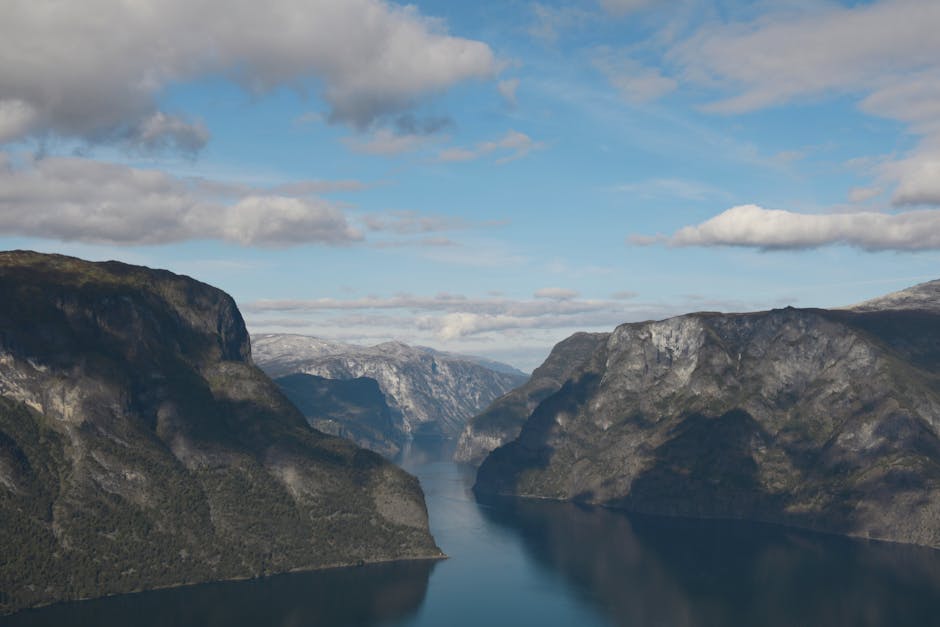
Norway’s fjords were carved by ancient glaciers, creating narrow inlets surrounded by towering mountains. These formations offer some of the most breathtaking scenery on Earth. From UNESCO-listed sites to hidden gems, each fjord tells a unique geological and cultural story.
Visitors come for the views, but stay for the experiences—kayaking under waterfalls, hiking to mountain plateaus, and spotting wildlife like seals and eagles. The fjords also serve as gateways to charming villages, historic stave churches, and local seafood traditions.
Top Fjords to Explore in Norway
Geirangerfjord
One of Norway’s most famous fjords, Geirangerfjord is a UNESCO World Heritage Site. It stretches 15 kilometers inland from the Storfjorden, flanked by peaks over 1,700 meters high. The Seven Sisters and Suitor waterfalls are iconic landmarks along the route.
Most visitors arrive by cruise ship or drive the scenic Eagle Road, which offers six sharp switchbacks and panoramic viewpoints. Summer is peak season, but early autumn brings fewer crowds and golden foliage.
Nærøyfjord
Narrow and deep, Nærøyfjord is another UNESCO site and a highlight of the Sognefjord system. At its narrowest point, it’s only 250 meters wide, with sheer rock walls rising from the water.
Kayaking here offers an intimate perspective, while the Nærøydalen valley provides excellent hiking trails. The village of Gudvangen serves as a convenient base, with connections to Flåm and the Flåm Railway.
Sognefjord
Known as the “King of Fjords,” Sognefjord is Norway’s longest and deepest fjord, extending over 200 kilometers inland. It branches into several smaller fjords, including Nærøyfjord and Aurlandsfjord.
The region is ideal for road trips. The E16 highway connects Bergen to Oslo via scenic routes, passing through Lærdal and the Lærdal Tunnel—the world’s longest road tunnel. Stop in Balestrand or Vik for traditional wooden architecture and fjord views.
Hardangerfjord
Hardangerfjord is Norway’s second-longest fjord and is especially popular in spring when fruit orchards bloom. The region is known for apples, cherries, and cider production.
Key stops include the Vøringsfossen waterfall, the Folgefonna glacier, and the village of Odda. The Rv13 road offers stunning coastal views, and the Hardangervidda Plateau is accessible for hiking and skiing.
Lysefjord
Located in southwestern Norway, Lysefjord is famous for its dramatic cliffs and outdoor adventures. The most notable landmark is Preikestolen (Pulpit Rock), a flat-topped cliff 604 meters above the fjord.
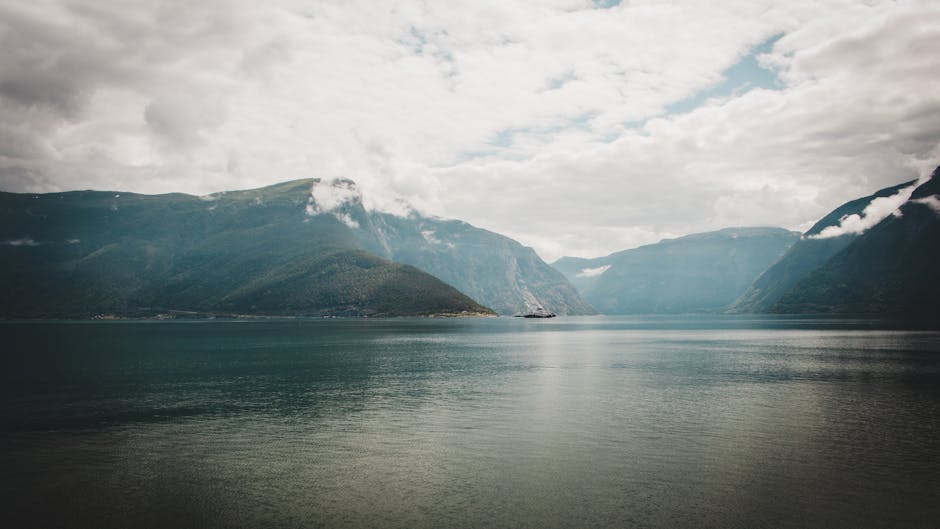
A 3.8-kilometer hike leads to the summit, typically taking 2–3 hours round trip. The trail is well-marked but steep in parts—sturdy footwear is essential. Summer offers long daylight hours, while winter hikes require caution due to ice and snow.
Best Time to Visit Norway’s Fjords
The ideal time to visit depends on your interests. Summer (June to August) offers mild weather, long days, and full access to trails and ferries. This is also peak tourist season, so expect higher prices and crowds.
Late May and early September provide a balance of good weather and fewer visitors. Winter (December to March) transforms the fjords into snowy wonderlands, ideal for Northern Lights viewing and winter sports—though some roads and attractions may be closed.
Spring (April to May) sees melting snow feeding waterfalls at their most powerful. Autumn (September to October) brings crisp air, colorful foliage, and a quieter atmosphere.
How to Get Around Norway
By Car
Renting a car gives you the most flexibility to explore remote fjords and scenic routes. Norway’s roads are well-maintained, but mountain passes can be narrow and winding.
Tolls are common, especially on bridges and tunnels. Consider purchasing an AutoPASS tag for seamless payments. Fuel is expensive, so plan refueling stops in advance.
By Public Transport
Norway has an efficient public transport system, including trains, buses, and ferries. The Bergen Line from Oslo to Bergen is one of the world’s most scenic rail journeys, crossing the Hardangervidda Plateau.
Ferry connections are essential for reaching fjord villages. Companies like Fjord1 and Norled operate regular routes. Book in advance during summer, as ferries can fill up quickly.
By Cruise
Fjord cruises are a popular way to see multiple destinations in one trip. Hurtigruten and Havila offer coastal voyages along the Norwegian Sea, stopping at key ports like Bergen, Flåm, and Geiranger.
Smaller sightseeing boats operate shorter routes, such as the 1-hour cruise from Flåm to Gudvangen. These provide close-up views of waterfalls and wildlife.
Essential Travel Tips for Norway
Pack for Variable Weather
Weather in Norway can change quickly, even in summer. Layers are key—bring a waterproof jacket, warm mid-layer, and moisture-wicking base clothing.
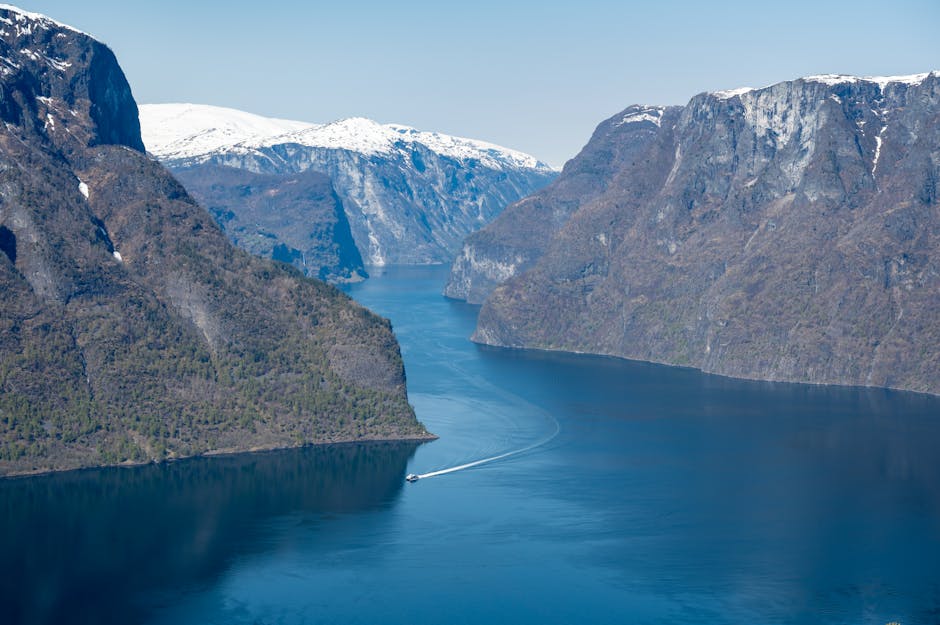
Even in July, mountain areas can be chilly. Pack gloves and a hat if you plan to hike at high elevations. Waterproof boots are recommended for trails and boat decks.
Book Accommodations Early
Popular fjord towns like Flåm, Geiranger, and Ålesund fill up fast in summer. Book hotels, guesthouses, or cabins at least 3–6 months in advance.
Consider staying in nearby villages for better availability and lower prices. Many farms offer rural accommodations with fjord views and home-cooked meals.
Respect Nature and Local Customs
Norwegians value outdoor ethics. Follow the “Leave No Trace” principles: pack out trash, stay on marked trails, and avoid disturbing wildlife.
Quiet hours are typically observed from 10 PM to 7 AM. Many rural homes have strict noise policies, especially in apartment buildings.
Try Local Food
Norwegian cuisine emphasizes fresh, local ingredients. Sample fjord-caught salmon, trout, and cod. Smoked and cured fish are common at breakfast buffets.
Don’t miss brown cheese (brunost), a caramel-like dairy product often served with waffles. In Hardanger, try locally made cider or apple juice.
Use the Right Payment Methods
Norway is largely cashless. Credit and debit cards are accepted almost everywhere, including small cafes and taxis. Mobile payments like Vipps are widely used.
Notify your bank before traveling to avoid card blocks. ATMs are available in towns, but carry some cash for remote areas.
Budgeting for Your Norway Trip
Norway is one of Europe’s most expensive countries. A daily budget for mid-range travelers ranges from 1,500 to 2,500 NOK ($140–$230 USD), covering accommodation, meals, and transport.
To save money, cook your own meals using local ingredients. Many hostels and cabins offer kitchens. Take advantage of free activities like hiking and swimming.
Consider the Norway in a Nutshell pass, which bundles train, bus, and ferry rides at a discount. It’s ideal for first-time visitors exploring the fjords.
Safety and Health Considerations
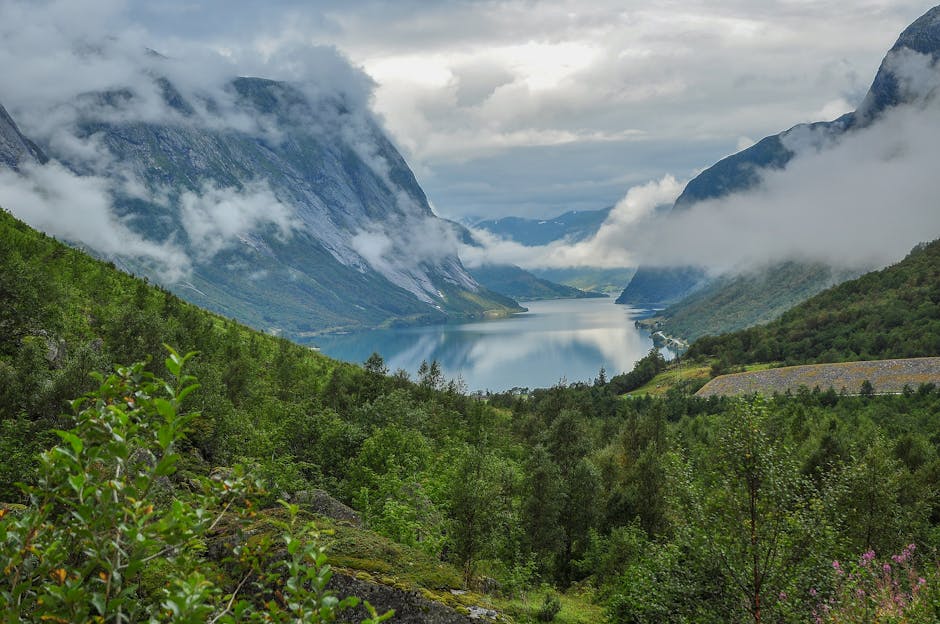
Norway is generally safe, with low crime rates and reliable emergency services. Dial 112 for police, fire, or medical emergencies.
Hiking in remote areas requires preparation. Check trail conditions, carry a map or GPS, and inform someone of your plans. Weather can deteriorate rapidly in the mountains.
Tap water is safe to drink everywhere. Pharmacies (apotek) are available in towns, but bring any prescription medications with you.
Hidden Gems Beyond the Famous Fjords
While Geirangerfjord and Nærøyfjord draw crowds, lesser-known fjords offer equally stunning scenery with fewer tourists.
Try Hjørundfjord in the Sunnmøre region, surrounded by the Sunnmørsalpene mountains. It’s accessible via a scenic drive from Åndalsnes.
Another quiet option is Romsdalsfjord, near the town of Molde. The nearby Trollveggen (Troll Wall) is Europe’s tallest vertical rock face and a mecca for climbers.
Photography Tips for Fjord Landscapes
Golden hour—just after sunrise and before sunset—offers the best light for fjord photography. The low angle enhances textures and reflections.
Use a polarizing filter to reduce glare on water and enhance sky contrast. A tripod is helpful for long exposures, especially at waterfalls.
Include foreground elements like rocks or boats to add depth. Drones are permitted in many areas but require registration and adherence to local rules.
Final Thoughts on Traveling in Norway
Norway’s fjords offer unforgettable experiences for nature lovers, photographers, and adventure seekers. With careful planning, you can enjoy the country’s beauty while respecting its environment and culture.
Whether you’re cruising past waterfalls, hiking to mountain peaks, or sipping cider in a quiet village, Norway delivers moments that linger long after your trip ends. Use this Norway travel guide to plan a journey that’s both inspiring and practical.
FAQ
What is the best way to see Norway’s fjords?
The best way depends on your pace and interests. A combination of train, ferry, and car travel allows you to cover major fjords efficiently. Norway in a Nutshell is a popular packaged route that includes the Flåm Railway, scenic buses, and fjord cruises.
Do I need to speak Norwegian to travel in Norway?
No. Most Norwegians speak excellent English, especially in tourist areas. Signs, menus, and transport information are usually available in English. Learning a few basic Norwegian phrases, like “takk” (thank you), is appreciated but not required.
Is it safe to drive in Norway’s fjord regions?<nYes, but mountain roads can be narrow, winding, and affected by weather. Drive cautiously, especially on routes like the Trollstigen or Gamle Strynefjellsvegen. Check road conditions on the Norwegian Public Roads Administration website before departure.