Travel Tips Guide with Travel Insurance Advice
Planning a trip? A solid travel tips guide with travel insurance advice can save you time, money, and stress. From packing smart to choosing the right coverage, being prepared is key. This guide covers essential travel tips and explains why travel insurance isn’t optional—it’s a necessity. Whether you’re heading to Paris, Bali, or a national park, these strategies help you travel confidently.
Why Every Traveler Needs a Travel Tips Guide
Traveling can be unpredictable. Flights get delayed, luggage gets lost, and weather changes plans. A good travel tips guide helps you anticipate common issues and respond effectively. It’s not about fear—it’s about readiness.
Many travelers overlook simple steps that prevent bigger problems. For example, keeping digital copies of your passport and itinerary can speed up replacements if documents go missing. Packing a portable charger ensures you stay connected during long transit days.
Using a checklist based on your destination reduces last-minute stress. A tropical trip needs sunscreen and insect repellent; a winter getaway requires layers and waterproof boots. Tailoring your prep makes all the difference.
Top 5 Essential Travel Tips
Start with research. Know your destination’s entry requirements, local customs, and peak tourist seasons. Some countries require visas or proof of onward travel—check government travel sites for accurate info.
Book accommodations with free cancellation when possible. Flexibility helps if your plans shift due to weather or personal reasons. Read recent reviews to avoid unpleasant surprises.
Pack light but smart. Use packing cubes to organize clothes and save space. Bring versatile items like a scarf that doubles as a blanket or a sarong that works as a beach cover-up.
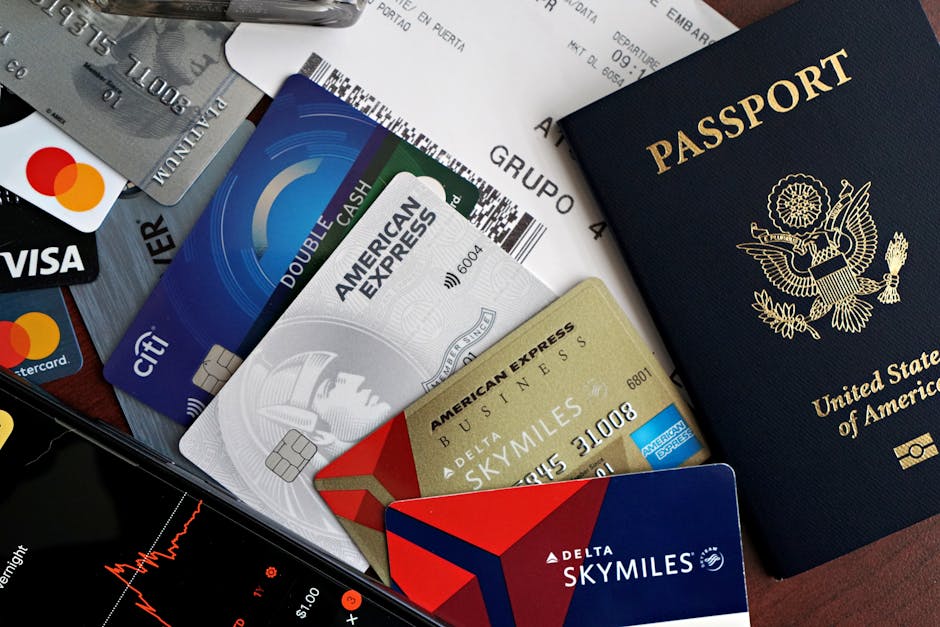
Notify your bank before traveling. International transactions can trigger fraud alerts, freezing your card. Confirm foreign transaction fees and consider a travel-friendly credit card.
Download offline maps and translation apps. Google Maps works without Wi-Fi once downloaded. Google Translate’s camera feature helps read signs and menus instantly.
Understanding Travel Insurance: What It Covers
Travel insurance is more than just a safety net—it’s financial protection. A comprehensive plan covers trip cancellations, medical emergencies, lost luggage, and delays. Without it, unexpected costs can add up fast.
Medical coverage is especially critical abroad. U.S. health insurance often doesn’t apply overseas. A broken arm in Thailand or food poisoning in Mexico could mean thousands in bills without proper insurance.
Trip cancellation insurance reimburses non-refundable expenses if you must cancel due to illness, weather, or other covered reasons. Always read the policy details to understand what qualifies.
Baggage protection helps if your luggage is delayed, damaged, or stolen. Most plans offer a daily allowance for essentials while waiting for delayed bags. Keep receipts for reimbursement.
Types of Travel Insurance Plans
Single-trip plans cover one journey, ideal for vacations or short getaways. They’re cost-effective for travelers who don’t fly often.
Annual multi-trip policies suit frequent travelers. One plan covers all trips within a year, often at a lower per-trip cost. Great for business travelers or digital nomads.
Specialty plans exist for adventure travel, cruises, or senior travelers. These include coverage for high-risk activities like scuba diving or skiing. Standard plans may exclude these.
Cancel-for-any-reason (CFAR) add-ons offer maximum flexibility. You can cancel for personal reasons and receive partial reimbursement—usually 50–75% of trip cost. Worth considering for expensive trips.
How to Choose the Right Travel Insurance
Start by assessing your trip’s risk level. A weekend in a nearby city needs less coverage than a two-week trek in Nepal. Consider destination, activities, and total trip cost.
Compare policies from at least three providers. Look beyond price—check coverage limits, exclusions, and customer reviews. A cheap plan may not cover pre-existing conditions or extreme weather.
Check if your credit card includes travel insurance. Some premium cards offer basic coverage, but it’s often limited. Don’t rely on it for medical or full trip protection.
Buy insurance soon after booking your trip. Many plans require purchase within 10–21 days of initial deposit to qualify for pre-existing condition waivers and CFAR options.
Red Flags When Buying Travel Insurance
Avoid plans with vague language or hidden exclusions. If a policy says “covered under certain circumstances,” ask for specifics. Ambiguity can lead to denied claims.
Watch for low medical coverage limits. $10,000 may sound like a lot, but international hospital stays can exceed $50,000. Aim for at least $100,000 in medical coverage.
Don’t skip the fine print on adventure activities. If you plan to hike, snorkel, or ski, confirm these are included. Some insurers classify them as high-risk and exclude them.
Be wary of “instant approval” without health questions. Legitimate insurers assess risk. If they don’t ask about your health, they may deny claims later.
Real-Life Examples: When Travel Insurance Saved the Day
In 2022, a traveler in Italy slipped on wet stairs and fractured her wrist. Her travel insurance covered $8,000 in medical bills and arranged a medical evacuation to a better-equipped hospital. Without insurance, she would have faced massive out-of-pocket costs.
Another traveler’s flight from New York to Tokyo was canceled due to a typhoon. His policy reimbursed $1,200 for a hotel and meals during the 36-hour delay. He also received compensation for the missed first day of his tour.
A family’s luggage was lost for five days on a Caribbean cruise. Their insurance paid $150 per day for toiletries and clothing. They used the funds to buy essentials without dipping into vacation savings.
Common Travel Mistakes and How to Avoid Them
One major mistake is assuming your health insurance covers international care. Most U.S. plans don’t. Always verify coverage before departure.
Another is waiting too long to buy insurance. Many benefits, like CFAR and pre-existing condition coverage, have time-sensitive eligibility windows.
Packing prohibited items can lead to fines or confiscation. Check airline and customs rules. For example, liquids over 3.4 ounces aren’t allowed in carry-ons, and some countries ban certain medications.
Ignoring local laws can cause trouble. In Dubai, public displays of affection are frowned upon. In Thailand, touching someone’s head is considered rude. Research cultural norms to show respect and avoid conflict.
Packing Smart: Essentials for Every Trip
Start with travel documents: passport, visa, insurance policy, and copies stored in cloud storage. Keep physical copies in a secure travel wallet.
Bring a universal power adapter. Outlets vary by country—Europe uses Type C/F, the UK uses Type G. A dual-voltage adapter works globally.
Pack a basic first-aid kit: band-aids, pain relievers, antiseptic wipes, and any prescription meds in original containers. Include motion sickness pills if needed.
Wear your bulkiest shoes on the plane. Save suitcase space and avoid checking footwear. Choose comfortable, broken-in shoes for walking.
Tech Tips for Smarter Travel
Use a VPN on public Wi-Fi to protect your data. Free networks in airports and cafes are prone to hacking. A reliable VPN encrypts your connection.
Enable two-factor authentication on important accounts. Even if your phone is stolen, your email and banking apps stay secure.
Back up photos and documents daily. Use cloud services like Google Drive or iCloud. If your phone is lost, your memories and info remain safe.
Staying Safe While Traveling
Share your itinerary with a trusted contact. Include flight numbers, hotel addresses, and emergency numbers. Check in regularly if traveling solo.
Avoid flashing valuables. Keep cameras, jewelry, and cash hidden. Use a money belt or hidden pouch under clothing.
Stay aware of your surroundings. Pickpockets target distracted tourists in crowded markets and transit hubs. Keep bags zipped and in front of you.
Know local emergency numbers. In most of Europe, dial 112. In Japan, it’s 110 for police and 119 for fire/medical. Save them in your phone.
Budgeting for Your Trip
Set a daily spending limit based on your destination. Western Europe and Japan are more expensive than Southeast Asia or Eastern Europe. Use budgeting apps like Trail Wallet to track expenses.
Withdraw cash from ATMs instead of exchanging at airports. ATMs usually offer better rates. Notify your bank to avoid card blocks.
Use public transportation when possible. Taxis add up quickly. Many cities offer day passes for buses and trains at a fixed rate.
Final Tips for Stress-Free Travel
Arrive at the airport early. International flights recommend arriving three hours before departure. Domestic flights need two hours.
Stay hydrated and move during long flights. Dehydration worsens jet lag. Walk the aisle every hour and drink water, not alcohol.
Embrace flexibility. Delays happen. Use layovers to explore the airport or catch up on rest. A positive mindset turns setbacks into stories.
FAQ
Do I really need travel insurance for short trips?
Yes, even short trips can be disrupted. A missed flight, sudden illness, or lost luggage can cost hundreds. Travel insurance protects your investment and provides peace of mind.
Can I buy travel insurance after booking my trip?
Yes, but earlier is better. Many benefits, like coverage for pre-existing conditions and cancel-for-any-reason, require purchase within 10–21 days of your initial trip deposit.
What should I do if my claim is denied?
Review the denial reason carefully. Contact the insurer for clarification. If unresolved, file a complaint with your state’s insurance department or seek help from a consumer advocacy group.