Morocco Travel Guide: Best Cities and Travel Tips
Morocco blends ancient traditions with vibrant modern life, offering travelers a rich tapestry of culture, history, and natural beauty. From bustling medinas to serene deserts, this North African gem delivers unforgettable experiences. This guide covers the best cities to visit and essential travel tips to help you navigate Morocco with confidence.
Whether you’re exploring the blue streets of Chefchaouen, wandering the souks of Marrakech, or riding camels into the Sahara, Morocco rewards curiosity and preparation. With practical advice on transportation, safety, and local customs, you’ll be ready to make the most of your journey.
Why Visit Morocco?
Morocco stands out as one of the most accessible and culturally rich destinations in Africa. Its strategic location at the crossroads of Europe and Africa has shaped a unique blend of Arab, Berber, French, and Spanish influences.
The country offers diverse landscapes—snow-capped mountains, golden deserts, fertile valleys, and a rugged Atlantic coastline. Add to that world-class cuisine, centuries-old architecture, and warm hospitality, and it’s easy to see why Morocco remains a top choice for travelers.
Top Cities to Visit in Morocco
Marrakech: The Red City
Marrakech is Morocco’s most famous city, known for its red-hued buildings and lively atmosphere. The heart of the city is Jemaa el-Fnaa, a UNESCO-listed square that transforms from a daytime market into a nighttime spectacle of food stalls, musicians, and storytellers.
Explore the Bahia Palace for a glimpse into 19th-century Moroccan architecture, or lose yourself in the labyrinthine souks of the Medina. Don’t miss the Saadian Tombs and the Koutoubia Mosque, though non-Muslims cannot enter the latter.
For a break from the crowds, visit the Majorelle Garden, once owned by Yves Saint Laurent. The vibrant blue villa and botanical collection offer a peaceful retreat.
Fes: The Cultural Capital
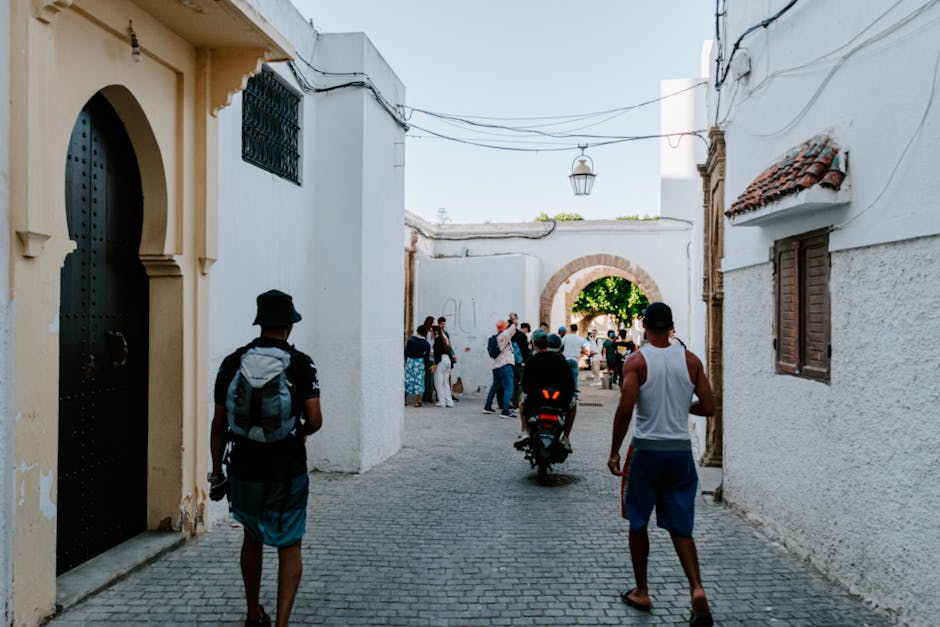
Fes is home to the world’s oldest university, Al Quaraouiyine, and one of the best-preserved medieval cities, Fes el-Bali. Wandering its narrow alleys feels like stepping back in time.
The tanneries of Fes are a must-see—though bring a mint leaf to counter the strong smells. Watch artisans dye leather in vast pits using traditional methods passed down for generations.
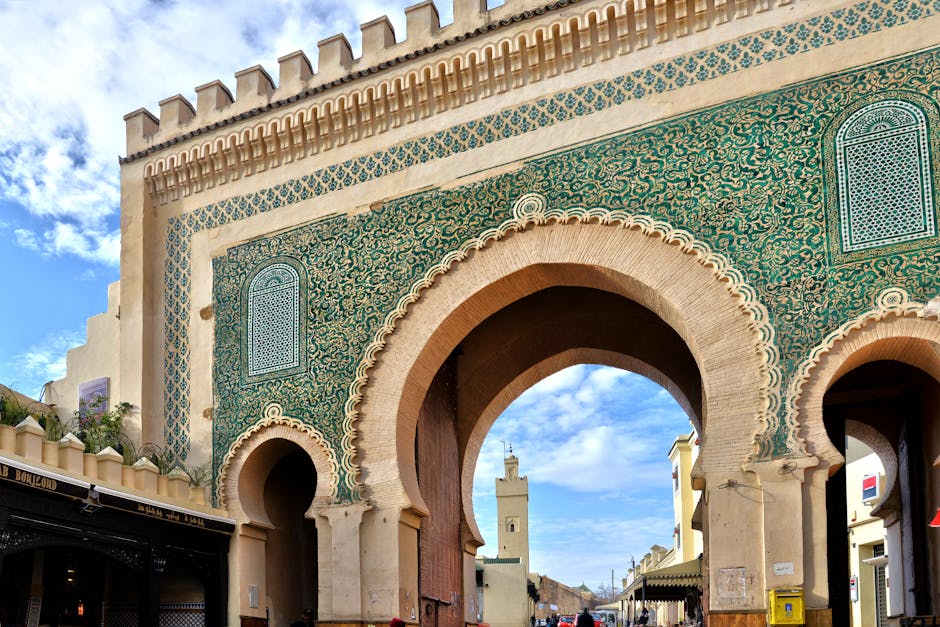
Visit the Bou Inania Madrasa for intricate tilework and carved cedar, and don’t skip the Nejjarine Museum of Wood Arts and Crafts. Fes offers a deeper, more authentic look at Moroccan heritage than many other cities.
Chefchaouen: The Blue Pearl
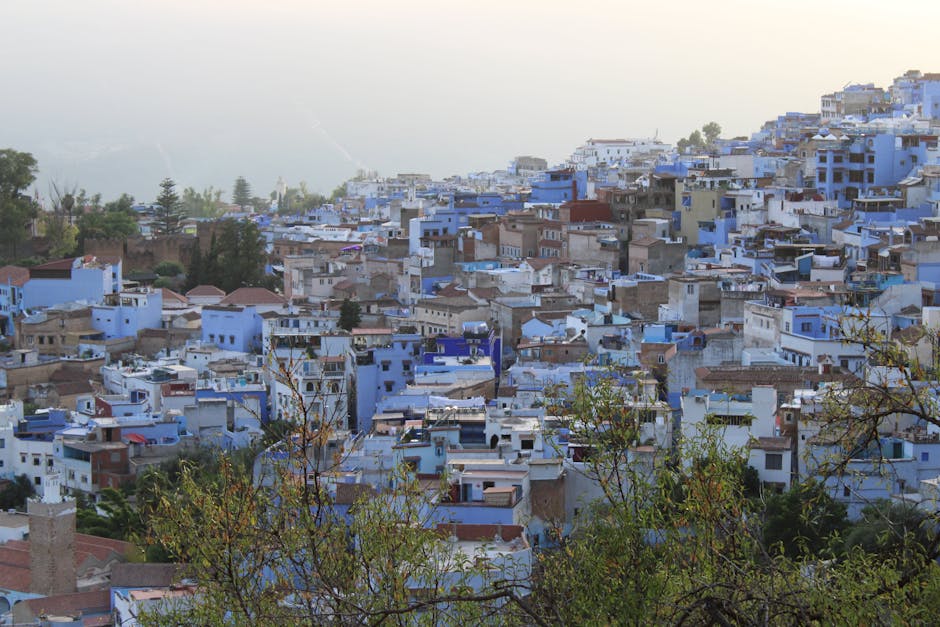
Nestled in the Rif Mountains, Chefchaouen is famous for its striking blue-washed buildings. The effect is especially magical at sunrise or sunset, when the light casts a soft glow over the cobblestone streets.
The town is smaller and quieter than Marrakech or Fes, making it ideal for travelers seeking relaxation. Hike to the Spanish Mosque for panoramic views, or explore the Ras El Maa waterfall just outside the medina.
Chefchaouen is also a gateway to the Rif Mountains, where you can trek through pine forests and visit local Berber villages. The pace is slower here—perfect for unwinding.
Essaouira: Coastal Charm
Essaouira is a laid-back port city on the Atlantic coast, known for its whitewashed buildings, blue fishing boats, and strong ocean winds. It’s a favorite among surfers and artists.
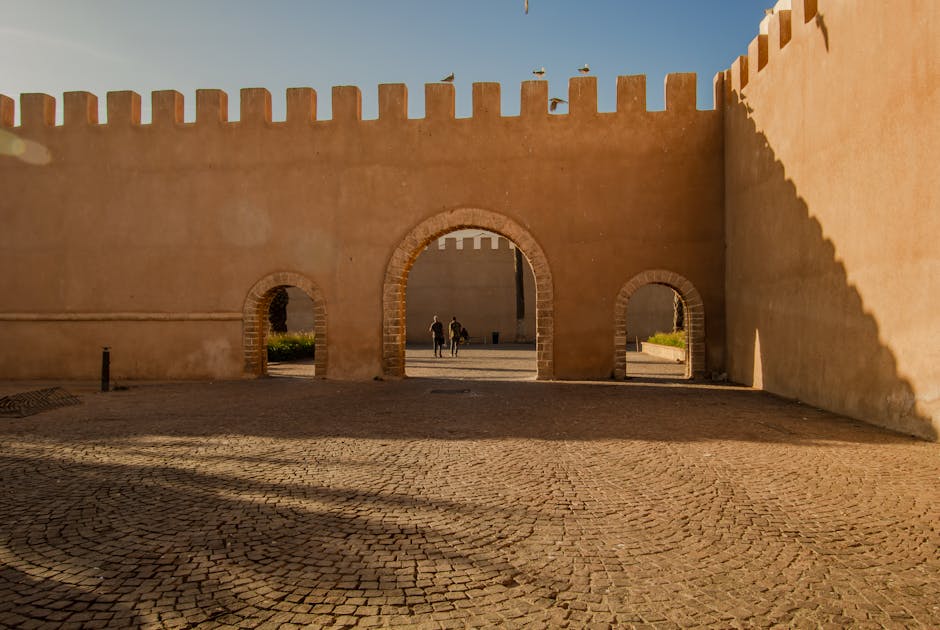
The medina, a UNESCO World Heritage site, is more relaxed than those in Fes or Marrakech. Stroll along the Skala de la Ville ramparts for views of the sea and the old Portuguese fortifications.
Fresh seafood is a highlight—try grilled sardines at a beachfront café. The annual Gnaoua Music Festival draws international acts and local performers, blending spiritual music with modern genres.
Merzouga and the Sahara Desert
For a true desert experience, head to Merzouga, the gateway to the Erg Chebbi dunes. These towering sand formations shift with the wind and create a surreal landscape.
Most travelers book a desert tour that includes a camel trek at sunset, an overnight stay in a Berber camp, and a sunrise view from the dunes. Sleeping under the stars in a traditional tent is a highlight for many.
Be prepared for temperature swings—days can be hot, but nights drop sharply. Bring warm clothing, a headlamp, and a scarf to protect against sand.
Casablanca: Modern Meets Traditional
Casablanca is Morocco’s largest city and economic hub, often overlooked by tourists in favor of more historic destinations. But it has its own appeal, especially the Hassan II Mosque.
This stunning mosque sits partially over the Atlantic Ocean and is one of the few in Morocco open to non-Muslims. Guided tours are available and offer insight into Islamic architecture and local history.
The Corniche, a seaside promenade, is great for dining and people-watching. While Casablanca lacks the old-world charm of Fes or Marrakech, it provides a glimpse into contemporary Moroccan life.
Getting Around Morocco
Trains: Fast and Reliable
Morocco has an efficient rail network operated by ONCF. Trains connect major cities like Casablanca, Rabat, Fes, and Marrakech with frequent departures and air-conditioned cars.
First-class tickets offer more space and quieter cabins, while second-class is more affordable and still comfortable. Book in advance during peak seasons like spring and fall.
Trains are punctual and safe, making them the best option for intercity travel. Stations are centrally located, often near medinas or city centers.
Buses: Affordable and Extensive
CTM and Supratours are the two main bus companies, offering reliable service to smaller towns and remote areas not served by trains.
Buses are modern, with air conditioning and reserved seating. Long-distance routes may include a short break, but bring water and snacks. Overnight buses are available for longer journeys.
While slower than trains, buses reach destinations like Chefchaouen, Essaouira, and Merzouga. Always confirm departure times, as schedules can change.
Taxis: Convenient but Negotiate
Petty taxis (within cities) are metered in larger cities like Casablanca and Rabat, but drivers may try to negotiate a flat rate. Agree on the fare before starting the ride.
Grand taxis (shared intercity cabs) seat six passengers and operate on fixed routes. They only leave when full, so wait times vary. These are common for trips between smaller towns.
Uber and Careem operate in Casablanca and Marrakech, offering a more predictable alternative. Always verify the driver and license plate before entering.
Essential Travel Tips
When to Visit
The best time to visit Morocco is during spring (March to May) and fall (September to November). Temperatures are mild, and crowds are manageable.
Summer can be extremely hot, especially in the desert and southern cities. Winter is cooler, with possible snow in the Atlas Mountains—ideal for skiing at Oukaimeden.
Avoid major holidays like Ramadan if you’re sensitive to limited services. Many restaurants close during the day, and schedules shift.
What to Pack
Pack lightweight, breathable clothing for daytime and layers for cooler evenings. Modest dress is recommended, especially in rural areas and religious sites.
Women should carry a scarf to cover shoulders or hair when visiting mosques. Men should avoid shorts in conservative areas.
Comfortable walking shoes are essential—medinas have uneven cobblestones. Bring sunscreen, a hat, and sunglasses. A reusable water bottle with a filter helps reduce plastic use.
Staying Safe
Morocco is generally safe for travelers, with low violent crime rates. Petty theft, such as pickpocketing and bag snatching, occurs in crowded areas like markets and train stations.
Stay alert in Jemaa el-Fnaa and other busy squares. Keep valuables secure and avoid displaying expensive items. Use hotel safes when available.
Scams do happen—beware of overly friendly strangers offering unsolicited help or “free” tours. Always confirm prices before accepting services.
Money and Tipping
The local currency is the Moroccan dirham (MAD). Credit cards are accepted in hotels and larger shops, but cash is king in markets and rural areas.
ATMs are widely available in cities. Inform your bank of travel plans to avoid card blocks. Avoid exchanging money at airports for better rates.
Tipping is customary. In restaurants, 10% is standard if service charge isn’t included. Tip hotel staff, guides, and drivers a few dirhams for good service.
Language and Communication
Arabic and Berber are official languages, but French is widely spoken in business and tourism. English is common in major tourist areas.
Learning a few Arabic or French phrases goes a long way. Simple greetings like “Salam alaikum” (peace be upon you) and “Shukran” (thank you) are appreciated.
Wi-Fi is available in most hotels and cafes. Consider getting a local SIM card from Maroc Telecom or Orange for data on the go.
Food and Drink
Moroccan cuisine is a highlight—try tagine (slow-cooked stew), couscous, and pastilla (sweet-savory pie). Street food like msemen (fried flatbread) and harira (lentil soup) is delicious and safe if freshly cooked.
Drink bottled water to avoid stomach issues. Avoid ice in rural areas. Tea, especially mint tea, is a cultural ritual—accepting a cup is a sign of respect.
Vegetarian options are widely available, but specify “no meat” clearly. Halal food is standard, and pork is rarely served.
Cultural Etiquette
Morocco is a Muslim-majority country with conservative values. Respect local customs to ensure a positive experience.
Dress modestly, especially in religious or rural areas. Public displays of affection are frowned upon. Always ask before photographing people, particularly women.
During Ramadan, avoid eating, drinking, or smoking in public during daylight hours. Be mindful of prayer times—some shops may close briefly.
Bargaining is expected in souks, but do so politely. Start at half the asking price and negotiate with a smile. Walking away can often secure a better deal.
Sustainable Travel in Morocco
Support local communities by staying in family-run guesthouses (riad) and buying handmade crafts directly from artisans.
Avoid single-use plastics—Morocco has limited waste management in rural areas. Carry a reusable bag and water bottle.
Choose eco-friendly desert tours that minimize environmental impact. Respect wildlife and natural sites—don’t litter or disturb dunes.
Final Thoughts
Morocco offers a dynamic mix of adventure, culture, and relaxation. With careful planning and an open mind, your trip can be both enriching and enjoyable.
From the imperial cities to the vast desert, each destination reveals a different facet of this captivating country. Use this guide to navigate your journey with confidence and curiosity.
FAQ
Do I need a visa to visit Morocco?
Citizens of the US, UK, Canada, EU, Australia, and several other countries can enter Morocco visa-free for up to 90 days. Check with your embassy for the latest requirements.
Is Morocco safe for solo travelers?
Yes, Morocco is generally safe for solo travelers, including women. Stay aware of your surroundings, avoid isolated areas at night, and trust your instincts.
Can I drink the tap water in Morocco?
It’s not recommended. Stick to bottled water, especially in rural areas. Use filtered water for brushing teeth to reduce the risk of stomach issues.