
Best Travel Tips for Long Distance Travel Comfort
Long distance travel can be exhausting, but with the right preparation, you can make your journey more comfortable and enjoyable. Whether you’re flying across continents, driving for hours, or taking a multi-day train ride, prioritizing comfort helps reduce fatigue, prevent discomfort, and keep you energized upon arrival. This guide covers practical, proven strategies to improve your travel experience—from packing essentials to in-transit habits—so you arrive feeling refreshed, not drained.
Plan Ahead for a Smoother Journey
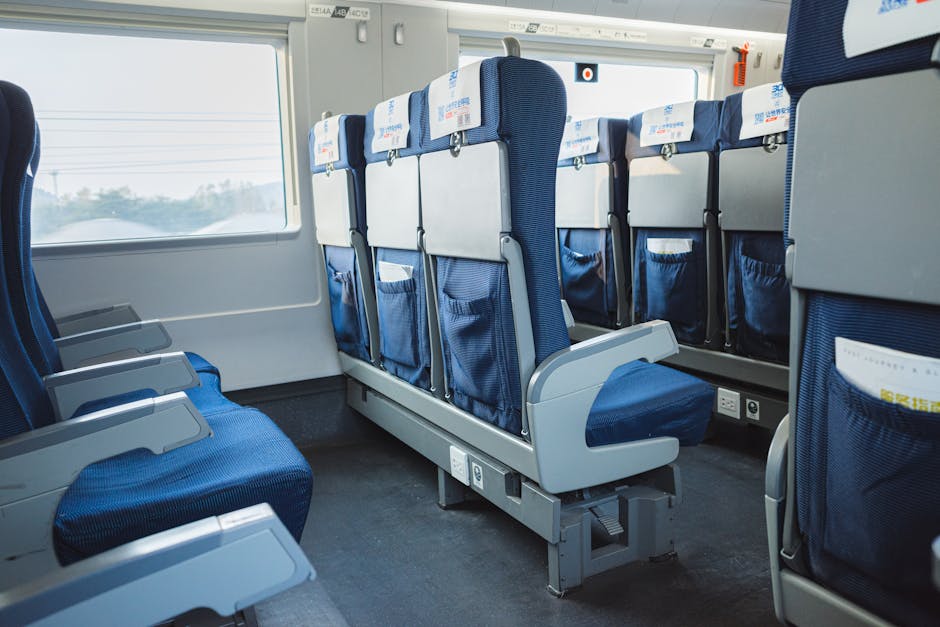
Preparation is the foundation of comfortable long-distance travel. Start by researching your route, transportation options, and layover times. For flights, check seat maps in advance and select seats with extra legroom or proximity to exits if available. On trains or buses, book window seats for views and resting space, or aisle seats for easier bathroom access.
Create a travel itinerary that includes buffer time between connections. Rushing through terminals increases stress and reduces comfort. If you’re driving, plan rest stops every two hours and use apps like Google Maps to locate clean restrooms, gas stations, and quiet areas to stretch.
Pack Smart: Essentials for Comfort
What you bring matters more than how much you bring. Focus on lightweight, multi-purpose items that enhance comfort without weighing you down. A well-organized carry-on with travel-sized toiletries, a change of clothes, and noise-canceling headphones can make a big difference.
Invest in quality travel gear. A supportive neck pillow, eye mask, and compression socks are small investments with big returns. Compression socks, for example, improve circulation and reduce the risk of deep vein thrombosis (DVT) on flights over four hours. Choose breathable fabrics like cotton or moisture-wicking synthetics for your clothing.
Choose the Right Transportation
Different modes of transport offer varying levels of comfort. For flights, consider premium economy or business class if your budget allows—these seats recline more and offer better legroom. On long-haul flights, direct routes minimize total travel time and reduce jet lag.
Trains often provide more space and freedom to move than planes. Amtrak’s sleeper cars or European rail services like Eurostar offer beds and dining options. For road trips, rent a vehicle with adjustable seats, climate control, and cruise control to reduce driver fatigue.
Stay Comfortable During Transit
Once you’re on the move, maintaining comfort requires attention to posture, movement, and environment. Sitting for extended periods can lead to stiffness, swelling, and discomfort. Combat this with simple habits.
Optimize Your Seating Position
Adjust your seat to support your spine. On planes, use a lumbar roll or rolled-up sweater behind your lower back. Keep your feet flat on the floor or on a footrest if available. Avoid crossing your legs, which can restrict circulation.
If you’re driving, adjust your seat so your knees are slightly bent and your back is supported. Take breaks to walk around and do light stretches. Even a two-minute walk every hour can improve blood flow and reduce stiffness.
Move Regularly and Stretch
Movement is crucial for long-distance comfort. On flights, stand up and walk the aisle every hour if possible. Simple in-seat exercises—like ankle circles, shoulder rolls, and neck stretches—help prevent muscle tightness.
On trains or buses, use restroom breaks as opportunities to stand and stretch. If you’re a passenger in a car, ask the driver to stop at rest areas so you can walk and reset your posture.
Control Your Environment

Temperature, lighting, and noise significantly impact comfort. Airplane cabins are often dry and cool, so bring a lightweight scarf or jacket and use a hydrating facial mist. Noise-canceling headphones block engine hum and chatter, helping you rest or focus.
Use an eye mask to block light, especially on overnight journeys. If you’re sensitive to air quality, carry a small personal fan or wear a mask with a filter. Adjust window shades to control glare and help regulate your sleep cycle.
Prioritize Hydration and Nutrition
Dehydration and poor eating choices can worsen fatigue and discomfort during long trips. Cabin air on planes is extremely dry, and dehydration can cause headaches, dizziness, and reduced concentration.
Drink Plenty of Water
Aim to drink at least 8 ounces of water every hour during travel. Avoid alcohol and excessive caffeine, which act as diuretics and can dehydrate you. Bring an empty reusable water bottle and fill it after security to stay hydrated without buying overpriced airport water.
If you’re driving, keep a cooler with water bottles within reach. On trains, purchase water at stations or bring your own. Staying hydrated also helps prevent jet lag by supporting your body’s natural adjustment to time zone changes.
Eat Light, Balanced Meals
Heavy, greasy meals can make you feel sluggish. Opt for light, protein-rich snacks like nuts, yogurt, or fruit. Avoid sugary snacks that cause energy crashes. Pack your own snacks to avoid relying on limited or expensive airport options.
If you’re on a long flight, choose meals that are easy to digest. Many airlines offer special meal requests (like vegetarian or low-sodium) if booked in advance. Eating smaller meals more frequently helps maintain steady energy levels.
Manage Sleep and Jet Lag
Sleep disruption is one of the biggest challenges of long-distance travel. Whether you’re crossing time zones or traveling overnight, managing your sleep can make or break your comfort.
Sleep Strategically
On overnight flights, try to sleep during the destination’s nighttime. Use a neck pillow, eye mask, and earplugs or noise-canceling headphones to create a restful environment. Wear comfortable clothing and consider layering for temperature control.
If you can’t sleep, don’t force it. Instead, rest with your eyes closed and practice deep breathing. Avoid screens for at least 30 minutes before trying to sleep, as blue light interferes with melatonin production.
Combat Jet Lag with Timing
Jet lag occurs when your internal clock is out of sync with your destination’s time. To minimize it, adjust your sleep schedule a few days before departure. If flying east, go to bed earlier; if flying west, stay up later.
Upon arrival, expose yourself to natural light during the day to reset your circadian rhythm. Avoid long naps, especially in the afternoon. Stay awake until local bedtime, even if you’re tired.
Stay Connected and Entertained
Boredom can make long journeys feel longer. Having reliable entertainment keeps your mind engaged and reduces stress.
Bring Offline Options
Download movies, podcasts, audiobooks, or e-books before your trip. Airplane Wi-Fi can be unreliable or expensive. Use apps like Netflix, Spotify, or Kindle to store content offline.
Bring a physical book or magazine as a backup. Some travelers find screens strain their eyes during long trips. A journal or sketchpad can also be a calming way to pass time.
Keep Devices Charged
Power outlets aren’t always available, especially on older planes or buses. Bring a fully charged power bank with at least 10,000mAh capacity. Check airline policies—some restrict power bank size or require them in carry-on only.
Use a multi-port charger if traveling with others. Label your cables to avoid confusion. Consider a universal travel adapter if traveling internationally.
Maintain Personal Hygiene and Comfort
Feeling clean and fresh boosts morale during long trips. Airplane cabins and train seats can harbor germs, and limited access to facilities makes hygiene a challenge.
Pack a Travel Hygiene Kit
Include hand sanitizer, disinfectant wipes, toothbrush, toothpaste, and facial tissues. Wipe down your tray table, armrests, and seatbelt buckle before settling in. Use sanitizer after using shared restrooms or touching high-contact surfaces.
Change into clean clothes midway through a long journey. A fresh t-shirt or socks can make you feel significantly more comfortable. Use moisturizer to combat dry cabin air.
Use the Restroom Strategically
On planes, use the restroom before boarding and during cruising altitude when it’s safer to move. On trains, know where the restrooms are located and go during less busy times. In cars, plan stops at clean, well-lit facilities.
Carry a small bottle of toilet paper or wet wipes in case supplies run out. A travel-sized deodorant can help you feel fresh after hours of sitting.
Prepare for Delays and Unexpected Changes
Delays are common in long-distance travel. Being prepared reduces stress and helps you adapt quickly.
Have a Backup Plan
Check flight statuses regularly using airline apps. Sign up for delay alerts. If a connection is missed, know your rights—some airlines offer rebooking or compensation for significant delays.
Keep digital and printed copies of your itinerary, tickets, and hotel reservations. Store important documents in cloud storage and email them to yourself.
Stay Calm and Flexible
Accept that not everything goes as planned. Use delays as opportunities to rest, eat, or explore the airport. Bring a book or download a meditation app to stay centered.
Speak politely to airline or transit staff—they’re more likely to assist cooperative passengers. Keep snacks and water on hand in case meals are delayed.
Arrive Refreshed and Ready
The goal of comfortable long-distance travel isn’t just to survive the journey—it’s to arrive feeling capable and energized. A few final steps can make a big difference.
Stretch Upon Arrival
After disembarking, take a few minutes to stretch your legs, roll your shoulders, and take deep breaths. This helps your body transition from travel mode to active mode.
If you’ve been sitting for hours, a short walk—even just around the terminal—can improve circulation and reduce stiffness.
Rehydrate and Refuel
Drink water as soon as possible after arrival. Eat a balanced meal with protein and complex carbs to replenish energy. Avoid heavy alcohol or caffeine until your body has adjusted.
If you’re jet-lagged, take a short nap (20–30 minutes) if needed, but avoid long sleeps that disrupt nighttime rest.
FAQ
How can I sleep comfortably on a long flight?
Use a neck pillow, eye mask, and noise-canceling headphones. Wear loose, breathable clothing and adjust your seat to support your spine. Try to sleep during the destination’s nighttime and avoid caffeine before rest.
What should I pack for a 12-hour train ride?
Bring a neck pillow, snacks, water, a power bank, offline entertainment, and a light blanket. Wear comfortable clothes and pack a small hygiene kit with wipes and hand sanitizer.
How do I prevent swelling in my legs during long travel?
Wear compression socks, move every hour, avoid crossing your legs, and stay hydrated. Do ankle circles and calf raises while seated to promote circulation.