Italy Travel Guide: Best Cities and Travel Tips
Italy is a country that blends history, art, food, and natural beauty into an unforgettable travel experience. Whether you’re exploring ancient ruins, savoring world-class cuisine, or cruising along scenic coastlines, Italy offers something for every traveler. This Italy travel guide highlights the best cities to visit and provides practical tips to help you plan a smooth, enjoyable trip. From Rome’s iconic landmarks to the romantic canals of Venice, we’ll cover essential destinations and insider advice to make your journey memorable.
Top Cities to Visit in Italy
Italy’s cities each offer a unique flavor of Italian culture. Choosing where to go depends on your interests—history, food, fashion, or relaxation. Below are the most popular and rewarding destinations for first-time and returning visitors.
Rome: The Eternal City
Rome is a must-visit for anyone traveling to Italy. As the capital, it’s home to iconic landmarks like the Colosseum, Vatican City, and the Trevi Fountain. The city pulses with energy, blending ancient history with modern life.
Start your visit at the Roman Forum, where you can walk among ruins that date back over 2,000 years. Then head to the Colosseum, one of the most recognizable symbols of ancient Rome. Book a skip-the-line ticket in advance to avoid long queues.
Don’t miss the Vatican Museums and St. Peter’s Basilica. These sites require time and comfortable shoes. The Sistine Chapel ceiling, painted by Michelangelo, is a highlight not to be missed.
Rome is also a food lover’s paradise. Try authentic carbonara, cacio e pepe, and supplì (fried rice balls) at local trattorias. Avoid restaurants near major tourist sites—they often serve overpriced, low-quality meals.
Florence: The Cradle of the Renaissance
Florence is a compact city packed with art, architecture, and culture. It’s the birthplace of the Renaissance and home to masterpieces by Michelangelo, Botticelli, and Leonardo da Vinci.
The Uffizi Gallery houses one of the world’s finest art collections. Reserve tickets online weeks in advance, especially during peak season. Nearby, the Accademia Gallery displays Michelangelo’s David—a powerful sculpture that draws crowds daily.
Climb to the top of the Duomo (Cathedral of Santa Maria del Fiore) for panoramic views of the city. The red-tiled dome, designed by Brunelleschi, is an engineering marvel. The climb is steep but worth it.
Florence is also known for its leather goods and gold jewelry. Visit the San Lorenzo Market for souvenirs and local snacks. Try lampredotto, a traditional street food made from cow stomach—popular among locals.
Venice: The City of Canals
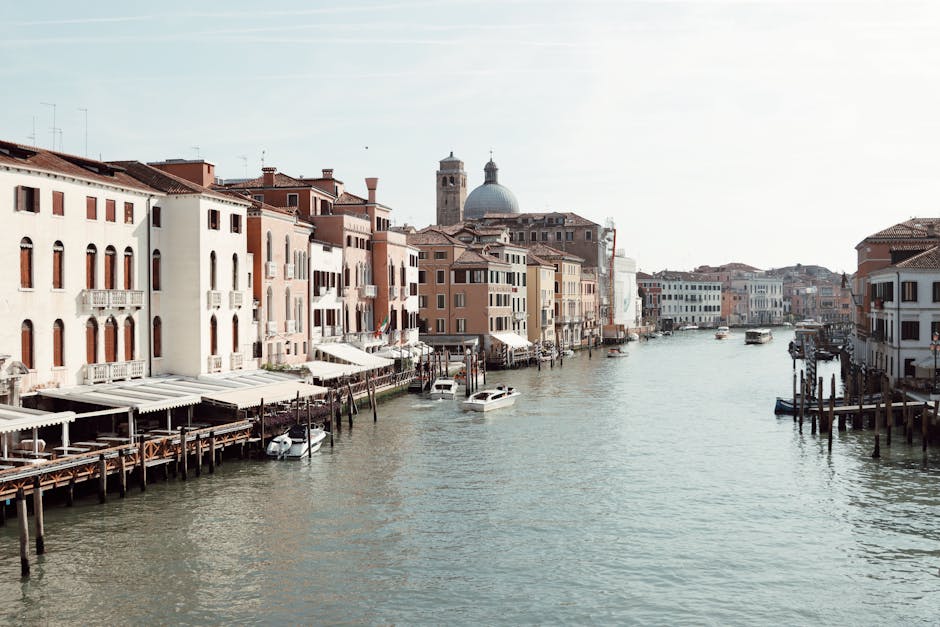
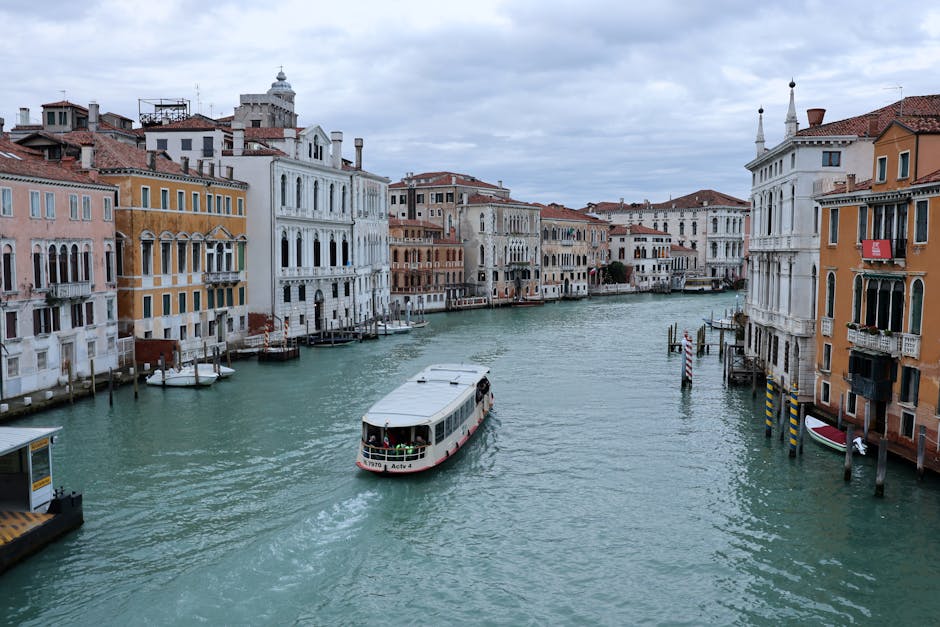
Venice is unlike any other city in the world. Built on 118 small islands, it’s famous for its canals, gondolas, and ornate bridges. The Grand Canal serves as the main waterway, lined with historic palaces.
Take a vaporetto (water bus) along the Grand Canal to see the city from the water. St. Mark’s Basilica and the Doge’s Palace are must-see landmarks in Piazza San Marco. Visit early in the morning to avoid crowds.
While gondola rides are iconic, they’re expensive and often overcrowded. Consider a quieter ride on a traghetto, a stripped-down gondola used by locals to cross the canal.
Venice is prone to acqua alta (high water) during autumn and winter. Check tide forecasts and wear waterproof shoes if visiting during these months. Some areas may flood, so plan accordingly.
Milan: Fashion and Finance Capital
Milan is Italy’s fashion and design hub. It’s a modern city with a rich cultural side. The Duomo di Milano, a stunning Gothic cathedral, dominates the city center. Climb to the rooftop for close-up views of the spires and cityscape.
The Galleria Vittorio Emanuele II, a 19th-century shopping arcade, connects the Duomo to La Scala Opera House. It’s a beautiful place to window-shop or enjoy a coffee at a historic café.
Art lovers should visit Santa Maria delle Grazie to see Leonardo da Vinci’s The Last Supper. Reservations are required and often sell out months in advance. Book early.
Milan is also a great base for day trips. Visit Lake Como, just an hour away, for scenic views and charming towns like Bellagio and Varenna.
Naples: Gateway to Pompeii and the Amalfi Coast
Naples is a lively, chaotic city with a rich history and incredible food. It’s the birthplace of pizza—don’t leave without trying a margherita from a local pizzeria like Da Michele or Sorbillo.
The city is the gateway to Pompeii and Mount Vesuvius. Pompeii, preserved by volcanic ash, offers a fascinating glimpse into Roman life. Hire a guide or use an audio tour to get the most out of your visit.
Naples is also the starting point for exploring the Amalfi Coast. Towns like Positano, Amalfi, and Ravello offer stunning coastal views, colorful buildings, and Mediterranean charm. Rent a scooter or take a ferry to explore the coastline.
Be cautious with your belongings in Naples. Petty theft is common in crowded areas. Keep your bag close and avoid flashing valuables.
Turin: Hidden Gem of Northern Italy
Turin is often overlooked but offers a mix of baroque architecture, museums, and alpine scenery. It’s home to the Shroud of Turin and the Egyptian Museum, one of the oldest of its kind.
The Mole Antonelliana, a towering landmark, houses the National Cinema Museum. Take the glass elevator to the top for sweeping views of the city and the Alps.
Turin is also known for its chocolate and cafés. Try bicerin, a traditional drink made with espresso, chocolate, and cream. Visit Caffè Al Bicerin, the birthplace of the drink.
The city is compact and walkable, with efficient public transportation. It’s a great alternative to more crowded destinations.
Essential Travel Tips for Italy
Italy is a traveler-friendly country, but a little preparation goes a long way. These tips will help you navigate the country with confidence.
When to Visit Italy
The best time to visit Italy is during spring (April to June) and fall (September to October). The weather is pleasant, and crowds are smaller than in summer. July and August are peak tourist months—expect heat, long lines, and higher prices.
Winter is ideal for city breaks and skiing in the Alps. Many coastal towns quiet down, but cities like Rome and Florence remain lively. Christmas markets and New Year’s celebrations add charm.
Getting Around Italy
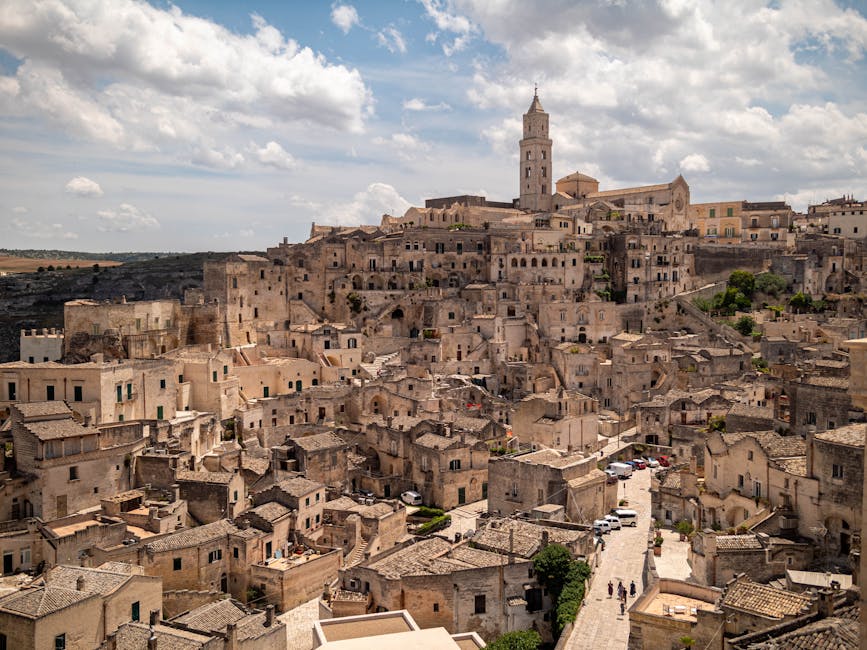
Italy has an excellent transportation network. Trains are the most convenient way to travel between cities. High-speed trains (Frecciarossa and Italo) connect major destinations like Rome, Florence, Milan, and Naples in under three hours.
Book train tickets in advance for the best prices. Trenitalia and Italo offer online booking. Validate regional train tickets before boarding to avoid fines.
For short distances, buses and metros are reliable. In cities like Rome and Milan, a multi-day public transport pass can save money. Taxis are available but expensive—use apps like FreeNow or ItTaxi.
Renting a car is useful for exploring rural areas like Tuscany or Sicily. However, avoid driving in city centers. ZTLs (Limited Traffic Zones) are strictly enforced, and fines are steep.
Accommodation Options
Italy offers a range of accommodations, from luxury hotels to budget hostels. In cities, consider staying in central neighborhoods like Trastevere in Rome or Oltrarno in Florence for easy access to attractions.
Agriturismi (farm stays) are popular in the countryside. They offer a peaceful retreat with home-cooked meals and scenic views. Book early during harvest season.
Check reviews on trusted platforms like Booking.com or Airbnb. Pay attention to location, amenities, and cancellation policies. Some historic buildings lack elevators, so confirm accessibility if needed.
Food and Dining Etiquette
Italian cuisine varies by region. In the north, you’ll find risotto and polenta. The south is known for pasta, olive oil, and seafood. Always try local specialties.
Meals are social events. Lunch is typically served from 12:30 to 2:30 PM, dinner from 7:30 to 10 PM. Many restaurants close between meals.
Italians eat late. Dining before 8 PM may limit your options. Tipping is not mandatory—round up the bill or leave small change. Service charge (coperto) is often included.
Avoid ordering cappuccino after breakfast. It’s considered a morning drink. Espresso is preferred after meals.
Language and Communication
Italian is the official language. While many people in tourist areas speak English, learning a few basic phrases goes a long way. “Grazie” (thank you), “Per favore” (please), and “Dov’è il bagno?” (Where is the bathroom?) are helpful.
Download a translation app like Google Translate. Offline mode is useful when Wi-Fi is limited. Some apps support real-time conversation translation.
Public Wi-Fi is available in cafés, hotels, and train stations. Consider buying a local SIM card for data. TIM, Vodafone, and WindTre offer tourist packages.
Safety and Health
Italy is generally safe for travelers. Petty crime like pickpocketing occurs in crowded areas. Stay alert in tourist hotspots, on public transport, and at markets.
Keep copies of important documents. Store digital backups in the cloud. Use a money belt or hidden pouch for cash and cards.
EU citizens can use the European Health Insurance Card (EHIC). Non-EU travelers should purchase travel insurance. Pharmacies (farmacie) are widely available for minor health issues.
Money and Budgeting
Italy uses the euro (€). Credit cards are widely accepted, but carry cash for small purchases, markets, and rural areas. Inform your bank of travel plans to avoid card blocks.
ATMs are common and offer better exchange rates than currency exchanges. Avoid dynamic currency conversion—pay in euros to save money.
Budget travelers can enjoy Italy affordably. Eat at trattorias, use public transport, and visit free attractions like churches and piazzas. Mid-range travelers should budget €100–150 per day. Luxury travelers can expect €300+.
Packing Essentials for Italy
Pack light and smart. Italy’s cobblestone streets and historic buildings mean comfortable walking shoes are a must. Bring a daypack for sightseeing and a reusable water bottle—Italy has many public fountains with drinkable water.
Layer your clothing. Weather can change quickly, especially in spring and fall. A light jacket or sweater is useful for evenings. In summer, pack sunscreen, a hat, and sunglasses.
Bring a universal power adapter. Italy uses Type L outlets (230V). A portable charger is helpful for long days of sightseeing. Don’t forget a travel towel if staying in hostels.
Cultural Tips and Etiquette
Italians value politeness and personal space. Greet people with a smile and a simple “Buongiorno” (good morning) or “Buonasera” (good evening). Use “Lei” (formal you) when speaking to strangers or elders.
Dress modestly when visiting churches. Cover shoulders and knees. Avoid loud conversations in quiet spaces like museums and churches.
Italians take pride in their culture. Show interest in local traditions, food, and history. Avoid comparing Italy to other countries—Italians are proud of their heritage.
Final Thoughts on Your Italy Trip
Italy is a destination that rewards curiosity and patience. Whether you’re sipping espresso in a Roman café, marveling at Renaissance art in Florence, or sailing along the Amalfi Coast, every moment feels special. This Italy travel guide offers a roadmap to the best cities and practical tips to enhance your journey.
Plan ahead, stay flexible, and embrace the Italian way of life—la dolce vita, the sweet life. With the right preparation, your trip to Italy will be as smooth as it is unforgettable.
FAQ
What is the best time of year to visit Italy?
Spring (April–June) and fall (September–October) offer mild weather and fewer crowds. Summer is busy and hot, while winter is quieter and ideal for city breaks.
Do I need to speak Italian to travel in Italy?
No, but learning basic phrases helps. Many Italians in tourist areas speak English, especially in hotels and restaurants.
Is it safe to drink tap water in Italy?
Yes, tap water is safe to drink in most of Italy. Public fountains (nasoni) provide free drinking water in cities like Rome and Florence.