Indonesia Travel Guide: Top Islands and Travel Tips
Indonesia is an archipelago of over 17,000 islands stretching across Southeast Asia, offering travelers a mix of pristine beaches, active volcanoes, rich culture, and vibrant cities. Whether you’re seeking adventure, relaxation, or cultural immersion, this diverse nation delivers. This guide highlights the top islands to visit and shares practical travel tips to help you plan a smooth and memorable trip.
Why Visit Indonesia?
Indonesia stands out as one of the world’s most biodiverse countries, home to Komodo dragons, orangutans, and thousands of endemic species. Its islands range from bustling urban centers like Jakarta to remote surf havens like Nusa Penida. With over 300 ethnic groups and 700 languages, the cultural tapestry is equally rich. Travelers are drawn to Indonesia for its affordability, natural beauty, and warm hospitality.
The country’s geography creates microclimates and ecosystems found nowhere else. From the rice terraces of Bali to the jungles of Sumatra, each island offers a unique experience. Indonesia also benefits from year-round tropical weather, though regional rainy seasons vary.
Top Islands to Visit in Indonesia
Bali: The Cultural Heart
Bali is Indonesia’s most famous island, known for its Hindu temples, lush landscapes, and vibrant arts scene. Ubud serves as the cultural hub, with traditional dance performances, art markets, and yoga retreats. Seminyak and Canggu cater to beach lovers and digital nomads with trendy cafes and surf breaks.
The island’s iconic rice terraces, like those in Jatiluwih and Tegallalang, are UNESCO-listed and perfect for photography. Don’t miss sunrise at Mount Batur or a temple visit to Tanah Lot. While Bali can be crowded, early mornings and off-the-beaten-path villages offer tranquility.
Lombok: Bali’s Quieter Neighbor
Just east of Bali, Lombok offers a more laid-back atmosphere with stunning beaches and fewer crowds. The island is dominated by Mount Rinjani, an active volcano popular for multi-day treks. The Gili Islands—Trawangan, Meno, and Air—are a short boat ride away and ideal for snorkeling and diving.
Senggigi Beach provides a mix of resorts and local eateries, while the southern coast has world-class surf spots like Desert Point. Lombok’s Sasak culture is distinct from Bali’s Hindu traditions, offering a different cultural experience.
Komodo and Flores: Home of the Dragons
The Komodo National Park, a UNESCO World Heritage Site, is home to the Komodo dragon, the world’s largest lizard. The park includes Komodo, Rinca, and several smaller islands. Day trips from Labuan Bajo on Flores Island allow visitors to see the dragons in their natural habitat.
Flores itself is less visited but equally beautiful. The Kelimutu volcano features three crater lakes that change color unpredictably. Maumere offers diving and traditional villages, while Ruteng provides access to the Liang Bua cave, where the remains of Homo floresiensis were discovered.
Sulawesi: Adventure and Culture
Sulawesi is a lesser-known gem with a unique shape and diverse cultures. The Toraja people in the highlands are known for elaborate funeral rites and cliffside burials. Their traditional houses, called tongkonan, have distinctive boat-shaped roofs.
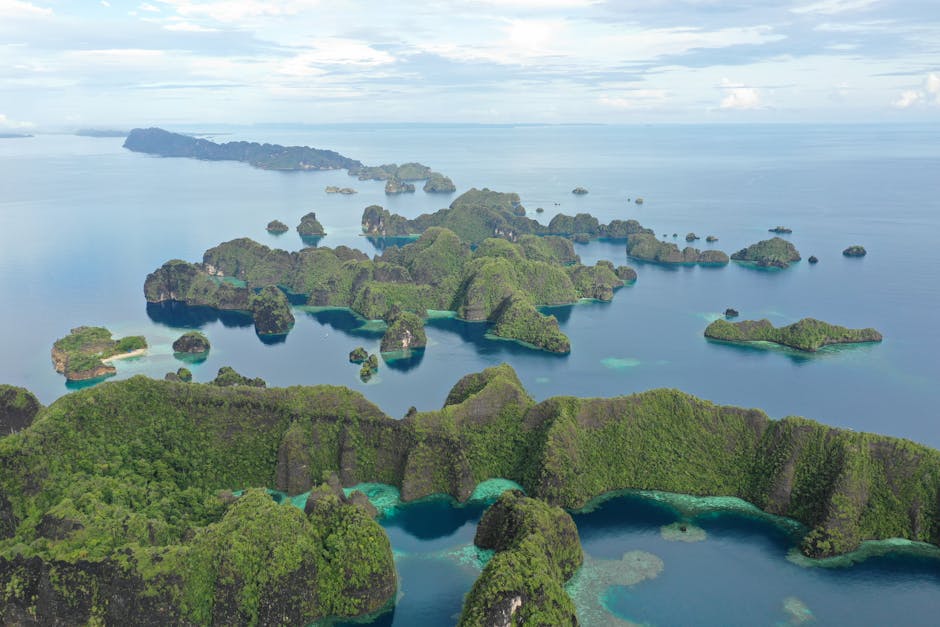
For divers, Bunaken National Marine Park offers some of the best coral reefs in the world. Manado, the capital of North Sulawesi, is a gateway to the park and has a growing food scene. The island’s remote location means fewer tourists, but infrastructure is improving.
Sumatra: Wild and Untamed
Sumatra is Indonesia’s largest island and a haven for nature lovers. Lake Toba, the largest volcanic lake in the world, is a peaceful retreat surrounded by Batak villages. The island is also home to Gunung Leuser National Park, a critical habitat for critically endangered Sumatran orangutans.
Surfing in the Mentawai Islands is world-class, with consistent swells and uncrowded breaks. Medan, the island’s largest city, serves as a base for jungle treks and cultural tours. Be prepared for rough roads and limited facilities in remote areas.
Java: The Cultural and Political Center
Java is Indonesia’s most populous island and home to the capital, Jakarta. Despite its urban sprawl, Java offers incredible cultural and natural attractions. Yogyakarta is the heart of Javanese culture, with the magnificent Borobudur and Prambanan temples nearby.
Mount Bromo and Ijen are two of Java’s most iconic volcanoes. Bromo’s sunrise views over the Sea of Sand are unforgettable, while Ijen’s blue fire phenomenon occurs only at night. Java also has excellent food, from street satay to gudeg, a jackfruit stew.
Essential Travel Tips for Indonesia
Best Time to Visit
The dry season, from April to October, is the ideal time to visit most of Indonesia. During this period, skies are clear, and humidity is lower. The wet season, from November to March, brings heavy downpours, especially in Sumatra and Kalimantan.
However, some regions have different patterns. Bali and Lombok are driest from May to September, while eastern islands like Flores can be visited year-round. Always check regional weather before booking.
Getting Around
Domestic flights are the fastest way to travel between major islands. Garuda Indonesia, Lion Air, and Citilink operate frequent routes. Ferries connect nearby islands, such as Bali to Lombok or Java to Sumatra, but schedules can be unreliable.
On larger islands, ride-hailing apps like Grab and Gojek are convenient and affordable. In rural areas, motorbike rentals are common, but ensure you have an international driving permit and wear a helmet. Public buses exist but can be crowded and slow.
Visa Requirements
Many travelers can enter Indonesia visa-free for up to 30 days, including citizens of the U.S., Canada, Australia, and most EU countries. This visa cannot be extended. For longer stays, apply for a visa on arrival (VOA) for $35 USD, valid for 30 days and extendable once.
Alternatively, obtain a tourist visa in advance from an Indonesian embassy. Overstaying incurs a fine of $10 USD per day. Always check the latest requirements before departure.
Health and Safety
Drink only bottled or filtered water to avoid stomach issues. Avoid ice in drinks outside reputable establishments. Mosquito-borne diseases like dengue and malaria are present in some areas—use repellent and sleep under nets if needed.
Indonesia is generally safe for travelers, but petty theft occurs in tourist areas. Keep valuables secure and avoid displaying expensive items. Earthquakes and volcanic activity are risks; monitor local news and follow official advice.
Money and Costs
The Indonesian rupiah (IDR) is the local currency. ATMs are widely available in cities and tourist areas. Credit cards are accepted in hotels and restaurants, but cash is preferred in rural areas.
Indonesia is affordable. Budget travelers can get by on $25–$40 per day, while mid-range travelers spend $50–$100. Luxury resorts and tours cost more, but even high-end options are cheaper than in Western countries.
Cultural Etiquette
Indonesia is predominantly Muslim, especially in Java and Sumatra. Dress modestly when visiting religious sites—cover shoulders and knees. Remove shoes before entering homes and temples.
Greetings are important. Use your right hand for handshakes and giving items, as the left is considered unclean. Avoid public displays of affection. When in doubt, observe locals and follow their lead.
Language Tips
Indonesian (Bahasa Indonesia) is the national language and widely understood. English is common in tourist areas, but learning a few basic phrases goes a long way. “Terima kasih” means thank you, “Selamat pagi” is good morning, and “Berapa harganya?” asks for the price.
Local dialects vary by region. In Bali, Balinese is spoken alongside Indonesian. Don’t be surprised if people switch between languages quickly.
What to Pack
Pack light, breathable clothing suitable for tropical heat. Include a rain jacket or poncho, especially during the wet season. A reusable water bottle with a filter is eco-friendly and practical.
Bring reef-safe sunscreen, insect repellent, and a basic first-aid kit. If trekking, pack sturdy shoes and a headlamp. Power adapters are needed—Indonesia uses Type C and F plugs at 230V.
Sustainable Travel in Indonesia
Tourism can impact fragile ecosystems and communities. Choose eco-friendly accommodations and tour operators that support local economies. Avoid single-use plastics—many islands have plastic pollution issues.
Respect wildlife by not feeding or touching animals. On Komodo, follow park rules and stay with guides. Support local artisans by buying handmade goods instead of mass-produced souvenirs.
Consider volunteering with conservation projects, but research organizations carefully. Avoid “orphanage tourism,” which can exploit children. Responsible travel ensures Indonesia remains beautiful for future visitors.
Sample Itinerary: 14 Days in Indonesia
For first-time visitors, a two-week trip can cover Bali, Lombok, and Java. Start in Bali for 5 days—explore Ubud, relax in Canggu, and visit temples. Take a fast boat to Lombok for 3 days—hike Rinjani or snorkel in the Gilis.
Fly to Yogyakarta for 3 days—tour Borobudur, Prambanan, and local markets. End in Jakarta for 2 days—visit museums, try street food, and shop in Menteng. This itinerary balances culture, nature, and relaxation.
Adjust based on interests. Add Komodo for adventure, or Sumatra for wildlife. Allow time for travel days—flights and ferries can take longer than expected.
Final Thoughts
Indonesia rewards curious travelers with unforgettable experiences. From ancient temples to underwater wonders, the country offers endless discovery. With careful planning and cultural awareness, your trip can be both enjoyable and respectful.
Start with the islands that match your travel style—whether that’s surfing, diving, or exploring history. Use this guide to navigate logistics and make the most of your journey. Indonesia is more than a destination—it’s an adventure.
FAQ
Do I need a visa to visit Indonesia?
Citizens of many countries can enter visa-free for up to 30 days. Others can obtain a visa on arrival or apply in advance. Check your nationality’s requirements before traveling.
Is Indonesia safe for solo travelers?
Yes, Indonesia is generally safe for solo travelers, including women. Exercise normal precautions, avoid isolated areas at night, and stay aware of your surroundings.
What’s the best way to get from Bali to Lombok?
Fast boats take 1.5 to 2 hours and cost $25–$40. Ferries are cheaper but slower. Book through reputable companies to avoid cancellations.