Best Travel Tips for Family Trips with Kids
Traveling with kids doesn’t have to be stressful. With smart planning, the right gear, and realistic expectations, family trips can be enjoyable for everyone. This guide covers essential strategies—from packing hacks to managing meltdowns—to help you create smooth, memorable adventures. Whether you’re heading to a beach resort, national park, or international city, these practical tips will keep your journey organized and your kids happy.
Plan Ahead: Set the Foundation for a Smooth Trip
Good travel starts long before you leave the house. A well-thought-out plan reduces surprises and keeps stress levels low. Begin by choosing destinations that are genuinely kid-friendly.
Look for places with playgrounds, stroller accessibility, and family restrooms. Resorts with kids’ clubs or hotels with connecting rooms can make a big difference. For example, Disney World and Legoland are designed with families in mind, offering structured activities and clear signage.
Book Accommodations with Families in Mind
Not all hotels are created equal when it comes to hosting children. Prioritize properties that offer cribs, high chairs, and kitchenettes. These small amenities can save you from packing bulky items or scrambling for last-minute rentals.
Vacation rentals like Airbnb or Vrbo often provide more space and home-like comforts. A full kitchen lets you prepare simple meals, which is especially helpful for picky eaters or dietary restrictions.
Check Travel Requirements Early
If you’re flying or crossing borders, verify documentation needs well in advance. Children may need passports, birth certificates, or notarized letters if traveling with one parent.
Some countries require specific vaccinations or health forms. The CDC and your airline’s website are reliable sources for up-to-date requirements. Don’t assume policies haven’t changed—double-check two weeks before departure.
Pack Smart: Bring Only What You Need
Overpacking is a common mistake. Bulky suitcases slow you down and make transit harder. Instead, pack versatile clothing and multi-use items.
Roll clothes instead of folding to save space and reduce wrinkles. Use packing cubes to separate outfits by day or person. This makes unpacking quicker and helps kids find their own clothes.
Create a Kid-Specific Packing List
Each child should have a small backpack with essentials: a change of clothes, snacks, a favorite toy, and a water bottle. This teaches responsibility and ensures they have what they need during delays.
For infants, pack diapers, wipes, and formula in your carry-on. Airlines don’t always have these on hand, and airport stores can be expensive. A portable bottle warmer or collapsible bottle saves space and hassle.
Don’t Forget the Comfort Items
Familiar objects provide security in unfamiliar environments. A favorite stuffed animal, blanket, or bedtime book can ease anxiety during long flights or hotel stays.
Label everything with your child’s name. It’s easy for small items to get lost in transit. Use waterproof labels on bottles, toys, and clothing.
Manage Travel Time: Keep Kids Engaged and Calm
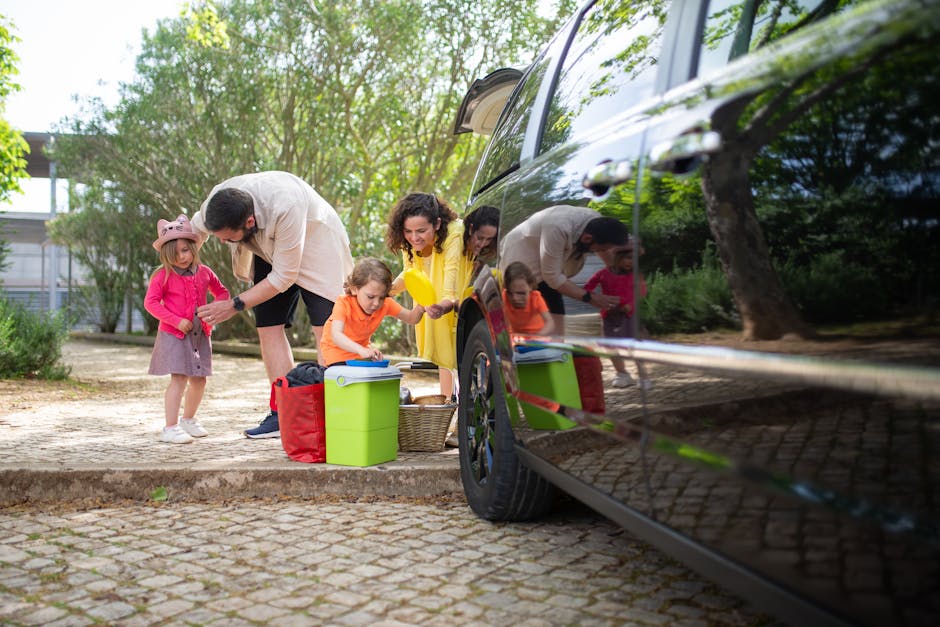
Long flights, car rides, or train journeys test even the most patient families. The key is preparation and flexibility. Bring a mix of entertainment options to match different moods and energy levels.
Download movies, audiobooks, or games onto tablets before leaving. Offline access is crucial when Wi-Fi is spotty. Rotate activities every 30–45 minutes to maintain interest.
Use the “New Toy” Strategy
Wrap a few small, inexpensive toys or books in paper and give one every hour. The novelty keeps kids engaged longer than expected. Dollar store finds like sticker books, mini puzzles, or glow sticks work well.
Avoid screen overload. Balance digital time with physical activities like coloring, card games, or travel-sized board games. Uno and travel Scrabble are compact and engaging.
Plan for Breaks During Road Trips
Stop every two hours for bathroom breaks, snacks, and stretching. Look for rest areas with playgrounds or picnic spots. Kids burn off energy, which helps them settle back into the car.
Use apps like Roadtrippers or Google Maps to find family-friendly stops along your route. A quick visit to a local park can turn a long drive into an adventure.
Stay Safe and Healthy on the Road
Safety should always come first. Car seats must meet local regulations, even if you’re renting abroad. Many countries have strict laws about child restraints.
Bring a basic first-aid kit with bandages, antiseptic wipes, pain relievers, and any prescription medications. Include motion sickness remedies if your child is prone to car or plane sickness.
Protect Against Illness
Hand sanitizer and disinfecting wipes are non-negotiable. Use them before meals and after touching high-contact surfaces like tray tables or elevator buttons.
Teach kids to cover coughs and avoid touching their faces. In crowded areas like airports or theme parks, consider lightweight face masks during flu season or outbreaks.
Sun and Heat Safety
Apply sunscreen 30 minutes before going outside and reapply every two hours. Choose a broad-spectrum SPF 30 or higher. Don’t forget hats, sunglasses, and UV-protective clothing.
In hot climates, watch for signs of dehydration: dry mouth, fatigue, or reduced urination. Offer water frequently, even if kids don’t ask. Electrolyte drinks can help replenish lost minerals.
Dining Out with Kids: Make Meals Manageable
Eating out with children can be tricky, especially in unfamiliar places. Research restaurants ahead of time. Look for places with kids’ menus, high chairs, and quick service.

Many family-friendly chains like Olive Garden or Cheesecake Factory offer coloring sheets and crayons. These small touches keep kids occupied while waiting for food.
Pack Snacks for Emergencies
Always carry non-perishable snacks: granola bars, fruit pouches, crackers, or trail mix. Hungry kids are cranky kids. Snacks can bridge gaps between meals or during travel delays.
Check local customs if traveling internationally. Some countries restrict certain foods at customs. Avoid bringing fresh fruit or homemade items across borders.
Involve Kids in Meal Choices
Let children pick one meal per day. This gives them a sense of control and reduces resistance. Offer two reasonable options: “Would you like pasta or chicken tenders?”
Try local cuisine in small doses. Order a mild version of a regional dish or share a plate. Exposure to new flavors can be fun when approached playfully.
Handle Meltdowns and Unexpected Challenges
No matter how well you plan, things will go wrong. A missed flight, lost luggage, or a tired, overstimulated child can derail the best-laid plans. Stay calm and adapt.
Meltdowns often stem from hunger, fatigue, or sensory overload. Address the root cause first. Offer a snack, find a quiet space, or take a short walk.
Have a Backup Plan
Always have a Plan B for activities. If the weather ruins your beach day, know where the nearest indoor playground or museum is. Flexibility reduces pressure on everyone.
Keep a list of emergency contacts: local embassy, hotel front desk, and your travel insurance provider. Save numbers in your phone and write them down in case your device dies.
Use Positive Reinforcement
Praise good behavior during travel. A simple “I’m proud of how patiently you waited in line” reinforces cooperation. Small rewards like extra screen time or a special treat can motivate older kids.
Avoid bribes. Instead, set clear expectations: “If we stay calm during the flight, we’ll get ice cream after landing.”
Make the Trip Educational and Fun
Travel is a powerful learning opportunity. Turn sightseeing into interactive experiences. Let kids use a map to find your hotel or count how many red cars they see on the road.
At museums, focus on one or two exhibits instead of rushing through. Many offer family guides or scavenger hunts that make learning engaging.
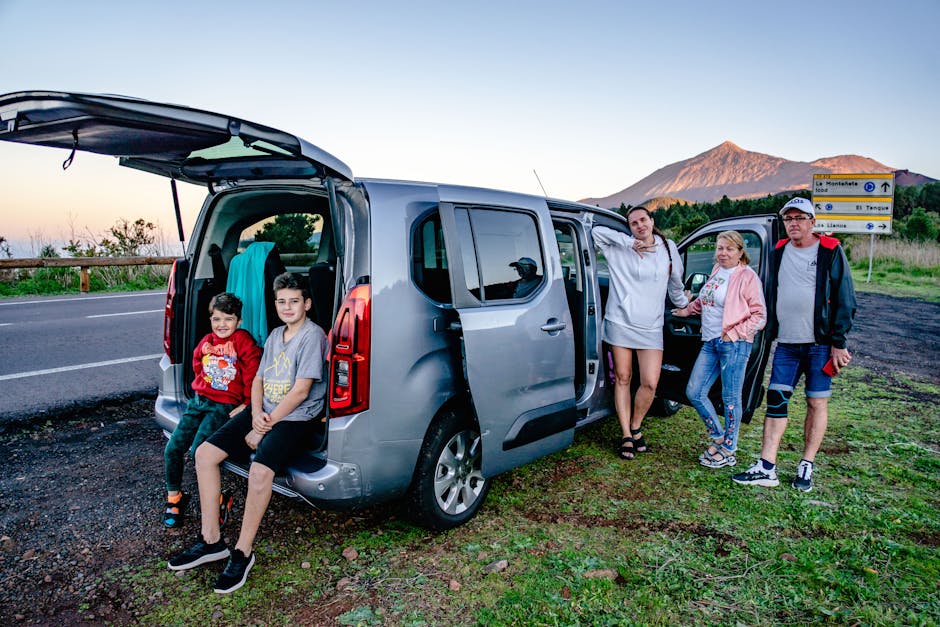
Capture Memories Together
Give kids a disposable camera or a shared photo journal. They’ll enjoy documenting the trip from their perspective. Later, create a scrapbook or digital album as a keepsake.
Encourage them to write or draw about their favorite part of each day. This reflection builds gratitude and strengthens family bonds.
Return Home with Ease
The end of a trip can be just as chaotic as the start. Prepare for the return a day in advance. Re-pack suitcases, charge devices, and confirm flight times.
Adjust sleep schedules a few days before coming home. Gradually shift bedtime closer to your regular routine to ease the transition.
Debrief as a Family
Talk about what everyone enjoyed and what could be improved. This feedback helps plan future trips. Ask open-ended questions: “What was your favorite meal?” or “Which activity made you laugh the most?”
Celebrate the journey. A small ritual like making pancakes together or watching a travel slideshow reinforces positive memories.
Final Thoughts
Family travel with kids requires patience, preparation, and a sense of humor. The goal isn’t perfection—it’s connection. With these best travel tips for family trips with kids, you’ll spend less time troubleshooting and more time making memories.
Remember, every trip teaches something new. Whether it’s navigating a foreign subway or calming a toddler during turbulence, you’re building resilience and confidence in your children—and yourself.
FAQ
What should I pack in my carry-on for a flight with kids?
Essentials include snacks, a change of clothes, diapers and wipes (if needed), entertainment like tablets or books, a water bottle, and any medications. Don’t forget comfort items like a favorite toy or blanket.
How can I keep my kids safe while traveling internationally?
Ensure all travel documents are in order, use approved car seats, carry a first-aid kit, and stay aware of local health advisories. Teach kids to stay close in crowds and have a meeting point in case you get separated.
What’s the best way to handle jet lag with children?
Adjust sleep schedules a few days before travel. Once at your destination, get sunlight during the day and maintain a consistent bedtime. Avoid long naps and offer light meals to help reset their internal clock.