Best Traditional Foods to Try in Every Country
Traveling is one of life’s greatest joys—and food is one of the best ways to experience a new culture. The best traditional foods to try in every country offer more than just flavor; they tell stories of history, geography, and community. From street-side snacks to ceremonial dishes, each nation has signature meals that reflect its identity. Whether you’re planning a trip or exploring from your kitchen, trying authentic local cuisine deepens your connection to a place and its people.
This guide highlights standout traditional dishes from over 50 countries, focusing on meals that are deeply rooted in culture and widely recognized as national favorites. We’ve prioritized dishes you can realistically find at local restaurants, markets, or family kitchens—not just tourist traps. Each entry includes context, ingredients, and tips for first-time tasters.
Africa: Bold Flavors and Hearty Staples
Ethiopia – Injera with Wat
Injera, a spongy sourdough flatbread made from teff flour, serves as both plate and utensil in Ethiopian meals. It’s topped with rich stews called wats, such as spicy doro wat (chicken stew) or misir wat (red lentils). The tangy flavor of injera balances the heat of berbere spice blends.
Eating with your hands is encouraged—tear off a piece of injera to scoop up the stew. Vegetarians will find plenty of options, as many wats are plant-based. Look for family-run restaurants in Addis Ababa or diaspora communities abroad.
Morocco – Tagine
Named after the conical clay pot it’s cooked in, tagine is a slow-cooked stew of meat (often lamb or chicken), dried fruits, nuts, and aromatic spices like cinnamon and saffron. The lid traps steam, keeping the dish moist and flavorful.
Common versions include chicken with preserved lemons and olives, or lamb with prunes and almonds. Served with crusty bread or couscous, it’s a comforting meal best enjoyed in a riad or medina café.
Nigeria – Jollof Rice
This one-pot rice dish cooked in a tomato-based sauce is a West African staple with regional variations. Nigerian jollof is known for its smoky flavor, achieved by slightly burning the bottom layer of rice—a technique called party jollof.
It’s typically served with fried plantains, grilled chicken, or fish. The ongoing “jollof wars” between Nigeria, Ghana, and Senegal highlight its cultural pride. For the best version, seek out home cooks or festive gatherings.
Asia: Diversity in Every Bite
Japan – Sushi and Sashimi
While sushi is now global, authentic versions in Japan emphasize seasonality and simplicity. Nigiri (fish over vinegared rice) and sashimi (raw fish without rice) showcase the purity of ingredients.
Tokyo’s Tsukiji Outer Market or small neighborhood sushi bars offer high-quality experiences. Beginners should start with milder fish like salmon or tuna before trying uni (sea urchin) or toro (fatty tuna).
Thailand – Pad Thai
This stir-fried noodle dish combines rice noodles, eggs, tofu or shrimp, bean sprouts, and a tangy sauce made from tamarind, fish sauce, and palm sugar. It’s often garnished with crushed peanuts and lime.
Street vendors in Bangkok serve some of the best versions—look for busy stalls with high turnover. Vegan? Ask for no fish sauce and extra tofu. The dish balances sweet, sour, salty, and umami perfectly.
India – Biryani
Biryani is a fragrant rice dish layered with marinated meat (chicken, mutton, or beef), spices, and saffron. It’s slow-cooked in a sealed pot, allowing flavors to meld. Regional styles vary widely—Hyderabadi biryani is spicy and rich, while Kolkata biryani includes potatoes.
Best enjoyed at family gatherings or historic restaurants like Paradise in Hyderabad. Vegetarian versions with paneer or vegetables are also popular. Pair with raita (yogurt sauce) to cool the palate.
Vietnam – Pho
Pho is a clear, aromatic beef or chicken noodle soup made with rice noodles, herbs, and a broth simmered for hours with star anise, cinnamon, and charred ginger. It’s typically garnished with basil, lime, and chili.
Hanoi-style pho uses wider noodles and simpler garnishes, while Saigon versions are sweeter and more herb-heavy. Eat it for breakfast in Vietnam—it’s a morning ritual for many locals.
Europe: Time-Honored Classics
Italy – Pasta Carbonara
Authentic carbonara contains only eggs, Pecorino Romano cheese, guanciale (cured pork jowl), and black pepper. No cream—despite popular misconceptions. The heat from cooked pasta melts the cheese and eggs into a silky sauce.

Best tried in Rome, where the dish originated. Avoid tourist-heavy areas; local trattorias near residential neighborhoods serve more traditional versions. Use a fork to twirl the pasta for the perfect bite.
France – Coq au Vin
This rustic dish features chicken braised in red wine with mushrooms, onions, and bacon. The wine tenderizes the meat and creates a deep, savory sauce. It’s a staple of French home cooking.
Pair with crusty bread or mashed potatoes. Burgundy, where the dish comes from, offers the best regional versions. For a lighter option, try coq au vin blanc (white wine version).
Greece – Moussaka
Layers of eggplant, ground meat (usually lamb), and béchamel sauce make moussaka a hearty casserole. It’s baked until golden and served warm. Some versions include potatoes or zucchini.
Common in tavernas across Greece, especially in the islands. Vegetarian versions replace meat with lentils or mushrooms. Best enjoyed with a Greek salad and local wine.
Spain – Paella
Originating in Valencia, paella is a saffron-infused rice dish traditionally cooked in a wide, shallow pan. The original version, paella valenciana, includes rabbit, chicken, beans, and snails.
Seafood paella is more common in coastal areas. Avoid pre-made or frozen versions. Look for restaurants that cook it fresh over open flames. The crispy bottom layer, socarrat, is a prized texture.
North America: Fusion and Tradition
United States – Southern Fried Chicken
Crispy, golden-brown chicken coated in seasoned flour and deep-fried is a Southern icon. The best versions are brined for juiciness and double-dipped for extra crunch.
Try it in Nashville, Memphis, or rural diners across the South. Served with sides like collard greens, mac and cheese, or cornbread. Be warned: it’s messy but worth it.
Mexico – Mole Poblano
This complex sauce blends over 20 ingredients, including chiles, chocolate, spices, and nuts. It’s poured over turkey or chicken and served with rice. Each family has its own recipe, passed down through generations.
Best experienced during Day of the Dead celebrations in Puebla, where it originated. Look for mole negro (black mole) for a deeper flavor. It’s labor-intensive—don’t expect quick service.
Canada – Poutine
French fries topped with cheese curds and brown gravy define this Quebec comfort food. The key is fresh, squeaky cheese curds—pre-packaged versions won’t do.
Montreal and Quebec City have iconic poutine spots. Variations include pulled pork or smoked meat, but purists stick to the classic. Eat it fast before the fries go soggy.
South America: Rich and Earthy
Peru – Ceviche
Fresh raw fish “cooked” in citrus juice (usually lime), mixed with onions, chili, and cilantro. It’s a coastal staple, best eaten near the ocean. The acidity denatures the proteins, giving the fish a firm texture.
Lima’s cevicherías are legendary. Ask for ceviche mixto to include seafood like shrimp and octopus. Avoid if you have sensitive digestion—always choose reputable vendors.
Argentina – Asado
Asado is more than grilled meat—it’s a social event. Beef cuts like ribs, flank, and chorizo are slow-cooked over wood or charcoal. The parrilla (grill) is central to Argentine culture.
Join a local asado in Buenos Aires or the countryside. Pair with chimichurri sauce and Malbec wine. Vegetarians can enjoy grilled provoleta (cheese) or vegetables.
Brazil – Feijoada
This hearty stew combines black beans with pork cuts like sausage, ribs, and ears. It’s traditionally served on Wednesdays and Saturdays with rice, collard greens, and orange slices.
Rio de Janeiro is the best place to try it. The oranges cut through the richness. Leftovers are even better the next day. Not for the faint of heart—but deeply satisfying.
Oceania: Unique and Flavorful
Australia – Meat Pie
A flaky pastry filled with minced meat and gravy, the meat pie is an Australian icon. Often eaten at sports events or with a tomato sauce drizzle. Gourmet versions include kangaroo or crocodile.
Found in bakeries, pubs, and convenience stores. Try a classic at Harry’s Café de Wheels in Sydney. Vegetarian options are increasingly available.
New Zealand – Hangi
Traditional Māori hangi involves cooking meat and vegetables in an earth oven heated by volcanic stones. The slow, smoky process infuses food with a distinct flavor.
Best experienced during cultural performances or marae visits. Common ingredients include lamb, chicken, kumara (sweet potato), and cabbage. It’s a communal meal, often shared during celebrations.
Middle East: Aromatic and Shared
Lebanon – Mezze Platter
Mezze is a spread of small dishes like hummus, baba ghanoush, tabbouleh, and falafel. Meant for sharing, it encourages conversation and variety. Each dish is simple but flavorful.
Beirut’s cafes offer some of the best mezze. Start with pita bread and work your way through the platter. Vegetarians will find endless options. Pair with arak, an anise-flavored spirit.
Turkey – Kebab
While kebabs are popular worldwide, Turkish versions vary by region. Döner kebab (meat cooked on a vertical rotisserie) is common, but don’t miss şiş kebab (grilled skewers) or adana kebab (spicy minced meat).
Istanbul’s street vendors serve quick, tasty versions. For a sit-down meal, try a kebab house in Gaziantep, known as the culinary capital. Always order with ayran (yogurt drink) to balance the heat.
Iran – Chelow Kabab
This national dish features saffron rice (chelow) served with grilled kebabs—usually lamb, chicken, or ground beef. The rice is fluffy and often has a golden crust called tahdig.
Tehran’s traditional restaurants offer the most authentic versions. Tahdig is the crispy bottom layer of rice—fight for a piece if you can. Vegetarians can order grilled vegetables or eggplant.
Tips for Trying Traditional Foods Abroad
Start with Street Food
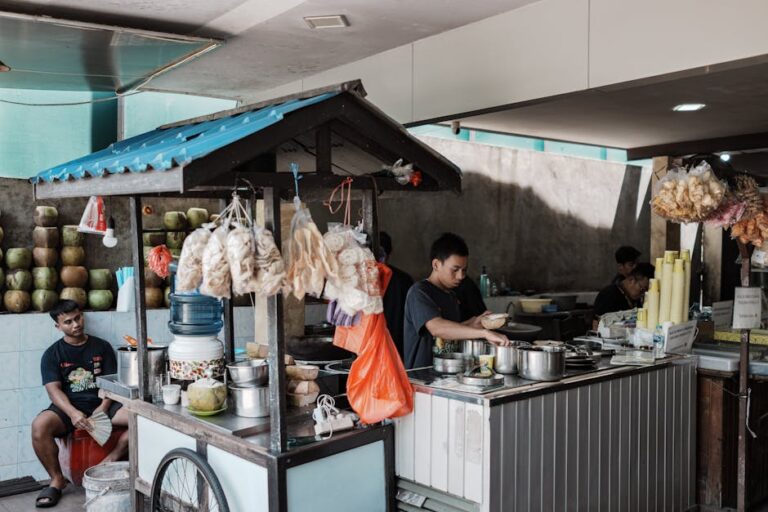
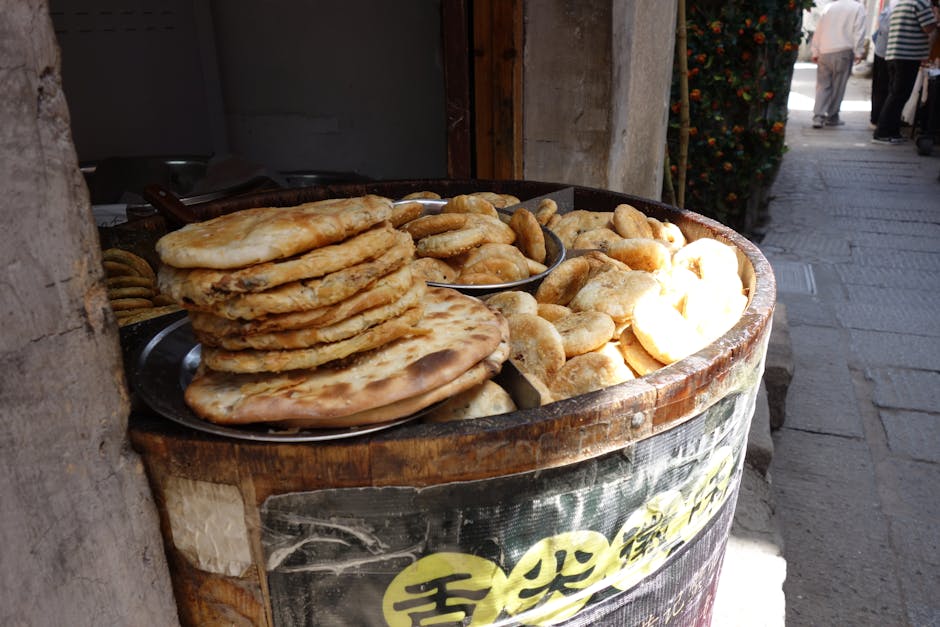
Street food is often the most authentic and affordable way to taste local cuisine. Look for stalls with long lines of locals—high turnover means fresh ingredients.
Stick to cooked items if you’re concerned about hygiene. Avoid raw salads or unpeeled fruits in areas with questionable water quality.
Learn a Few Key Phrases
Knowing how to say “no spice,” “vegetarian,” or “delicious” in the local language goes a long way. A smile and effort are appreciated more than perfect grammar.
Use translation apps for complex dietary needs. In some cultures, pointing at the menu is acceptable and even preferred.
Respect Local Customs
Eating with your right hand in India, removing shoes before dining in Japan, or not finishing a meal in China (it implies the host didn’t provide enough) are all cultural nuances.
When in doubt, observe locals or ask politely. Food is deeply tied to identity—approach it with curiosity and respect.
Be Open to New Textures and Flavors
Some traditional foods may challenge your palate—fermented fish in Iceland, balut (developing duck embryo) in the Philippines, or century eggs in China.
Try a small bite first. You don’t have to finish it, but giving it a chance shows respect. Many “acquired tastes” become favorites over time.
How to Recreate Traditional Dishes at Home
Source Authentic Ingredients
Visit international grocery stores or order online for spices, sauces, and staples like miso, gochujang, or garam masala. Fresh herbs like cilantro, Thai basil, or dill can elevate a dish.
Substitutions work in a pinch, but they change the flavor. For example, using soy sauce instead of fish sauce in Thai cooking will make it saltier and less complex.
Follow Traditional Recipes
Look for recipes from native cooks or trusted food blogs. Videos can help with techniques like folding dumplings or tempering spices.
Don’t rush the process. Slow-cooked stews, fermented foods, and hand-rolled noodles take time—but the results are worth it.
Adjust to Your Kitchen
Not everyone has a tandoor oven or wok burner. Use a regular oven for roasting, a skillet for stir-frying, and a slow cooker for braises.
Focus on flavor balance—sweet, sour, salty, bitter, umami. Even simple tools can produce delicious results with the right ingredients.
Final Thoughts
The best traditional foods to try in every country are more than meals—they’re cultural experiences. They connect you to people, history, and place in a way few other things can. Whether you’re biting into a flaky empanada in Argentina or sharing a bowl of pho in Hanoi, each dish tells a story.
Travel with an open mind and appetite. Ask locals for recommendations, step into small family-run eateries, and savor every bite. Food is the universal language of hospitality.
FAQ
What’s the most important thing to remember when trying traditional food abroad?
Approach with respect and curiosity. Observe local dining customs, try dishes recommended by residents, and don’t be afraid to ask questions. Even if a food seems unusual, giving it a chance shows appreciation for the culture.
Are there traditional foods that are safe for people with dietary restrictions?
Yes—many traditional cuisines offer vegetarian, vegan, or gluten-free options. Indian dal, Ethiopian lentil stews, and Japanese vegetable tempura are great examples. Always communicate your needs clearly and confirm ingredients when possible.
How can I find authentic traditional food without traveling?
Look for family-owned restaurants in immigrant neighborhoods, attend cultural festivals, or cook at home using authentic recipes and ingredients. Online cooking classes with native chefs are another excellent resource.