Best Food Travel Destinations for Authentic Local Cuisine
Traveling for food is about more than just eating—it’s about experiencing culture through flavor. The best food travel destinations for authentic local cuisine offer dishes made with time-honored recipes, regional ingredients, and deep community roots. Whether you’re sampling street tacos in Oaxaca or savoring hand-pulled noodles in Xi’an, these places deliver genuine taste without tourist traps. This guide highlights top locations where culinary traditions thrive, helping you eat like a local wherever you go.
Why Authentic Cuisine Matters in Food Travel
Authentic local cuisine reflects a region’s history, climate, and values. Dishes passed down through generations often use native ingredients and traditional techniques that can’t be replicated elsewhere. Eating authentically connects travelers to the heart of a place, far beyond postcard views or guided tours.
Tourist-heavy areas often serve diluted versions of local food to cater to foreign palates. In contrast, neighborhoods where locals eat daily preserve the true essence of a destination’s culinary identity. Seeking out these spots leads to richer, more memorable experiences.
How to Identify Truly Local Eateries
Look for restaurants with menus in the local language only, minimal English signage, and a crowd of residents—not tourists. Places busy during lunch hours on weekdays are often reliable indicators of quality and authenticity.
Avoid establishments with photos of dishes on the window or prices listed in multiple currencies. These are common signs of venues catering primarily to visitors. Instead, follow the smell of simmering broths or the sound of sizzling woks down narrow alleys.
Top 8 Destinations for Authentic Local Flavors
1. Oaxaca, Mexico – The Soul of Mexican Cuisine
Oaxaca is widely regarded as Mexico’s culinary capital. Its markets, like Mercado 20 de Noviembre, overflow with moles, tlayudas, and fresh mezcal. Many dishes here rely on ancient techniques, such as grinding spices on a molcajete or nixtamalizing corn for handmade tortillas.
Visit family-run fondas where recipes haven’t changed in decades. Try the seven varieties of mole, each with distinct ingredients and preparation methods. Oaxacan food emphasizes balance—smoky, spicy, sweet, and earthy notes in harmony.
2. Bologna, Italy – Heartland of Italian Comfort Food
While Rome and Florence draw crowds, Bologna remains a bastion of authentic Italian cooking. Known as “La Grassa” (the Fat One), the city celebrates rich, slow-cooked dishes like ragù alla bolognese and tortellini in brodo.
Local trattorias serve house-made pasta with sauces developed over generations. Unlike tourist spots, these places prioritize flavor over presentation. Pair your meal with a glass of Sangiovese from nearby Emilia-Romagna vineyards.
3. Hanoi, Vietnam – Street Food at Its Finest
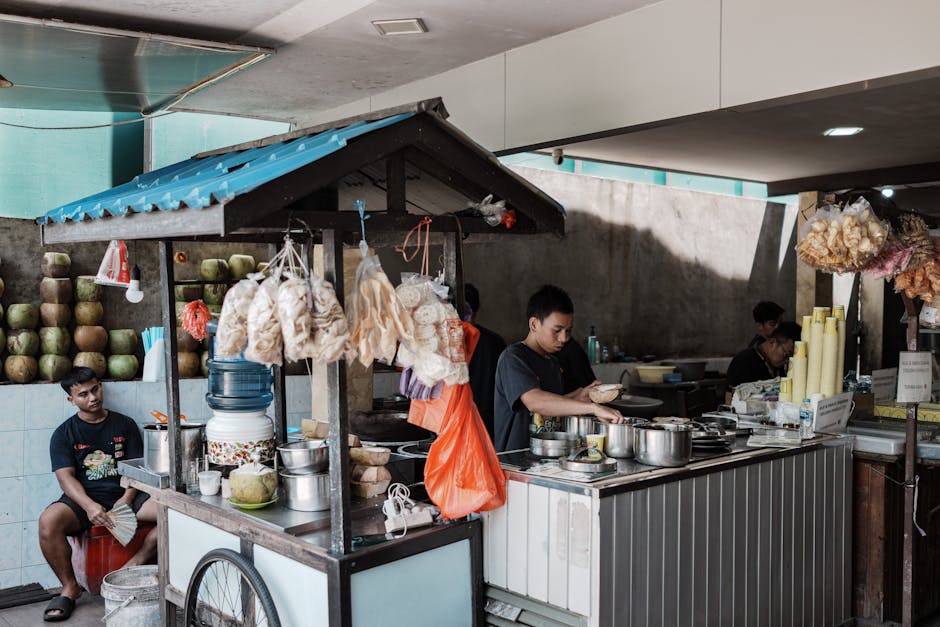
Hanoi’s street food scene thrives on simplicity and freshness. Pho bo, bun cha, and banh mi are prepared daily using family recipes and local herbs. Vendors often operate from the same spot for decades, building loyal followings.
Eat where locals queue—usually small plastic stools around a single pot or grill. Avoid areas near major hotels; instead, wander into residential districts like Hoàn Kiếm or Ba Đình for the most genuine bites.
4. Osaka, Japan – Japan’s Kitchen
Osaka earns its nickname as “Japan’s kitchen” through relentless innovation and devotion to street food. Takoyaki (octopus balls), okonomiyaki (savory pancakes), and kushikatsu (deep-fried skewers) dominate local menus.
Many vendors in Dotonbori and Kuromon Market have perfected their craft over 30 years or more. Meals are fast, affordable, and deeply satisfying. Order directly from the counter and eat standing up—just like the locals do.
5. Marrakech, Morocco – A Spice-Led Culinary Journey
Moroccan cuisine blends Berber, Arab, and Mediterranean influences. In Marrakech, tagines slow-cook in clay pots over charcoal, infusing meat and vegetables with saffron, cumin, and preserved lemon.
Visit Jemaa el-Fnaa at night when food stalls come alive. Choose vendors with high turnover—fresh ingredients are key. Couscous, harira soup, and msemen (flaky pancakes) are staples best enjoyed where Moroccans gather.
6. Penang, Malaysia – A Melting Pot of Flavors
Penang’s food culture stems from Chinese, Malay, and Indian communities living side by side. Char kway teow, assam laksa, and roti canai reflect this diversity in every bite.
Hawkers in George Town serve dishes from open-air stalls, many operating since the 1950s. Look for lines forming before noon—these are signs of trusted quality. Don’t miss the nyonya desserts blending coconut, palm sugar, and pandan.
7. Lyon, France – The Gastronomic Capital of France
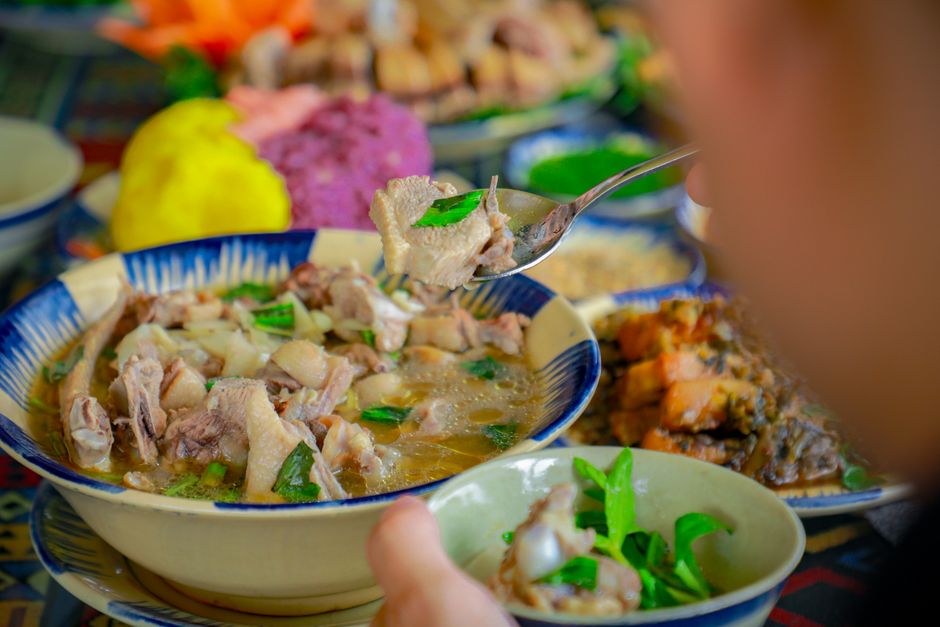
Lyon’s bouchons—small, family-run eateries—preserve traditional Lyonnaise cooking. Dishes like quenelles, andouillette, and pâté en croûte are rich, rustic, and deeply rooted in local agriculture.
Unlike Parisian bistros, Lyon’s bouchons focus on seasonal, regional produce. Many chefs source directly from nearby farms in the Rhône Valley. A meal here feels intimate and unhurried, true to French culinary philosophy.
8. Istanbul, Turkey – Where East Meets West on a Plate
Istanbul’s cuisine bridges continents, blending Ottoman palace recipes with Anatolian village traditions. Simit, menemen, and lamb kebabs are everyday staples with centuries-old origins.
Explore neighborhoods like Kadıköy and Üsküdar on the Asian side for fewer tourists and more authentic eateries. Breakfast at a local lokanta often includes olives, cheese, honey, and freshly baked bread—simple yet profound.
How to Eat Authentically While Traveling
Start by researching local food customs before you go. Learn basic phrases like “What do you recommend?” in the local language. This shows respect and often leads to better recommendations.
Use apps like Google Maps to find highly rated restaurants with reviews from local users. Filter for recent comments in the native language—they’re more likely to reflect current quality.
Talk to Locals
Hotel staff, taxi drivers, and shopkeepers often know the best hidden gems. Ask where they eat with their families. Personal referrals usually lead to the most authentic experiences.
Join a small-group food tour led by a local guide. These tours prioritize neighborhood eateries over commercial spots, offering insight into cooking methods and cultural context.
Visit Markets and Food Halls
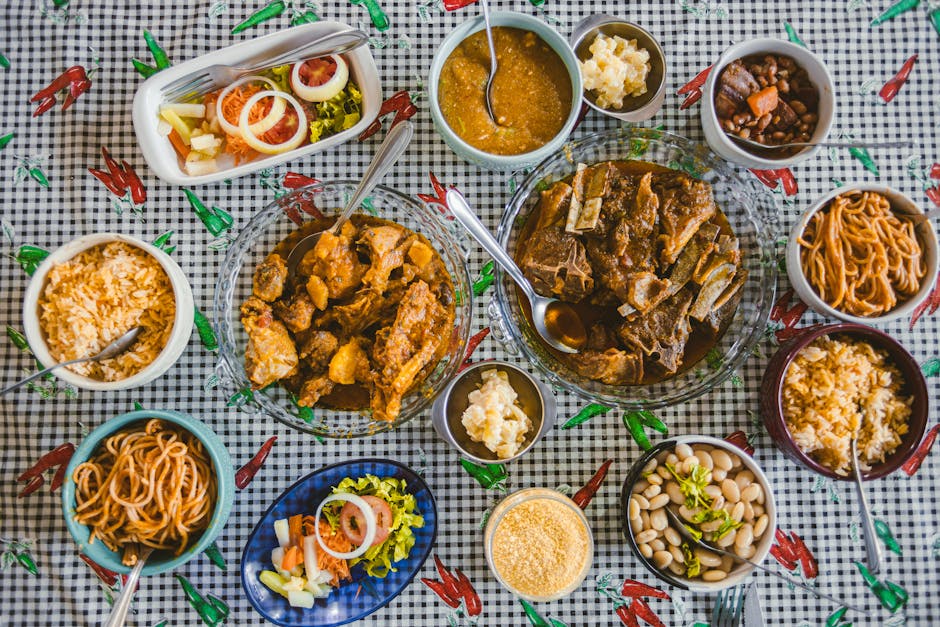
Markets are hubs of daily life and culinary tradition. They offer everything from raw ingredients to ready-to-eat meals. Sampling multiple small dishes gives a broad taste of regional flavors.
Go early in the morning when vendors are setting up. You’ll see the freshest produce and catch cooks preparing signature dishes from scratch.
Common Pitfalls to Avoid
Don’t assume expensive means authentic. High prices often reflect location and branding, not quality or tradition. Some of the best meals cost less than $5.
Avoid eating near major tourist attractions. Restaurants in these zones frequently compromise authenticity to accommodate large volumes of visitors.
Be Mindful of Food Safety
While seeking authenticity, prioritize cleanliness. Choose stalls with high turnover and visible hygiene practices. Drink bottled water in regions where tap water isn’t safe.
If you have dietary restrictions, learn how to communicate them clearly. In some cultures, certain ingredients (like garlic or dairy) are used universally, so advance planning helps.
Final Thoughts
The best food travel destinations for authentic local cuisine reward curiosity and patience. They invite you to slow down, observe, and engage with communities through shared meals. These experiences linger long after the trip ends.
Remember, authenticity isn’t about perfection—it’s about connection. Whether you’re slurping ramen in a Tokyo alley or sharing bread with a Moroccan family, the moment matters more than the Michelin star.
FAQ
How do I find authentic local food as a tourist?
Look for restaurants filled with locals, not tourists. Check for menus in the local language, weekday lunch crowds, and minimal English signage. Ask residents for recommendations.
Is street food safe to eat while traveling?
Generally, yes—if it’s cooked fresh and served hot. Choose busy stalls with high turnover, as this indicates fresh ingredients and good hygiene practices.
What should I do if I have dietary restrictions?
Learn key phrases in the local language to explain your needs. Research common ingredients in regional dishes beforehand and consider carrying a translation card.