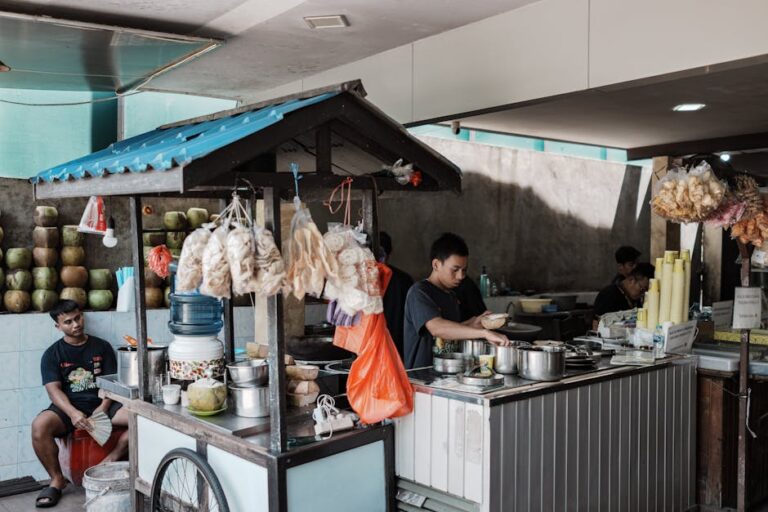
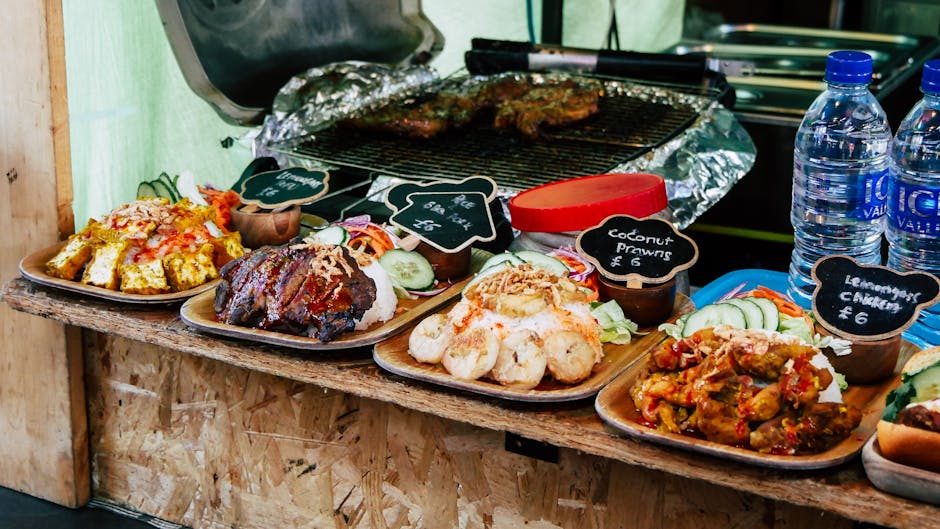
Food Travel Guide with Must Try Dishes Around the World
Traveling opens doors to new cultures, landscapes, and experiences—but perhaps nothing connects you to a place quite like its food. A food travel guide isn’t just about where to eat; it’s about understanding local traditions through flavor. Whether you’re wandering through bustling Asian night markets or savoring slow-cooked stews in European villages, every dish tells a story. This guide highlights iconic meals from six continents, offering practical tips on where and how to enjoy them authentically. From street snacks to celebratory feasts, these are the must-try dishes that define their regions.
Why Food Should Be at the Heart of Your Travel Plans
Food is more than sustenance—it’s culture on a plate. Trying local cuisine gives insight into a region’s history, climate, and values. In Italy, pasta shapes vary by region because they were designed to hold specific sauces made from local ingredients. In Thailand, balance between sweet, sour, salty, and spicy reflects philosophical ideals.
When you eat like a local, you support small businesses and preserve culinary traditions. Street vendors, family-run trattorias, and neighborhood markets often serve the most authentic versions of regional dishes. Plus, food experiences create lasting memories—like sharing empanadas at a Buenos Aires café or sipping matcha in a Kyoto temple garden.
Asia: Bold Flavors and Time-Honored Techniques
Asia’s culinary diversity is unmatched, with each country offering distinct ingredients and cooking methods. From fiery curries to delicate dumplings, the continent rewards adventurous eaters.
Japan: Sushi and Ramen
Sushi, especially nigiri and maki, showcases Japan’s emphasis on freshness and precision. Visit Tokyo’s Tsukiji Outer Market for melt-in-your-mouth tuna or try conveyor-belt sushi for a casual experience. Ramen varies widely by region—tonkotsu (pork bone broth) in Fukuoka, miso-based in Sapporo, and shoyu (soy sauce) in Tokyo.
Tip: Slurping noodles is not only acceptable but encouraged—it cools the broth and shows appreciation.
Thailand: Pad Thai and Tom Yum Goong
Pad Thai, the stir-fried noodle dish with tamarind, fish sauce, and peanuts, is a national symbol. Look for street stalls in Bangkok’s Chinatown (Yaowarat) where cooks toss ingredients in woks over roaring flames. Tom Yum Goong, a hot and sour soup with shrimp, lemongrass, and galangal, delivers an explosive burst of flavor.
Warning: “Mild” spice levels may still be intense for unaccustomed palates. Always ask before ordering.
India: Butter Chicken and Masala Dosa
Butter chicken, a creamy tomato-based curry, originated in Delhi and remains a global favorite. Pair it with naan or basmati rice. In South India, masala dosa—a fermented rice crepe filled with spiced potatoes—is a breakfast staple. Try it at Mavalli Tiffin Room (MTR) in Bangalore for an authentic experience.
Note: Vegetarian options abound, but always confirm ghee (clarified butter) isn’t used if avoiding dairy.
Europe: Tradition Meets Terroir
European cuisine emphasizes regional ingredients and time-tested recipes. Meals are often leisurely, meant to be shared and savored.
Italy: Pizza Napoletana and Risotto alla Milanese
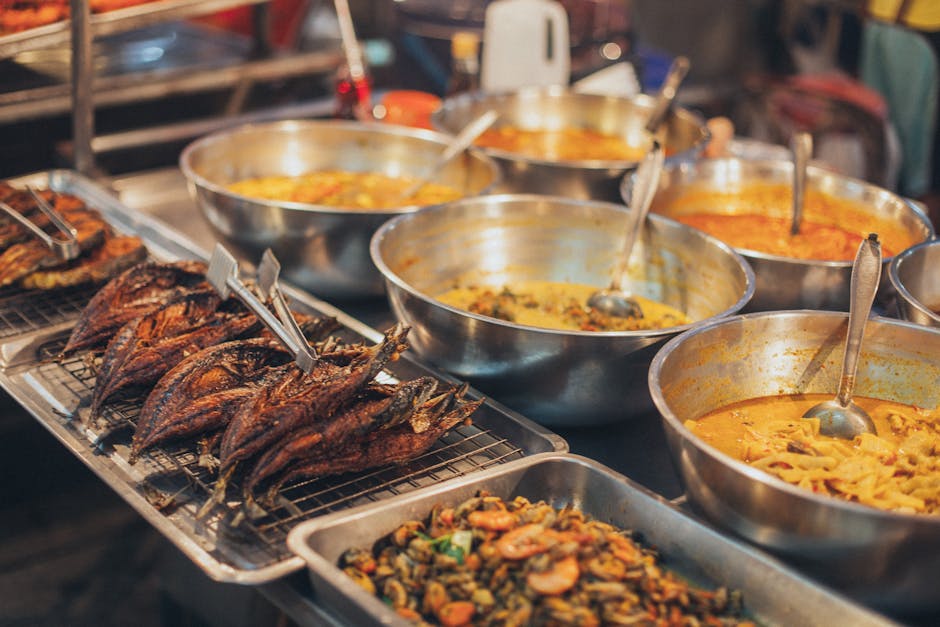
True Neapolitan pizza, with its soft, chewy crust and minimal toppings, is protected by UNESCO. Visit Naples for a Margherita made with San Marzano tomatoes and buffalo mozzarella. In Milan, risotto alla Milanese features saffron-infused rice, giving it a golden hue and floral aroma.
Takeaway: Avoid “Italian” restaurants abroad that serve pineapple on pizza—this is not traditional.
France: Croissants and Coq au Vin
A perfect croissant should be flaky, buttery, and slightly crisp. Head to Parisian boulangeries like Du Pain et des Idées early in the morning. Coq au vin, chicken braised in red wine with mushrooms and bacon, is a rustic French classic best enjoyed in Burgundy.
Tip: Say “bonjour” before ordering—politeness goes a long way in French eateries.
Spain: Paella and Tapas
Paella Valenciana, the original version, includes rabbit, chicken, and green beans—not seafood. Seafood paella is a coastal adaptation. In cities like Barcelona and Seville, tapas allow you to sample multiple dishes. Patatas bravas, jamón ibérico, and gambas al ajillo are essentials.
Warning: Eating dinner before 9 p.m. is unusual—locals often dine late.
Africa: Hearty Stews and Ancient Grains
African cuisine is deeply rooted in community and seasonal harvests. Dishes often feature grains like millet and teff, along with bold spice blends.
Ethiopia: Injera and Doro Wat
Injera, a spongy sourdough flatbread made from teff flour, serves as both plate and utensil. Doro wat, a spicy chicken stew simmered with berbere spice, is Ethiopia’s national dish. Meals are traditionally shared from a single platter, eaten with hands.
Note: Right hand only—left is considered unclean in many cultures.
Morocco: Tagine and Couscous
Tagine refers to both the conical clay pot and the slow-cooked stew inside—often lamb with prunes or chicken with olives. Couscous, steamed semolina grains topped with vegetables and meat, is typically served on Fridays.
Takeaway: Accept mint tea when offered—it’s a gesture of hospitality.
North America: Fusion and Comfort
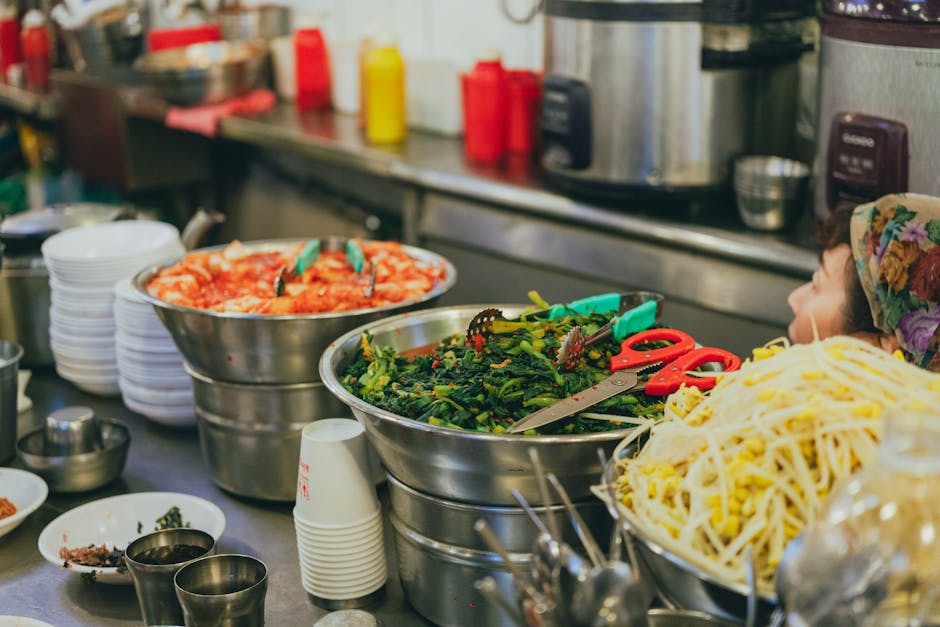
North American food reflects its immigrant roots, blending traditions into bold, comforting dishes.
United States: BBQ and Clam Chowder
Barbecue styles vary by region: smoky brisket in Texas, vinegar-based pulled pork in the Carolinas, and dry-rub ribs in Memphis. In New England, clam chowder—creamy and rich—is a coastal classic, best enjoyed in Boston or Portland.
Tip: At BBQ joints, arrive early—popular spots often sell out by afternoon.
Mexico: Tacos al Pastor and Mole Poblano
Tacos al pastor, influenced by Lebanese immigrants, feature marinated pork cooked on a vertical spit. Top with pineapple, onions, and cilantro. Mole poblano, a complex sauce with chocolate and chili, is a ceremonial dish from Puebla.
Warning: Street tacos are delicious but choose stalls with high turnover for freshness.
South America: Fire, Flavor, and Fermentation
South American cuisine celebrates bold flavors, grilled meats, and indigenous ingredients like quinoa and aji peppers.
Peru: Ceviche and Lomo Saltado
Ceviche, raw fish “cooked” in citrus juice, is Peru’s pride. Served with sweet potato and corn, it’s best eaten at coastal restaurants in Lima. Lomo saltado, a stir-fry of beef, tomatoes, and fries, reflects Chinese-Peruvian fusion.
Takeaway: Ask for “sin ají” if you prefer less spice.
Argentina: Asado and Empanadas
Asado, a traditional barbecue, centers on slow-grilled meats like chorizo and ribeye. Empanadas—stuffed pastries—vary by region: beef in the Pampas, chicken in the north. Pair with malbec wine for the full experience.
Note: Dinner starts after 9 p.m., and meals can last hours.
Oceania: Fresh Seafood and Indigenous Ingredients
With vast coastlines and unique native flora, Oceania offers fresh, innovative dishes.
Australia: Meat Pies and Pavlova
Meat pies, filled with minced beef and gravy, are a national comfort food—grab one at a local pub. Pavlova, a meringue-based dessert with fruit, is claimed by both Australia and New Zealand.
Tip: Try Vegemite on toast—but spread it thinly.
New Zealand: Hāngī and Green-Lipped Mussels
Hāngī, a traditional Māori method of cooking food in an earth oven, produces tender, smoky meats and vegetables. Green-lipped mussels, native to NZ waters, are sweet and briny—best steamed with white wine.
Takeaway: Respect cultural practices when visiting marae (Māori meeting grounds).
How to Eat Like a Local: Practical Tips
Eating authentically requires more than ordering off a menu. Start by observing where locals eat—avoid tourist traps near major attractions. Learn a few food-related phrases in the local language. In Japan, say “itadakimasu” before eating; in France, “bon appétit.”
Use apps like Google Translate’s camera feature to read menus. Carry cash—many small eateries don’t accept cards. And don’t be afraid to point—smiling and gesturing often bridges language gaps.
Safety and Dietary Considerations
Street food can be safe and delicious, but choose vendors with high turnover and visible cleanliness. Drink bottled or filtered water in regions with questionable tap quality. If you have allergies, carry a translation card explaining your restrictions.
Vegetarians may find limited options in meat-centric cultures like Argentina or Mongolia. Research ahead and learn key phrases like “I don’t eat meat” in the local language.
Final Thoughts on Culinary Exploration
A food travel guide is more than a list of dishes—it’s an invitation to connect. Every bite offers a window into a culture’s soul. Whether you’re biting into a flaky croissant in Paris or sharing injera in Addis Ababa, these moments become the heart of your journey.
Pack your curiosity, leave room in your suitcase for spices, and let flavor lead the way.
FAQ
What’s the best way to find authentic local food while traveling?
Look for busy restaurants and street stalls where locals eat. Avoid places with menus in multiple languages or pictures of food. Ask hotel staff or use apps like TripAdvisor filtered by local reviews.
Is it safe to eat street food in foreign countries?
Generally yes, if the vendor is busy and food is cooked fresh. Avoid raw vegetables, unpeeled fruits, and tap water. Choose stalls with high turnover and visible hygiene practices.
How can I respect local food customs when traveling?
Learn basic dining etiquette, such as using the right hand in India or not sticking chopsticks upright in rice in Japan. Accept offered food graciously, and avoid wasting meals.