Best Culinary Travel Experiences for Food Bloggers
For food bloggers, travel isn’t just about sightseeing—it’s about tasting, learning, and sharing authentic flavors from around the world. The best culinary travel experiences combine hands-on cooking classes, market tours, and meals with local chefs to create rich, immersive content. Whether you’re documenting street food in Bangkok or learning pasta-making in Bologna, these journeys offer storytelling gold. This guide highlights top destinations, practical tips, and unique opportunities that elevate both your palate and your blog.
Why Culinary Travel Matters for Food Bloggers
Food is culture on a plate. When you travel with a culinary focus, you gain access to traditions, techniques, and ingredients that can’t be replicated at home. These experiences deepen your understanding of global cuisines and provide compelling material for your audience.
Unlike generic travel content, food-focused trips allow you to build authority. Readers trust bloggers who’ve stood in a Kyoto kitchen grinding wasabi root or sampled mole in Oaxaca under the guidance of a third-generation cook. Authenticity comes from presence—being there, doing it, and documenting the process.
Building Credibility Through Experience
Your audience follows you for expertise. A photo of you kneading dough in a Tuscan farmhouse carries more weight than a stock image of pasta. Real experiences translate into real trust.
When you participate in local food rituals—like joining a morning fish auction in Tokyo or foraging for wild herbs in the French Alps—you’re not just collecting content. You’re earning the right to speak about those cuisines with authority.
Creating Shareable, Engaging Content
Culinary travel naturally lends itself to multimedia storytelling. Short videos of sizzling woks, close-ups of spice blends, or audio clips of market vendors create dynamic posts that perform well across platforms.
Recipes tested in their country of origin often yield better results and more accurate stories. A blog post about making authentic pad thai is far more engaging when it includes footage from a Bangkok street stall where it’s served daily.
Top Destinations for Culinary Travel
Not all food destinations are created equal. Some cities offer structured programs for food professionals, while others reward curiosity and spontaneity. Below are standout locations known for their rich food cultures and blogger-friendly opportunities.
Tokyo, Japan: Precision and Tradition
Tokyo is a paradise for food bloggers who appreciate craftsmanship. From sushi apprenticeships to ramen workshops, the city offers structured learning experiences led by masters.
Visit Tsukiji Outer Market early in the morning to document the bustle of tuna auctions and sample fresh uni. Book a private kaiseki dinner with a chef who can explain the philosophy behind each course. These moments provide depth beyond typical restaurant reviews.
Oaxaca, Mexico: Heart of Mole and Mezcal
Oaxaca is Mexico’s culinary capital, famous for its seven varieties of mole, hand-ground corn tortillas, and smoky mezcal. It’s a region where food is deeply tied to identity and ritual.
Join a cooking class in a local home, where abuelas teach how to toast chiles and grind spices on a metate. Visit a mezcal distillery in the hills to learn about agave varieties and sustainable production. These experiences offer rich narrative potential.
Lyon, France: The Gastronomic Capital
Known as the food capital of France, Lyon offers a blend of haute cuisine and bouchon traditions. It’s ideal for bloggers interested in technique and history.
Take a class at Institut Paul Bocuse, where professional chefs teach classic French methods. Explore Les Halles de Lyon Paul Bocuse market to photograph artisanal cheeses, charcuterie, and seasonal produce. The city’s focus on quality and tradition makes it a strong backdrop for educational content.
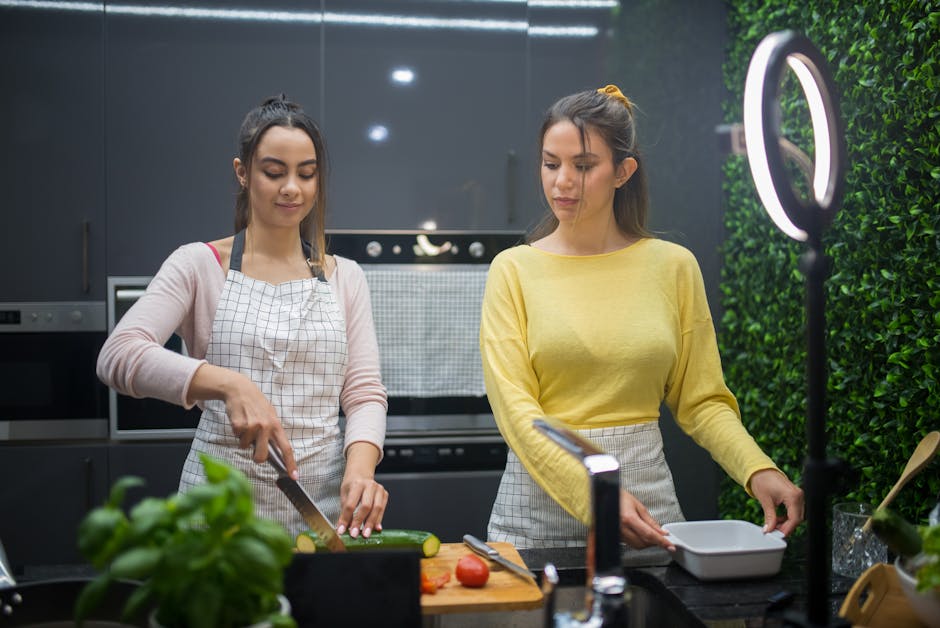
Bangkok, Thailand: Street Food and Spice
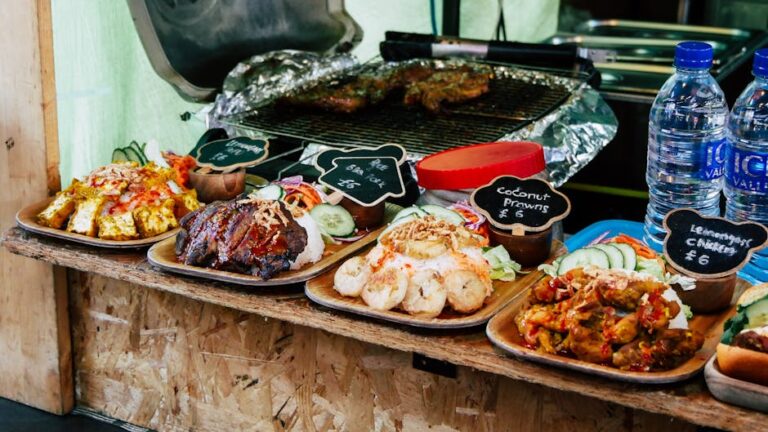
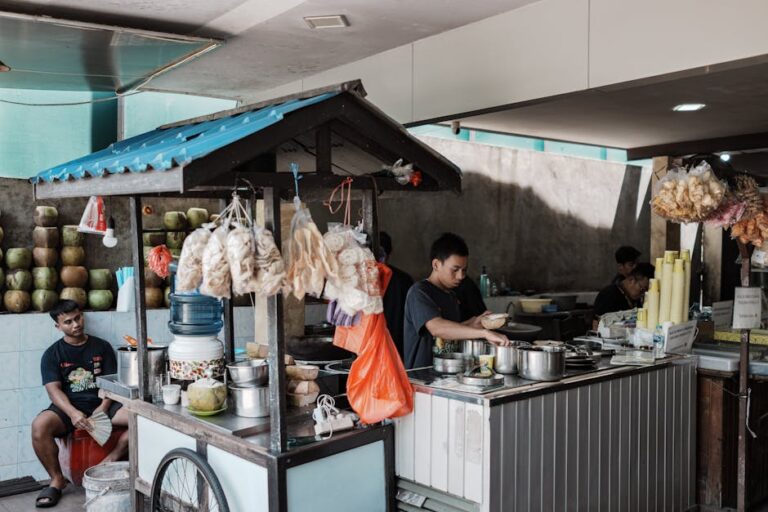
Bangkok’s street food scene is legendary. For bloggers, it’s a chance to document vibrant, fast-paced culinary culture that’s both accessible and deeply flavorful.
Book a guided street food tour with a local food expert who can explain the balance of sweet, sour, salty, and spicy. Try a Thai cooking school that includes a market tour—this shows your audience how ingredients are selected and used.
Warning: Be mindful of hygiene. Stick to busy stalls where food is cooked fresh and served hot. Avoid raw dishes if you’re unsure of water quality.
Florence, Italy: Simplicity and Seasonality
Florence embodies Italian cooking at its core: fresh ingredients, minimal interference, and respect for tradition. It’s perfect for bloggers who value authenticity over spectacle.
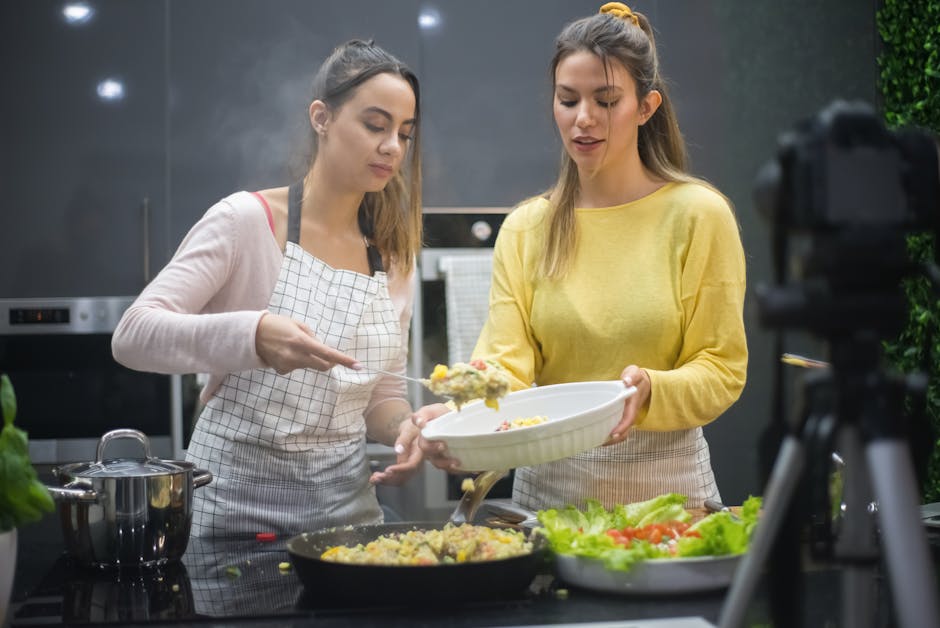
Take a pasta-making class in a Tuscan villa, using eggs from local hens and flour milled that morning. Visit a Chianti vineyard to pair wine with pecorino and prosciutto. These experiences highlight the connection between land and plate.
How to Plan a Culinary-Focused Trip
Successful culinary travel requires more than a plane ticket. It demands research, timing, and the right mindset. Use these steps to design a trip that delivers both content and personal growth.
1. Define Your Content Goals
Before booking flights, ask: What story do I want to tell? Are you focusing on street food, fine dining, or home cooking? Your goal shapes your itinerary.
For example, if your blog emphasizes budget travel, prioritize markets and street eats. If you’re building a luxury brand, seek out Michelin-starred experiences and private tastings.
2. Research Local Food Events
Align your trip with food festivals, harvest seasons, or cultural celebrations. These events offer concentrated access to unique dishes and traditions.
In Spain, visit during La Tomatina or the San Fermín festival to document regional specialties. In Japan, time your trip with cherry blossom season to feature sakura-themed sweets and bento boxes.
3. Connect with Local Experts
Reach out to chefs, food tour guides, or cooking schools in advance. Many offer private sessions for bloggers or media professionals.
Send a brief email introducing your blog, audience size, and what you hope to learn. Most locals appreciate the interest and are happy to share their knowledge—especially if you credit them properly in your content.
4. Pack Smart for Food Documentation
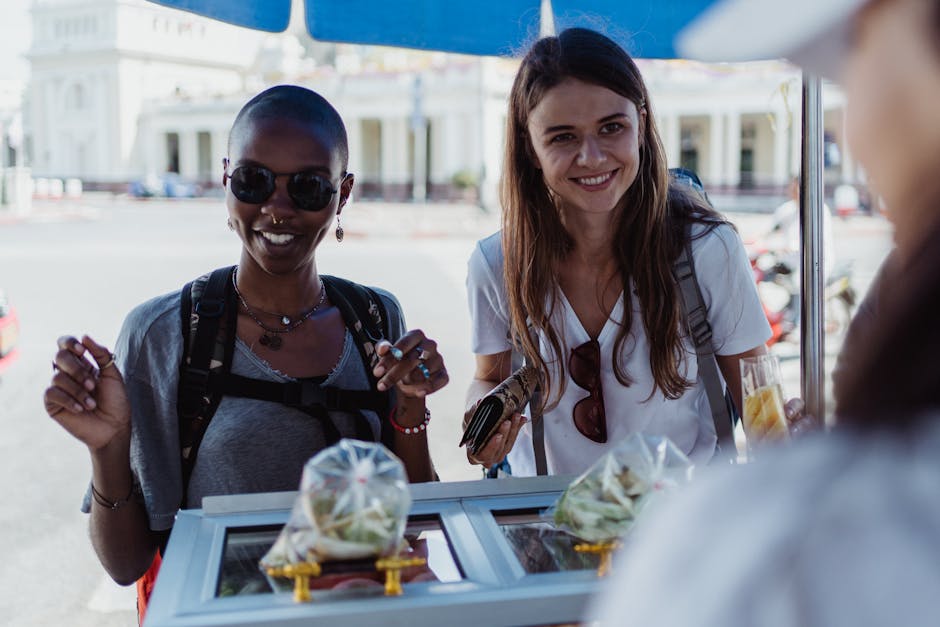
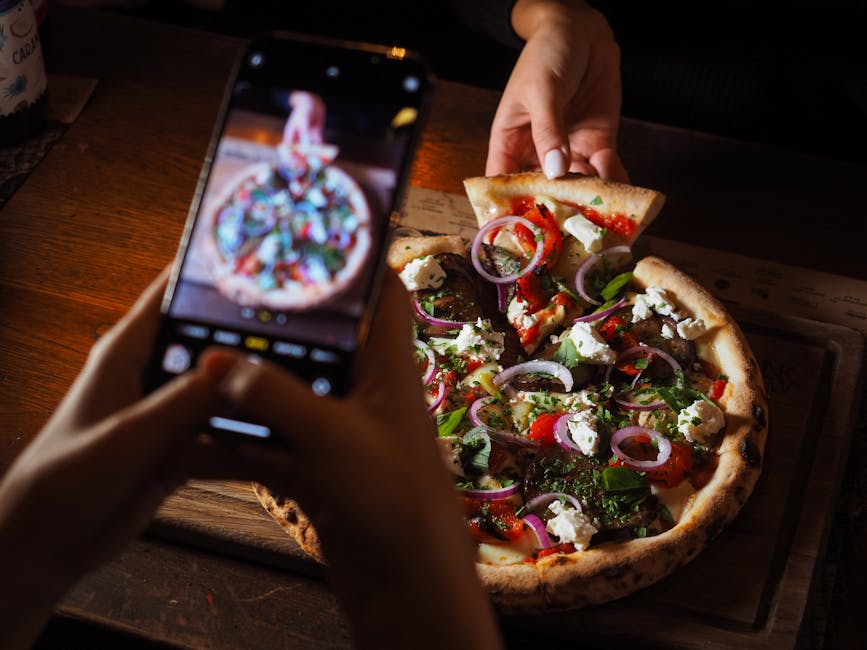
Bring a compact camera or smartphone with good low-light performance. A small tripod helps with stable shots in dimly lit kitchens or markets.
Carry a notebook to jot down recipes, observations, and quotes. These details add authenticity to your posts later. Avoid overpacking—focus on gear that supports your storytelling.
Maximizing Content from Your Trip
A great trip is only half the work. The real value comes from how you translate experiences into engaging, SEO-friendly content.
Turn Experiences into Series
Instead of one long post, break your journey into a series. For example: “A Week in Oaxaca” could include posts on mole, mezcal, market tours, and a recipe tutorial.
Series keep readers engaged and improve SEO by targeting multiple related keywords. Each post can link to the others, boosting internal traffic.
Use Video and Audio
Short videos perform well on Instagram Reels, TikTok, and YouTube Shorts. Film quick clips of cooking techniques, vendor interactions, or your reactions to new flavors.
Podcast-style audio from markets or kitchens adds texture. A 30-second clip of sizzling tempura or a chef explaining a dish can be embedded in blog posts for richer engagement.
Include Practical Takeaways
Readers love actionable content. After a cooking class, share a simplified recipe they can try at home. After a market tour, list five ingredients to look for and how to use them.
For example: “How to Make Oaxacan Mole at Home (Without Flying to Mexico)” combines storytelling with utility—a winning formula for traffic and shares.
Ethical Considerations in Culinary Travel
With great content comes great responsibility. As a food blogger, your influence can impact local communities—positively or negatively.
Respect Local Customs
Always ask before photographing people, especially in markets or homes. In some cultures, taking pictures of food without permission is considered rude.
Learn a few phrases in the local language. Saying “thank you” or “this is delicious” in the native tongue builds rapport and shows respect.
Support Local Economies
Choose family-run restaurants, small farms, and independent guides over large tour companies. Your spending directly supports local livelihoods.
When reviewing a dish or experience, be honest but constructive. Avoid sensationalizing poverty or exoticizing cultures for clicks.
Acknowledge Limitations
You can’t know everything. If you’re not familiar with a cuisine’s history, say so. Invite locals to contribute or fact-check your content.
Transparency builds trust. Admitting you’re learning makes your journey more relatable and authentic.
Common Mistakes to Avoid
Even experienced bloggers can stumble when traveling for food. Here are pitfalls to watch for.
Over-Scheduling
Packing too many activities into one day leads to burnout and shallow content. Allow time to wander, rest, and reflect.
Aim for two to three key experiences per day. Quality beats quantity every time.
Ignoring Dietary Needs
If you have allergies or dietary restrictions, research ahead. Some destinations may not accommodate vegan, gluten-free, or allergy-safe diets easily.
In rural areas, communicate clearly with hosts. Bring safe snacks as backup.
Neglecting Backup Plans
Popular cooking classes or tours may book up months in advance. Have alternatives ready.
If a restaurant is closed, know where to go next. Flexibility keeps your content pipeline flowing.
Final Thoughts
The best culinary travel experiences for food bloggers are those that blend learning, connection, and storytelling. They’re not just about eating well—they’re about understanding the people and places behind the food.
By choosing destinations with rich food cultures, planning with intention, and creating ethical, engaging content, you turn meals into meaningful narratives. These journeys don’t just grow your blog—they deepen your appreciation for the world’s diverse flavors.
FAQ
Q: How do I find authentic cooking classes while traveling?
A: Research local cooking schools, community centers, or homestays in advance. Read reviews on platforms like Airbnb Experiences or Withlocals. Reach out directly to ask about class structure and instructor background.
Q: What’s the best way to document food without disrupting the experience?
A: Use a small camera or phone, and shoot quickly. Focus on the food and process, not elaborate setups. Be respectful—ask permission when needed and avoid blocking pathways in busy kitchens or markets.
Q: Can I monetize culinary travel content effectively?
A: Yes, through affiliate links (e.g., cookbooks, kitchen tools), sponsored posts with tourism boards, or selling digital products like recipe e-books. Always disclose partnerships transparently to maintain trust.