Beach Travel Guide with Tips for Island Hopping Trips
Planning a beach getaway? This beach travel guide offers practical tips for island hopping trips, helping you navigate logistics, pack smart, and make the most of your coastal adventure. Whether you’re exploring the turquoise waters of Southeast Asia, the Mediterranean, or the Caribbean, island hopping combines the best of relaxation and exploration. With the right preparation, you can seamlessly move between destinations, avoid common pitfalls, and enjoy every sunset without stress.
Why Choose Island Hopping for Your Next Beach Vacation
Island hopping lets you experience diverse cultures, landscapes, and marine life in a single trip. Instead of staying in one resort, you can visit multiple islands—each with its own charm. For example, hopping from Santorini to Mykonos in Greece offers dramatic cliffs and vibrant nightlife, while island hopping in Thailand takes you from bustling Phuket to serene Koh Lanta.
These trips are ideal for travelers who want variety without sacrificing beach time. You’ll enjoy different cuisines, snorkeling spots, and local traditions, all within a short ferry or boat ride. Plus, many island chains are well-connected, making transportation manageable even for first-time travelers.
Top Destinations for Island Hopping Beach Trips
The Greek Islands
The Aegean Sea is a classic choice for island hopping. Start in Athens, then take a ferry to Hydra for car-free charm, followed by Paros for its golden beaches and lively towns. End in Santorini for iconic sunsets and volcanic landscapes.
Ferries run frequently between major islands, and high-speed options cut travel time significantly. Book tickets in advance during peak season (June–August) to avoid sold-out routes. Consider a multi-day pass for flexibility.
Thailand’s Andaman Coast
From Phuket, hop to Phi Phi Islands for dramatic limestone cliffs and turquoise bays. Continue to Krabi for rock climbing and Railay Beach, then end in Koh Lipe for powdery sand and coral reefs.
Speedboats and long-tail boats connect most islands. Travel times range from 30 minutes to 3 hours. Be cautious during monsoon season (May–October), when sea conditions can delay departures.
The Philippines: Palawan and Beyond
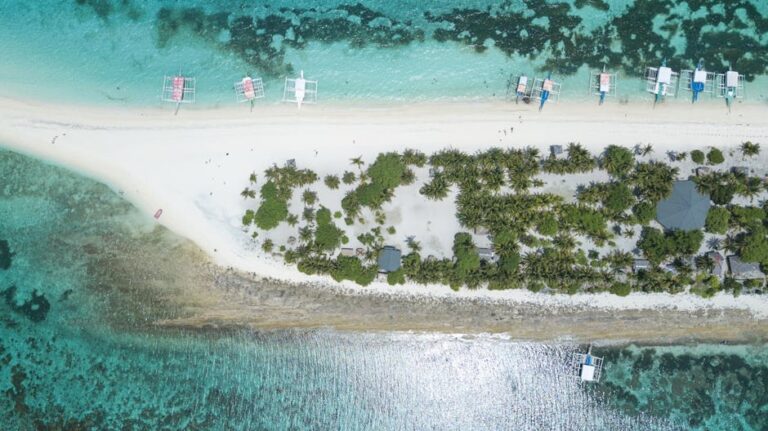
El Nido and Coron in Palawan offer some of the world’s most stunning island scenery. Hop between lagoons, hidden beaches, and WWII shipwrecks. Flights connect Manila to Puerto Princesa, then ferries take you further.
Island hopping tours here often include kayaking, snorkeling, and beach picnics. Opt for eco-friendly operators to minimize environmental impact. Pack reef-safe sunscreen—many areas ban harmful chemicals.
The Maldives
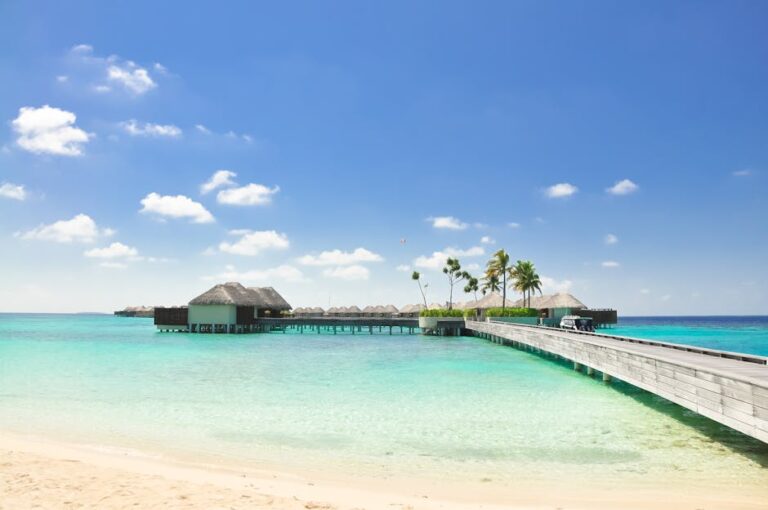
While more expensive, the Maldives offers luxury island hopping via seaplane or speedboat. Stay in local guesthouses on inhabited islands like Maafushi, then transfer to resort islands for overwater bungalows.
Domestic flights from Malé connect to regional hubs. Book transfers through your accommodation for smoother logistics. Note that alcohol is restricted on local islands, so plan accordingly.
How to Plan Your Island Hopping Itinerary
Step 1: Choose Your Region
Start by selecting a geographic area with multiple accessible islands. Research travel times, visa requirements, and seasonal weather. For example, the Caribbean is ideal in winter, while Southeast Asia shines from November to April.
Use travel blogs, forums, and government tourism sites to compare options. Look for regions with reliable ferry networks and English-speaking services if you’re not fluent in the local language.
Step 2: Map Out Your Route
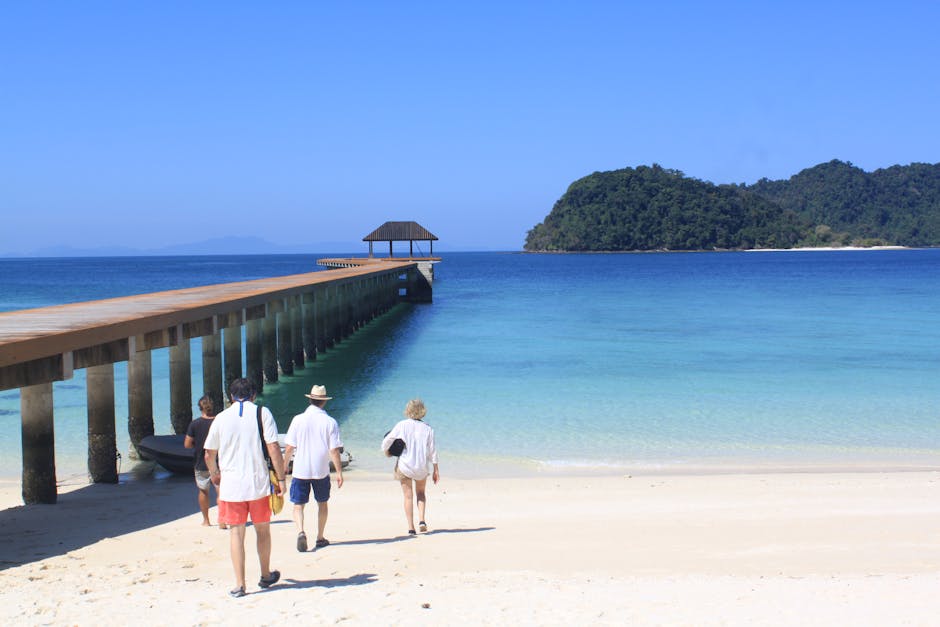
Plan a logical sequence to minimize backtracking. For instance, in Greece, go from Piraeus (Athens) to the Cyclades, then to Crete. In Thailand, move north to south along the Andaman Coast.
Allow at least one full day per island to explore. Rushing between destinations reduces enjoyment. Use tools like Google Maps or Rome2Rio to estimate travel times and costs.
Step 3: Book Accommodations and Transport
Reserve stays in advance, especially during high season. Look for hotels or guesthouses near ferry terminals to simplify arrivals. In remote areas, confirm check-in times—some places close reception after dark.
Book ferry or boat tickets early. Many operators release schedules 1–3 months ahead. Keep digital and printed copies of tickets and reservations. Download offline maps in case of poor signal.
Step 4: Pack Light and Smart
You’ll be moving frequently, so a 30–40L backpack or soft-sided suitcase works best. Include quick-dry clothing, a reusable water bottle, waterproof phone case, and a compact dry bag for boat rides.
Limit shoes to one pair of sandals and one pair of walking shoes. Pack a lightweight towel and reef-safe sunscreen. Bring a power bank—charging spots may be limited on small islands.
Essential Tips for Smooth Island Hopping
Travel Light
Heavy luggage slows you down. Most ferries have limited storage, and you may need to carry bags up stairs or across docks. A rolling suitcase works on paved ports, but backpacks are better for uneven terrain.
Use packing cubes to organize clothes and compress bulk. Leave non-essentials at home—laundry services are widely available on most islands.
Stay Flexible with Schedules
Weather and mechanical issues can delay ferries. Build buffer days into your itinerary. For example, plan to arrive at your final destination a day before a flight home.
Check departure times daily—some operators change schedules without notice. Sign up for SMS alerts if available. Have a backup plan, like a local bus or shared taxi, in case of cancellations.
Respect Local Customs and Environment
Dress modestly when visiting villages or religious sites, especially in conservative regions. In Indonesia and parts of the Philippines, cover shoulders and knees.
Avoid touching coral or feeding fish while snorkeling. Use reef-safe sunscreen to protect marine ecosystems. Carry a reusable bag to reduce plastic waste.
Stay Safe on the Water
Always wear a life jacket on small boats, even if you’re a strong swimmer. Check that vessels are licensed and have safety equipment. Avoid night travel on ferries unless it’s a reputable, well-lit service.
Keep copies of your passport, insurance, and emergency contacts. Share your itinerary with someone at home. Know the local emergency number—many islands use 112 or 911.
Best Time to Go Island Hopping
Timing affects weather, prices, and crowds. In the Mediterranean, May–June and September–October offer warm weather and fewer tourists. Peak summer (July–August) is busy and hot.
In Southeast Asia, the dry season (November–April) is ideal. Avoid monsoon months when storms can cancel ferries. In the Caribbean, December–April is peak season—book early and expect higher prices.
Shoulder seasons often provide the best balance of good weather and affordability. Research regional festivals—some enhance the experience, while others may limit access to sites.
Budgeting for Your Island Hopping Trip
Transportation Costs
Ferries are usually the cheapest option, ranging from $10–$50 per leg depending on distance and speed. High-speed catamarans cost more but save time. In Greece, a 5-day island pass starts around $120.
Flights between distant islands (e.g., Manila to Palawan) can cost $50–$150. Seaplanes in the Maldives are premium—expect $200–$400 per transfer. Book early for discounts.
Accommodation and Food
Guesthouses and hostels cost $20–$50 per night on most islands. Resorts range from $100–$500+. In Thailand and the Philippines, street food is delicious and cheap ($2–$5 per meal).
In Europe, meals cost more—budget $15–$30 for a casual dinner. Cook your own meals if your accommodation has a kitchen. Tap water isn’t always safe—buy bottled or use a filter.
Activities and Extras
Snorkeling gear rentals cost $5–$10 per day. Guided island hopping tours range from $30–$100, often including lunch and equipment. Free activities include hiking, swimming, and beachcombing.
Set aside $10–$20 per day for souvenirs, tips, and unexpected expenses. Use local ATMs to withdraw cash—many small islands don’t accept credit cards.
What to Pack for Island Hopping
Clothing
Pack light, breathable fabrics like cotton and linen. Include swimwear, cover-ups, and a light jacket for cooler evenings. A wide-brimmed hat and UV-blocking sunglasses protect from sun exposure.
Quick-dry towels and sarongs double as beach blankets or picnic mats. Avoid denim—it takes too long to dry after a swim.
Gear and Gadgets
A waterproof phone case is essential for boat rides and snorkeling. Bring a power bank and universal adapter. Noise-canceling headphones help on long ferry rides.
A compact first-aid kit with bandages, antiseptic, and motion sickness pills is wise. Include a small flashlight or headlamp for nighttime walks.
Documents and Money
Carry photocopies of your passport, visa, and travel insurance. Store digital copies in cloud storage. Use a money belt or hidden pouch for cash and cards.
Notify your bank of travel plans to avoid card blocks. Withdraw local currency at airports or banks for better rates than exchange kiosks.
Common Mistakes to Avoid
Overpacking is a frequent error. You’ll regret lugging a heavy suitcase across cobblestone streets or up narrow staircases. Stick to essentials.
Another mistake is underestimating travel time. Ferries may take longer than expected due to weather or delays. Always arrive at the port 30–60 minutes early.
Don’t skip travel insurance. Medical care on remote islands can be limited and expensive. Choose a plan that covers boat travel and emergency evacuation.
Avoid booking back-to-back ferries without buffer time. If one leg is delayed, you could miss your next connection. Plan for at least a few hours between arrivals and departures.
Eco-Friendly Island Hopping Practices
Choose operators that follow sustainable practices. Look for certifications like EarthCheck or Green Fins. Support local businesses—eat at family-run restaurants and buy handmade souvenirs.
Minimize plastic use. Carry a reusable water bottle with a filter. Say no to single-use straws and bags. Dispose of trash properly—many islands have limited waste management.
Respect wildlife. Don’t chase dolphins or touch sea turtles. Stay on marked trails to protect fragile ecosystems. Your choices help preserve these destinations for future travelers.
Final Thoughts on Island Hopping Beach Trips
Island hopping combines adventure, relaxation, and cultural discovery in a way few other trips can match. With thoughtful planning, you can enjoy seamless travel between stunning beaches, vibrant towns, and hidden coves.
Use this beach travel guide as your foundation, but stay open to spontaneity. Some of the best moments happen when you follow a local’s recommendation or stumble upon a quiet beach at sunset.
Whether you’re exploring the Mediterranean, Southeast Asia, or the Caribbean, island hopping offers unforgettable experiences. Pack wisely, travel respectfully, and embrace the rhythm of island life.
FAQ
How many islands should I visit on an island hopping trip?
Aim for 3–5 islands over 7–10 days. This allows enough time to explore without feeling rushed. More islands mean more travel time and less relaxation.
Is island hopping safe for solo travelers?
Yes, especially in well-touristed areas like Greece, Thailand, and the Caribbean. Stay in reputable accommodations, avoid isolated areas at night, and keep someone informed of your plans.
Do I need to speak the local language to island hop?
Not necessarily. English is widely spoken in tourist areas. Learn a few basic phrases (hello, thank you, where is the ferry?) to show respect and ease communication.