Best Food Travel Places for Street Food Lovers Worldwide
For travelers who live for bold flavors and local bites, street food is more than a meal—it’s a cultural experience. The best food travel places for street food lovers offer authentic dishes made fresh, often passed down through generations. From bustling night markets to roadside stalls, these destinations deliver unforgettable tastes at affordable prices. Whether you’re chasing spicy noodles, savory dumplings, or sweet treats, the world’s top street food cities promise adventure on every corner.
Why Street Food Defines Culinary Travel
Street food captures the soul of a destination in a way restaurants rarely can. It reflects local ingredients, traditions, and daily life. Unlike fine dining, street food is accessible, spontaneous, and deeply rooted in community.
Eating from a vendor means tasting what locals actually eat—not tourist-friendly versions. It’s fast, flavorful, and often cooked right in front of you. For food travelers, this authenticity is priceless.
Top Street Food Destinations Around the Globe
Bangkok, Thailand
Bangkok is the undisputed king of street food. With over 50,000 vendors across the city, it’s a paradise for adventurous eaters. The air hums with sizzling woks, grilling meats, and the scent of lemongrass and chili.
Must-try dishes include pad thai, som tam (papaya salad), and mango sticky rice. Visit Yaowarat (Chinatown) at night for the full experience—lanterns glow, crowds gather, and the food never stops.
Tip: Stick to busy stalls. High turnover means fresher ingredients and lower risk of foodborne illness.
Mexico City, Mexico
Mexico City’s street food scene is vibrant, diverse, and deeply traditional. Tacos al pastor—spit-grilled pork with pineapple—are a local favorite. They’re served on small corn tortillas with onions, cilantro, and salsa.
Don’t miss elote (grilled corn with mayo, cheese, and chili) or tlacoyos (oval-shaped masa snacks filled with beans or cheese). Markets like Mercado de San Juan and Mercado Roma offer safe, clean options with high-quality ingredients.
Warning: Avoid raw vegetables and untreated water. Stick to cooked foods and bottled drinks to stay healthy.
Hanoi, Vietnam
Hanoi’s street food is a masterclass in balance—sweet, sour, salty, and spicy in one bite. The city is famous for pho, bún chả (grilled pork with noodles), and bánh mì sandwiches.
Most vendors operate from tiny sidewalk setups, using the same recipes for decades. A bowl of pho at a corner stall often costs less than $2.
Look for stalls where locals line up. If it’s popular with residents, it’s likely delicious and safe.
Marrakech, Morocco
Jemaa el-Fnaa square transforms at sunset into a street food spectacle. Vendors grill skewers of lamb, serve steaming bowls of harira soup, and flip msemen (flaky pancakes) on griddles.
Try snail soup for a bold local experience, or stick to safer options like grilled chicken or vegetable tagines. Drink freshly squeezed orange juice—it’s abundant and refreshing.
Caution: Eat only food that’s been cooked thoroughly and served hot. Avoid unpeeled fruits.
Taipei, Taiwan
Taipei’s night markets are legendary. Shilin Night Market and Raohe Street Night Market are must-visits. You’ll find stinky tofu, oyster omelets, and bubble tea at every turn.
Xiaolongbao (soup dumplings) from roadside steamers are a highlight. Watch them being made—dough wrapped around broth and pork, then steamed to perfection.
Most vendors use gloves and clean utensils. Still, choose stalls with visible hygiene practices.
Istanbul, Turkey
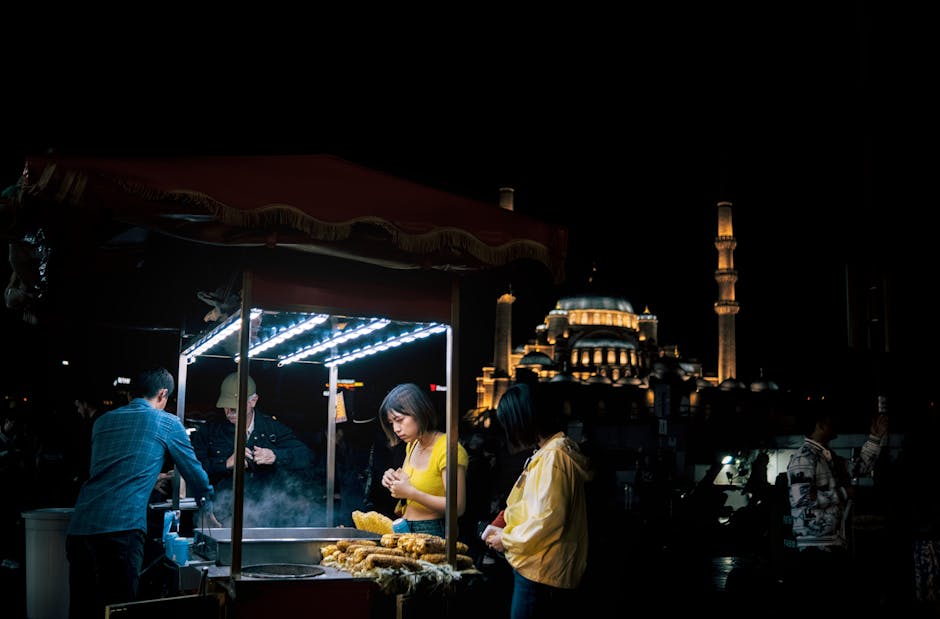
Istanbul blends European and Asian flavors in its street food. Simit (sesame-crusted bread rings), döner kebab, and balık ekmek (fish sandwiches) are staples.
The Eminönü district along the Bosphorus is ideal for seafood snacks. Grab a fish sandwich from a boat vendor and eat it with a view of the water.
Drink ayran (yogurt drink) to cool down spicy dishes. Avoid tap water; stick to bottled beverages.
Seoul, South Korea
Seoul’s street food is bold, spicy, and deeply satisfying. Tteokbokki (spicy rice cakes), hotteok (sweet pancakes), and kimbap (seaweed rice rolls) are popular.
Myeongdong and Gwangjang Market are top spots. Vendors often offer free samples—don’t be shy to try before you buy.
Many dishes contain gochujang (fermented chili paste), which can be intense for first-timers. Start mild and work your way up.
New Delhi, India
Delhi’s street food is a riot of spices and textures. Chaat (crispy snacks with yogurt and chutney), parathas, and golgappas (puffed balls filled with spicy water) are iconic.
Visit Paranthe Wali Gali for stuffed flatbreads or Bengali Sweet House for jalebi (syrup-soaked spirals). Most vendors cook to order, reducing contamination risk.
Stick to busy, reputable stalls. Avoid dairy-based items that sit out in the heat.
How to Eat Street Food Safely
Enjoying street food doesn’t have to mean risking illness. With a few smart choices, you can eat confidently almost anywhere.
Choose High-Traffic Stalls
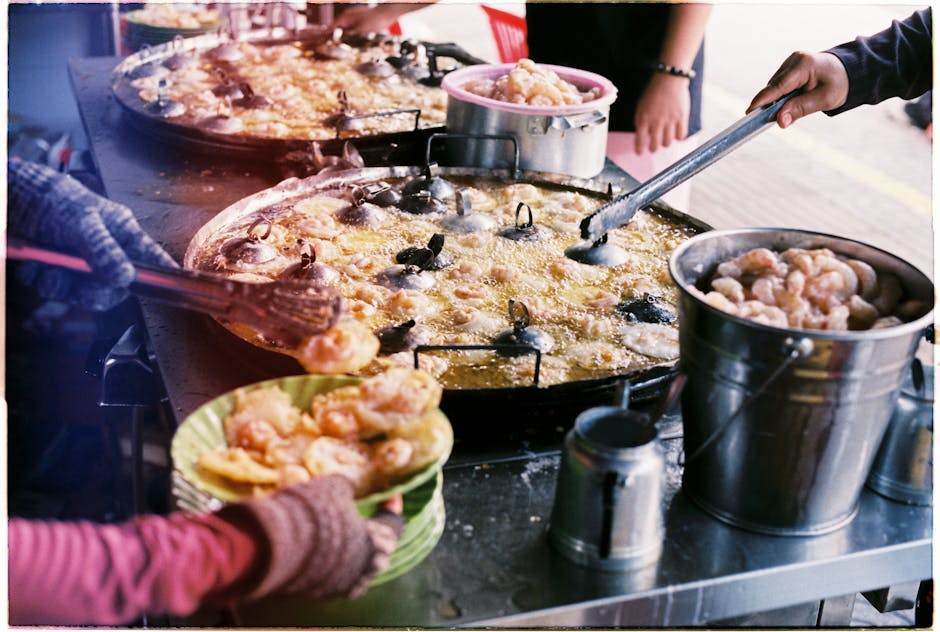
Popularity is a good sign. Stalls with long lines usually have fresh ingredients and quick turnover. Avoid places that look empty or have food sitting out for hours.
Eat Cooked, Hot Food
Heat kills bacteria. Opt for dishes served piping hot—grilled meats, steamed buns, or fried snacks. Avoid raw salads, unpeeled fruit, or pre-cut vegetables.
Watch the Cooking Process
If you can see your food being prepared, you’re more likely to get a fresh, safe meal. Open flames, clean utensils, and gloves are positive signs.
Stay Hydrated—Safely
Drink bottled or boiled water. Avoid ice unless you’re sure it’s made from purified water. Stick to sealed beverages or hot drinks like tea.
Know Your Limits
Spicy, oily, or unfamiliar foods can upset your stomach. Start with small portions. Carry antacids or probiotics as a precaution.
What Makes a City Great for Street Food?
Not all cities are created equal when it comes to street food. The best destinations share key traits: strong local food culture, affordable prices, and a variety of vendors.
Look for places where food is central to daily life. Night markets, food alleys, and weekend bazaars are good indicators. Cities with long culinary traditions—like Bangkok or Mexico City—tend to have more authentic offerings.
Hygiene standards vary, but high foot traffic and local patronage often compensate. When in doubt, follow the crowd.
Planning Your Street Food Adventure
A successful food trip starts with research. Read local food blogs, check travel forums, and ask hotel staff for recommendations.
Download apps like Google Maps or HappyCow to find top-rated street food spots. Look for recent reviews with photos—they’re more reliable than outdated guides.
Pack light. You’ll want room in your stomach (and suitcase) for snacks and souvenirs. Bring hand sanitizer, tissues, and a reusable water bottle.
Go hungry, but not starving. Eat small bites throughout the day to sample more without overeating.
Street Food Etiquette Around the World
Every culture has unwritten rules. In Thailand, don’t point your feet at food or people. In Morocco, eat with your right hand—it’s considered polite.
In India, avoid touching food with your left hand. In Vietnam, slurping noodles is acceptable—even encouraged. Observe locals and follow their lead.
Always thank vendors, even if you don’t speak the language. A smile and a nod go a long way.
Street Food and Sustainability
Street food can be eco-friendly. Vendors often use local ingredients, minimal packaging, and reusable bowls. In many places, you’ll see biodegradable plates made from leaves.
Support vendors who avoid single-use plastics. Bring your own container or utensils when possible. Avoid stalls that overpackage food in plastic.
Eating street food also supports small businesses and preserves culinary traditions. It’s a win for travelers and communities alike.
Final Thoughts
The best food travel places for street food lovers offer more than just great meals—they offer connection. Sharing a plate of dumplings with strangers, learning a recipe from a vendor, or discovering a flavor you’ve never tasted before creates lasting memories.
With a little caution and curiosity, street food can be the highlight of any trip. Whether you’re in Bangkok, Mexico City, or Taipei, let your taste buds lead the way.
FAQ
Is street food safe to eat while traveling?
Yes, street food is generally safe if you choose wisely. Eat at busy stalls, opt for cooked and hot dishes, and avoid raw ingredients. Following local eating habits reduces risk.
What should I do if I get sick from street food?
Stay hydrated, rest, and avoid solid food for a few hours. Use oral rehydration solutions if available. Seek medical help if symptoms persist or worsen.
How can I find the best street food spots in a new city?
Ask locals, check recent travel reviews, and visit popular markets or food districts. Look for places crowded with residents—not just tourists.