Best Nature Travel Experiences for Families and Couples
Planning a nature getaway that works for both families and couples can be tricky. You want adventure, relaxation, and connection—without sacrificing comfort or safety. The best nature travel experiences for families and couples balance accessibility, scenic beauty, and meaningful activities. Whether you’re hiking through ancient forests, kayaking on calm lakes, or stargazing under wide-open skies, these trips offer shared moments that last. This guide highlights top destinations and practical tips to help you choose the right outdoor escape, whether you’re traveling with kids or your partner.
Why Nature Travel Works for Families and Couples
Nature travel strengthens relationships. Away from screens and daily routines, families and couples reconnect through shared discovery. Outdoor settings naturally encourage conversation, teamwork, and presence.
For families, nature builds resilience and curiosity in children. Simple activities like identifying birds or collecting leaves become learning adventures. Couples often find that quiet trails or secluded campsites foster deeper intimacy.
Both groups benefit from reduced stress and improved mood. Studies show time in nature lowers cortisol levels and boosts mental clarity. The key is choosing destinations that match your group’s pace and interests.
Top Nature Destinations for Families
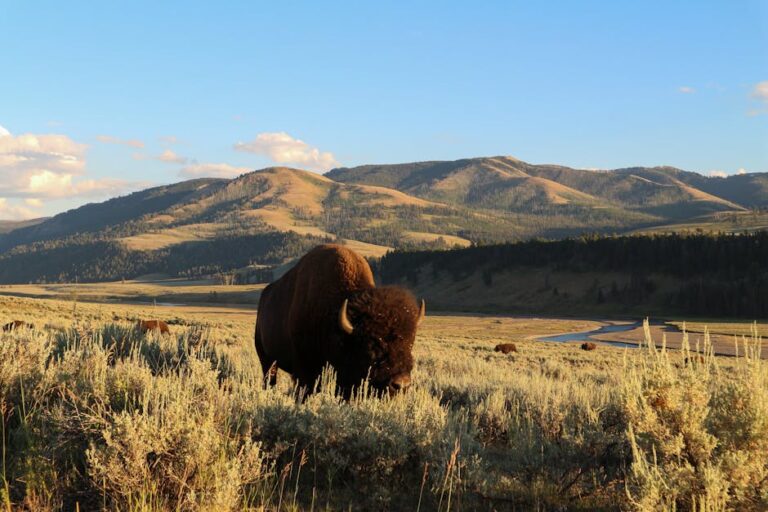
Yellowstone National Park, USA
Yellowstone offers geysers, wildlife, and easy boardwalk trails perfect for young explorers. Kids love watching Old Faithful erupt, while parents appreciate well-marked paths and visitor centers with educational exhibits.
Stay at family-friendly lodges like Canyon Lodge or book a cabin near West Yellowstone. Pack binoculars for spotting bison, elk, and maybe even a bear from a safe distance. Avoid backcountry hikes with toddlers—stick to maintained trails.
Banff National Park, Canada
With turquoise lakes and snow-capped peaks, Banff delivers postcard-worthy scenery. Canoeing on Lake Louise or walking the Johnston Canyon trail are gentle enough for kids but still thrilling.
The town of Banff has playgrounds, ice cream shops, and short interpretive walks. Rent bikes for the Legacy Trail—a paved path safe for little riders. Book accommodations early, especially in summer.
Great Smoky Mountains, USA
As America’s most visited national park, the Smokies blend accessibility with biodiversity. Cades Cove offers a scenic loop road where deer and black bears are often seen grazing at dawn.
Families enjoy short hikes to waterfalls like Laurel Falls or Abrams Falls. Cabins with kitchens allow for relaxed meals, reducing stress. Be prepared for rain—pack layers and waterproof gear.
Romantic Nature Escapes for Couples
Torres del Paine, Chile
This Patagonian gem features dramatic granite towers, glacial lakes, and wide-open skies. The W Trek is a 5-day hike that rewards couples with solitude and jaw-dropping views.
For a softer adventure, stay at an eco-lodge near Laguna Amarga and take day hikes to Grey Glacier or the base of the towers. Nights are crisp—bring warm sleeping bags and enjoy fireside wine under the stars.
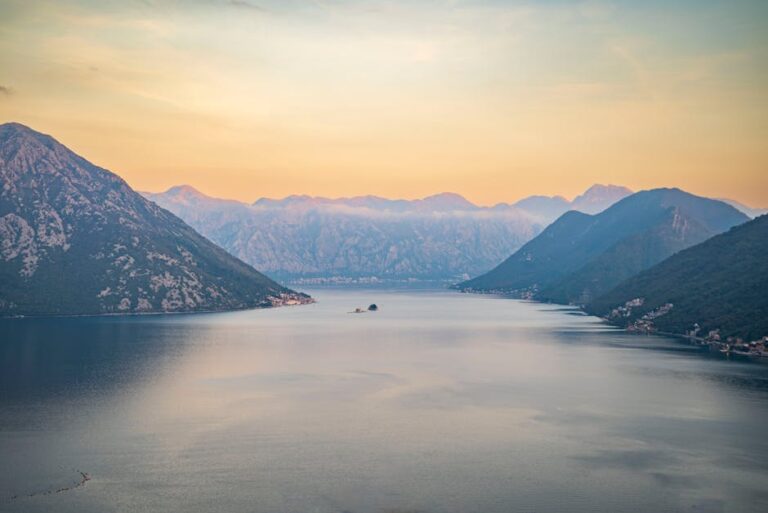
Lofoten Islands, Norway
Fishing villages cling to dramatic fjords beneath jagged peaks. Couples can rent a cabin with a sea view, hike to Reinebringen for panoramic photos, or kayak among silent coves.
Summer offers midnight sun; winter brings northern lights. Avoid peak July crowds by visiting in June or September. Local seafood—especially cod—is a must-try.
Big Sur, California, USA
Cliffs meet the Pacific along Highway 1, creating a rugged, romantic coastline. Couples love staying at cliffside inns like Post Ranch Inn or glamping at Treebones Resort.
Walk hand-in-hand through redwood groves at Julia Pfeiffer Burns State Park or watch whales from McWay Falls overlook. Bring a picnic—cell service is spotty, so unplugging is easy.
Adventure Activities That Work for Both Groups
Guided Wildlife Safaris
Safaris in places like Kenya’s Maasai Mara or Costa Rica’s Corcovado National Park offer excitement without extreme exertion. Families gain educational value; couples enjoy intimate wildlife encounters.
Choose operators with small group sizes and knowledgeable guides. Early morning drives increase animal sightings. Always follow park rules—never feed or approach wild animals.
Kayaking and Canoe Trips
Paddling on calm waters suits all ages and fitness levels. Try the Boundary Waters in Minnesota for families or the San Juan Islands for couples seeking orca sightings.
Rent stable tandem kayaks for kids or beginners. Pack dry bags for phones and snacks. Check weather forecasts—wind can turn a peaceful lake into a challenge fast.
Stargazing in Dark Sky Parks
Designated Dark Sky Parks like Joshua Tree or Bryce Canyon offer incredible night views. Families can learn constellations; couples find romance under meteor showers.
Bring red-filtered flashlights to preserve night vision. Use stargazing apps like SkySafari. Visit during new moons for the darkest skies.
Practical Tips for Planning Your Nature Trip
Match Activities to Your Group’s Energy Level
Not every family wants a 10-mile hike. Choose trails rated “easy” or “moderate” if traveling with children under 10. Couples should assess fitness honestly—some scenic spots require steep climbs.
Test gear at home first. A new backpack or hiking boots can cause blisters on day one. Break in footwear and practice setting up tents if camping.
Pack Smart for the Outdoors
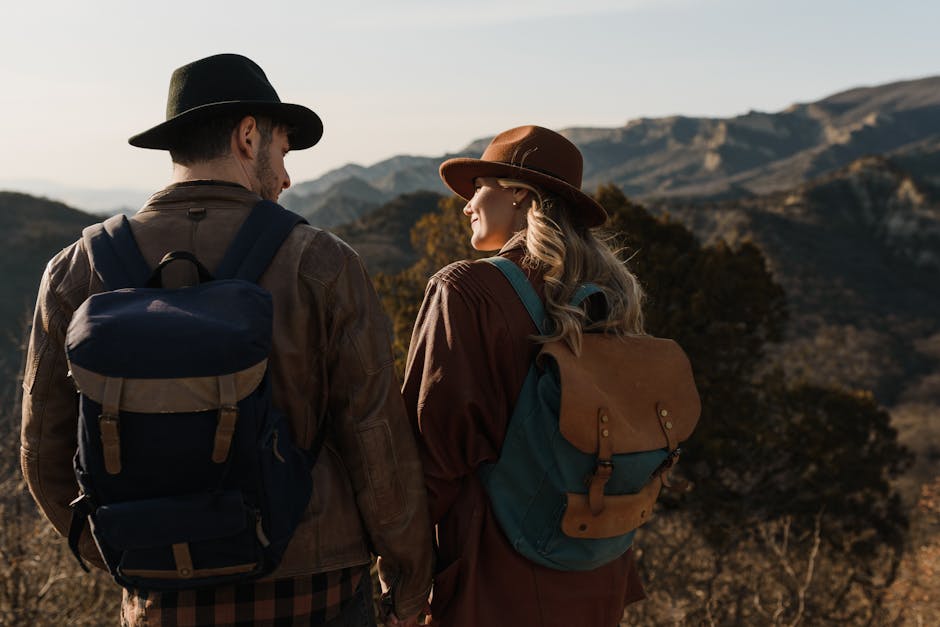
Essentials include layered clothing, sun protection, first-aid kits, and reusable water bottles. For families, add extra socks, snacks, and a small toy for downtime.
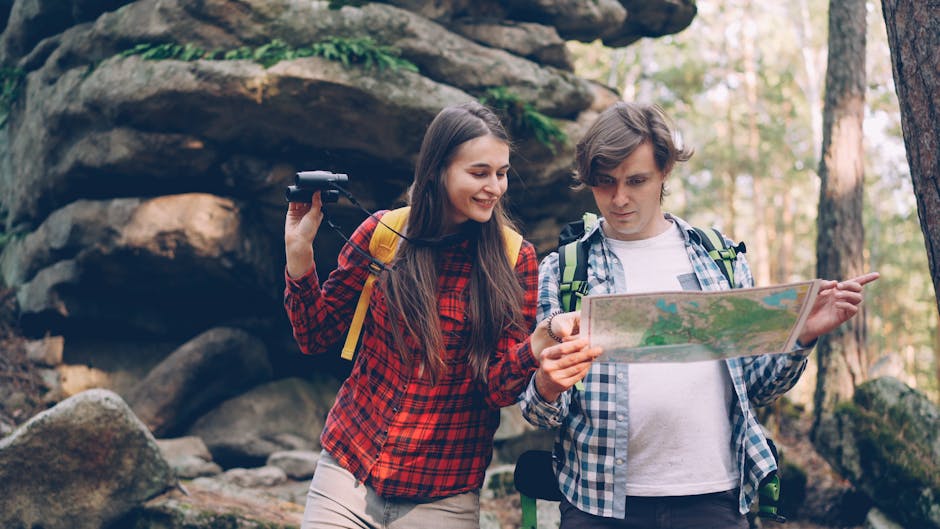
Use packing cubes to stay organized. Keep electronics in waterproof cases. Always carry a physical map—GPS fails in remote areas.
Respect Nature and Local Communities
Follow Leave No Trace principles: pack out trash, stay on trails, and avoid disturbing wildlife. Teach kids to observe animals from a distance.
Support local economies by eating at family-run restaurants or booking tours with resident guides. Learn a few phrases in the local language if abroad.
Safety Considerations for Outdoor Travel
Weather Preparedness
Mountain weather changes fast. Afternoon thunderstorms are common in places like the Rockies or the Alps. Check forecasts daily and have a backup plan.
Carry rain gear even on sunny days. Hypothermia can occur above 50°F if wet and windy. Dress in moisture-wicking layers, not cotton.
Wildlife Awareness
Know how to react to local animals. In bear country, carry bear spray and make noise on trails. In snake-prone areas, watch where you step.
Store food properly when camping. Use bear canisters or hang bags 100 yards from your tent. Never leave scraps behind.
Emergency Planning
Share your itinerary with someone not on the trip. Carry a whistle, headlamp, and basic first-aid supplies. Consider a personal locator beacon for remote areas.
Know the location of the nearest ranger station or clinic. Cell coverage is unreliable in wilderness zones—plan accordingly.
Budget-Friendly Nature Travel Options
National Parks with Low Fees
Many U.S. national parks charge under $35 per vehicle for a 7-day pass. The America the Beautiful annual pass ($80) pays for itself after two visits.
Check for free entry days—often in April, August, and November. State parks are even cheaper and often less crowded.
Camping vs. Lodging
Camping cuts costs significantly. Public campgrounds run $15–$40 per night. Rent gear if you don’t own it—many outdoor retailers offer affordable packages.
For couples wanting comfort, look for state park cabins or glamping sites. They offer beds and kitchens at a fraction of hotel prices.
Off-Season Travel
Visit popular spots in shoulder seasons (spring or fall). Prices drop, crowds thin, and weather is often ideal. Fall foliage in New England or spring wildflowers in Arizona are spectacular.
Book flights and rentals early for off-season deals. Some trails may be closed, so verify access before you go.
Making the Most of Your Nature Experience
Slow Down and Be Present
Don’t rush from one photo op to the next. Sit by a stream, listen to birds, or watch clouds drift. These quiet moments often become the most memorable.
Put phones away during meals or hikes. Use a camera instead—it encourages slower, more intentional observation.
Involve Everyone in Planning
Let kids pick a trail or activity. Couples should discuss expectations—some want relaxation, others crave adrenaline. Compromise ensures everyone enjoys the trip.
Create a simple itinerary with flexibility. Build in rest days or free afternoons for spontaneity.
Capture Memories Without Screens
Keep a travel journal or sketchbook. Note smells, sounds, and feelings—details photos miss. Families can make nature scavenger hunts; couples might write letters to each other under a tree.
If you do take photos, print a few afterward. Physical albums spark conversations long after the trip ends.
FAQ
What’s the best time of year for nature travel with kids?
Late spring to early fall offers mild weather and full access to trails and facilities. Avoid school holidays if you want fewer crowds. For winter fun, consider snowshoeing or wildlife viewing in places like Yellowstone or Banff.
How do I keep my partner engaged on a family nature trip?
Schedule one-on-one time—early morning walks, stargazing after kids sleep, or a short hike while grandparents watch the children. Balance group activities with private moments to maintain connection.
Are nature trips safe for young children?
Yes, with proper planning. Choose destinations with short, flat trails, restroom access, and nearby medical facilities. Bring carriers for toddlers, sun hats, and plenty of water. Always supervise kids near water or wildlife.