Island Travel Guide with Budget Friendly Beach Tips
Planning a tropical island getaway doesn’t have to break the bank. With smart choices and local insights, you can enjoy pristine beaches, crystal-clear waters, and authentic island culture without overspending. This guide walks you through practical, budget-friendly strategies for island travel—from affordable accommodations and free activities to money-saving dining tips and transportation hacks. Whether you’re eyeing the Caribbean, Southeast Asia, or the Mediterranean, these proven tips help you stretch your dollar while maximizing relaxation and adventure.
Why Choose an Island Destination?
Islands offer a unique blend of natural beauty, cultural richness, and escape from daily routines. From white-sand beaches and coral reefs to laid-back villages and vibrant nightlife, island destinations cater to a wide range of travelers. Unlike crowded city breaks, islands often provide a slower pace, making them ideal for unwinding.
Many islands also feature low-cost local experiences—think beach picnics, hiking trails, and community festivals—that don’t require expensive tours. With careful planning, you can enjoy luxury-level scenery and experiences on a modest budget.
How to Find Affordable Island Destinations
Not all islands are created equal when it comes to cost. Some destinations, like Bali, the Philippines, or the Dominican Republic, offer excellent value for money, while others, such as the Maldives or Bermuda, lean toward the luxury end.
Start by comparing flight and accommodation costs across regions. Southeast Asia and Central America often provide the best balance of affordability and quality. Use flight comparison tools like Google Flights or Skyscanner to track price trends and set alerts for deals.
Best Budget-Friendly Islands by Region
Caribbean: Consider islands like Jamaica, Dominica, or St. Lucia. These offer public beaches, local guesthouses, and affordable street food. Avoid peak season (December–April) to save significantly.
Southeast Asia: Thailand’s islands (Koh Lanta, Koh Phayam), Vietnam’s Phu Quoc, and Indonesia’s Gili Islands are known for low daily costs. Hostels, local warungs, and scooter rentals keep expenses down.
Mediterranean: Try Crete, Sardinia, or the Greek islands of Naxos or Milos. These offer free public beaches, affordable family-run pensions, and seasonal flight deals from Europe.
Saving on Flights and Transportation
Airfare is often the biggest expense in island travel. To reduce costs, be flexible with dates and nearby airports. Flying midweek or during shoulder seasons (just before or after peak) can yield savings of 20–40%.
Once on the island, avoid taxis and rental cars unless necessary. Many islands have reliable public buses, ferries, or bike-sharing programs. In Bali, for example, renting a scooter costs under $5 per day and gives you freedom to explore.
Smart Booking Tips
Book flights 6–8 weeks in advance for the best rates. Use incognito mode when searching to avoid dynamic pricing. Consider budget airlines, but read baggage policies carefully—fees can add up.
For inter-island travel, ferries are usually cheaper than flights. In Greece, a ferry from Athens to Santorini can cost as little as €30 one-way, compared to €100+ for a short flight.
Affordable Accommodations That Don’t Sacrifice Comfort
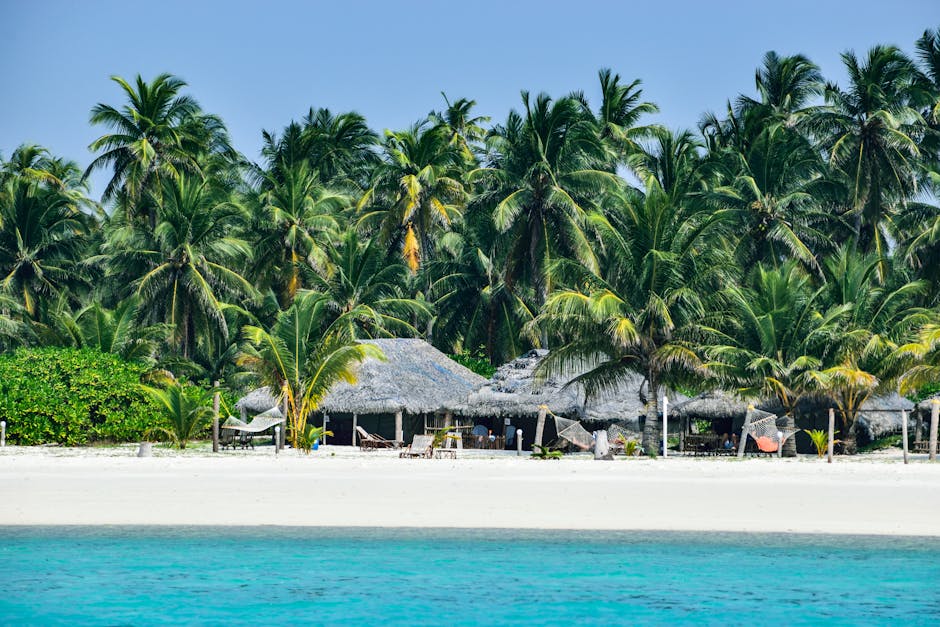
You don’t need a five-star resort to enjoy island life. Guesthouses, hostels, and family-run pensions offer clean, safe, and welcoming stays at a fraction of the price.
Look for places with kitchen access—this lets you cook simple meals and avoid expensive restaurant bills. In the Philippines, beachfront homestays in El Nido start around $20 per night and include breakfast.
Types of Budget Stays to Consider
Guesthouses and B&Bs: Often family-operated, these provide local insight and home-cooked meals. In Jamaica, many guesthouses are steps from the beach and cost under $50 per night.
Hostels with Private Rooms: Ideal for solo travelers or couples wanting privacy. Many hostels now offer en-suite rooms with air conditioning and sea views for under $60.
Vacation Rentals: Platforms like Airbnb or local rental sites can offer better value for groups. A two-bedroom apartment in Crete might cost the same as two hotel rooms but includes a full kitchen and living space.
Free and Low-Cost Beach Activities
The best part of island travel? The beach is often free. Public beaches are common in most island destinations, and many offer shade, restrooms, and snack vendors.
Instead of paying for beach clubs or cabana rentals, bring your own towel, umbrella, and cooler. Pack sandwiches, fruit, and drinks to avoid overpriced beachside cafes.
Top Free Beach Experiences
Snorkeling: Many beaches have shallow reefs perfect for snorkeling. In Thailand’s Koh Tao, you can spot clownfish and coral gardens right from the shore—no boat tour needed.
Sunrise and Sunset Walks: These are free, peaceful, and offer stunning photo opportunities. In Barbados, Crane Beach is famous for its pink sand and dramatic cliffs—best enjoyed at dawn.
Beach Volleyball and Frisbee: Join locals for casual games. In Puerto Rico, many beaches have public nets and friendly pick-up matches.
Eating Well Without Overspending
Food is a major part of the island experience, and you don’t need to dine at tourist traps to enjoy it. Local markets, food stalls, and street vendors serve fresh, flavorful meals at low prices.
Avoid restaurants near major attractions—they often charge premium prices for similar quality. Walk a few blocks inland to find where locals eat.
Budget-Friendly Dining Tips
Eat Like a Local: In the Caribbean, try jerk chicken from a roadside stand for under $5. In Greece, a gyro from a neighborhood taverna costs around €4.
Shop at Markets: Buy fresh fruit, bread, and cheese for beach picnics. In Sicily, a loaf of bread, olives, and local cheese can cost less than €10 total.
Happy Hour Deals: Many beach bars offer discounted drinks and appetizers in the late afternoon. In Bali, you can get a cocktail and satay skewers for under $8 during happy hour.
Transportation Hacks for Island Hopping
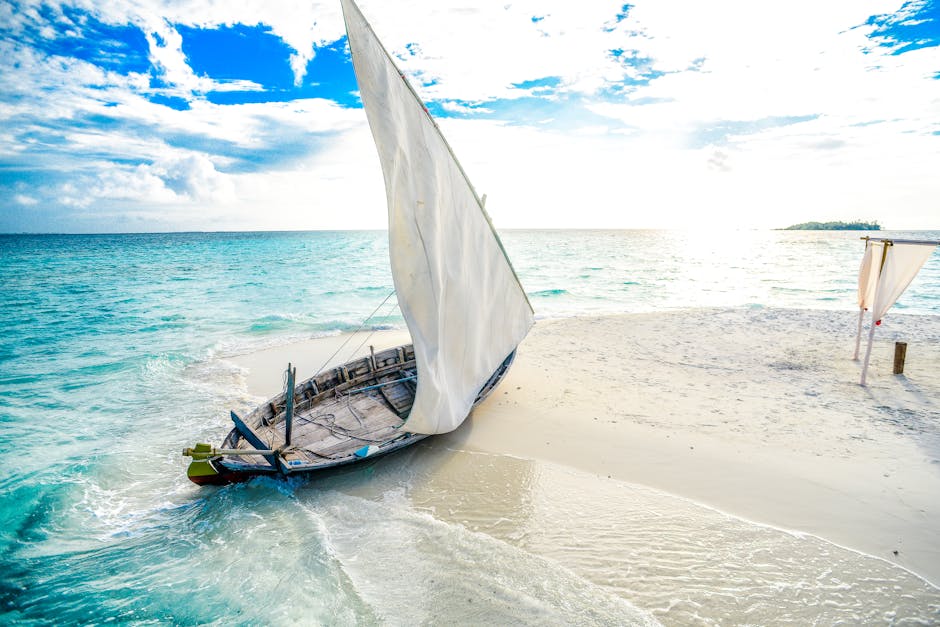
If your trip involves visiting multiple islands, plan your route carefully. Ferries are usually the most economical option, but schedules can be limited.
Book ferry tickets in advance during peak season to secure seats and avoid last-minute price hikes. In the Philippines, online booking platforms like Ph Travel offer discounts for multi-island passes.
Alternative Transport Options
Bicycles and Scooters: Ideal for small islands with short distances. In the Maldives’ local islands (not resort islands), renting a bike costs $3–$5 per day.
Shared Taxis or Vans: Common in Southeast Asia and Latin America. These are cheaper than private transfers and often run on fixed routes.
Walking: On compact islands like Capri or Mykonos, many attractions are within walking distance. Wear comfortable shoes and carry water.
Packing Smart to Avoid Extra Costs
Overpacking leads to baggage fees, while underpacking can force expensive last-minute purchases. Pack light, but include essentials that are hard to find or pricey on islands.
Bring reef-safe sunscreen, a reusable water bottle, and a quick-dry towel. Many islands have limited supplies, and imported goods can be costly.
Must-Pack Items for Budget Travelers
Reusable Snorkel Gear: Renting masks and snorkels daily adds up. A basic set costs $20–$30 and pays for itself in a week.
Portable Water Filter: In areas with questionable tap water, a filter bottle lets you refill safely and avoid buying plastic bottles.</n
Power Bank: Keeps your phone charged for maps, photos, and communication—especially useful when exploring remote beaches.
Safety and Cultural Considerations
While islands are generally safe, it’s wise to take precautions. Avoid isolated beaches at night, keep valuables secure, and respect local customs.
In some cultures, topless sunbathing or loud behavior on public beaches is frowned upon. Research local norms before you go.
Common Island Travel Warnings
Sun Exposure: Island sun is intense. Wear a hat, seek shade, and reapply sunscreen every two hours. Heatstroke is a real risk, especially for children and seniors.
Ocean Conditions: Not all beaches are safe for swimming. Check for warning flags, rip currents, and jellyfish. In Costa Rica, some Pacific beaches have strong undertows—always swim near lifeguard stations.
Water Safety: Drink bottled or filtered water unless you’re sure the tap water is safe. In parts of the Caribbean and Southeast Asia, tap water may not be potable.
Making the Most of Your Island Budget
Stretching your travel budget isn’t about deprivation—it’s about prioritizing experiences that matter most. Focus on free natural attractions, local interactions, and simple pleasures like a quiet beach at sunset.
Set a daily spending limit and track expenses using a simple app or notebook. This helps avoid impulse buys and keeps you on target.
Sample Daily Budget Breakdown
Accommodation: $30–$50 (guesthouse or hostel)
Food: $15–$25 (local meals and snacks)
Transportation: $5–$15 (bus, scooter, or walking)
Activities: $0–$20 (free beaches, optional snorkel rental)
Total: $50–$110 per day—achievable in most budget-friendly islands.
Final Tips for a Stress-Free Island Trip
Start planning early to secure the best deals on flights and lodging. Read recent traveler reviews on platforms like TripAdvisor or Google Maps to avoid overpriced or poorly rated spots.
Download offline maps and translation apps before you go. Many islands have spotty internet, especially in rural areas.
Finally, embrace the island mindset: slow down, unplug, and enjoy the moment. The best memories often come from simple, unplanned moments—like a conversation with a local fisherman or a spontaneous swim at dawn.
FAQ
What’s the cheapest time to visit popular islands?
The shoulder seasons—spring and fall—typically offer the best balance of good weather and lower prices. Avoid holidays and school breaks when demand spikes.
Can I really enjoy a beach vacation on a tight budget?
Yes. By choosing affordable destinations, staying in guesthouses, eating locally, and focusing on free activities like swimming and hiking, you can have a rich island experience for under $75 per day.
Are public beaches safe and clean?
Most public beaches in tourist-friendly islands are well-maintained and safe. Look for signs indicating cleanliness ratings or lifeguard presence. Avoid beaches near industrial areas or with visible pollution.