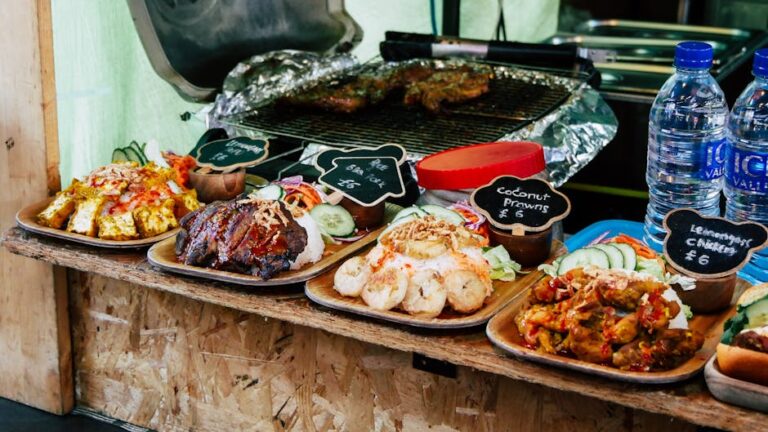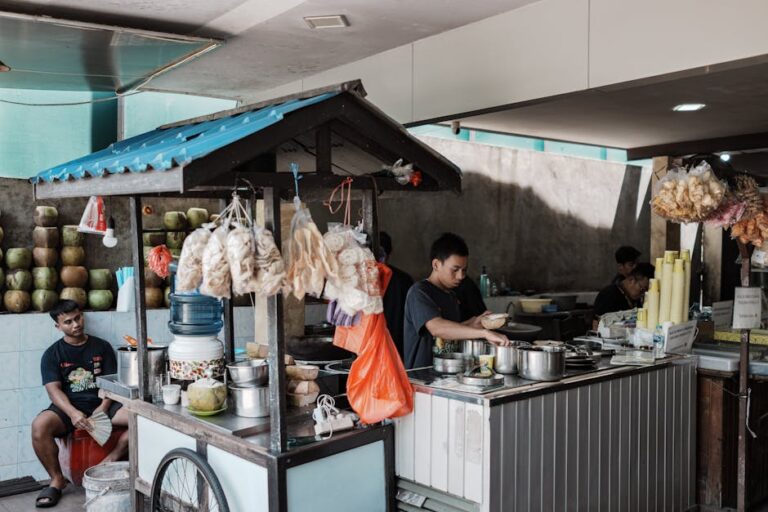

Best African Dishes to Try for Culinary Travelers
Africa’s culinary landscape is as diverse as its geography, offering bold flavors, unique ingredients, and centuries-old traditions that reflect the continent’s rich cultural tapestry. For culinary travelers, exploring African cuisine means more than just tasting food—it’s about experiencing history, community, and regional identity through every bite. From the spicy stews of West Africa to the fragrant tagines of the North and the hearty braais of the South, African dishes deliver unforgettable sensory journeys. This guide highlights the best African dishes to try, offering practical insights for travelers seeking authentic, memorable meals across the continent.
Why African Cuisine Stands Out
African food is often misunderstood as monolithic, but each region boasts distinct ingredients, cooking techniques, and flavor profiles shaped by climate, trade, and cultural exchange. Unlike many global cuisines that rely heavily on dairy or wheat, African cooking emphasizes grains like millet and sorghum, legumes, root vegetables, and bold spice blends. Staples such as maize, cassava, and yams form the foundation of many meals, while proteins range from grilled meats to freshwater fish and insects in certain regions.
What sets African cuisine apart is its balance of simplicity and complexity. Meals are often communal, prepared with care and shared among family or neighbors. Cooking methods like slow simmering, open-fire grilling, and fermentation enhance natural flavors without relying on processed ingredients. For travelers, this means food that is not only delicious but deeply rooted in local life.
West African Dishes: Bold, Spicy, and Hearty
West Africa is a culinary powerhouse, known for its vibrant use of spices, palm oil, and groundnuts. The region’s cuisine reflects influences from the trans-Saharan trade, colonial history, and indigenous traditions. Dishes here are often served with starchy sides and eaten by hand, emphasizing connection and tradition.
Jollof Rice – The Continental Favorite
Jollof rice is perhaps the most iconic dish in West Africa, enjoyed from Senegal to Nigeria. Made with long-grain rice, tomatoes, onions, peppers, and a blend of spices, it’s typically cooked in one pot for maximum flavor. Each country claims its version as the best—Nigerian jollof is known for its smoky undertone from parboiling rice in tomato broth, while Ghanaian jollof often includes more scotch bonnet heat.
Travelers should seek out street vendors or local restaurants for the most authentic experience. Be prepared for a flavorful, slightly spicy dish that pairs well with fried plantains or grilled chicken. Note: the “jollof wars” between Nigeria and Ghana are real—locals take pride in their version, so enjoy the debate respectfully.
Pounded Yam and Egusi Soup – A Textural Delight
Pounded yam is a smooth, stretchy dough made by boiling and pounding yam until it reaches a mochi-like consistency. It’s traditionally served with egusi soup, a rich stew made from ground melon seeds, leafy greens, and meat or fish. The soup is thick, earthy, and deeply savory, often flavored with smoked fish or bushmeat in rural areas.
Eating this dish is a tactile experience—pounded yam is torn into small balls and used to scoop up the soup. It’s commonly enjoyed in Nigeria, Ghana, and Cameroon. Travelers should try it in a local home or cultural restaurant for the full experience. Be aware that bushmeat may be served in some regions; opt for chicken or beef if you have dietary concerns.
Suya – Spicy Street Skewers
Suya is a popular street food in Nigeria, consisting of thinly sliced beef or chicken coated in a dry spice mix called yaji—made from ground peanuts, cayenne, ginger, and paprika—then grilled over open flames. The result is a smoky, spicy, and slightly nutty flavor that’s addictive.
Suya is best eaten fresh off the grill, often with sliced onions, tomatoes, and a side of kuli-kuli (fried peanut snacks). Look for vendors in bustling markets or near bus stations. Be cautious with spice levels—yaji can be intense for unaccustomed palates. Ask for “mild” if available.
North African Dishes: Fragrant, Spiced, and Influential
North African cuisine blends Arab, Berber, Mediterranean, and French influences, creating a sophisticated culinary tradition centered around slow-cooked stews, flatbreads, and aromatic spices. The use of preserved lemons, olives, and dried fruits adds depth and complexity to otherwise simple ingredients.
Tagine – Slow-Cooked Perfection
Named after the conical clay pot it’s cooked in, tagine is a slow-cooked stew that originated in Morocco but is enjoyed across North Africa. Common versions include lamb with prunes, chicken with olives and preserved lemons, or vegetable tagines with chickpeas and carrots. The lid traps steam, allowing flavors to meld gently over low heat.
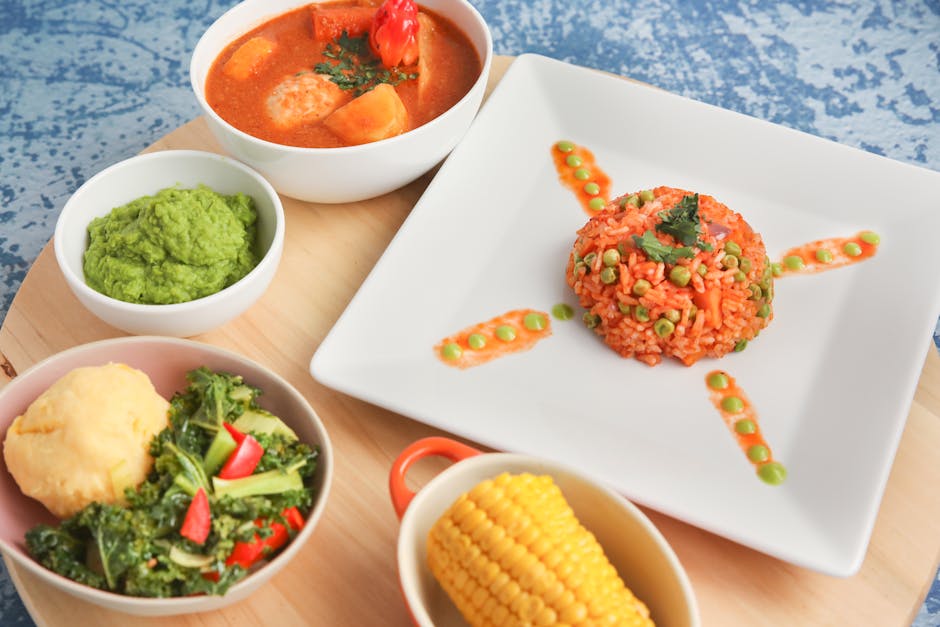
Tagine is typically served with couscous or crusty bread for soaking up the sauce. In Marrakech or Fes, visit a local riad or family-run restaurant for an authentic version. Avoid tourist-heavy spots near major attractions, where quality can vary. The dish is mild in spice but rich in flavor—perfect for travelers seeking comfort food with cultural depth.
Couscous – The National Dish of Morocco
Couscous is more than a side dish—it’s a symbol of hospitality and celebration in North Africa. Made from steamed semolina grains, it’s traditionally served with a vegetable or meat stew poured over the top. In rural areas, families gather on Fridays to share a large communal bowl.
Authentic couscous is labor-intensive, requiring multiple steaming sessions to achieve the right texture. Instant versions exist but lack the delicate fluffiness of the traditional method. Travelers should seek out home-cooked meals or cultural festivals to experience it properly. Pair with mint tea for a complete North African dining ritual.
Harira – Hearty Soup for Ramadan and Beyond
Harira is a thick, comforting soup made with tomatoes, lentils, chickpeas, lamb, and spices like cinnamon and turmeric. It’s most famously consumed during Ramadan to break the fast, but it’s available year-round in Moroccan cafes and homes.
The soup is filling and nutritious, often served with dates and chebakia (a honey-soaked pastry). It’s a great option for vegetarians if made without meat. Look for it in local eateries rather than hotel restaurants. A warm bowl of harira on a cool evening captures the soul of Moroccan cuisine.
East African Dishes: Fresh, Tangy, and Diverse
East Africa’s cuisine reflects coastal trade with the Middle East and India, as well as highland farming traditions. Dishes here often feature coconut milk, tamarind, and spices like cardamom and cloves. Rice, plantains, and ugali (a maize porridge) are common staples.
Pilau – Fragrant Spiced Rice
Pilau is a fragrant rice dish cooked in spiced broth with meat, onions, and a blend of whole spices like cinnamon, cumin, and cloves. It’s popular in Kenya, Tanzania, and Uganda, with coastal regions adding coconut milk for richness.
Unlike biryani, pilau is less layered and more homogenous in texture. It’s often served at weddings, festivals, and family gatherings. Travelers can find it in local restaurants or street food stalls. Try it with kachumbari (a fresh tomato and onion salad) for balance. Be mindful of spice levels—some versions can be quite hot.
Ugali and Sukuma Wiki – The Kenyan Staple
Ugali is a dense maize flour porridge that serves as the backbone of meals in Kenya and Tanzania. It’s typically eaten with sukuma wiki, a sautéed collard green dish flavored with onions, tomatoes, and chili. The combination is simple, nutritious, and deeply satisfying.
Ugali is eaten by hand—rolled into a ball and used to scoop up the greens or stew. It’s a staple in rural and urban areas alike. While it may seem plain to outsiders, its value lies in its accessibility and role in daily life. Try it in a local duka (small shop) or family meal for authenticity.
Injera with Wat – Ethiopia’s National Dish
Injera is a sourdough flatbread made from teff flour, with a spongy texture and slightly tangy flavor. It serves as both plate and utensil for wat, a variety of spicy stews made with lentils, beef, or chicken. The most famous is doro wat, a rich chicken stew simmered with berbere spice and hard-boiled eggs.
Dining in Ethiopia is a communal experience—meals are shared from a single platter, with diners tearing off pieces of injera to scoop up the wat. Berbere, the key spice blend, includes chili, fenugreek, and garlic, giving the dish its signature heat. Travelers should visit a traditional Ethiopian restaurant or attend a coffee ceremony, where food is often served.
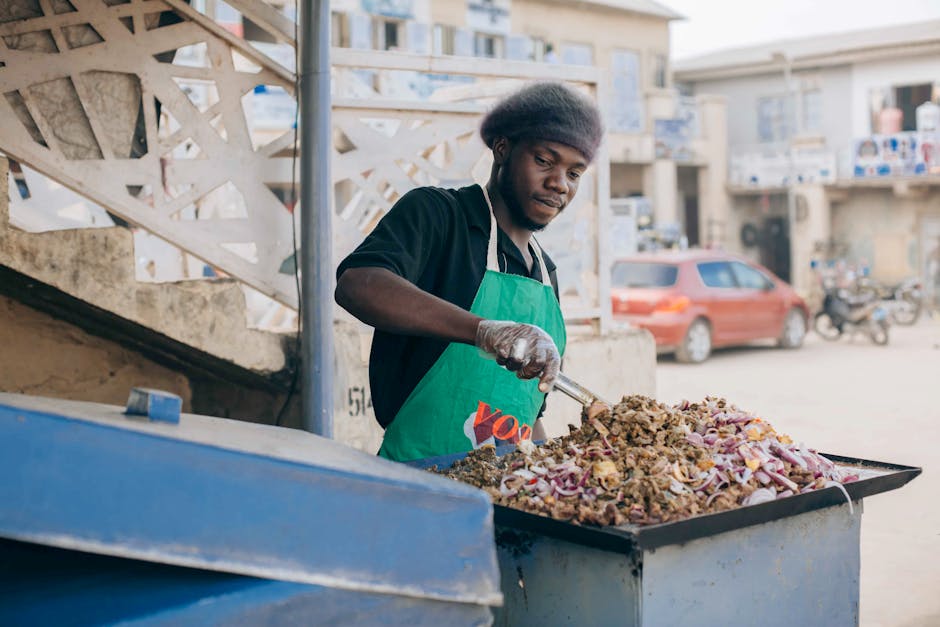
Note: Injera is naturally gluten-free due to teff, making it a great option for those with sensitivities. However, cross-contamination may occur in non-specialized kitchens.
Southern African Dishes: Smoky, Hearty, and Social
Southern Africa’s cuisine is shaped by indigenous traditions, Dutch and British colonialism, and a strong culture of outdoor cooking. Grilling, or “braai,” is a national pastime, and meals often center around meat, maize, and fermented dairy.
Biltong and Droëwors – Dried Meat Delights
Biltong is air-dried cured meat, similar to jerky but thicker and spicier, often made from beef or game like kudu. Droëwors are dried sausage sticks, flavored with coriander and vinegar. Both are popular snacks, especially during travel or sports events.
Unlike American jerky, biltong retains more moisture and flavor due to slower drying. It’s widely available in supermarkets and roadside stalls across South Africa. Travelers can sample it at markets or gift shops. Choose reputable brands to ensure quality and safety.
Pap and Chakalaka – Comfort Food Combo
Pap is a stiff maize porridge, similar to polenta, and a staple in South African households. It’s often served with chakalaka, a spicy vegetable relish made with tomatoes, carrots, beans, and curry spices. The dish is hearty, affordable, and deeply comforting.
Chakalaka is especially popular in townships and at braais. It’s a great way to experience everyday South African life. Try it in a shebeen (informal bar) or local eatery. For a modern twist, some restaurants serve pap with grilled meats or vegetarian stews.
Bobotie – A Sweet and Savory Classic
Bobotie is a baked dish of spiced minced meat topped with an egg-based custard. It’s flavored with turmeric, bay leaves, and apricot jam, creating a unique sweet-savory profile. Originating from Malay slaves in the Cape, it reflects the region’s multicultural history.
Served with yellow rice and chutney, bobotie is a national favorite often enjoyed at family gatherings. It’s widely available in South African restaurants and supermarkets. Travelers should try it in Cape Town for the most authentic version. The custard topping may look unusual but adds a rich, creamy finish.
Central African Dishes: Earthy, Hearty, and Unique
Central Africa’s cuisine is less documented but deeply flavorful, relying on forest ingredients, root crops, and freshwater fish. Dishes here are often simple but nutrient-dense, reflecting a close relationship with the land.
Cassava Leaf Stew – A Forest Favorite
Popular in Cameroon and the Democratic Republic of the Congo, this stew is made by slow-cooking cassava leaves with palm oil, onions, and meat or fish. The leaves are pounded to remove bitterness, resulting in a thick, earthy dish similar to spinach-based stews.
It’s typically served with fufu (a starchy dough made from cassava or plantains). The flavor is rich and slightly nutty, with a hint of smokiness from palm oil. Travelers may find it in Central African communities or specialty restaurants in major cities. Be cautious with palm oil—some versions can be heavy on the palate.
Fufu and Light Soup – A Staple Across Regions
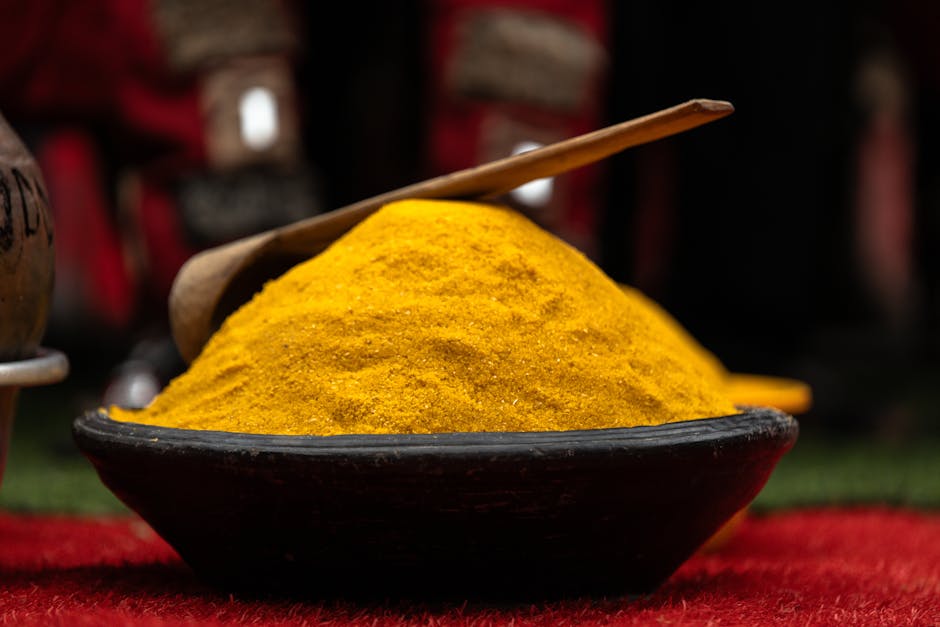
Fufu is a smooth, stretchy dough made by boiling and pounding starchy vegetables like cassava, plantains, or yams. It’s eaten across West and Central Africa and served with soups or stews. Light soup, made with tomatoes, peppers, and fish or chicken, is a common pairing.
Fufu is eaten by hand, rolled into small balls and dipped into the soup. It’s a filling, energy-rich food ideal for active travelers. Try it in a local home or cultural center for the best experience. Note: the pounding process is labor-intensive, so pre-made versions may lack authenticity.
Tips for Culinary Travelers in Africa
Exploring African cuisine is one of the most rewarding parts of traveling on the continent. To make the most of your culinary journey, keep these practical tips in mind.
Eat Where the Locals Eat
The best meals are often found in unmarked roadside stalls, family-run eateries, or bustling markets. Look for places with high turnover—fresh food and happy customers are good signs. Avoid overly polished tourist restaurants, which may serve adapted versions of dishes.
Respect Dietary Customs
Many African meals are eaten by hand, especially in rural areas. This is not a sign of informality but of tradition. Wash your hands before and after eating. In some cultures, only the right hand is used for eating—observe locals and follow their lead.
Ask About Ingredients
Spice levels, meat sources, and allergens can vary widely. If you have dietary restrictions, learn key phrases in the local language or carry a translation card. For example, “no peanuts” or “vegetarian only” can prevent misunderstandings.
Try the Street Food—Safely
Street food is a gateway to authentic flavors, but hygiene matters. Choose vendors who cook food fresh in front of you, avoid raw salads in rural areas, and drink only bottled or boiled water. Popular items like suya, grilled corn, and fried plantains are usually safe when prepared properly.
Embrace the Communal Spirit
Meals in Africa are often shared. Don’t be surprised if strangers invite you to join their table or offer you a taste of their food. Accepting such gestures builds connection and enriches your experience.
FAQ
What are the most iconic African dishes for first-time visitors?
Jollof rice, injera with doro wat, tagine, and bobotie are excellent starting points. Each represents a different region and offers a memorable taste of local culture.
Is African food spicy?
It varies by region. West and East African dishes tend to be spicier, while North and Southern African cuisines are milder. Always ask about heat levels when ordering.
Can vegetarians enjoy African cuisine?
Yes. Many dishes like vegetable tagine, lentil wat, and chakalaka are vegetarian-friendly. Look for bean stews, plant-based soups, and grain dishes in most regions.