Top Food Experiences for Cultural Travel Lovers
For cultural travelers, food is more than sustenance—it’s a window into history, identity, and community. The best culinary adventures reveal local traditions, regional ingredients, and time-honored techniques passed down through generations. Whether you’re savoring street food in Bangkok or joining a family-run trattoria in Tuscany, immersive food experiences deepen your connection to a destination. This guide highlights authentic, meaningful food experiences that go beyond the tourist menu, offering practical tips and real-world examples to help you eat like a local wherever you go.
Why Food Matters in Cultural Travel
Food is one of the most accessible and intimate ways to understand a culture. Meals reflect geography, climate, religion, and social structure. In Morocco, shared tagine dishes emphasize hospitality and togetherness. In Japan, the precision of sushi preparation mirrors broader cultural values of respect and discipline. By engaging with local cuisine, travelers gain insight into how people live, celebrate, and survive.
Unlike museums or monuments, food experiences are interactive and sensory. You don’t just observe—you taste, smell, and participate. A cooking class in Oaxaca teaches more about Mexican heritage than a textbook ever could. Eating at a neighborhood market in Istanbul offers a glimpse into daily life that a guided tour might miss.
Food as Cultural Storytelling
Every dish has a story. Pho in Vietnam traces its roots to French colonial influence and wartime adaptation. Feijoada in Brazil blends African, Portuguese, and Indigenous culinary traditions. When you eat these dishes, you’re not just consuming calories—you’re tasting history.
Local chefs and home cooks often share these stories willingly, especially when visitors show genuine interest. Asking about ingredients or preparation methods opens doors to conversations that enrich your travel experience far beyond the meal itself.
Top Food Experiences by Region
Different regions offer distinct culinary traditions shaped by environment and heritage. Below are standout food experiences that highlight cultural authenticity and local flavor.
Southeast Asia: Street Food and Night Markets
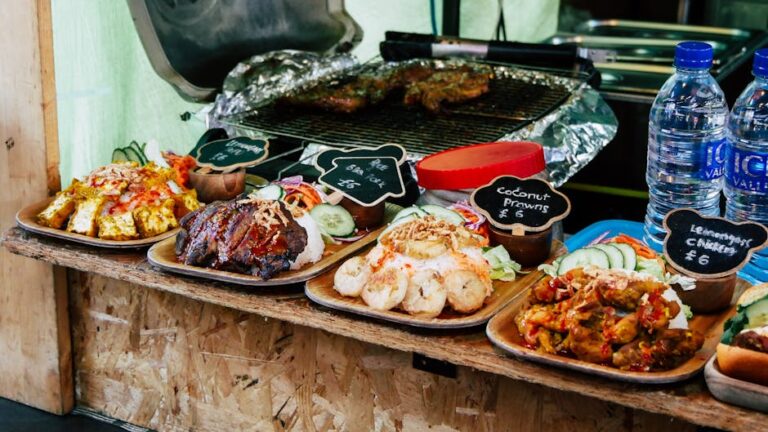
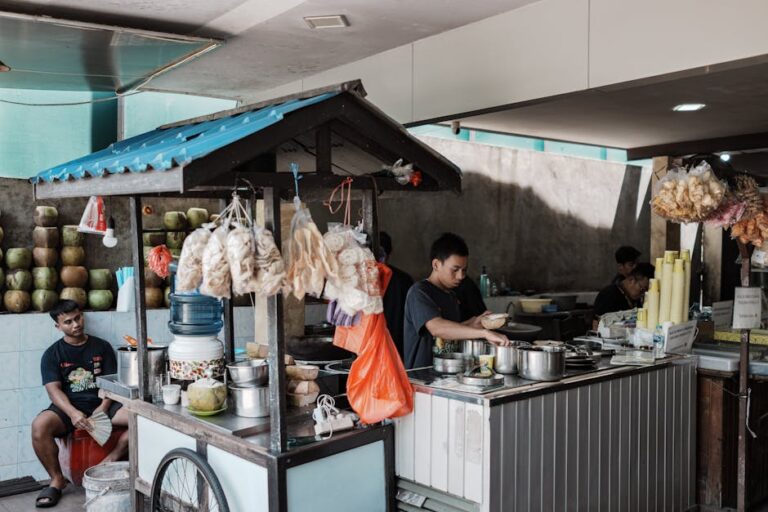
Bangkok’s street food scene is legendary for good reason. Vendors serve up pad Thai, som tam (papaya salad), and mango sticky rice with skill honed over decades. Unlike restaurant versions, street food is often faster, cheaper, and more authentic—cooked to order in front of you.
In Hanoi, try bún chả—grilled pork with rice noodles and herbs—at a sidewalk stall near Hoàn Kiếm Lake. Locals gather here after work, creating a lively atmosphere that’s as much about community as cuisine. Night markets in Chiang Mai or Ho Chi Minh City offer similar immersion, with dozens of vendors competing for attention through aroma and flavor.
Tip: Look for stalls with long lines of locals. High turnover means fresher ingredients and safer food handling.
Europe: Farm-to-Table and Family Traditions
In Italy, food is deeply personal. Skip the tourist traps near major piazzas and seek out trattorias run by multi-generational families. In Bologna, a simple plate of tagliatelle al ragù reveals centuries of refinement. In Sicily, arancini (stuffed rice balls) vary from town to town, each recipe tied to local festivals or family secrets.
Spain’s tapas culture encourages sharing and conversation. In San Sebastián, pintxos (Basque-style small plates) are artfully displayed on bar tops, inviting you to sample everything from marinated anchovies to foie gras. Many bars offer a “menu of the day” based on seasonal produce from nearby farms.
For a deeper dive, join a farmstay in Provence or Tuscany. You’ll harvest olives, press oil, and cook meals using ingredients grown just steps from your table.
Latin America: Indigenous Ingredients and Communal Dining
Peru is a global leader in culinary innovation rooted in tradition. Dishes like ceviche and lomo saltado blend Indigenous, Spanish, African, and Asian influences. In Lima, visit a cebichería early in the morning to see fishermen deliver the day’s catch—then order the freshest ceviche possible.
In Oaxaca, Mexico, mole isn’t just a sauce—it’s a cultural symbol. Made with up to 30 ingredients including chiles, chocolate, and spices, each family’s recipe is unique. Take a cooking class to learn how to balance flavors and understand the ritual behind preparation.
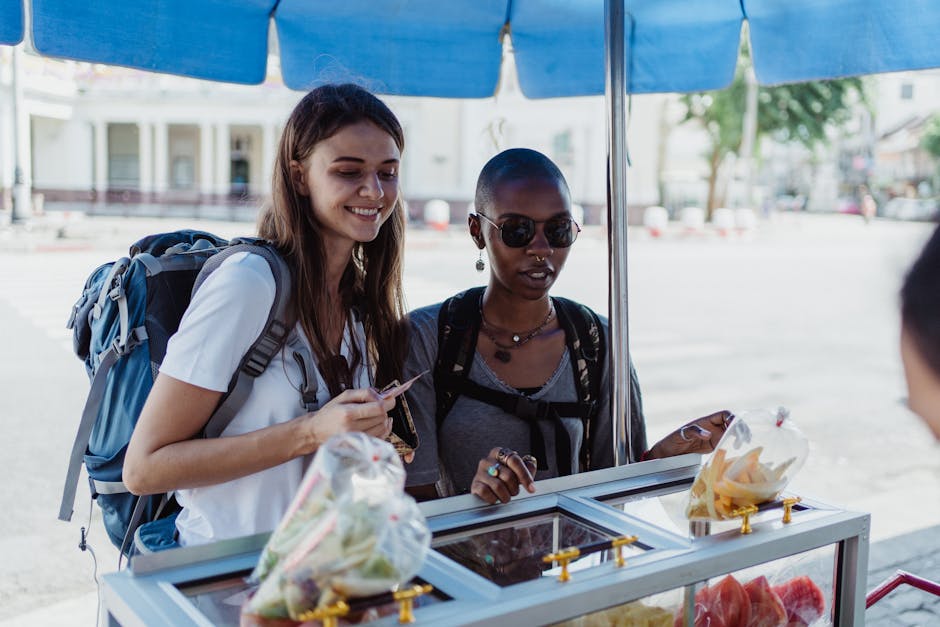
Communal meals are central to Latin American culture. In Colombia, ajiaco soup is traditionally shared among family and friends during Sunday lunches. Participating in such meals fosters connection and respect.
Middle East and North Africa: Spice, Bread, and Hospitality
Moroccan cuisine is defined by balance—sweet and savory, spicy and aromatic. A traditional riad meal might include harira soup, lamb tagine with prunes, and mint tea served in ornate glasses. The tea isn’t just a drink; it’s a ritual of welcome.
In Lebanon, mezze platters showcase the diversity of regional cooking. Hummus, tabbouleh, falafel, and grilled meats are shared among diners, reflecting the Levantine value of generosity. Visit a souk in Beirut to see vendors selling sumac, za’atar, and pomegranate molasses—ingredients essential to authentic flavors.
Warning: Avoid eating during Ramadan daylight hours in Muslim-majority countries unless invited. Respect local customs to build trust and gain access to private dining experiences.
East Asia: Ritual, Seasonality, and Craftsmanship
Japan’s food culture emphasizes seasonality, presentation, and technique. A kaiseki meal—a multi-course dinner—showcases the chef’s mastery and the beauty of nature. Even everyday dishes like ramen or okonomiyaki reflect regional pride and precision.
In South Korea, kimchi is more than a side dish; it’s a national treasure. Fermented in clay pots called onggi, each household’s version carries subtle differences. Join a kimjang workshop in Seoul to learn how to make it yourself—and understand its role in Korean identity.
China’s regional cuisines are wildly diverse. Sichuan food is bold and numbing, thanks to Sichuan peppercorns. Cantonese dim sum emphasizes freshness and delicate preparation. Travel with an open mind—and be ready to try unfamiliar textures like duck blood or jellyfish.
How to Find Authentic Food Experiences
Not all food tours or restaurants offer genuine cultural insight. Here’s how to find experiences that truly connect you to local life.
Talk to Locals
Ask hotel staff, taxi drivers, or shopkeepers where they eat. Locals know which places are beloved but overlooked by guidebooks. A simple question like “Where do you go for the best breakfast?” can lead to unforgettable meals.
Language apps or translation tools help bridge communication gaps. Even basic phrases like “What do you recommend?” show respect and curiosity.
Visit Local Markets
Markets are the heart of food culture. In Marrakech, the Jemaa el-Fnaa square transforms at night into a food carnival with grilling skewers and fresh orange juice. In Bangkok, Chatuchak Weekend Market offers everything from coconut ice cream to fermented fish sauce.
Walk slowly, observe, and sample. Vendors often offer free tastings. Bring small bills and be ready to haggle politely.
Join a Guided Food Tour
Choose small-group or private tours led by locals. Avoid large bus tours that rush through highlights. Look for operators that emphasize storytelling, sustainability, and community impact.
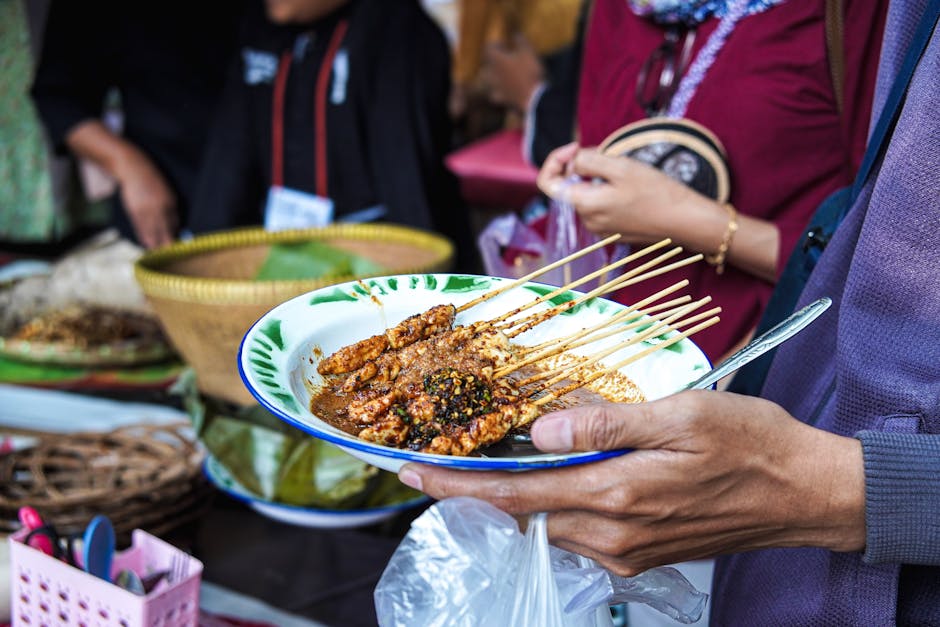
Example: In Mexico City, some tours support women-led cooperatives that preserve ancestral cooking methods. Your participation directly benefits local families.
Cook with Locals
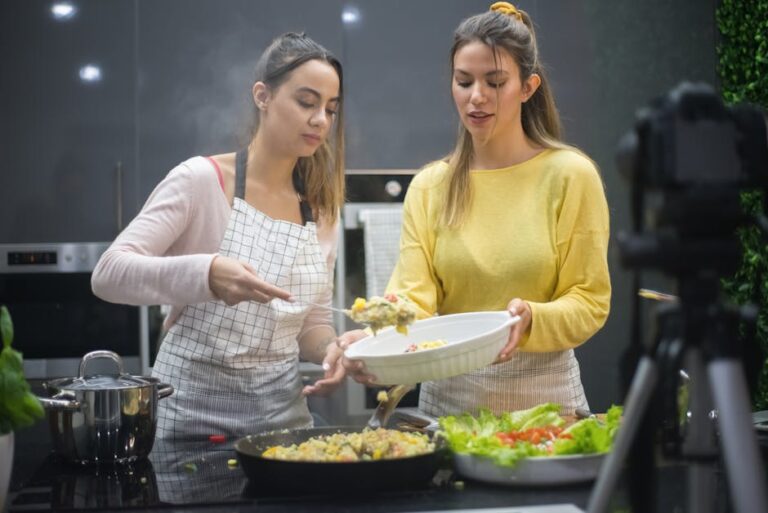
Cooking classes offer hands-on learning and personal connection. In Chiang Mai, you might shop at a morning market before preparing green curry from scratch. In Lisbon, learn to make pastéis de nata with a pastry chef whose family has run the shop for 50 years.
These experiences often include meals shared with hosts, creating lasting memories and cross-cultural exchange.
What to Avoid When Seeking Cultural Food Experiences
Even well-intentioned travelers can fall into traps that undermine authenticity.
Overly Tourist-Centric Restaurants
Menus in multiple languages, photos of dishes, and staff who speak perfect English are red flags. These places often cater to expectations rather than tradition. Prices may be inflated, and flavors adjusted for foreign palates.
Instead, look for places with handwritten menus, local clientele, and minimal decor. Simplicity often signals sincerity.
Ignoring Dietary and Religious Customs
Respect goes both ways. In India, many Hindus avoid beef. In Israel, kosher rules govern food preparation. In Thailand, pointing feet at people or food is considered rude.
Research basic etiquette before you go. When in doubt, observe and follow local behavior.
Expecting Instant Expertise
You won’t master a cuisine in one trip. Approach food experiences with humility. Ask questions, admit when you don’t know something, and appreciate the learning process.
Some of the best meals come from mistakes—like accidentally ordering a dish that’s spicier than expected. Laugh, drink water, and try again.
Practical Tips for Food-Focused Travel
Prepare ahead to make the most of your culinary journey.
Pack Smart
Bring a reusable water bottle with a filter to stay hydrated safely. Carry hand sanitizer and wet wipes for street food stops. A small notebook helps you record recipes or vendor names.
Stay Healthy
Drink bottled or filtered water in regions with questionable tap water. Avoid raw vegetables washed in local water. Choose freshly cooked, hot foods over buffet items that sit out.
If you have food allergies, learn how to explain them in the local language. Carry a translation card if needed.
Support Local Economies
Eat at family-owned businesses, buy from market vendors, and tip fairly. Your spending helps sustain traditional practices and livelihoods.
Avoid chains and international franchises that dilute local character.
Document Respectfully
Take photos of food and places, but ask before photographing people. Some cultures view food preparation as private or sacred.
Share your experiences online to promote lesser-known destinations—but avoid geotagging sensitive locations like private homes.
Final Thoughts
The top food experiences for cultural travel lovers are those that foster connection, curiosity, and respect. They’re not about checking off a list of famous dishes, but about engaging with people, places, and traditions in meaningful ways. Whether you’re sipping tea with a Mongolian herder or learning to roll sushi in Tokyo, let food guide your journey.
Remember: the most memorable meals often happen off the beaten path. Stay open, ask questions, and savor every bite.
FAQ
How can I find authentic local food as a tourist?
Talk to locals, visit neighborhood markets, and avoid restaurants with multilingual menus aimed at tourists. Look for places crowded with residents rather than visitors.
Is it safe to eat street food while traveling?
Generally yes, if you choose busy stalls with high turnover. Eat food that’s freshly cooked and served hot. Avoid raw items washed in local water.
What should I do if I have dietary restrictions while traveling?
Learn key phrases in the local language to explain your needs. Carry a translation card for allergies. Research local ingredients beforehand to identify safe options.