Best Food Experiences for Luxury Culinary Travelers
For travelers who see food as more than fuel—where flavor, craftsmanship, and culture converge—the world offers extraordinary culinary journeys. The best food experiences for luxury culinary travelers blend exceptional ingredients, masterful technique, and immersive settings. Whether dining in a centuries-old castle, foraging with a Michelin-starred chef, or savoring rare regional specialties, these moments define high-end gastronomic travel. This guide highlights top-tier destinations, unique experiences, and insider tips to help discerning food lovers plan unforgettable trips.
What Defines a Luxury Culinary Travel Experience?
Luxury culinary travel goes beyond fine dining. It’s about authenticity, exclusivity, and storytelling through food. Think private tastings with winemakers in Bordeaux, kaiseki dinners in Kyoto’s hidden ryokans, or truffle-hunting excursions in Tuscany.
These experiences often include access to rare ingredients, interactions with renowned chefs, and settings that reflect local heritage. The focus is on depth, not just presentation. A meal becomes a narrative—rooted in place, tradition, and artistry.
Unlike standard food tours, luxury culinary travel prioritizes personalization. Itineraries are tailored to individual tastes, dietary needs, and pace. Expect seamless logistics, expert guides, and behind-the-scenes access that transforms eating into an exploration.
Top Global Destinations for Gourmet Travelers
Tokyo, Japan: The Epitome of Precision and Tradition
Tokyo holds more Michelin stars than any other city, but its true luxury lies in subtlety and seasonality. A private omakase session at a sushi counter in Ginza, led by a master itamae, offers an intimate look at precision and respect for ingredients.
Beyond sushi, kaiseki meals in traditional ryokans provide multi-course feasts that change with the seasons. Each dish reflects balance, texture, and visual harmony. For a deeper dive, book a tea ceremony paired with wagashi sweets, crafted by artisans who’ve spent decades perfecting their craft.
Warning: Reservations at top-tier restaurants often require booking months in advance. Use a trusted concierge or local guide to secure seats.
Paris, France: The Heart of Haute Cuisine
Paris remains the global benchmark for refined dining. Iconic establishments like Le Meurice and L’Ambroisie offer classic French techniques with modern flair. But true luxury lies in lesser-known gems—like a private dinner in a historic hôtel particulier or a wine-paired lunch in a Montmartre vineyard.
For a hands-on experience, join a master patissier for a croissant-making class using century-old techniques. Or explore the Marché des Enfants Rouges, Paris’s oldest food market, with a local food historian who reveals hidden stalls and family recipes.
Takeaway: Combine fine dining with cultural context. The best meals in Paris tell a story—of terroir, technique, and time.
Tuscany, Italy: Farm-to-Table Elegance
Tuscany’s rolling hills and agrarian roots make it ideal for luxury culinary travelers seeking authenticity. Stay at an agriturismo estate where meals are prepared with vegetables from the garden, olive oil pressed on-site, and wine from the family cellar.
Join a truffle hunt with a trained dog and local forager in the hills near San Miniato. The experience ends with a rustic feast featuring fresh truffles shaved over handmade pici pasta. It’s simple, yet profoundly luxurious in its purity.
For wine lovers, a private tour of a Brunello di Montalcino producer offers barrel tastings and vineyard walks. Many estates limit visitors, ensuring an exclusive experience.
Napa Valley, USA: Innovation Meets Terroir
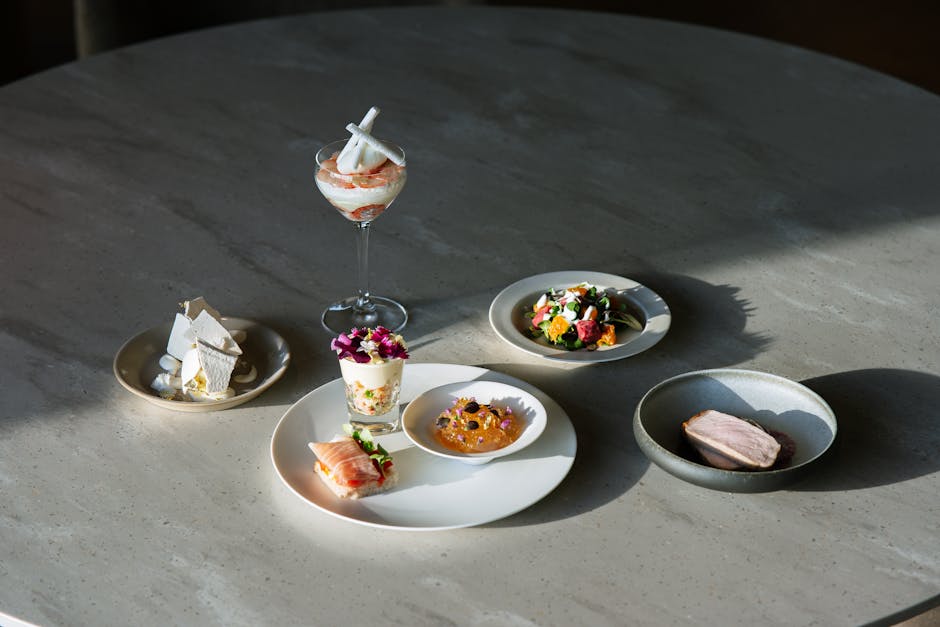
Napa Valley blends world-class wine with cutting-edge cuisine. At The Restaurant at Auberge du Soleil, diners enjoy panoramic vineyard views and dishes that highlight local produce. The tasting menu changes daily based on what’s freshest.
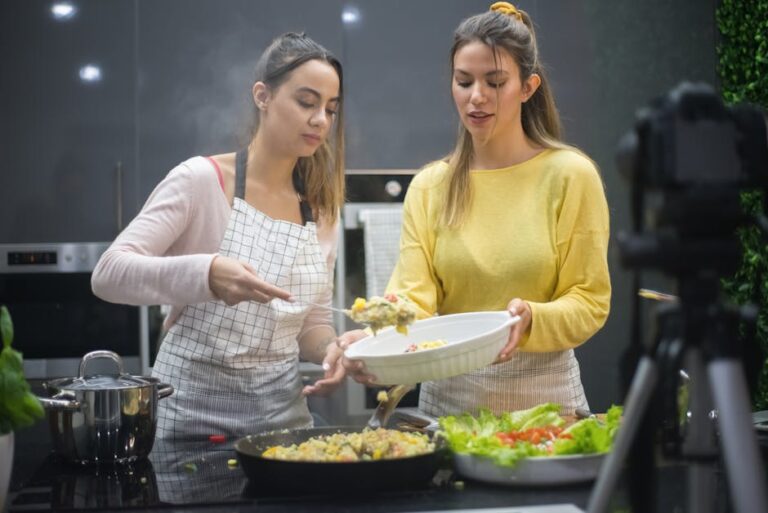
For a unique twist, book a “chef’s table” experience where you cook alongside the culinary team. You’ll source ingredients from the on-site garden and learn techniques used in Michelin-starred kitchens.
Don’t miss a hot air balloon ride at sunrise, followed by a champagne breakfast in the vines. It’s a quintessential Napa moment—romantic, serene, and delicious.
Oaxaca, Mexico: Indigenous Flavors and Craftsmanship
Oaxaca is Mexico’s culinary capital, known for mole, mezcal, and handmade tortillas. Luxury here means deep cultural immersion. Stay in a restored colonial home and take a private cooking class with a Zapotec grandmother who teaches ancestral recipes passed down through generations.
Visit a mezcal distillery in the mountains, where small-batch producers use traditional clay ovens and wild agave. Tastings are educational and sensory—each sip reveals terroir and technique.
For a truly exclusive experience, arrange a pre-dawn visit to the Mercado de la Merced. Watch vendors prepare tlayudas and tamales while learning about regional ingredients like huitlacoche and chapulines.
Unique Culinary Experiences Beyond the Plate
Foraging and Wild Food Expeditions
Foraging connects travelers to the land in a visceral way. In Scandinavia, join a chef-led expedition to gather wild herbs, mushrooms, and berries in pristine forests. The meal that follows—prepared over an open fire—showcases nature’s bounty with minimal intervention.
In New Zealand, Māori-guided foraging tours introduce native ingredients like horopito and kawakawa. These experiences often include storytelling and traditional cooking methods, offering cultural depth alongside flavor.
Tip: Always go with a certified guide. Foraging without expertise can be dangerous and ecologically harmful.
Private Chef Dinners in Iconic Settings
Imagine dining in a Venetian palazzo, a Moroccan riad, or a Balinese beachfront villa—prepared by a personal chef. These bespoke meals are tailored to your preferences and served in stunning, intimate environments.
Many luxury travel agencies offer this service, pairing clients with top local chefs. Menus often feature hyper-local ingredients and regional specialties, presented with artistic flair.
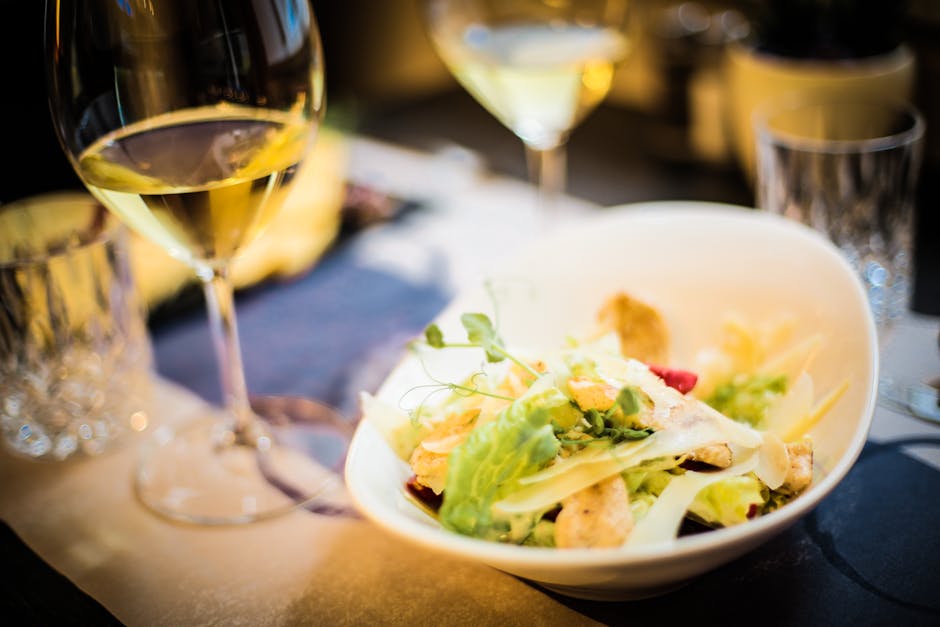
Example: In Santorini, a private dinner on a cliffside terrace might include grilled octopus, fava bean purée, and Assyrtiko wine—all sourced from nearby farms and vineyards.
Culinary Cruises with Gourmet Itineraries
Small-ship cruises focused on food offer a unique way to explore multiple destinations. Companies like Seabourn and Silversea feature onboard chefs who source ingredients in port and host cooking demonstrations using local specialties.
On a Mediterranean voyage, you might learn to make fresh pasta in Sicily, then enjoy it paired with a Nero d’Avola from a nearby vineyard. In Southeast Asia, a market tour in Ho Chi Minh City could inspire a pho masterclass back on board.
Takeaway: These cruises combine luxury travel with culinary education, ideal for food lovers who want variety without sacrificing comfort.
How to Plan a Luxury Culinary Trip
Step 1: Define Your Culinary Interests
Start by identifying what excites you. Are you drawn to wine, street food, fine dining, or cooking classes? Do you prefer hands-on experiences or passive enjoyment? Your preferences will shape destination and activity choices.
For example, if you love fermentation, consider a trip to Japan for miso and sake workshops. If you’re passionate about chocolate, visit Ecuador or Madagascar for bean-to-bar tours.
Step 2: Choose the Right Time of Year
Seasonality affects ingredient availability and event timing. In Italy, autumn is ideal for truffle season. In Japan, spring brings cherry blossoms and sakura-themed sweets. Research local food festivals and harvest periods.
Avoid peak tourist seasons if you prefer quieter, more personal experiences. Shoulder seasons often offer better availability and lower prices without sacrificing quality.
Step 3: Work with a Specialized Travel Advisor
Not all travel agents understand gourmet travel. Seek out specialists in culinary tourism who have relationships with chefs, winemakers, and local guides. They can secure reservations, arrange private access, and customize itineraries.
Many luxury hotels also offer concierge services for food experiences. A stay at Belmond Hotel Cipriani in Venice, for instance, includes access to exclusive cooking classes and market tours.
Step 4: Budget Wisely
Luxury culinary travel can be expensive, but costs vary widely. A private dinner in Paris may cost €500 per person, while a week-long agriturismo stay in Tuscany with meals included could be under €2,000.
Prioritize experiences over luxury accommodations. Sometimes, a simple room with an exceptional meal offers more value than a five-star suite with average food.
What to Expect from High-End Culinary Travel
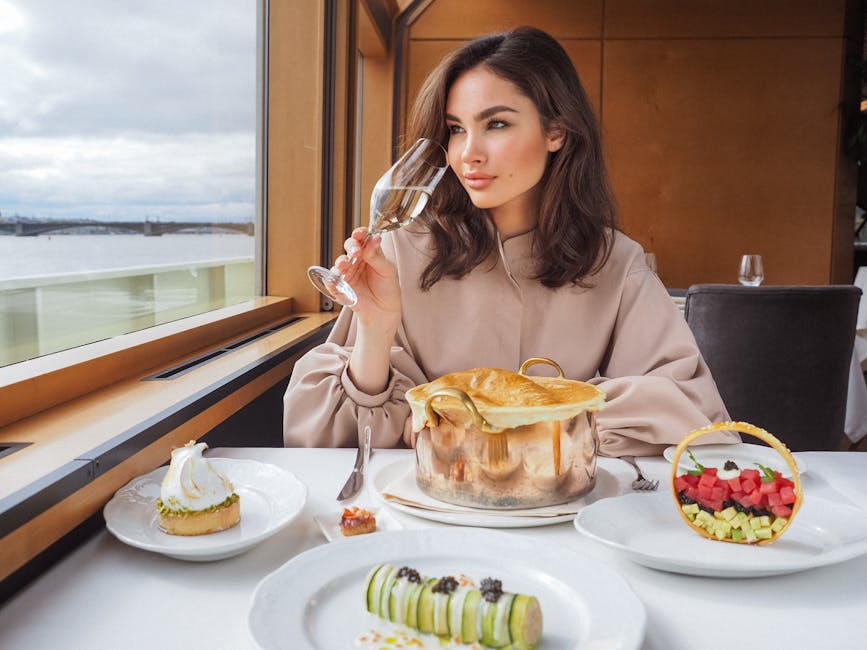
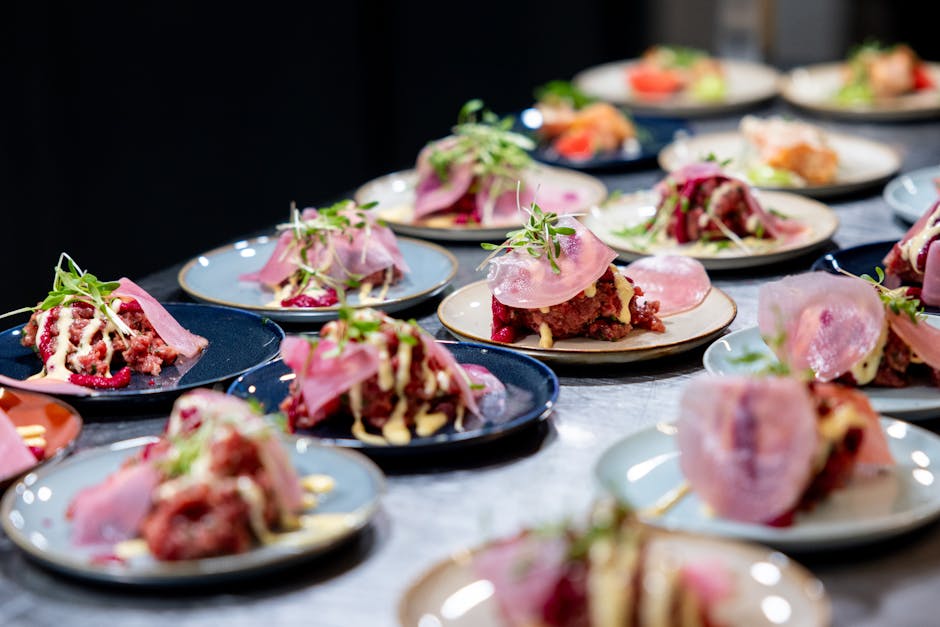
Expect attention to detail at every stage. From personalized welcome gifts to curated wine lists, luxury culinary travel is designed to delight the senses. Service is discreet yet attentive, anticipating needs before they’re voiced.
You’ll also encounter educational elements—chefs explaining techniques, farmers discussing soil health, or sommeliers detailing vineyard history. These insights deepen the experience, turning meals into learning opportunities.
Finally, flexibility is key. Weather, ingredient availability, or chef schedules can change. The best operators adapt seamlessly, ensuring your trip remains smooth and enjoyable.
Common Mistakes to Avoid
One mistake is over-scheduling. Trying to fit in too many meals or tours leads to fatigue. Allow time to savor each experience. A single exceptional dinner can be more memorable than three rushed tastings.
Another pitfall is ignoring dietary needs. Always communicate allergies or restrictions clearly and in advance. Top chefs are usually accommodating, but last-minute requests can disrupt service.
Lastly, don’t assume all “luxury” experiences are equal. Research reviews and ask for references. A high price tag doesn’t guarantee quality—authenticity and expertise matter more.
Final Thoughts: The Future of Luxury Food Travel
As travelers seek deeper connections to place and culture, culinary experiences will continue to evolve. Sustainability, local sourcing, and cultural preservation are becoming central to luxury food travel.
Expect more farm-to-table stays, indigenous-led tours, and zero-waste dining concepts. The future belongs to experiences that are not only delicious but also meaningful and responsible.
For now, the best food experiences for luxury culinary travelers remain those that engage all the senses—taste, smell, sight, sound, and touch—while honoring the people and traditions behind the plate.
FAQ
What makes a food experience “luxury” in travel?
A luxury culinary experience combines exceptional quality, exclusivity, and cultural depth. It often includes private access, expert guidance, and personalized service—turning a meal into a memorable journey.
How far in advance should I book luxury dining experiences?
Top restaurants and private tours often require booking 3–6 months ahead. Use a travel advisor or concierge service to secure reservations, especially in high-demand destinations like Tokyo or Paris.
Can luxury culinary travel accommodate dietary restrictions?
Yes. Reputable operators and chefs are experienced in handling allergies, intolerances, and preferences. Always disclose restrictions when booking and confirm arrangements in writing.