Beach Travel Guide with Hidden Beach Destinations
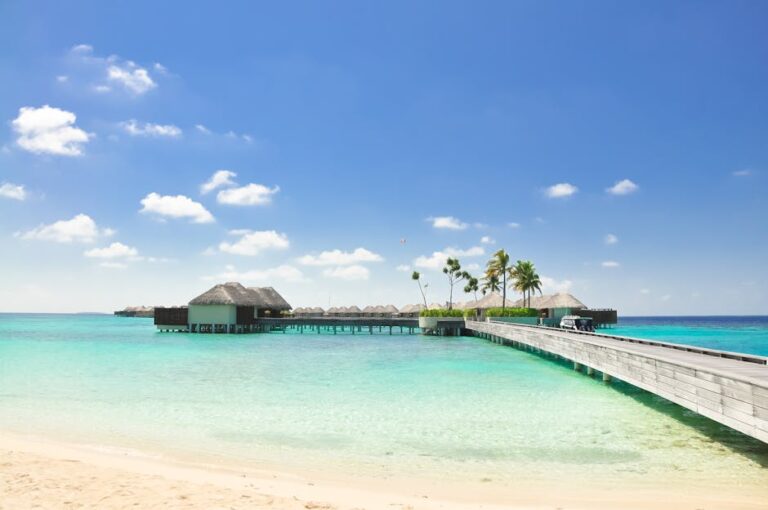
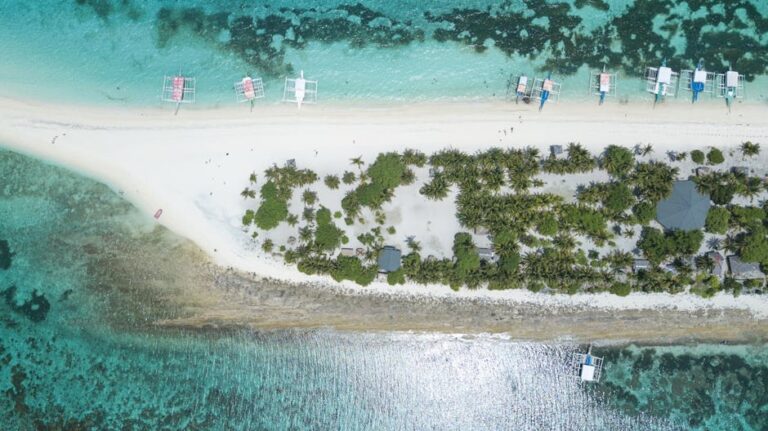
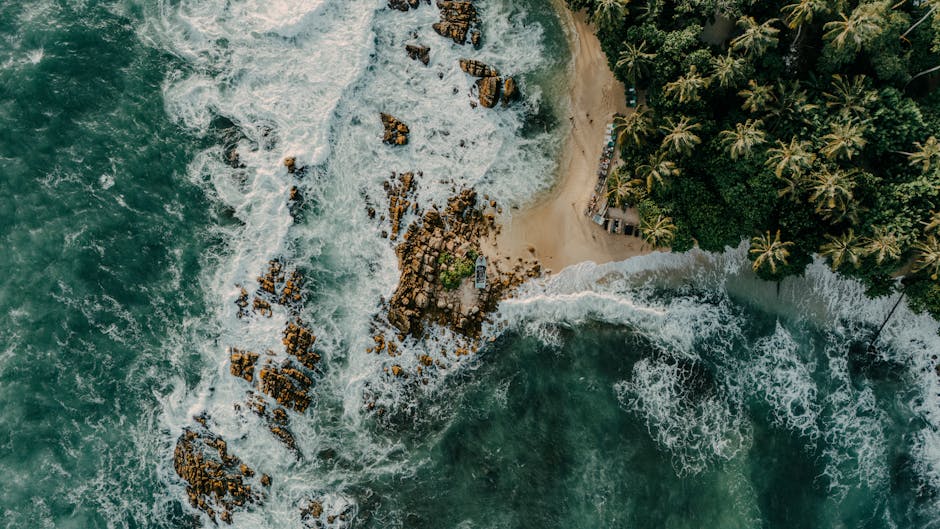
Looking for a beach getaway that’s off the beaten path? This beach travel guide highlights stunning hidden beach destinations where you can escape the crowds and enjoy pristine shores. From secluded coves in Greece to untouched sands in the Philippines, these spots offer tranquility, natural beauty, and authentic local charm. Whether you’re planning a solo retreat, romantic escape, or family adventure, these lesser-known beaches deliver unforgettable experiences without the tourist overload.
Why Choose Hidden Beaches Over Popular Spots?
Popular beaches often mean packed shorelines, overpriced amenities, and limited privacy. In contrast, hidden beach destinations provide a more intimate and peaceful atmosphere. You’ll find cleaner waters, fewer vendors, and a stronger connection to nature.
These secluded spots also tend to preserve local culture better. Instead of international chains, you’re more likely to find family-run cafes, traditional fishing boats, and community-led tours. This authenticity enriches your travel experience and supports sustainable tourism.
Top Hidden Beach Destinations Around the World
Navagio Beach, Greece (Accessible Only by Boat)
While Navagio Beach (also known as Shipwreck Beach) on Zakynthos has gained fame, its remote access keeps daily crowds manageable. The beach is nestled in a cove surrounded by towering limestone cliffs and reachable only by boat.
Visit early in the morning or late afternoon to avoid peak tour times. Bring water and snacks, as facilities are minimal. The turquoise waters and iconic shipwreck make it a photographer’s dream, but the real reward is the quiet moments between waves.
Secret Beach, Koh Lipe, Thailand
Tucked away on the island of Koh Lipe, Secret Beach lives up to its name. A short jungle hike from the main village leads to a crescent of white sand and calm, clear water perfect for snorkeling.
The trail is well-marked but steep in parts—wear sturdy sandals. There are no vendors, so pack everything you need. This beach is ideal for travelers seeking solitude without sacrificing tropical beauty.
Playa Escondida, Costa Rica
Located on the Nicoya Peninsula, Playa Escondida is a local favorite rarely found on mainstream travel itineraries. The beach stretches for miles with soft sand, strong surf, and frequent sea turtle sightings.
Stay at a nearby eco-lodge to fully immerse in the environment. The area is part of a protected zone, so respect wildlife and avoid disturbing nesting sites. Early mornings offer the best light and the fewest people.
Anse Source d’Argent, Seychelles (Lesser-Known Sections)
While Anse Source d’Argent is well-known, many visitors stick to the central area near the entrance. Walk 15 minutes north along the shoreline to find quieter stretches with the same granite boulders and shallow pools.
These hidden sections offer better photo opportunities and more space to relax. The water here is calm, making it safe for children. Bring reef-safe sunscreen to protect the delicate marine ecosystem.
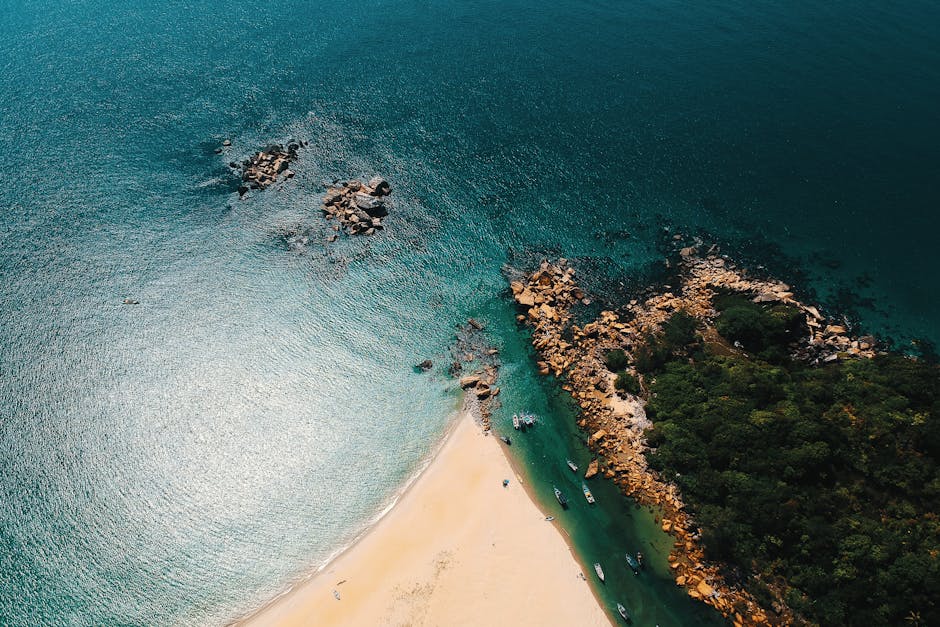
Pink Sands Beach, Harbour Island, Bahamas (Quiet Corners)
Though Pink Sands Beach is famous for its blush-colored sand, most tourists cluster near the main access points. Venture east or west along the 3-mile stretch to discover nearly empty shores.
The pink hue comes from crushed coral mixed with white sand—best seen in full sun. The beach is flat and wide, perfect for long walks. Rent a bike to explore the island’s quiet roads and hidden coves.
Matira Beach, Bora Bora, French Polynesia (Early Morning Visits)
Matira Beach is often listed among the world’s best, but few know that arriving before 8 a.m. transforms the experience. The beach is public and free, but most resort guests don’t venture out until later.
Watch the sunrise over Mount Otemanu while enjoying a cup of locally grown coffee. The water is warm and shallow, ideal for wading. By mid-morning, the area fills with sunbathers, so early birds get the best of both worlds.
Koh Rong Samloem, Cambodia (Long Beach at Sunset)
Long Beach on Koh Rong Samloem is stunning, but the southern end near Lazy Beach Resort remains quiet even in high season. This section has fewer bars and more jungle backdrop.
Stay for sunset and enjoy live acoustic music with a view of the Gulf of Thailand. The sand is powdery, and the waves gentle. Mosquito repellent is essential—especially near the tree line.
How to Find Your Own Hidden Beach
Discovering a secret beach doesn’t require insider connections—just a bit of research and flexibility. Start by exploring lesser-known regions within popular countries. For example, instead of Mykonos, consider Milos in Greece.
Use satellite maps to identify small coves or inlets not listed on major travel sites. Look for beaches with limited road access or those requiring a short hike. These are often less developed and more peaceful.
Talk to locals. Hotel staff, dive instructors, or fishermen often know about quiet spots not in guidebooks. Ask where they go to relax on their days off—this is a reliable way to find authentic, uncrowded beaches.
Essential Tips for Visiting Hidden Beaches
Pack Smart and Travel Light
Many hidden beaches lack facilities like restrooms, showers, or food vendors. Bring a reusable water bottle, snacks, and a small first-aid kit. A compact beach towel and waterproof bag are also essential.
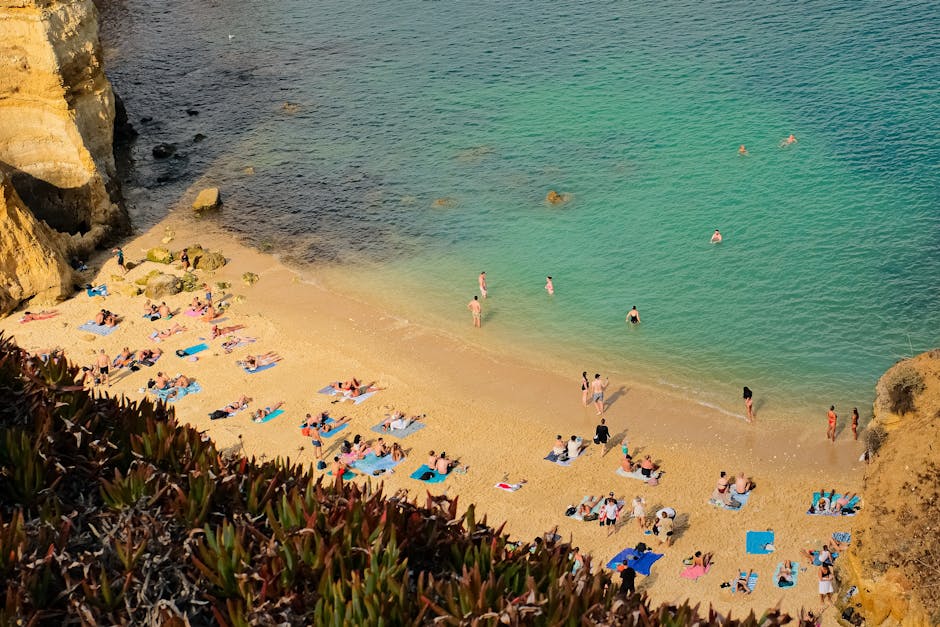
If the beach requires a hike, wear comfortable footwear and carry your gear in a backpack. Avoid glass containers and single-use plastics to minimize environmental impact.
Respect Local Customs and the Environment
Some hidden beaches are near indigenous communities or sacred sites. Dress modestly and ask before taking photos of people or religious structures. Always follow the “leave no trace” principle.
Avoid touching coral reefs, feeding wildlife, or removing shells. These actions harm fragile ecosystems. Use reef-safe sunscreen and avoid products with oxybenzone or octinoxate.
Check Access and Safety Conditions
Not all hidden beaches are safe for swimming. Research tide patterns, currents, and weather conditions before visiting. Rip currents are common in remote areas with fewer lifeguards.
Tell someone your plans and expected return time. Cell service may be limited, so carry a whistle or mirror for emergencies. If swimming, stay within your limits and avoid alcohol.
Best Times to Visit Hidden Beaches
Timing can make or break your hidden beach experience. Visit during shoulder seasons—spring or fall—when weather is pleasant and crowds are thin. In tropical regions, avoid rainy seasons when paths may be muddy and waters rough.
Early mornings and weekdays offer the most solitude. Many travelers arrive midday and leave by late afternoon, so arriving at sunrise or staying past sunset increases your chances of having the beach to yourself.
Check local holidays and festivals. Even remote beaches can get busy during national celebrations. Planning around these dates ensures a quieter visit.
Sustainable Travel Practices for Beach Lovers
Hidden beaches are often ecologically sensitive. Help preserve them by traveling responsibly. Choose accommodations that support conservation efforts, such as eco-lodges or community-run guesthouses.
Support local businesses by buying food, crafts, and tours from residents. This keeps money in the community and encourages sustainable development. Avoid souvenirs made from coral, shells, or endangered species.
Participate in beach cleanups if available. Many coastal communities organize volunteer events. Even picking up a few pieces of trash makes a difference. Share your efforts on social media to inspire others.
Hidden Beaches for Different Travel Styles
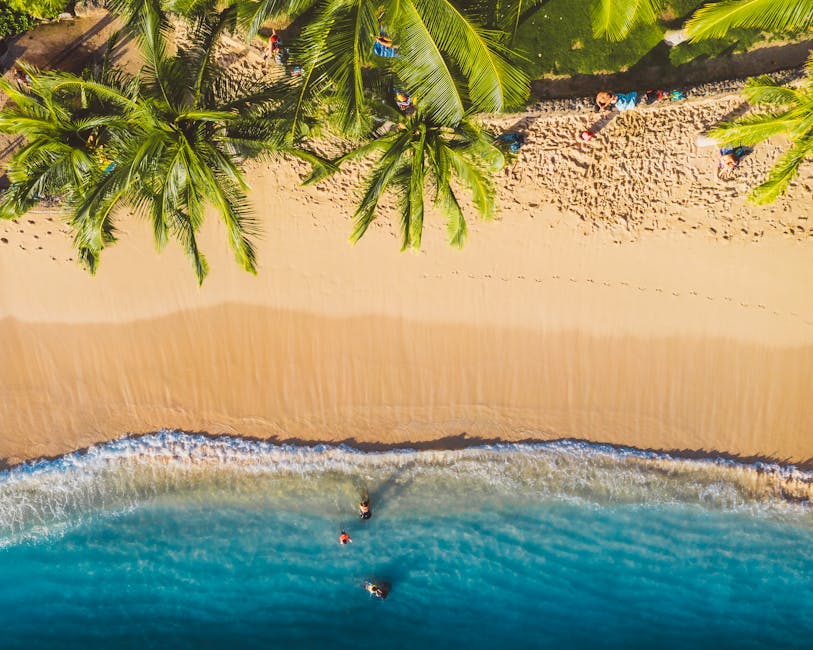
Romantic Getaways
For couples, hidden beaches offer privacy and intimacy. Consider Playa Blanca in Panama or Anse Lazio in the Seychelles. These spots are perfect for sunset picnics, quiet walks, and stargazing.
Bring a blanket, local wine, and a portable speaker for soft music. Avoid loud gatherings—let the sound of waves set the mood. Book a nearby boutique hotel for convenience and comfort.
Family-Friendly Escapes
Families should look for hidden beaches with calm waters and easy access. Playa del Amor in Mexico (accessible via a short boat ride) has shallow lagoons safe for children.
Pack toys, floaties, and a shaded tent. Choose beaches with nearby restrooms or plan for bathroom breaks. Snorkeling gear lets kids explore marine life up close.
Adventure Seekers
Thrill-seekers can explore hidden beaches via kayak, paddleboard, or hiking trail. In New Zealand, Cathedral Cove requires a scenic walk but rewards with sea caves and rock arches.
Try snorkeling or freediving in clear waters. Always go with a buddy and check weather forecasts. Some hidden beaches have strong currents—know your limits.
Final Thoughts on Hidden Beach Travel
A beach travel guide focused on hidden destinations offers more than just pretty photos—it opens the door to meaningful, low-impact travel. These secluded shores provide peace, beauty, and a deeper connection to nature and local culture.
By choosing lesser-known beaches, you reduce overcrowding at popular sites and support sustainable tourism. With the right preparation and mindset, your next beach vacation can be both relaxing and responsible.
FAQ
How do I find hidden beaches near me?
Use satellite maps to spot small coves or inlets not listed on travel sites. Talk to locals, check regional tourism boards, or explore coastal hiking trails. Apps like Maps.me often show footpaths leading to secluded spots.
Are hidden beaches safe for swimming?
Safety varies by location. Research tide patterns, currents, and weather before entering the water. Avoid swimming alone, and never ignore warning signs. When in doubt, ask locals or lifeguards about conditions.
What should I pack for a day at a hidden beach?
Bring water, snacks, sunscreen (reef-safe), a hat, sunglasses, a first-aid kit, and a reusable bag. If the beach requires a hike, wear sturdy shoes and carry essentials in a backpack. Always pack out what you bring in.