Best Hidden Food Spots to Discover While Traveling
Finding the best hidden food spots while traveling transforms a good trip into an unforgettable one. These off-the-radar eateries—family-run stalls, unmarked storefronts, or neighborhood favorites—often serve the most authentic flavors a destination has to offer. Forget crowded tourist traps; the real culinary magic happens where locals eat. Whether it’s a tucked-away noodle shop in Bangkok or a generations-old bakery in Lisbon, these spots deliver quality, culture, and character that chain restaurants simply can’t match. This guide will help you uncover these gems with confidence and taste your way through authentic local cuisine.
Why Hidden Food Spots Matter
Hidden food spots offer more than just a meal—they provide a window into a region’s culture, history, and daily life. Unlike commercialized venues, these places prioritize tradition over trends, often using recipes passed down through families. The ingredients are typically fresher, the cooking methods more time-honored, and the atmosphere genuinely local.
Eating where locals eat also supports small businesses and sustainable tourism. You’re more likely to interact with chefs and owners who take pride in their craft. These experiences create lasting memories and stories worth sharing long after your trip ends.
The Difference Between Tourist Spots and Local Favorites
Tourist-heavy restaurants often cater to broad tastes, which can mean diluted flavors, inflated prices, and generic menus. Hidden spots, by contrast, serve what the community loves—sometimes with only a handful of dishes, but each perfected over years.
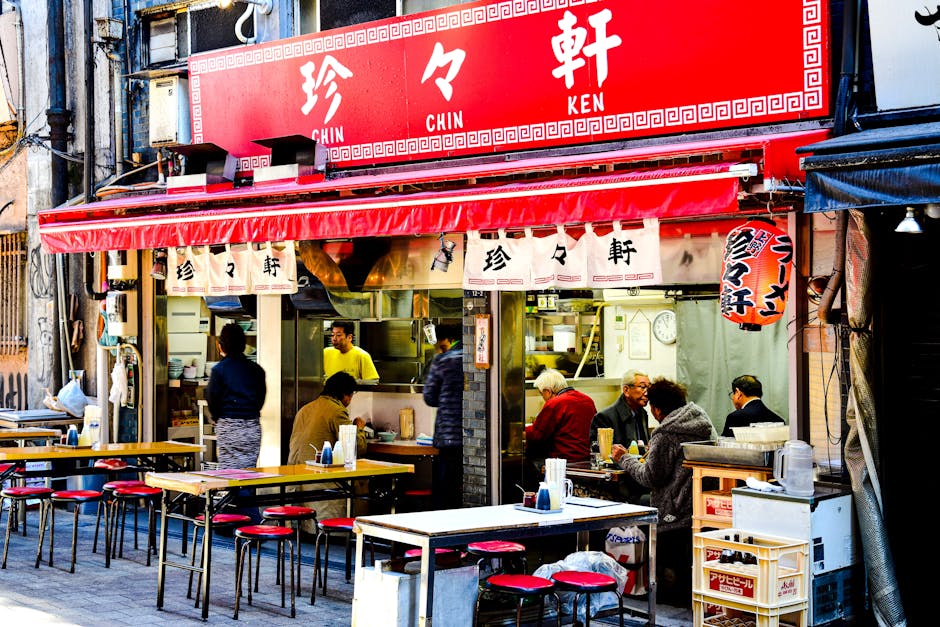
For example, a bustling food court in Tokyo might draw crowds with flashy signage, while a quiet alleyway izakaya just a block away serves grilled yakitori to salarymen after work. The latter offers a more intimate, authentic experience.
How to Find Hidden Food Spots
Locating the best hidden food spots requires a mix of research, observation, and local insight. Start by moving beyond popular review platforms, which often highlight the same overrated venues. Instead, look for patterns in where locals gather during off-peak hours.
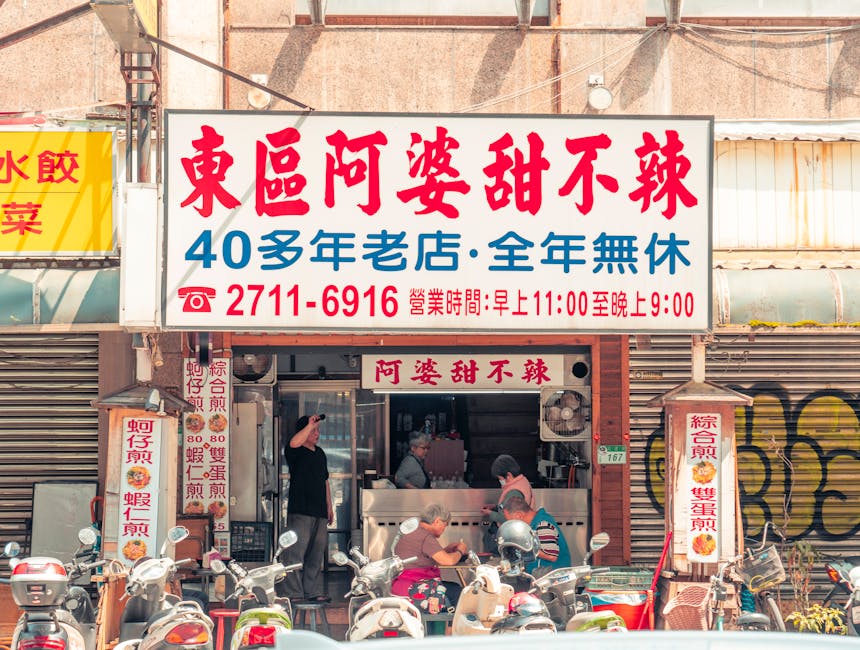
Walk through residential neighborhoods, visit markets early in the morning, and pay attention to lines forming at unmarked doors. These are often signs of a beloved local haunt.
Ask Locals—But Ask the Right Way
Hotel staff, taxi drivers, and shopkeepers can be excellent sources—but avoid asking for “the best restaurant.” Instead, try: “Where do you go for lunch when you’re in a hurry?” or “What’s a dish only people from here know about?”
These questions yield more personal, specific recommendations. A barista might point you to a tiny sandwich counter around the corner, or a market vendor could suggest a family-run stall that makes fresh empanadas at dawn.
Use Niche Apps and Local Blogs
While Google Reviews and Yelp are useful, they often favor visibility over authenticity. Try apps like Eatwith for home-cooked meals with locals, or The Infatuation for curated neighborhood guides. Local food blogs and Instagram accounts run by residents can also reveal under-the-radar spots.
Look for posts tagged with neighborhood names rather than city-wide hashtags. A photo of a steaming bowl of pho in Hanoi’s Old Quarter is more telling than a generic “Vietnam food” search.
Follow the Crowd—But Not the Tourists
Observe where people are eating during lunch or dinner rush. A long line of locals outside a modest storefront is a strong indicator of quality. Tourist lines, by contrast, often form at places with English menus and photo-friendly interiors.
Note the time of day, too. Many hidden gems operate only during specific hours—like a breakfast-only tamale stand in Oaxaca that closes by 10 a.m.
Top Hidden Food Spots Around the World
While every city has its secrets, some destinations are especially rich in undiscovered culinary treasures. Here are a few standout examples that illustrate what makes these spots special.
Bangkok: Jay Fai’s Rooftop Crab Omelet
Though Jay Fai has gained international fame—and a Michelin star—her tiny, smoke-filled kitchen in Bangkok’s Old City remains a local institution. She cooks over flaming woks on the street, wearing goggles to protect her eyes from the heat.
The crab omelet, crispy and rich with fresh crab meat, is legendary. Despite the fame, the experience feels personal and unpretentious. Arrive early; the wait can exceed two hours.
Lisbon: Pastel de Nata at Manteigaria
While many tourists flock to the more commercial Pastéis de Belém, Manteigaria in the Principe Real district offers equally delicious pastéis de nata with a fraction of the crowd. The shop is minimalist—no seating, just a counter and a glass window into the kitchen.
The custard tarts are baked fresh throughout the day, with flaky, buttery crusts and creamy centers. Buy them warm and eat on a nearby bench for the full experience.
Mexico City: Tacos de Canasta at Doña Tota
These “basket tacos” are steamed in cloth-lined baskets, keeping them soft and moist. Doña Tota’s stall in the Narvarte neighborhood serves them with salsa verde and onions for under $1 each.
They’re a breakfast staple for construction workers and students. The simplicity and affordability make them a true local favorite.
Tokyo: Standing Sushi Bar in Tsukiji Outer Market
While the inner market moved to Toyosu, the outer market still buzzes with small vendors and eateries. Look for a standing sushi bar with no English menu and a chef who speaks only Japanese.
These spots serve the freshest fish at reasonable prices. A set of six pieces might cost less than $10. The lack of seating keeps the experience quick and authentic.
Marrakech: Hidden Tagine in the Medina
Wander deep into the medina’s alleys, away from the main souks, and you’ll find small family-run restaurants tucked behind unmarked doors. One such spot, near the Ben Youssef Madrasa, serves lamb tagine with prunes and almonds in a quiet courtyard.
The meal includes mint tea and fresh bread, all for under $5. The setting is intimate, and the flavors are deeply traditional.
Tips for Eating Safely at Local Spots
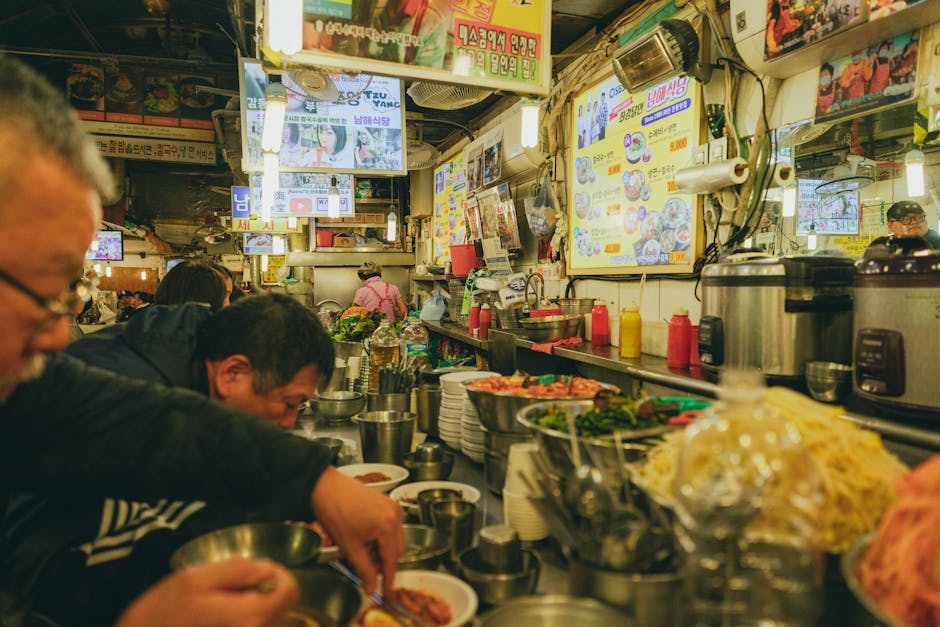
While hidden food spots are generally safe, it’s wise to take precautions, especially in regions with different hygiene standards. Start by observing food handling practices—look for clean surfaces, gloves, and high turnover of ingredients.
Avoid raw vegetables and untreated water in areas with questionable sanitation. Stick to cooked dishes and bottled beverages when in doubt.
Recognize Signs of Freshness and Cleanliness
Fresh ingredients are a good sign—meat should be recently butchered, vegetables crisp, and bread baked that day. A busy kitchen with constant turnover reduces the risk of food sitting out too long.
Check for clean utensils, handwashing stations, and staff who handle money separately from food. These small details matter.
Start Small and Observe
If you’re unsure about a dish, order a small portion first. Watch how others eat it—some foods are meant to be shared or eaten with hands. Don’t be afraid to ask for recommendations in simple terms or gestures.
Carrying probiotics or digestive aids can also help your system adjust to new cuisines.
Cultural Etiquette When Dining Locally
Respect goes a long way when visiting hidden food spots. In many cultures, mealtimes are social and sacred. Dress modestly, especially in religious or conservative areas, and avoid loud conversations.
Learn a few basic phrases in the local language—”thank you,” “delicious,” or “how much?”—to show appreciation. Tipping customs vary widely; research local norms before you go.
Dining Customs Around the World
In Japan, it’s polite to say “itadakimasu” before eating and “gochisousama” after. In Morocco, eat with your right hand and accept second helpings as a sign of respect. In Italy, avoid ordering cappuccino after 11 a.m.—it’s considered a breakfast drink.
These small gestures signal respect and can enhance your experience. Locals notice and appreciate the effort.
How to Support Local Food Communities
Choosing hidden food spots over chain restaurants directly supports small businesses and preserves culinary traditions. Many of these eateries operate on thin margins and rely on word-of-mouth to survive.
Leave positive reviews on local platforms, share photos on social media with location tags, and recommend them to fellow travelers. Even a simple “thank you” to the owner makes a difference.
Buy Local, Eat Local
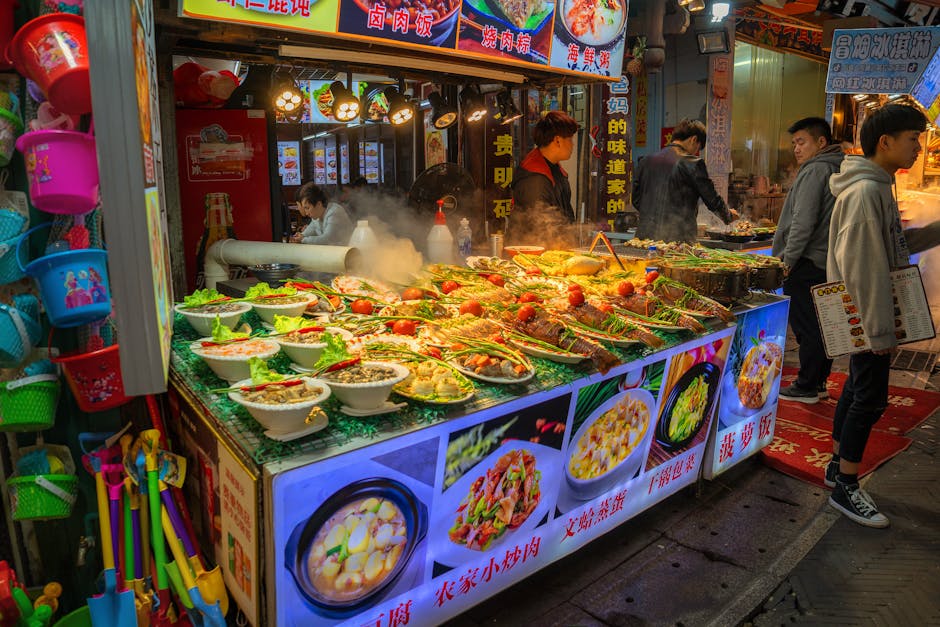
Purchase ingredients from local markets and try cooking a simple dish yourself. This deepens your connection to the food culture and gives you a new appreciation for the effort behind each meal.
Consider joining a food tour led by a local guide—many focus on neighborhood gems rather than tourist hotspots.
Common Mistakes to Avoid
One common error is assuming that expensive means authentic. Some of the best meals cost just a few dollars. Conversely, don’t dismiss a place solely because it’s cheap—value often reflects local pricing, not quality.
Another mistake is sticking to familiar foods. Travel is the perfect time to try something new—whether it’s fermented shark in Iceland or balut in the Philippines.
Don’t Judge by Appearance
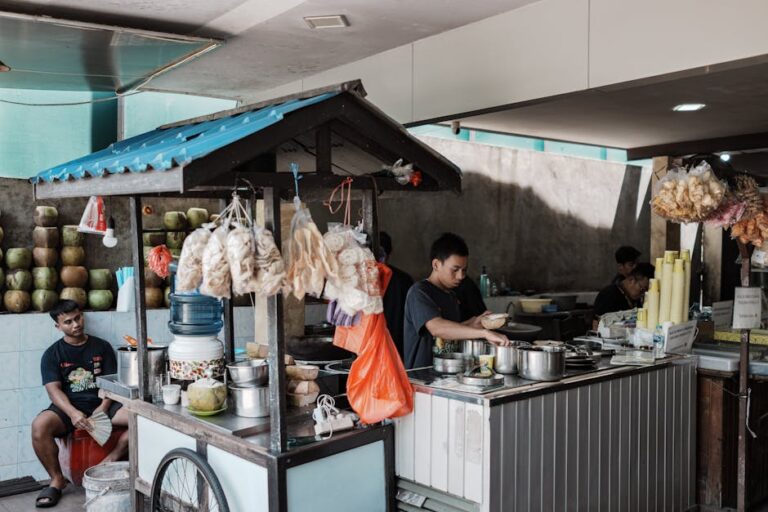
Many hidden spots have modest exteriors—peeling paint, no signage, or seating on plastic stools. These are often signs of a place that prioritizes food over frills.
Trust your senses: the smell of garlic sizzling, the sound of chopping, the sight of steam rising from a pot—these are better indicators than decor.
Making Hidden Food Spots Part of Your Travel Routine
Once you start seeking out local eats, it becomes a natural part of your travel style. Keep a food journal to remember standout dishes and locations. Note the names of dishes, ingredients, and how they were prepared.
Over time, you’ll develop a personal map of favorite spots and trusted sources for recommendations. This knowledge enriches future trips and deepens your connection to the places you visit.
Final Thoughts
The best hidden food spots to discover while traveling aren’t just about taste—they’re about connection, culture, and curiosity. They invite you to slow down, observe, and engage with a place beyond its postcard image.
By stepping off the beaten path, you’ll find meals that are more memorable, meaningful, and delicious than any five-star restaurant. The next time you travel, let your stomach be your guide.
FAQ
How can I find hidden food spots without speaking the local language?
Use translation apps for basic phrases, look for visual menus or food displays, and follow locals to busy eateries. Pointing and smiling often works better than complex questions.
Are hidden food spots safe to eat at?
Most are safe, especially if they’re busy with locals. Look for clean conditions, fresh ingredients, and high turnover. When in doubt, choose fully cooked dishes.
What if I have dietary restrictions?
Learn key phrases like “no meat” or “gluten-free” in the local language. Many traditional dishes can be adapted—ask politely and be flexible with substitutions.