Top Family Travel Spots for Active Family Weekends
Looking for the best places to take your family for an active weekend getaway? Whether you’re into hiking, biking, kayaking, or just exploring nature together, there are plenty of destinations that offer fun, fitness, and family bonding all in one trip. These top family travel spots combine outdoor adventure with kid-friendly amenities, making them perfect for weekends filled with movement and memories. From national parks to lakeside retreats, each location offers a mix of trails, water activities, and hands-on learning experiences that keep both kids and adults engaged.
Why Active Family Weekends Matter
Active weekends do more than just burn off extra energy—they build lasting family connections. When families spend time outdoors together, they create shared experiences that strengthen communication and teamwork. Physical activity also supports children’s development, improving focus, sleep, and emotional well-being.
In contrast to screen-heavy routines, active travel encourages curiosity and exploration. It’s a chance to disconnect from devices and reconnect with each other. Plus, many of these destinations are designed with families in mind, offering safe trails, guided programs, and facilities that make outdoor adventures accessible for all ages.
Top 5 Destinations for Active Family Weekends
1. Great Smoky Mountains National Park, Tennessee/North Carolina
This park is one of the most visited in the U.S., and for good reason. With over 800 miles of trails, it offers options for every skill level—from easy walks to moderate hikes. Families can explore Cades Cove, a scenic valley with historic cabins and abundant wildlife, or take the family-friendly trail to Abrams Falls.
Wildlife spotting is common, and ranger-led programs help kids learn about local ecosystems. The park also has picnic areas, campgrounds, and nearby towns like Gatlinburg that offer bike rentals and zip-lining. Just be sure to pack layers—weather can change quickly in the mountains.
2. Lake Tahoe, California/Nevada
Straddling the border between California and Nevada, Lake Tahoe is a year-round destination for active families. In summer, the crystal-clear lake invites swimming, paddleboarding, and kayaking. The surrounding Sierra Nevada mountains offer hiking and mountain biking trails with stunning views.
The Tahoe Rim Trail is a favorite for families looking for a half-day hike with panoramic lake views. For younger kids, the Eagle Falls Trail leads to a waterfall and is stroller-friendly in parts. In winter, the area transforms into a snow sports hub, but even off-season, the lakefront parks and bike paths remain inviting.
3. Moab, Utah
Moab is a mecca for outdoor adventure, located near both Arches and Canyonlands National Parks. Families can explore red rock landscapes on foot, bike, or even on a guided jeep tour. The Slickrock Bike Trail is iconic, though better suited for older kids and adults—beginners should start with the easier Bar M Loop.
Hiking to Delicate Arch or exploring the Fiery Furnace requires preparation, but shorter trails like the Windows Section in Arches are manageable for younger children. Always carry plenty of water—Moab’s desert climate can be unforgiving, especially in summer.
4. Door County, Wisconsin
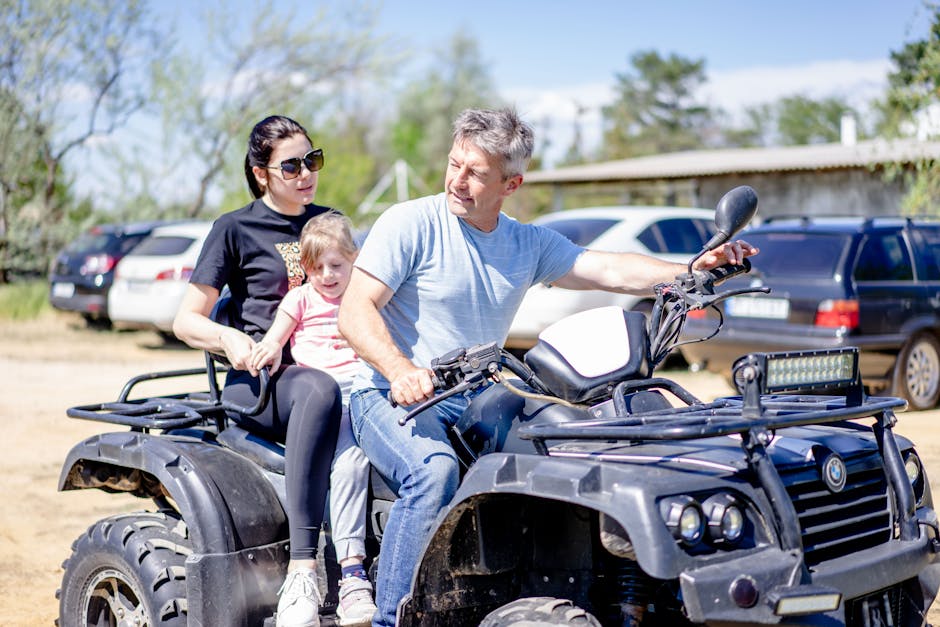
This peninsula on Lake Michigan is a hidden gem for families who love water and woods. With over 300 miles of shoreline, Door County offers kayaking, fishing, and beachcombing. Peninsula State Park has biking trails, a lighthouse, and a junior ranger program that keeps kids involved.
Families can rent bikes and ride the Sunset Trail, which loops through forests and along cliffs with lake views. Cherry orchards and small towns like Fish Creek add charm, and many local farms offer pick-your-own fruit in season. It’s a quieter alternative to more crowded destinations, ideal for a relaxed but active weekend.
5. Asheville, North Carolina
Nestled in the Blue Ridge Mountains, Asheville combines natural beauty with a vibrant town atmosphere. The nearby Blue Ridge Parkway offers scenic drives and trailheads for hiking. Families can walk the trails at Chimney Rock State Park or explore the North Carolina Arboretum, which has interactive exhibits and paved paths.
The French Broad River is perfect for tubing or flat-water kayaking—great for younger kids. Asheville also has a strong focus on sustainability and local food, so families can enjoy farm-to-table meals after a day outdoors. The city’s bike-sharing program makes it easy to get around without a car.
How to Plan Your Active Family Weekend
Choose the Right Destination for Your Family’s Age and Ability
Not all trails or activities are suitable for every age group. Toddlers may enjoy short nature walks and playgrounds, while teens might prefer rock climbing or longer hikes. Consider your family’s fitness level and interests when selecting a spot.
Look for destinations that offer a range of activities. A place with both hiking and water sports gives families flexibility if the weather changes or energy levels vary. Check park websites for trail difficulty ratings and family programs.
Pack Smart for Outdoor Adventures
Proper gear makes a big difference. Wear moisture-wicking clothing and sturdy shoes. Bring sunscreen, hats, and insect repellent—especially in wooded or lakeside areas. A small first-aid kit, water bottles, and snacks are essentials.
For water activities, life jackets are a must, even for strong swimmers. If you’re biking, ensure helmets fit properly. Renting gear locally can save space in your luggage, but confirm availability in advance.
Build in Rest and Flexibility
Active weekends should be fun, not exhausting. Schedule downtime between activities—maybe a picnic, a swim, or just relaxing at the cabin. Let kids help plan the itinerary; giving them choices increases engagement.
Be prepared to adjust plans. A sudden rainstorm might cancel a hike, but it could open up time for a museum visit or a cozy afternoon reading by the fire. Flexibility keeps the trip enjoyable for everyone.
Safety Tips for Active Family Travel
Know the Terrain and Weather
Research the area before you go. Some trails have steep drop-offs or loose rocks—unsuitable for young children. Check the weather forecast and avoid high-elevation hikes if thunderstorms are predicted.
Tell someone your plans if you’re venturing into remote areas. Carry a map or GPS device, even on marked trails. Cell service can be spotty in national parks and rural regions.
Stay Hydrated and Fueled
Dehydration happens quickly during physical activity, especially in hot or high-altitude environments. Drink water before you feel thirsty. Bring electrolyte packets for longer outings.
Pack nutritious snacks like trail mix, fruit, and granola bars. Avoid sugary treats that lead to energy crashes. Meals should be balanced—carbohydrates for energy, protein for recovery.
Teach Kids Basic Outdoor Safety
Before heading out, review simple rules: stay on the trail, don’t touch unfamiliar plants, and always stay within sight of an adult. Use the “buddy system” so no one wanders off alone.
Teach children what to do if they get lost—stop, stay put, and make noise. Practice this at home so it becomes second nature. A whistle on a lanyard can be a lifesaver.
Making the Most of Your Trip
Involve Kids in Planning
Let children help choose activities or pick a trail from a list. This builds excitement and teaches decision-making. Use maps or apps to show them where you’re going—many kids enjoy the visual aspect of planning.

Assign small responsibilities, like carrying the snack bag or being the “navigator” for a short stretch. These roles give kids a sense of ownership and keep them engaged.
Capture Memories Without Screens
Instead of constant photo-taking, consider a nature journal. Kids can draw plants, write about animals they see, or collect leaves (where permitted). This encourages observation and creativity.
If you do take photos, set a rule: one photo per activity, then put the camera away. The goal is to be present, not to document every moment.
Try Something New Together
Active weekends are a great time to learn a new skill. Sign up for a family kayaking lesson, try geocaching, or attend a ranger-led night sky program. Shared learning strengthens bonds and creates unique stories.
Even simple activities—like identifying birds or learning to skip stones—can become highlights. The key is to stay open and curious.
Final Thoughts
Active family weekends offer more than just exercise—they create opportunities for connection, discovery, and joy. The best destinations balance adventure with accessibility, offering something for every family member. Whether you’re hiking mountain trails, paddling across a lake, or biking through a forest, these experiences build confidence and memories that last a lifetime.
Start small if you’re new to active travel. A one-night trip to a nearby state park can be just as rewarding as a week-long expedition. The goal isn’t perfection—it’s spending quality time together in motion. With a little planning and the right mindset, your next family weekend could be your most active and memorable yet.
FAQ
What are the best active family weekend trips for young children?
Look for destinations with short, flat trails, playgrounds, and water access. Door County, Wisconsin, and Lake Tahoe are great options with stroller-friendly paths and shallow swimming areas.
How do I keep kids engaged during long hikes?
Bring snacks, play nature-themed games like “I Spy,” and let kids lead part of the way. Frequent breaks and a reward at the end—like a view or treat—help maintain interest.
Are national parks suitable for active family weekends?
Yes, many national parks offer family programs, easy trails, and ranger-led activities. Great Smoky Mountains and Arches National Parks are especially welcoming to families with children of all ages.