Australia Travel Guide: Best Cities and Travel Tips
Planning a trip to Australia? This guide covers the top cities to visit, essential travel tips, and practical advice to help you make the most of your journey. From bustling urban centers to coastal gems, Australia offers diverse experiences for every traveler. Whether you’re exploring iconic landmarks, enjoying world-class food, or venturing into the Outback, knowing where to go and what to expect is key to a smooth adventure.
Top Cities to Visit in Australia
Australia’s cities blend natural beauty, cultural richness, and modern amenities. Each offers a unique vibe, from cosmopolitan energy to relaxed beachside charm. Here are the must-visit destinations for first-time and returning travelers alike.
Sydney: The Iconic Harbor City
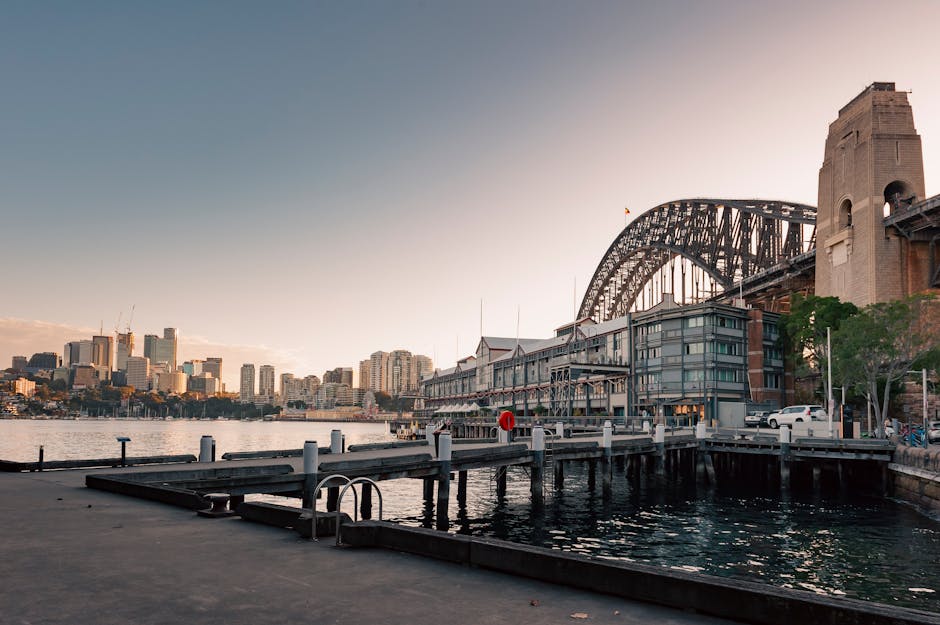
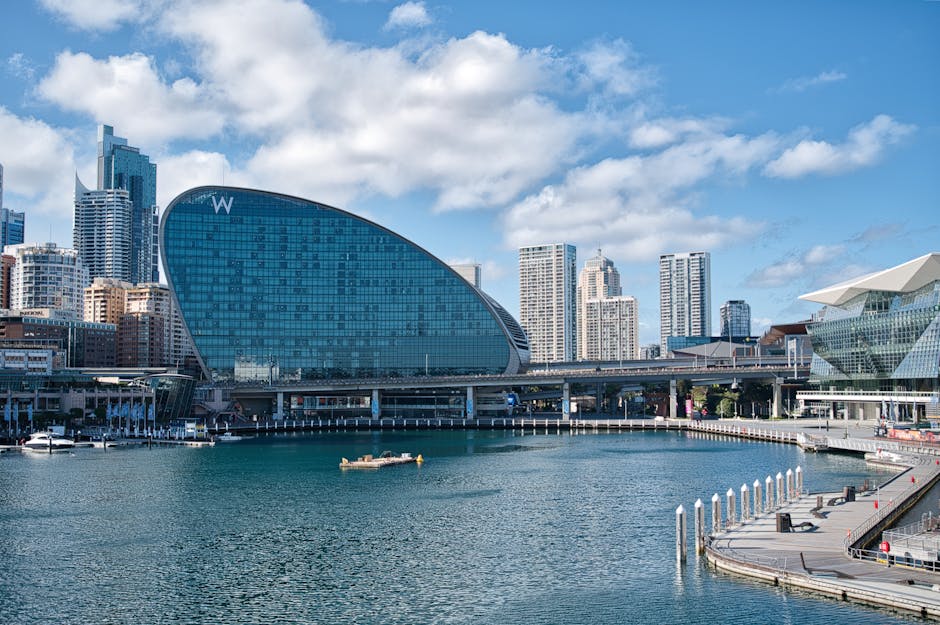
Sydney is Australia’s most famous city, known for its stunning harbor, golden beaches, and vibrant culture. The Sydney Opera House and Harbour Bridge are must-see landmarks. Take a ferry from Circular Quay to Manly for scenic views and a laid-back beach atmosphere.
For nature lovers, the Royal Botanic Garden offers peaceful walks with harbor views. Bondi Beach is perfect for surfing, sunbathing, or walking the coastal trail to Coogee. Don’t miss the weekend markets at The Rocks for local crafts and food.
Melbourne: Culture and Coffee Capital
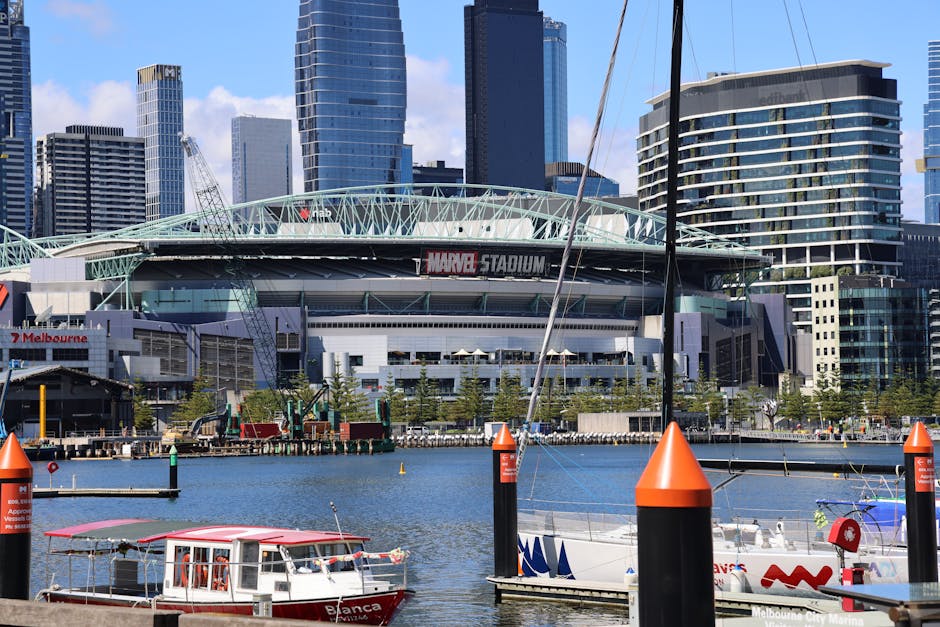
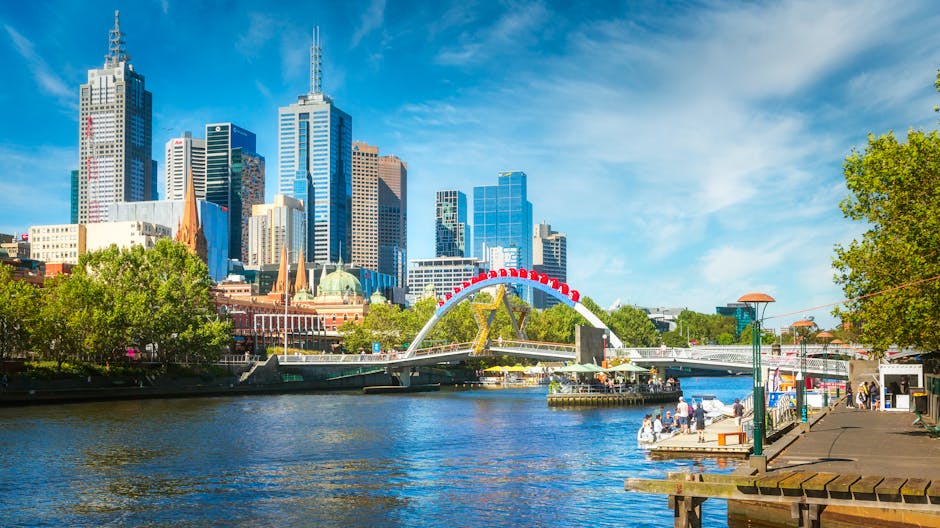
Melbourne is celebrated for its arts scene, laneway cafes, and sporting events. Start your day with a flat white in one of the city’s hidden coffee shops. Explore street art in Hosier Lane or catch a live music show at a local venue.
The National Gallery of Victoria and Melbourne Museum offer world-class exhibitions. For a taste of local life, visit Queen Victoria Market for fresh produce, souvenirs, and street food. Take a day trip to the Great Ocean Road or the Yarra Valley wine region.
Brisbane: Gateway to the Sunshine Coast
Brisbane combines urban energy with outdoor adventure. The South Bank Parklands feature a man-made beach, walking paths, and cultural venues. The Queensland Art Gallery and Gallery of Modern Art are free and highly rated.
Take a ferry along the Brisbane River or climb the Story Bridge for panoramic views. The city is a launchpad for trips to the Gold Coast, Sunshine Coast, and Fraser Island. Summer brings outdoor festivals and riverside dining.
Perth: Isolated but Inviting
Perth is one of the world’s most isolated major cities, but its charm lies in its relaxed pace and natural beauty. Kings Park offers sweeping views of the city and Swan River. The park’s botanical gardens are especially stunning during wildflower season.
Fremantle, a historic port town nearby, is known for its markets, craft beer, and maritime history. Rottnest Island, a short ferry ride away, is home to quokkas—small marsupials that have become social media stars. Bring a bike or join a guided tour to explore the island.
Adelaide: Food, Wine, and Festivals
Adelaide is a compact city with a big reputation for food and wine. The Central Market is a foodie paradise, offering fresh produce, international cuisine, and local delicacies. The city hosts major events like the Adelaide Fringe and WOMADelaide.
Just outside the city, the Barossa Valley and McLaren Vale wine regions offer cellar door tastings and gourmet dining. Kangaroo Island and the Adelaide Hills provide opportunities for wildlife encounters and scenic drives.
Canberra: Australia’s Capital
Often overlooked, Canberra is a cultural hub with national museums, galleries, and monuments. The Australian War Memorial is a moving tribute to the country’s military history. Parliament House offers free tours and views from its grassy roof.
The National Gallery of Australia and Questacon science museum are family-friendly attractions. Lake Burley Griffin is ideal for walking, cycling, or paddleboarding. Visit in spring for the Floriade flower festival.
Best Time to Visit Australia
Australia’s seasons are opposite those in the Northern Hemisphere. Summer runs from December to February, with hot weather and peak tourist crowds. This is ideal for beach trips but expect higher prices and booked-out accommodations.
Autumn (March to May) offers mild temperatures and fewer tourists. It’s a great time for city exploration and outdoor activities. Winter (June to August) is cooler, especially in the south, but perfect for visiting the Outback or the Snowy Mountains.
Spring (September to November) brings blooming wildflowers and comfortable weather. It’s an excellent time for road trips and wildlife spotting. Consider regional climates—northern areas like Darwin are hot and humid year-round, with a wet season from November to April.
Getting Around Australia
Australia is vast, and distances between cities are significant. Domestic flights are the fastest way to travel long distances. Airlines like Qantas, Virgin Australia, and Jetstar offer frequent services between major cities.
Trains and buses connect some cities, but schedules can be limited. The Indian Pacific route from Sydney to Perth is a scenic but lengthy journey. Renting a car gives flexibility, especially for exploring regional areas like the Great Ocean Road or the Red Centre.
Always carry a physical map or offline GPS, as mobile coverage can be spotty in remote areas. Driving is on the left, and seat belts are mandatory. Speed limits are strictly enforced, and fatigue is a major cause of accidents on long drives.
Accommodation Options
Australia offers a range of accommodations to suit every budget. Major cities have luxury hotels, boutique stays, and international chains. Hostels and budget motels are widely available for backpackers and cost-conscious travelers.
Airbnb and vacation rentals are popular, especially for families or longer stays. In regional areas, consider farm stays, eco-lodges, or caravan parks. Book in advance during peak seasons, school holidays, or major events like the Melbourne Cup.
Always check cancellation policies and read recent reviews. Some rural accommodations may not accept credit cards or have limited amenities.
Food and Dining
Australian cuisine blends British, Asian, and Mediterranean influences. Try local favorites like meat pies, fish and chips, and pavlova. Fresh seafood is abundant, especially in coastal cities.
Melbourne and Sydney are known for their diverse dining scenes, with everything from food trucks to fine dining. Don’t miss a traditional Aussie barbecue—often held in parks or backyards. Vegemite, a salty yeast spread, is an acquired taste but worth trying once.
Coffee culture is strong, particularly in Melbourne. Expect high-quality brews and long queues at popular cafes. Tipping is not mandatory but appreciated for good service.
Money and Costs
Australia uses the Australian dollar (AUD). Credit and debit cards are widely accepted, even in small towns. ATMs are common, but check for fees, especially with foreign cards.
Australia is relatively expensive compared to many countries. Budget travelers should expect to spend at least $80–120 AUD per day, while mid-range travelers may spend $150–250. Accommodation and dining are the biggest expenses.
Use budgeting apps to track spending. Many attractions, like beaches and national parks, are free or low-cost. Look for city tourist passes that offer discounts on transport and entry fees.
Safety and Health
Australia is generally safe for travelers. Violent crime is low, but petty theft can occur in tourist areas. Keep valuables secure and avoid leaving bags unattended.
Sun protection is essential. Wear sunscreen, a hat, and sunglasses, even on cloudy days. UV levels are high year-round. Stay hydrated and seek shade during peak heat.
Medical care is excellent but costly for non-residents. Travel insurance with medical coverage is strongly recommended. Pharmacies are well-stocked, and many medications are available over the counter.
Wildlife and Outdoor Safety
Australia is home to unique wildlife, including kangaroos, koalas, and dangerous species like snakes, spiders, and marine creatures. Observe animals from a distance and never feed them.
When swimming, check for warning signs about jellyfish, sharks, or strong currents. In northern waters, stinger suits are recommended during summer. Always swim between the flags at patrolled beaches.
When hiking, wear sturdy shoes and carry water. Let someone know your plans, especially in remote areas. Mobile coverage may be unavailable, so carry a personal locator beacon if venturing into the Outback.
Packing Essentials
Pack light, breathable clothing for summer and layers for cooler months. Include a rain jacket, even in dry seasons. Comfortable walking shoes are a must for city exploration and hiking.
Don’t forget a power adapter—Australia uses Type I plugs with 230V. A reusable water bottle, travel towel, and daypack are practical additions. If visiting rural areas, bring insect repellent and a first-aid kit.
Check baggage allowances for domestic flights, as weight limits can be strict. Leave space for souvenirs like opals, Ugg boots, or local wines.
Cultural Etiquette and Tips
Australians are generally informal and friendly. Greetings are often casual—a simple “G’day” or “How’s it going?” is common. Tipping is not expected but appreciated for exceptional service.
Respect Indigenous culture. Many sites, especially in the Northern Territory, have cultural significance. Follow guidelines at sacred locations and support Indigenous-owned businesses.
Recycling and environmental care are taken seriously. Use designated bins and avoid single-use plastics where possible. Smoking is banned in indoor public spaces and many outdoor areas.
Final Travel Tips
Start planning early, especially for popular destinations or events. Book flights and accommodations ahead of time to secure better rates. Download offline maps and translation apps if needed.
Stay connected with a local SIM card or international roaming plan. Major providers include Telstra, Optus, and Vodafone. Free Wi-Fi is available in cafes, hotels, and public spaces, but speeds may vary.
Keep digital and physical copies of important documents like your passport, visa, and insurance. Register your trip with your country’s travel advisory service for safety updates.
FAQ
What is the best time of year to visit Australia?
The best time depends on your destination. Autumn (March to May) and spring (September to November) offer mild weather and fewer crowds. Summer is ideal for beaches but busy and hot. Winter is great for the Outback or skiing in the south.
Do I need a visa to travel to Australia?
Most visitors need a visa or Electronic Travel Authority (ETA). Check the Australian Government’s Department of Home Affairs website before traveling. Apply online and allow processing time.
Is it safe to drive in Australia?
Yes, but be cautious on long rural roads. Drive on the left, obey speed limits, and take regular breaks to avoid fatigue. Always carry water and a charged phone. Some remote areas have limited fuel and services.